

Eastern Screech-Owl
Megascops asio
A small, common owl of eastern North American woodlands and suburbs, occurring in both a grey and a rufous color morph, both finely patterned to resemble tree bark.
- Feather type
- Small soft-fringed flight feathers; cryptic mottled/streaked body feathers; short ear tufts
- Colours
- Grey or rufous morph, finely mottled and streaked to resemble tree bark
- Bird size
- Small, ~16-25 cm
Found a feather like this?
Identify any feather from a photo, free.
Overview
The Eastern Screech-Owl is a small, common owl of eastern North America, often found even in wooded suburbs and parks, roosting quietly by day in tree cavities or dense foliage. Despite its name, its most familiar call is a descending whinny or a soft trill, not a screech.
It occurs in two distinct color morphs - grey and rufous (red) - which can occur in the same population regardless of habitat, along with a rare intermediate brown morph.
Its small size and finely patterned plumage give strong camouflage against tree bark when roosting, making it easy to overlook despite being fairly common.
Identifying the Feather
Recognizing the feathers
- Body feathers show fine, complex mottling and vertical streaking over a grey or rufous ground - either morph shows the same bark-like pattern, just in different base colors.
- Ear-tuft feathers are short but distinct, present in this species unlike some other small owls.
- Flight feathers are small and soft-fringed, appropriately scaled to this owl's diminutive size.
- Facial disc feathers are pale with a darker rim.
Similar species
- Nearly identical in size and pattern to the Western and Whiskered Screech-Owls; range is the most reliable way to separate them, since Eastern Screech-Owl occurs only in eastern North America while the other two occur farther west.
Plumage & Molt
Plumage
Occurs in grey and rufous (red) morphs, both finely mottled and streaked to resemble bark; a rarer intermediate brown morph also occurs. Underparts show vertical streaking crossed by fine barring.
Sexes look alike; juveniles show a softer, more finely barred down-plumage before molting into the adult cryptic pattern.
Molt occurs gradually over summer and fall.
Habitat & Range
Habitat & range
Widespread across eastern North America, from southern Canada through the eastern and central United States, in deciduous and mixed woodland, parks, and wooded suburbs with mature trees offering cavities for roosting and nesting.
It is largely non-migratory, holding stable year-round territories.
Behavior & Field Notes
Behavior & field notes
A nocturnal hunter of insects, small mammals, and occasionally small birds or amphibians, often hunting from a low perch near woodland edges.
Its call is a distinctive descending whinny or a soft, even trill, quite different from the hoots of larger owls.
A small, finely mottled grey or rufous body feather with short ear-tuft feathers, found in eastern deciduous woodland or a wooded suburb, is consistent with this species.
Frequently asked questions
Does this owl actually screech?
Not typically - its most common calls are a descending whinny and a soft trill, despite the common name.
What color morphs does this species show?
Grey and rufous (red) morphs are both common, with a rare intermediate brown morph.
How do I tell its feather from a Western Screech-Owl's?
The two are very similar in feather pattern; geographic range (eastern vs. western North America) is the most reliable distinguishing clue.
Does it have ear tufts?
Yes, short but visible ear tufts, unlike some other small owls such as the Burrowing Owl.
Eastern Screech-Owl guides
In-depth guides for identifying and understanding Eastern Screech-Owl.

Eastern Screech-Owl identified by the community
Real feathers identified with Feather Identifier.


Other feathers you may enjoy

Tawny Owl
Wing (flight) and body (contour) feathers
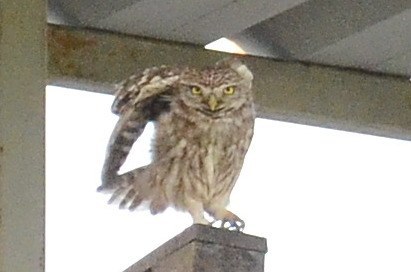
Little Owl
Wing and body feathers

Balsas Screech-Owl
Small ear-tuft feathers; soft, finely vermiculated body feathers

Blakiston's Fish Owl
Massive flight feathers with looser structure; shaggy body plumage; prominent ear-tuft feathers

Barn Owl
Wing and facial-disc feathers
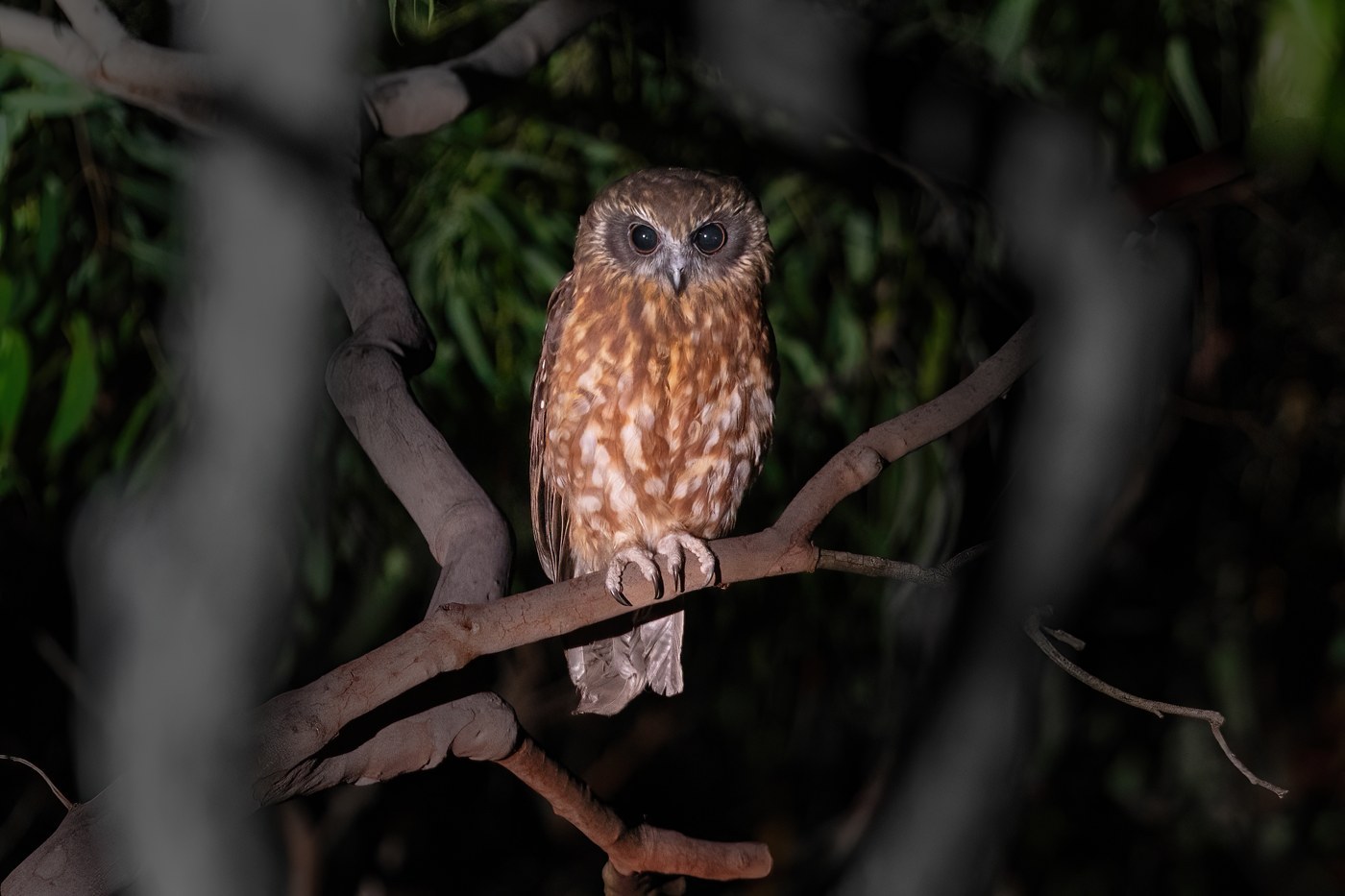
Southern Boobook
Rounded flight feathers; banded tail; spotted body plumage

Sooty Owl
Broad soft-edged flight feathers; heart-shaped facial disc feathers; finely speckled body plumage

Short-eared Owl
Broad soft-fringed flight feathers; streaked body feathers; tiny, rarely visible ear tufts

Stygian Owl
Dark, mottled flight and body feathers with long, closely-set ear tufts
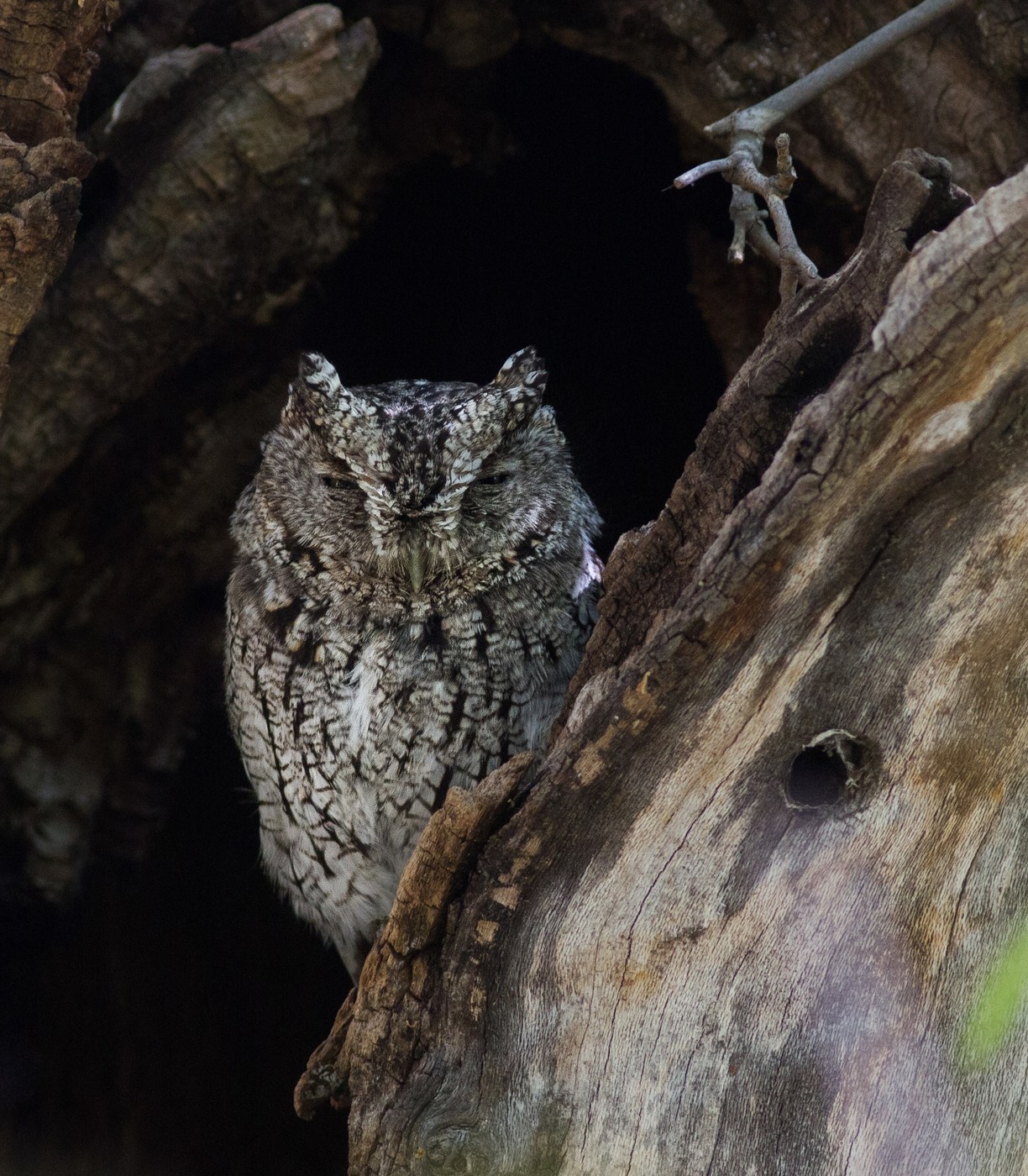
Whiskered Screech-Owl
Small soft-fringed flight feathers; finely mottled body feathers; short ear tufts
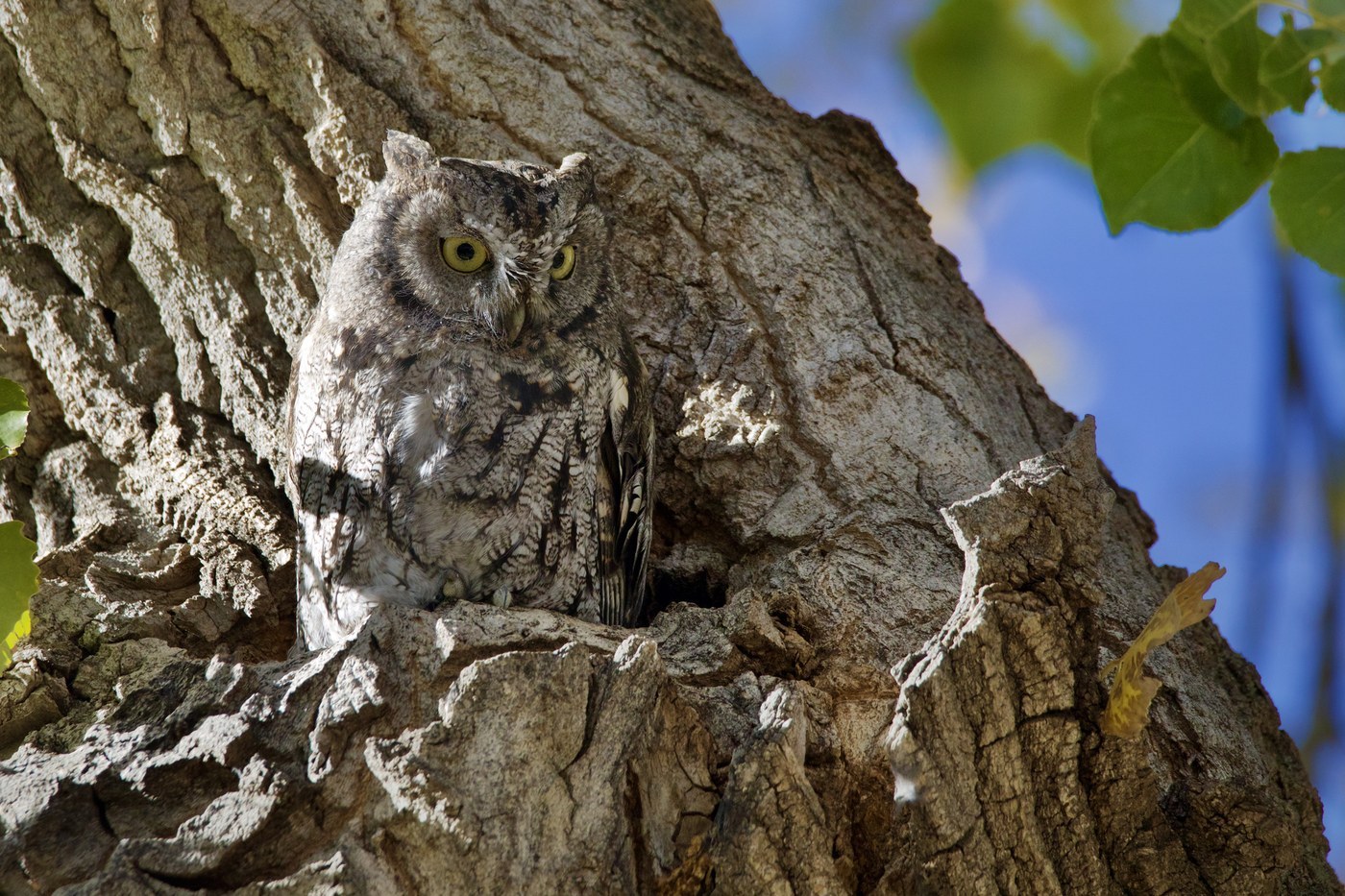
Western Screech-Owl
Small soft-fringed flight feathers; cryptic mottled/streaked body feathers; short ear tufts

White-faced Scops Owl
Small to medium flight feathers with a distinctive whitish facial disc and long ear-tuft plumes