

Elf Owl
Micrathene whitneyi
The smallest owl in the world, a sparrow-sized desert dweller that nests in old woodpecker holes in saguaro cacti and streamside trees, with finely mottled grey-brown plumage.
- Feather type
- Tiny rounded flight feathers; short tail feathers; finely mottled body feathers
- Colours
- Grey-brown finely mottled with buff and white spotting
- Bird size
- Very small, the smallest owl, ~12-14 cm
Found a feather like this?
Identify any feather from a photo, free.
Overview
The Elf Owl holds the distinction of being the smallest owl species in the world, barely larger than a sparrow, found in desert and semi-arid woodland of the southwestern United States and Mexico.
It relies almost entirely on cavities excavated by woodpeckers - particularly in saguaro cacti and streamside sycamores or oaks - for nesting and roosting, and is almost entirely absent from areas lacking such cavities.
Its tiny size and finely mottled grey-brown plumage, along with a short tail and lack of ear tufts, make it easy to overlook despite being locally common in the right habitat.
Identifying the Feather
Recognizing the feathers
- Body feathers are grey-brown finely mottled with buff and marked with small white spots, giving a subtle, cryptic pattern.
- Flight feathers are notably tiny and rounded, among the smallest of any owl, reflecting this species' status as the smallest owl in the world.
- Tail feathers are unusually short relative to body size.
- No ear-tuft feathers are present, and the facial disc is plain and pale, with prominent white eyebrow markings.
Similar species
- Its extremely small overall feather size alone distinguishes it from virtually all other North American owls, including the similarly range-overlapping Western Screech-Owl, which is considerably larger.
Plumage & Molt
Plumage
Adults are grey-brown above with fine buff mottling and small white spots, and paler below with light streaking, plus pale eyebrow markings above yellow eyes. Sexes look alike.
Juveniles are similarly patterned but slightly downier before fledging.
Molt occurs over the summer months following breeding.
Habitat & Range
Habitat & range
Found in the desert Southwest of the United States (Arizona, New Mexico, far west Texas) and much of Mexico, in saguaro cactus desert, oak and sycamore canyons, and other semi-arid woodland with available woodpecker cavities.
Most populations are migratory, moving south into Mexico for winter, with birds returning to breeding areas in spring.
Behavior & Field Notes
Behavior & field notes
A nocturnal hunter of insects and other small invertebrates, gleaned from vegetation or caught in short flights, reflecting its tiny size and correspondingly modest prey.
It nests almost exclusively in pre-existing woodpecker holes, especially in saguaro cacti and streamside trees, and defends these cavities vocally with a rapid, yipping call.
A tiny, finely mottled grey-brown feather, notably smaller than that of any other owl, found near saguaro cactus stands or oak-sycamore canyons, is a strong indicator of this species.
Frequently asked questions
How small are this owl's feathers compared to other owls?
Extremely small - as the smallest owl species in the world, its feathers are correspondingly tiny, smaller than nearly any other owl's.
Where does this owl nest?
In pre-existing woodpecker cavities, especially in saguaro cacti and streamside sycamores or oaks.
Does this owl migrate?
Most populations migrate south into Mexico for the winter, returning to breed in spring.
Does it have ear tufts?
No, it has a rounded head without ear tufts.
Elf Owl guides
In-depth guides for identifying and understanding Elf Owl.

Other feathers you may enjoy

Tawny Owl
Wing (flight) and body (contour) feathers
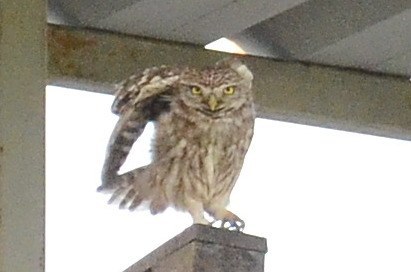
Little Owl
Wing and body feathers

Balsas Screech-Owl
Small ear-tuft feathers; soft, finely vermiculated body feathers

Blakiston's Fish Owl
Massive flight feathers with looser structure; shaggy body plumage; prominent ear-tuft feathers

Barn Owl
Wing and facial-disc feathers
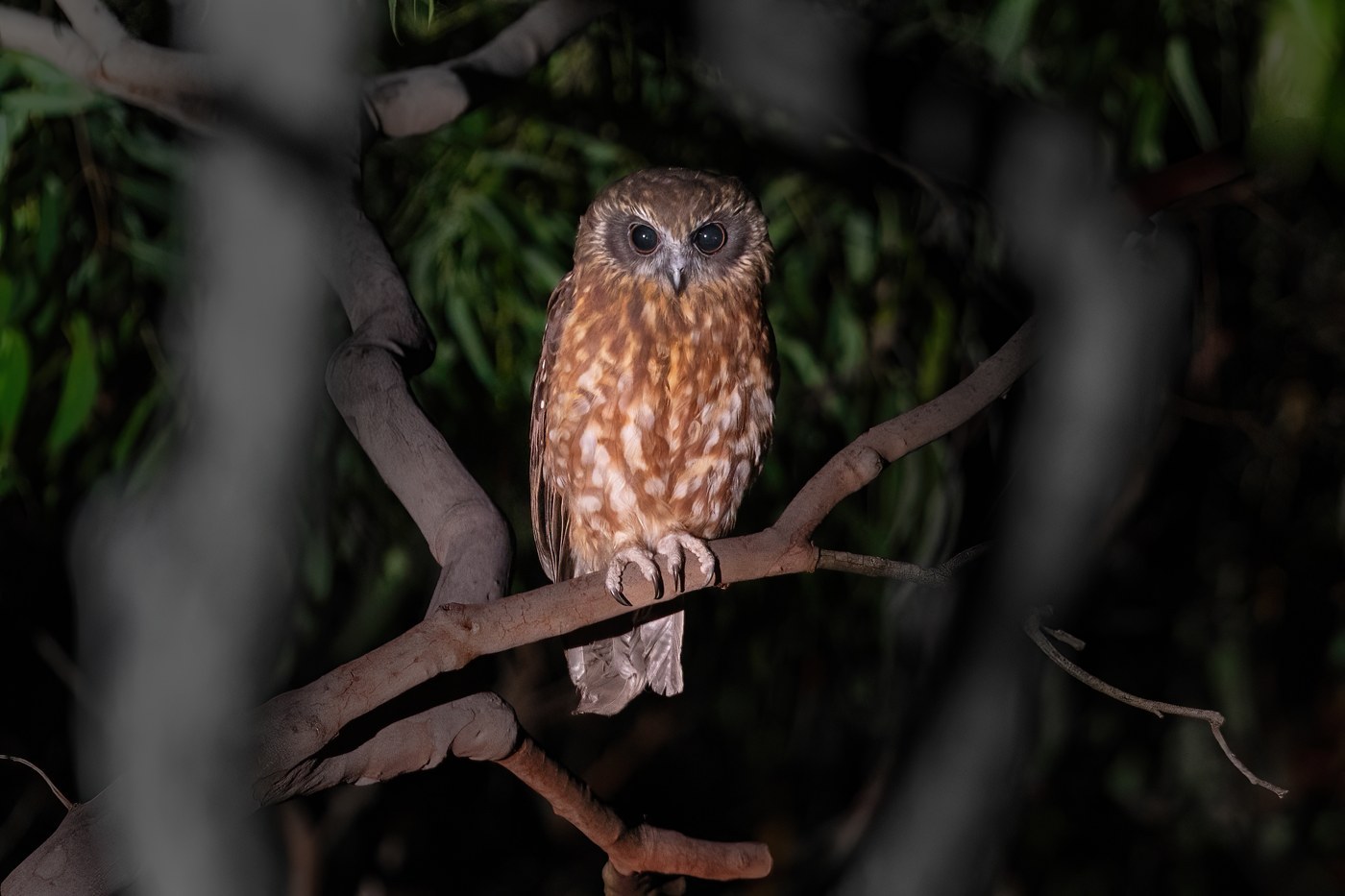
Southern Boobook
Rounded flight feathers; banded tail; spotted body plumage

Sooty Owl
Broad soft-edged flight feathers; heart-shaped facial disc feathers; finely speckled body plumage

Short-eared Owl
Broad soft-fringed flight feathers; streaked body feathers; tiny, rarely visible ear tufts

Stygian Owl
Dark, mottled flight and body feathers with long, closely-set ear tufts
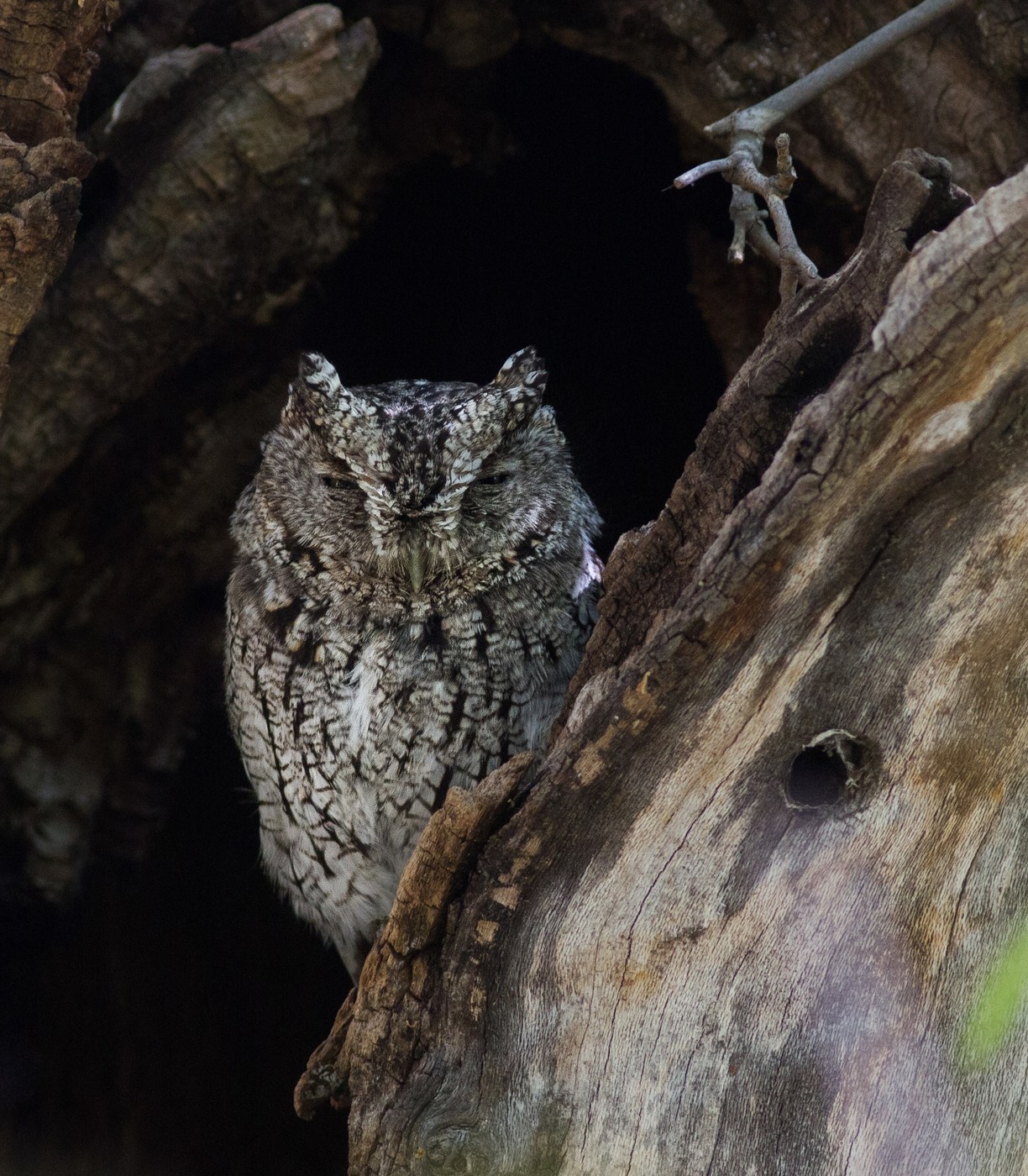
Whiskered Screech-Owl
Small soft-fringed flight feathers; finely mottled body feathers; short ear tufts
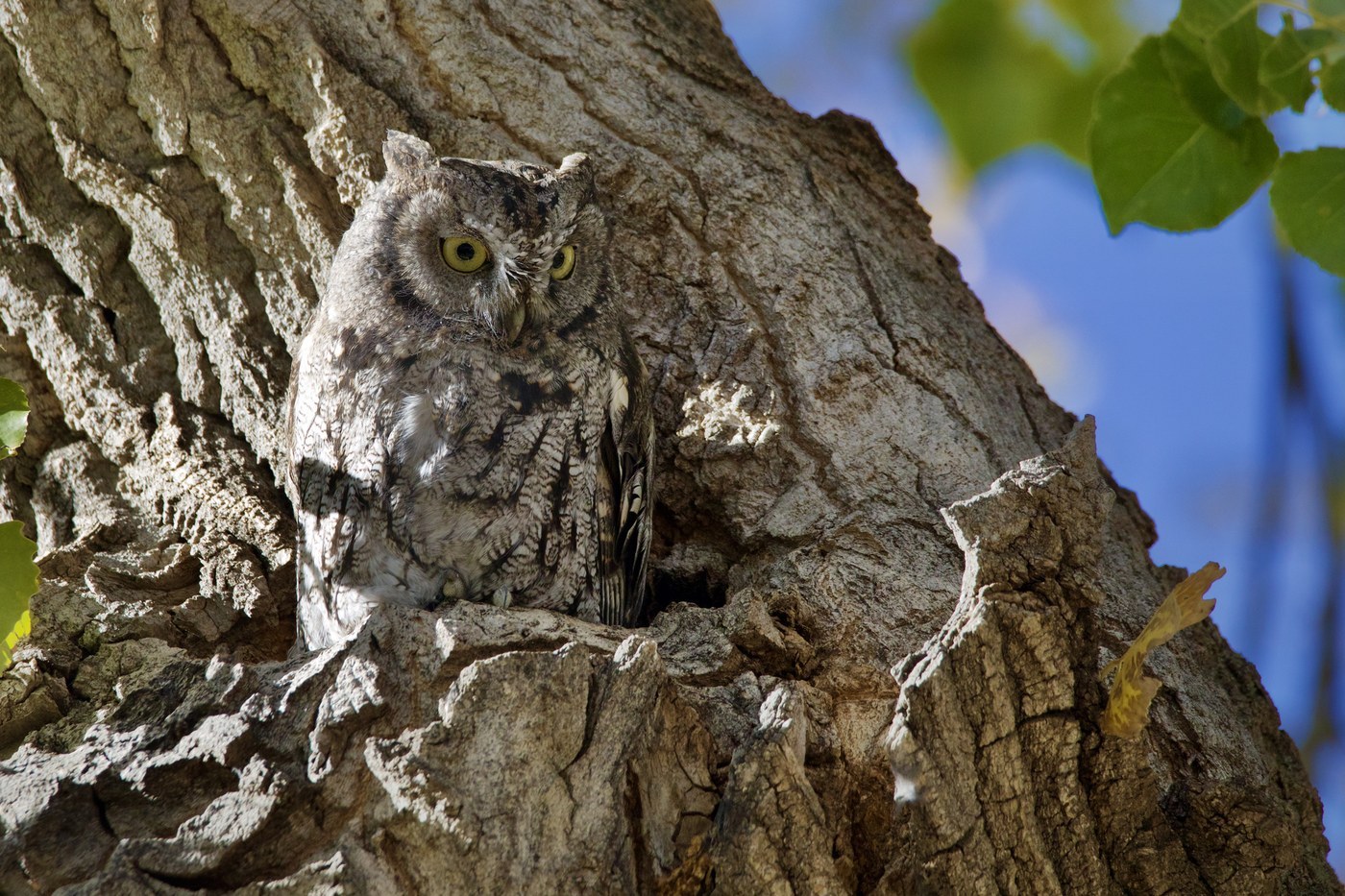
Western Screech-Owl
Small soft-fringed flight feathers; cryptic mottled/streaked body feathers; short ear tufts

White-faced Scops Owl
Small to medium flight feathers with a distinctive whitish facial disc and long ear-tuft plumes