

Eurasian Dotterel
Charadrius morinellus
A confiding alpine plover with a bold white eyebrow stripe and a chestnut breast band bordered in black and white, the Eurasian Dotterel shows reversed sex roles typical of some plovers.
- Feather type
- Body feathers
- Colours
- Gray-brown upperparts, chestnut-and-black breast band, white eyebrow stripe
- Bird size
- Small plover, ~20-22 cm
Found a feather like this?
Identify any feather from a photo, free.
Overview
The Eurasian Dotterel is a distinctive small plover of mountain tundra and high-latitude breeding grounds, easily recognized by its bold facial pattern and colorful breast band. It shares the reversed sexual role pattern seen in some other shorebirds, with females more brightly plumaged and males taking the primary role in incubation and chick-rearing. It is noted for its tameness, sometimes allowing very close approach.
Identifying the Feather
Feathers on the head show a prominent white supercilium (eyebrow stripe) that meets at the back of the head, framing a dark crown, a pattern visible even on isolated crown and face feathers. Breast feathers show a bold pattern of a white band bordering a chestnut-orange belly patch above a black lower border, more vividly colored and extensive in females. Upperpart feathers are grayish-brown with buff fringing, providing camouflage on rocky or lichen-covered tundra. Underparts below the breast band are white to pale buff. The overall feather pattern, especially the breast band and eyebrow stripe, is distinctive enough to separate this species from other small plovers.
Plumage & Molt
This species shows reversed sexual dichromatism: breeding females display more vivid chestnut and black breast coloring and a cleaner facial pattern than males, correlating with males performing most incubation and chick care. Juveniles are duller, with a scaly buff-and-brown pattern above and a less defined, paler breast band. Nonbreeding adults are considerably plainer, losing much of the bold breast pattern and facial contrast. A complete molt occurs after breeding, mostly on wintering grounds, transitioning birds to duller nonbreeding plumage.
Habitat & Range
Breeds on high alpine plateaus, Arctic tundra, and stony mountain tops across parts of Europe and Asia, favoring open, sparsely vegetated ground at altitude or high latitude. It is a long-distance migrant, wintering on dry plains, semi-desert, and steppe habitats in North Africa and the Middle East, favoring open, flat terrain similar in structure to its breeding grounds.
Behavior & Field Notes
Eurasian Dotterels forage by picking insects and other small invertebrates from the ground in a run-stop-peck pattern typical of plovers. Nests are shallow ground scrapes on open tundra or alpine ground, with males performing the majority of incubation and chick defense following the reversed sex-role pattern also seen in phalaropes. The species is known for its unusual tameness around humans, sometimes allowing very close observation, which has made it locally beloved historically. Its call is a soft, trilling note. Breeding range and numbers have contracted in parts of Europe.
Frequently asked questions
What is the most distinctive feather feature of the Eurasian Dotterel?
A bold white eyebrow stripe that meets at the back of the head, combined with a chestnut breast band bordered in black and white, distinguishes it from other small plovers.
Why are female Eurasian Dotterels more colorful than males?
The species shows reversed sexual dichromatism, with males taking on most incubation and chick-rearing duties, so brighter breeding plumage has evolved in females.
Where does the Eurasian Dotterel breed?
It breeds on high alpine plateaus and Arctic tundra across parts of Europe and Asia, favoring open, sparsely vegetated high ground.
Is the Eurasian Dotterel known for being tame?
Yes, it has a reputation for unusual tameness, sometimes allowing people to approach very closely without flushing.
Eurasian Dotterel guides
In-depth guides for identifying and understanding Eurasian Dotterel.

Other feathers you may enjoy
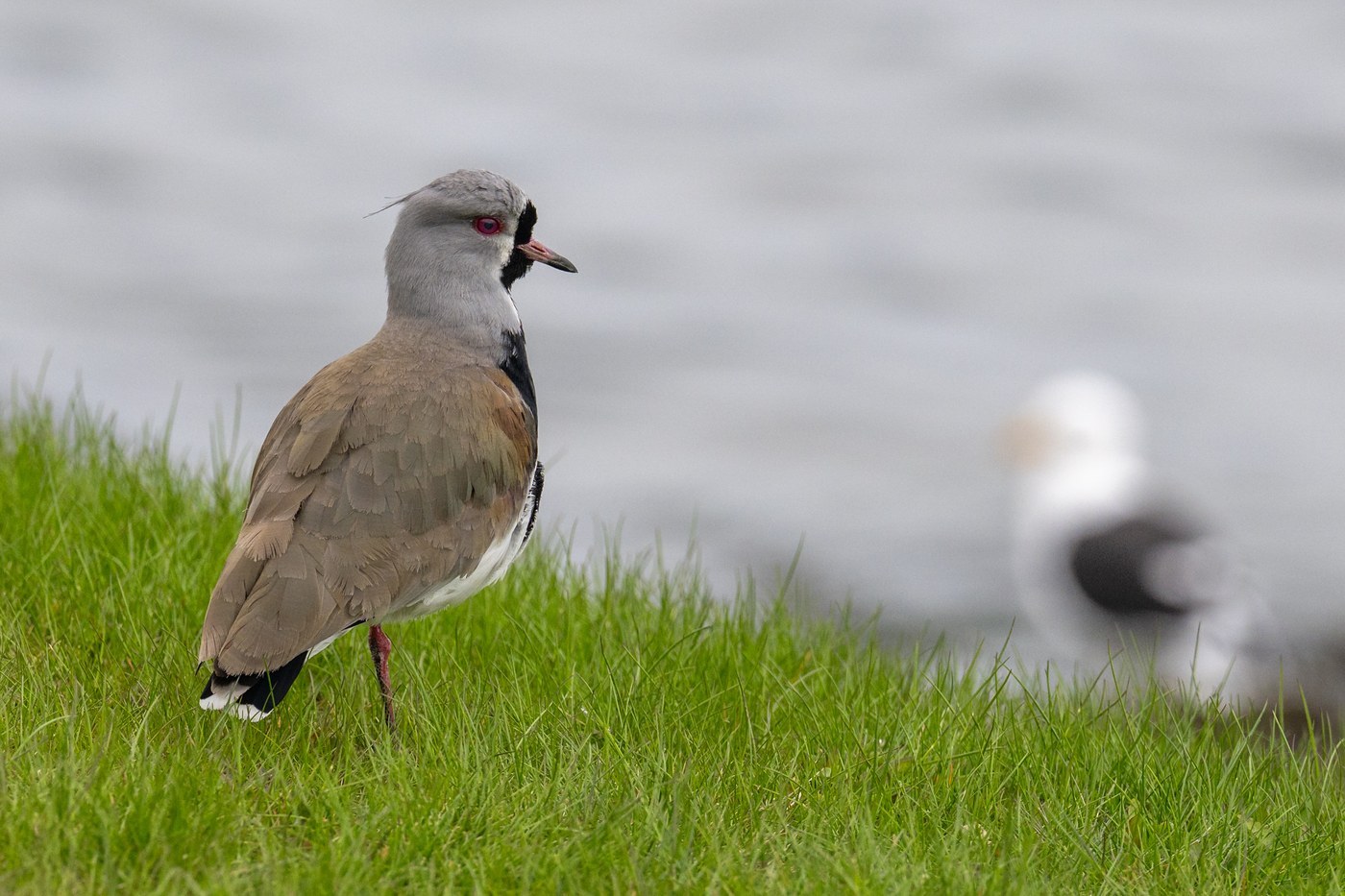
Southern Lapwing
Body, flight, and tail feathers

Jack Snipe
Body and flight feathers

Far Eastern Curlew
Body, flight, and tail feathers

Terek Sandpiper
Body and flight feathers

Wilson's Phalarope
Body and flight feathers
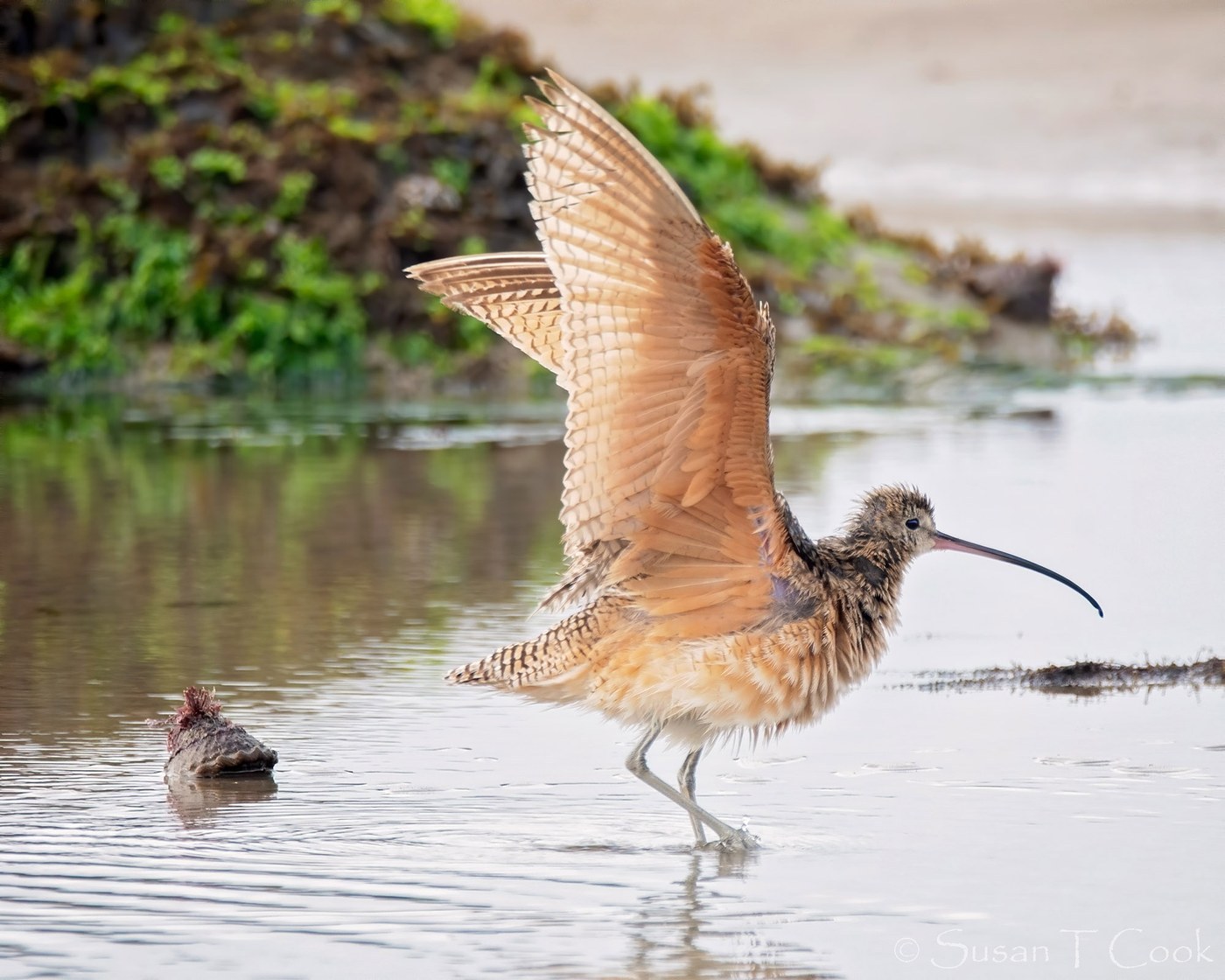
Long-billed Curlew
Body, flight, and tail feathers

Upland Sandpiper
Body, flight, and tail feathers

Red Phalarope
Body and flight feathers
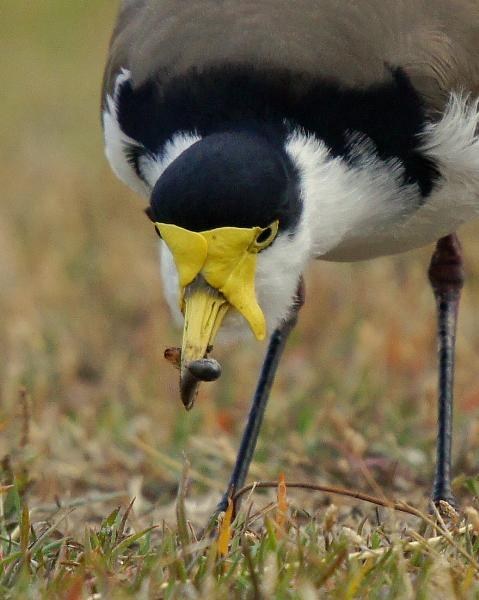
Masked Lapwing
Body, flight, and tail feathers
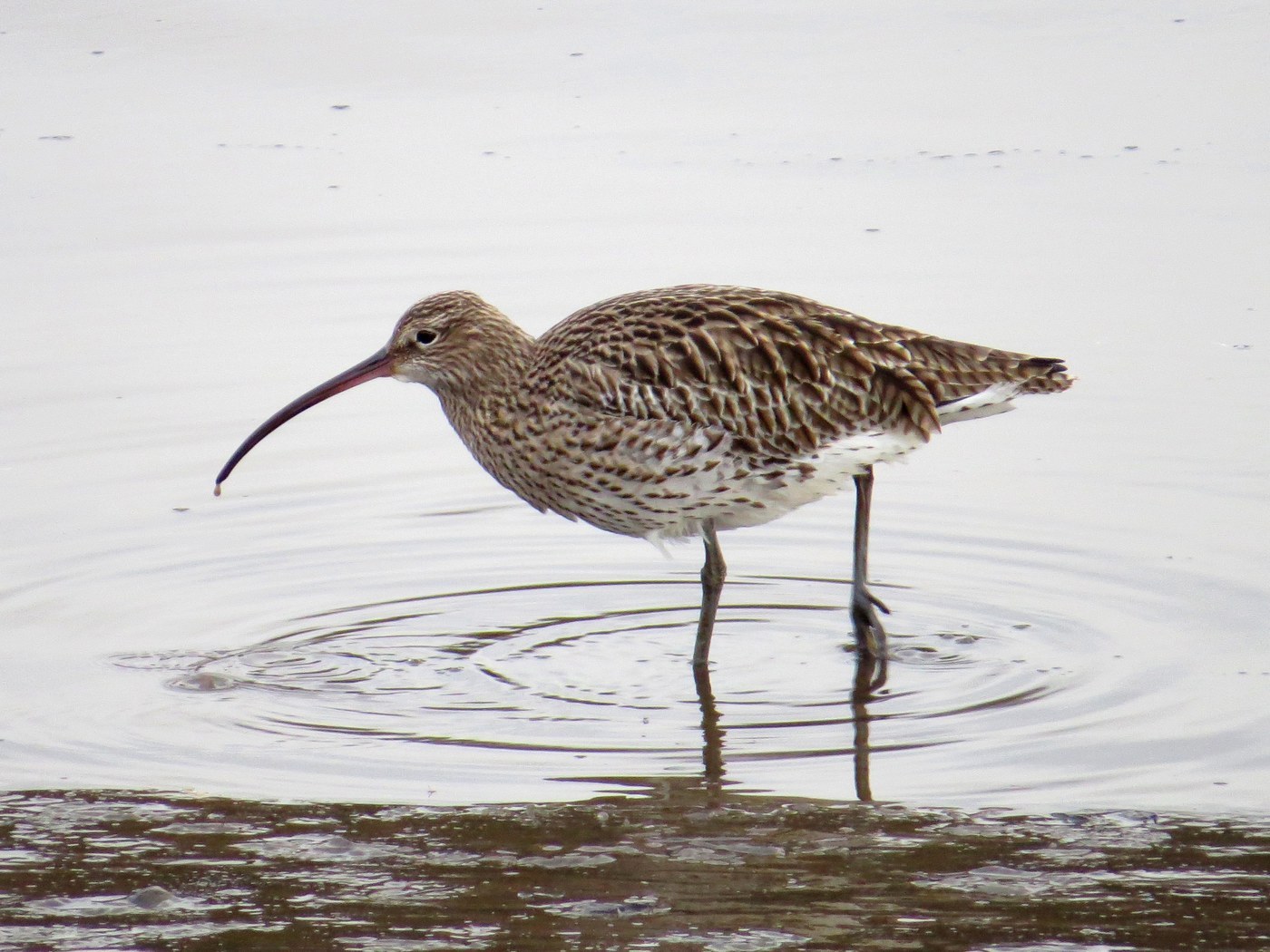
Eurasian Curlew
Body, flight, and tail feathers
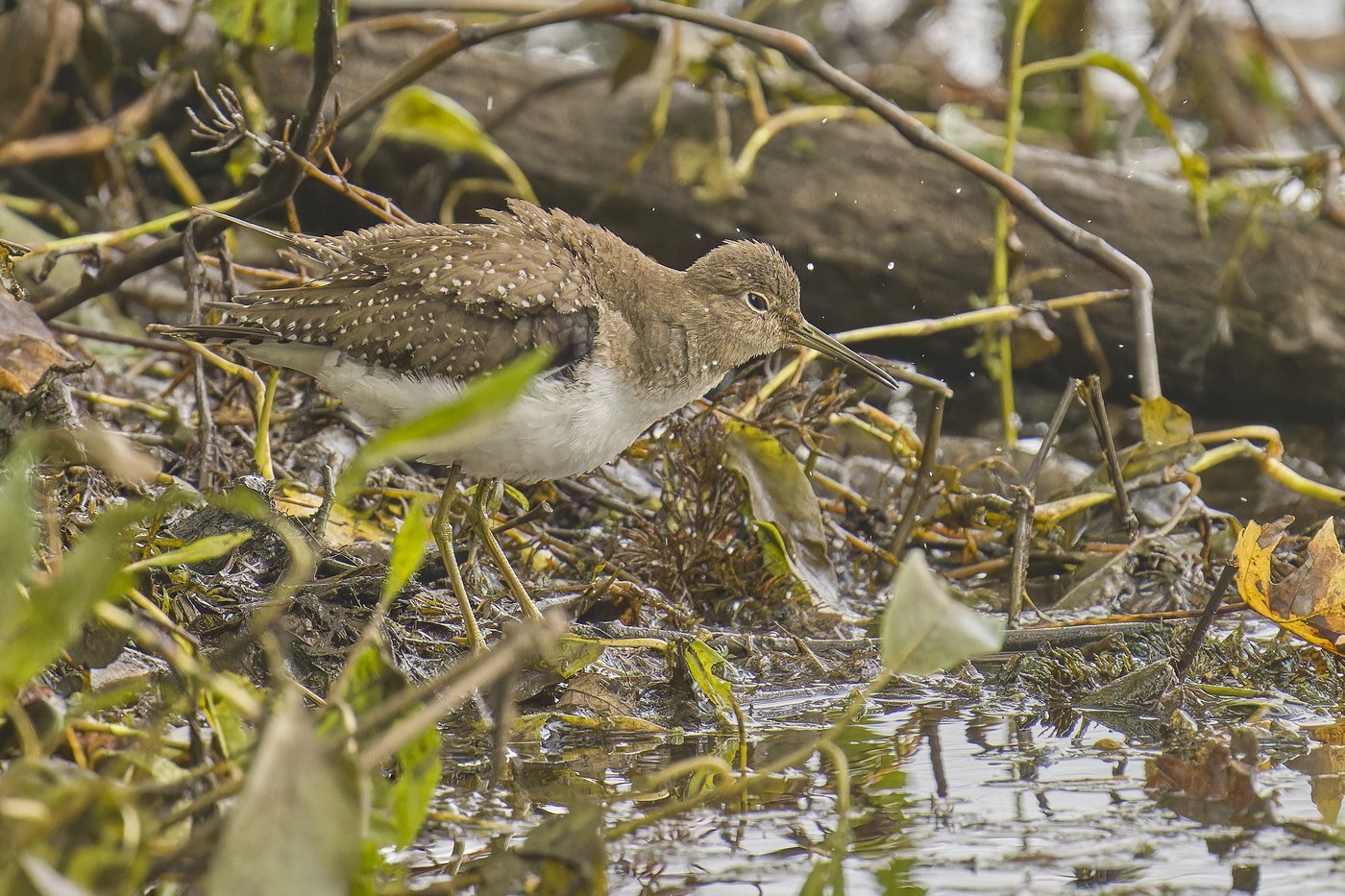
Solitary Sandpiper
Contour and flight feathers

Piping Plover
Small, pale, compact body feathers and short flight feathers typical of a beach-nesting plover