

Eurasian Eagle-Owl
Bubo bubo
One of the largest owls in the world, with massive size, prominent ear tufts, and richly patterned tawny-brown plumage streaked and barred in dark brown across most of Europe and Asia.
- Feather type
- Very large flight feathers; long ear-tuft feathers; densely mottled body feathers
- Colours
- Tawny-buff to rufous with dark streaking and fine barring
- Bird size
- Very large, ~58-75 cm
Found a feather like this?
Identify any feather from a photo, free.
Overview
The Eurasian Eagle-Owl is among the largest owl species anywhere, found across a huge range spanning Europe, North Africa's fringes, and much of Asia. It favors rugged terrain such as cliffs, quarries, and rocky gorges, though it also occupies forests and open country.
Its massive size, bright orange eyes, and long feather ear tufts make it unmistakable where it occurs, and it has few natural predators as an adult.
Feathers are large and richly patterned with dark streaking over a tawny-rufous ground, giving strong camouflage against rock and bark backgrounds.
Identifying the Feather
Recognizing the feathers
- Flight feathers are exceptionally large and broad even by owl standards, with soft fringed edges for quiet flight, reflecting the species' large body size.
- Body feathers show a tawny to rufous-buff ground color marked with bold dark streaking on the breast and finer barring on the belly and flanks.
- Ear-tuft feathers are long and prominent, among the most conspicuous of any owl.
- Facial disc feathers are buffy-orange, framing large orange eyes.
Similar species
- Similar in general pattern to the Great Horned Owl but notably larger in every feather dimension, with a warmer, more rufous-tawny ground tone rather than the greyer brown of Great Horned Owl.
Plumage & Molt
Plumage
Adults show a tawny-buff to rufous ground color with bold blackish streaking on the upper breast, transitioning to finer dark barring on the lower underparts and flanks. Upperparts are mottled brown and buff for camouflage against rock and bark.
Sexes are similar in pattern, with females larger. Juveniles are downier and paler with less defined streaking, gradually acquiring adult plumage.
Molt occurs gradually over the warmer months, with flight feathers replaced in sequence so the bird remains capable of flight throughout.
Habitat & Range
Habitat & range
Widespread across continental Europe, parts of North Africa's margins, and across much of Asia into the Russian Far East, occupying cliffs, gorges, forests, steppe, and semi-desert.
It is largely resident, defending permanent territories year-round, though some northern or high-altitude populations may shift locally in harsh winters.
Behavior & Field Notes
Behavior & field notes
A powerful nocturnal predator capable of taking prey up to the size of small deer fawns or other raptors, though it more typically hunts mammals and birds of moderate size.
Its deep, far-carrying hooting call is used in territorial and pair-bonding displays, often given from a prominent rock or cliff perch.
Nests are typically simple scrapes on cliff ledges or in caves. A very large, tawny-rufous body or flight feather with bold dark streaking found near rocky terrain is consistent with this species.
Frequently asked questions
How large are this owl's feathers compared to other owls?
Among the largest of any owl species, reflecting its status as one of the biggest owls in the world.
What habitat is most likely to yield this owl's feathers?
Rocky cliffs, gorges, and quarries are favored, though feathers can also occur in forest and open country across its huge range.
How does its plumage differ from the Great Horned Owl's?
It is generally warmer and more rufous-tawny in tone, and considerably larger in overall size.
Does this species migrate?
No, it is largely resident, holding permanent territories year-round.
Eurasian Eagle-Owl guides
In-depth guides for identifying and understanding Eurasian Eagle-Owl.

Eurasian Eagle-Owl identified by the community
Real feathers identified with Feather Identifier.


Other feathers you may enjoy

Tawny Owl
Wing (flight) and body (contour) feathers
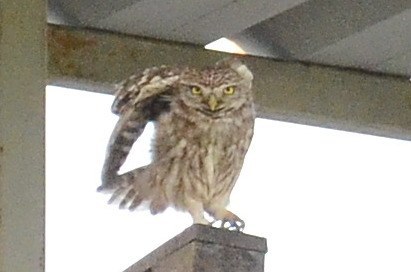
Little Owl
Wing and body feathers

Balsas Screech-Owl
Small ear-tuft feathers; soft, finely vermiculated body feathers

Blakiston's Fish Owl
Massive flight feathers with looser structure; shaggy body plumage; prominent ear-tuft feathers

Barn Owl
Wing and facial-disc feathers
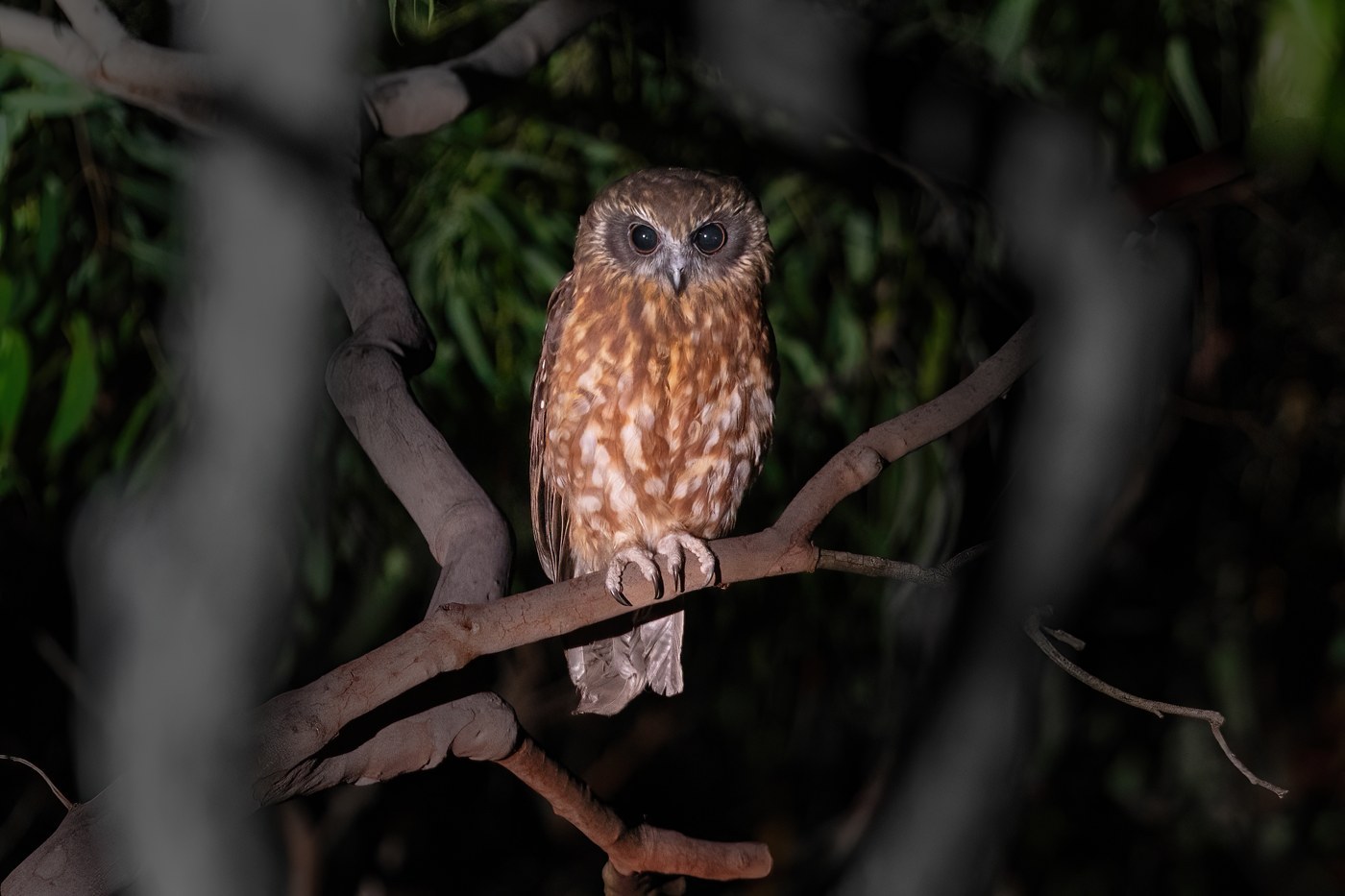
Southern Boobook
Rounded flight feathers; banded tail; spotted body plumage

Sooty Owl
Broad soft-edged flight feathers; heart-shaped facial disc feathers; finely speckled body plumage

Short-eared Owl
Broad soft-fringed flight feathers; streaked body feathers; tiny, rarely visible ear tufts

Stygian Owl
Dark, mottled flight and body feathers with long, closely-set ear tufts
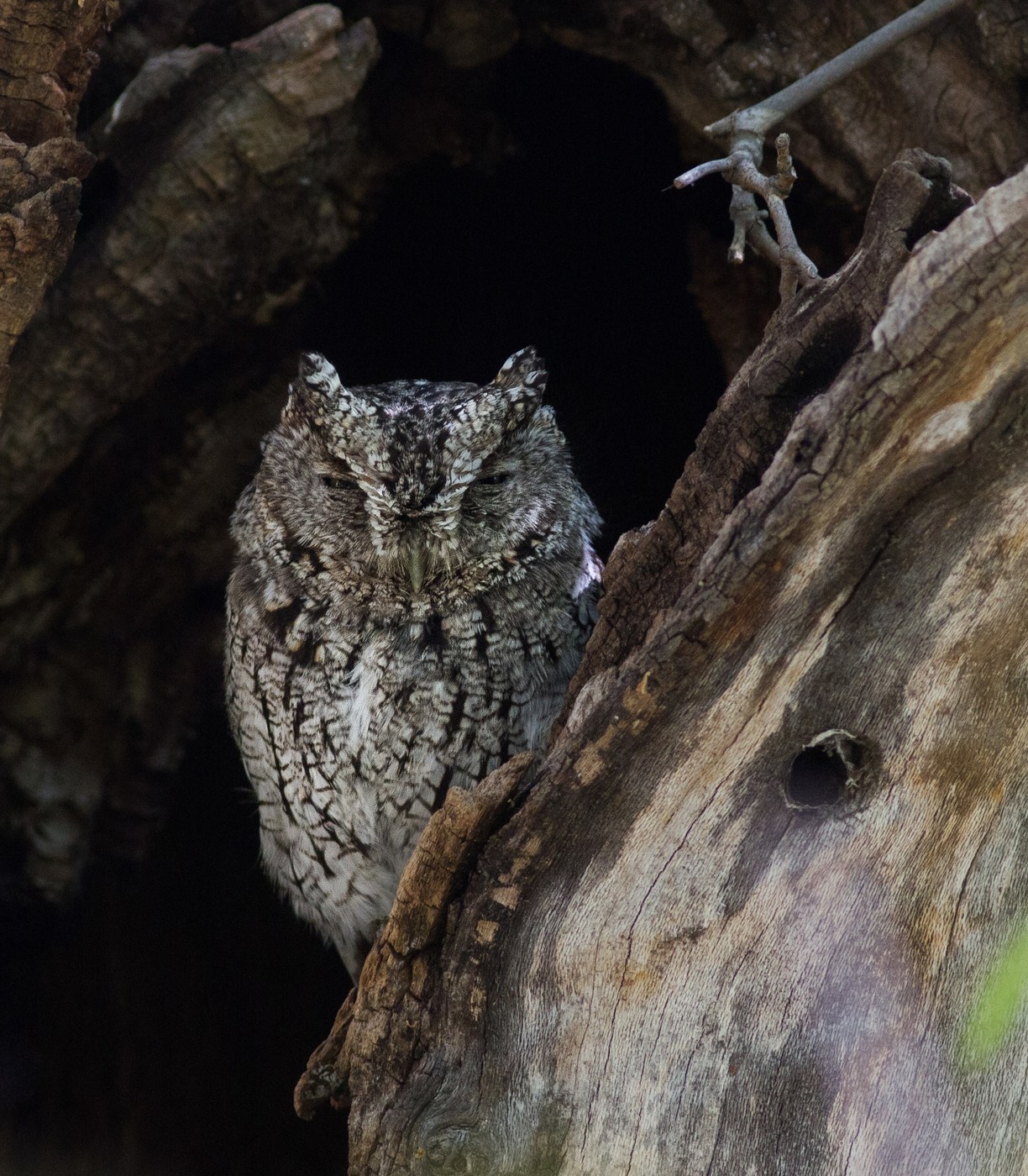
Whiskered Screech-Owl
Small soft-fringed flight feathers; finely mottled body feathers; short ear tufts
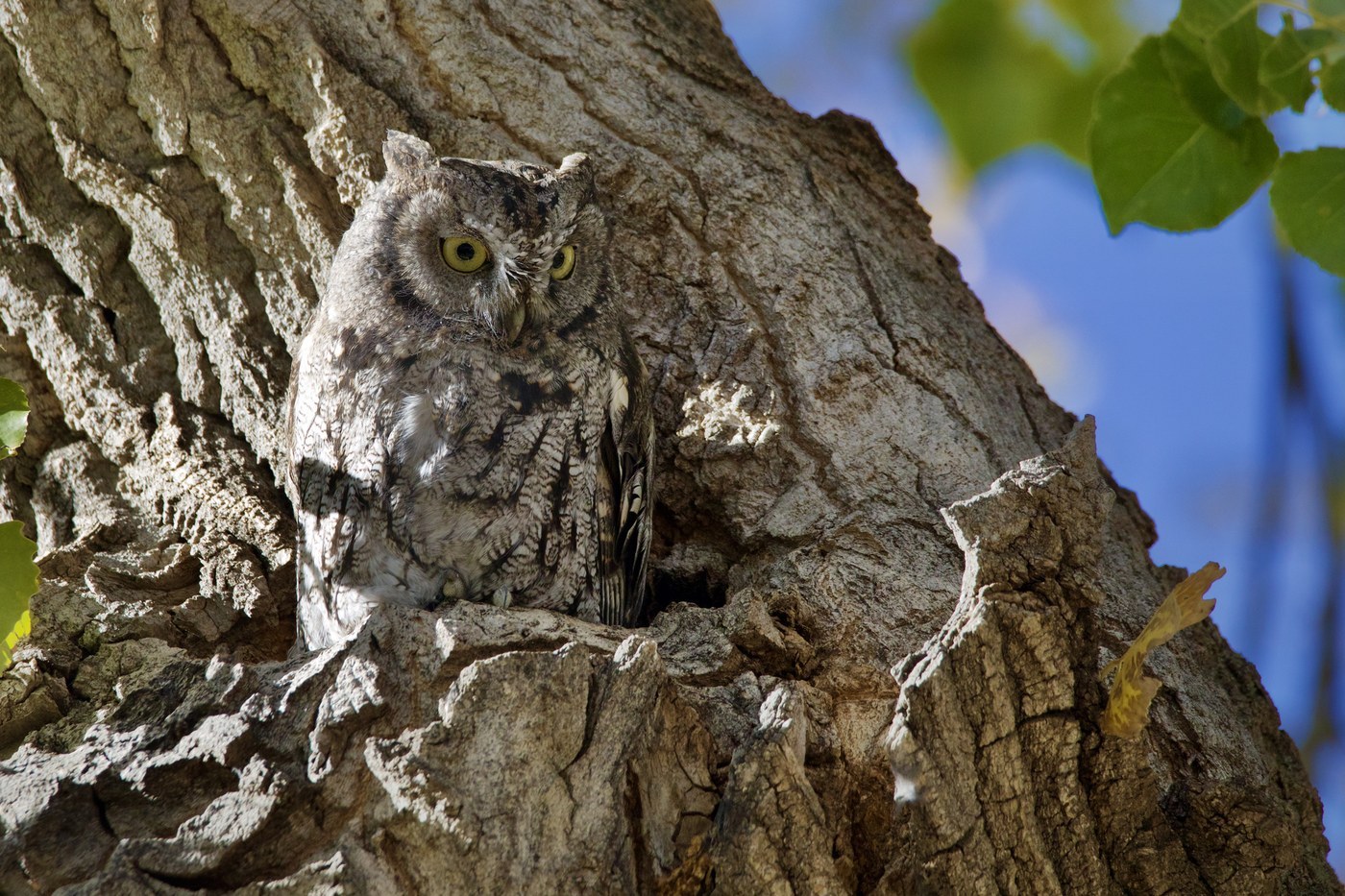
Western Screech-Owl
Small soft-fringed flight feathers; cryptic mottled/streaked body feathers; short ear tufts

White-faced Scops Owl
Small to medium flight feathers with a distinctive whitish facial disc and long ear-tuft plumes