

European Golden Plover
Pluvialis apricaria
The Old World golden plover of moorland and tundra, showing bold gold-spangled upperparts and, in northern breeders, black underparts bordered by a white band.
- Feather type
- Densely spangled body feathers in breeding plumage; plainer mottled feathers in non-breeding plumage
- Colours
- Gold-and-black spangled upperparts with black face and underparts (northern breeders) bordered by a white band; paler golden-brown mottling in non-breeding plumage
- Bird size
- Medium shorebird, ~26-29 cm
Found a feather like this?
Identify any feather from a photo, free.
Overview
The European Golden Plover is the Old World representative of the golden-plover group, breeding on northern moorland, heath, and Arctic tundra across parts of Europe and western Russia. It shows the characteristic golden-spangled upperpart pattern shared with its American and Pacific counterparts, though it is generally a somewhat stockier, larger-bodied bird.
Breeding plumage varies geographically: birds from more northern and Arctic populations tend to show extensively black faces and underparts bordered by a bold white band, while birds from more southern breeding populations often show paler, less extensively black underparts. Non-breeding plumage across the range is a soft golden-brown mottled pattern, less boldly marked than the breeding plumage.
A densely gold-spangled feather from a stocky, medium-large plover, found on European moorland, farmland, or coastal mudflats, is a good indicator of this species within its Old World range.
Identifying the Feather
Shape and Size
Body feathers are somewhat larger and the overall build stockier than the American or Pacific Golden-Plover, with broad, moderately long flight feathers.
Color and Pattern
- Upperpart feathers show dense gold-and-black spangling, similar in pattern to related golden-plovers but on a slightly larger feather.
- Breeding underparts vary by population: more northern breeders show extensively black face and underparts bordered by a white band, while southern breeders show paler, less black underparts.
- Non-breeding feathers show soft golden-brown mottling above and paler, lightly marked underparts.
- Flight feathers are dark brownish-gray with a faint wing stripe.
Shaft and Vane
Shafts are dark on upperpart feathers, with golden spangling formed by pale notching along the feather edges.
Distinguishing from Similar Species
Compared to Black-bellied Plover, European Golden Plover shows golden rather than white-and-black spangled upperparts and lacks black axillary feathers in the underwing. Compared to American and Pacific Golden-Plover, European Golden Plover is generally larger and stockier, though the three species overlap little in range, making geography the most practical distinguishing tool.
Plumage & Molt
Breeding adults show densely gold-and-black spangled upperparts, with underparts ranging from extensively black bordered by a white band in northern populations to paler and less black in more southern breeders. Non-breeding adults and juveniles show softer golden-brown mottled upperparts and pale, lightly marked underparts. Sexes are similar, though males of northern populations often show more extensive black. Molt follows breeding, with a complete post-breeding molt and a partial pre-breeding molt restoring bold plumage before the next nesting season.
Habitat & Range
The European Golden Plover breeds on northern moorland, heath, and Arctic tundra across the British Isles, Scandinavia, and western Russia, wintering on farmland, grassland, and coastal mudflats across much of western and southern Europe and into North Africa. Northern and Arctic-breeding populations are fully migratory, while some populations breeding at lower latitudes make shorter movements.
Behavior & Field Notes
This species forages on open ground, taking insects and other invertebrates from moorland, farmland, and grassland using a characteristic run-stop-peck technique. It is highly gregarious outside the breeding season, often forming large flocks on farmland and coastal mudflats, sometimes mixing with Northern Lapwings. Its call is a clear, plaintive whistled note. Nests are shallow scrapes on open moorland or tundra. For feather finders, a densely gold-spangled feather from a stocky, medium-large plover found on European moorland, farmland, or coastal mudflats is a good indicator of this species.
Frequently asked questions
Does breeding plumage vary within this species?
Yes, more northern and Arctic-breeding populations show extensively black faces and underparts bordered by a white band, while southern breeding populations show paler, less black underparts.
How does this species differ from Black-bellied Plover?
European Golden Plover shows golden rather than white-and-black spangled upperparts and lacks the black axillary feathers seen in Black-bellied Plover's underwing.
Does it flock with other shorebirds?
Yes, it is highly gregarious outside the breeding season and often forms large mixed flocks with Northern Lapwings on farmland.
Where does this species breed?
On northern moorland, heath, and Arctic tundra across the British Isles, Scandinavia, and western Russia.
European Golden Plover guides
In-depth guides for identifying and understanding European Golden Plover.

European Golden Plover identified by the community
Real feathers identified with Feather Identifier.

Other feathers you may enjoy
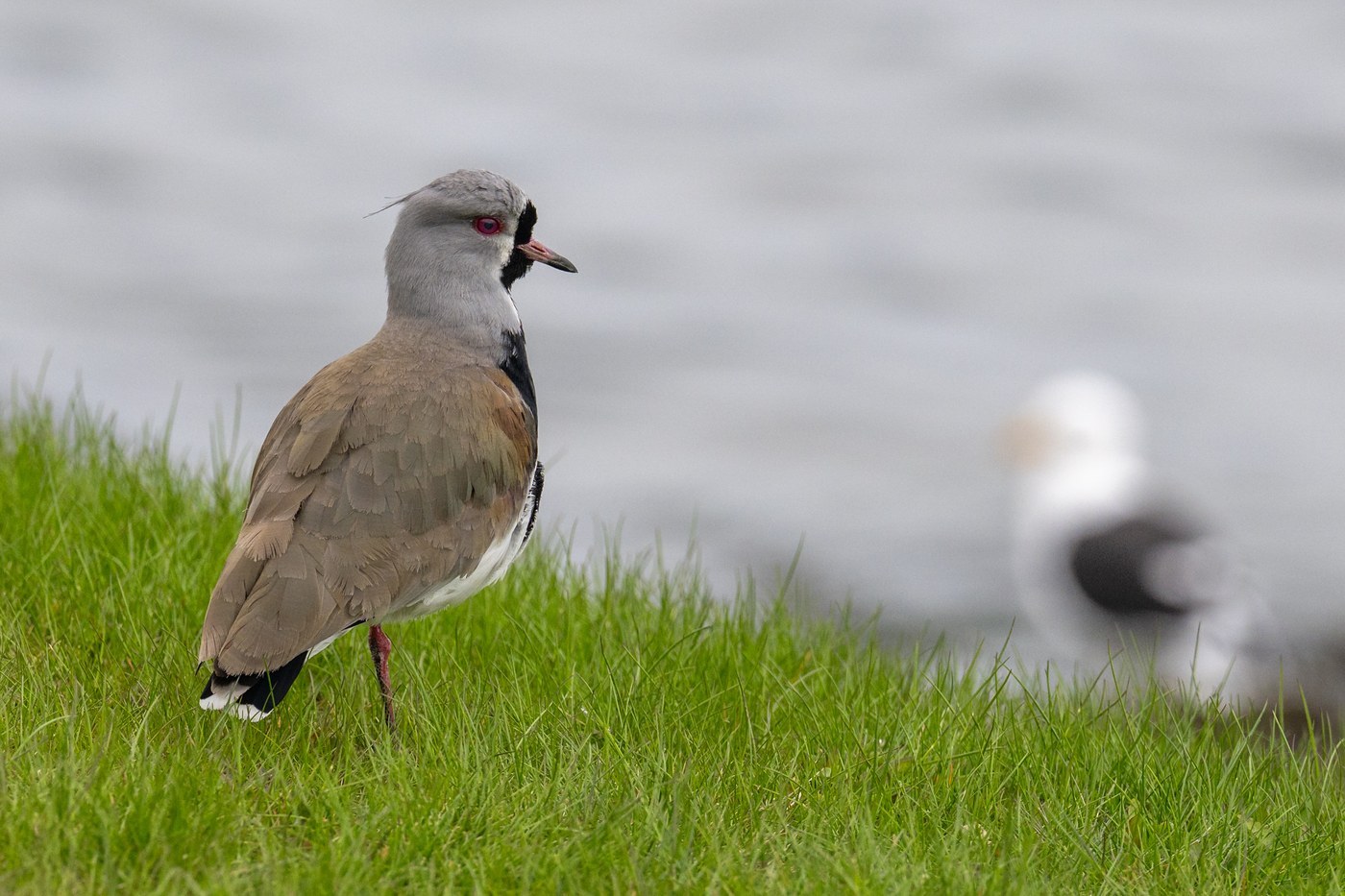
Southern Lapwing
Body, flight, and tail feathers

Jack Snipe
Body and flight feathers

Far Eastern Curlew
Body, flight, and tail feathers

Terek Sandpiper
Body and flight feathers

Wilson's Phalarope
Body and flight feathers
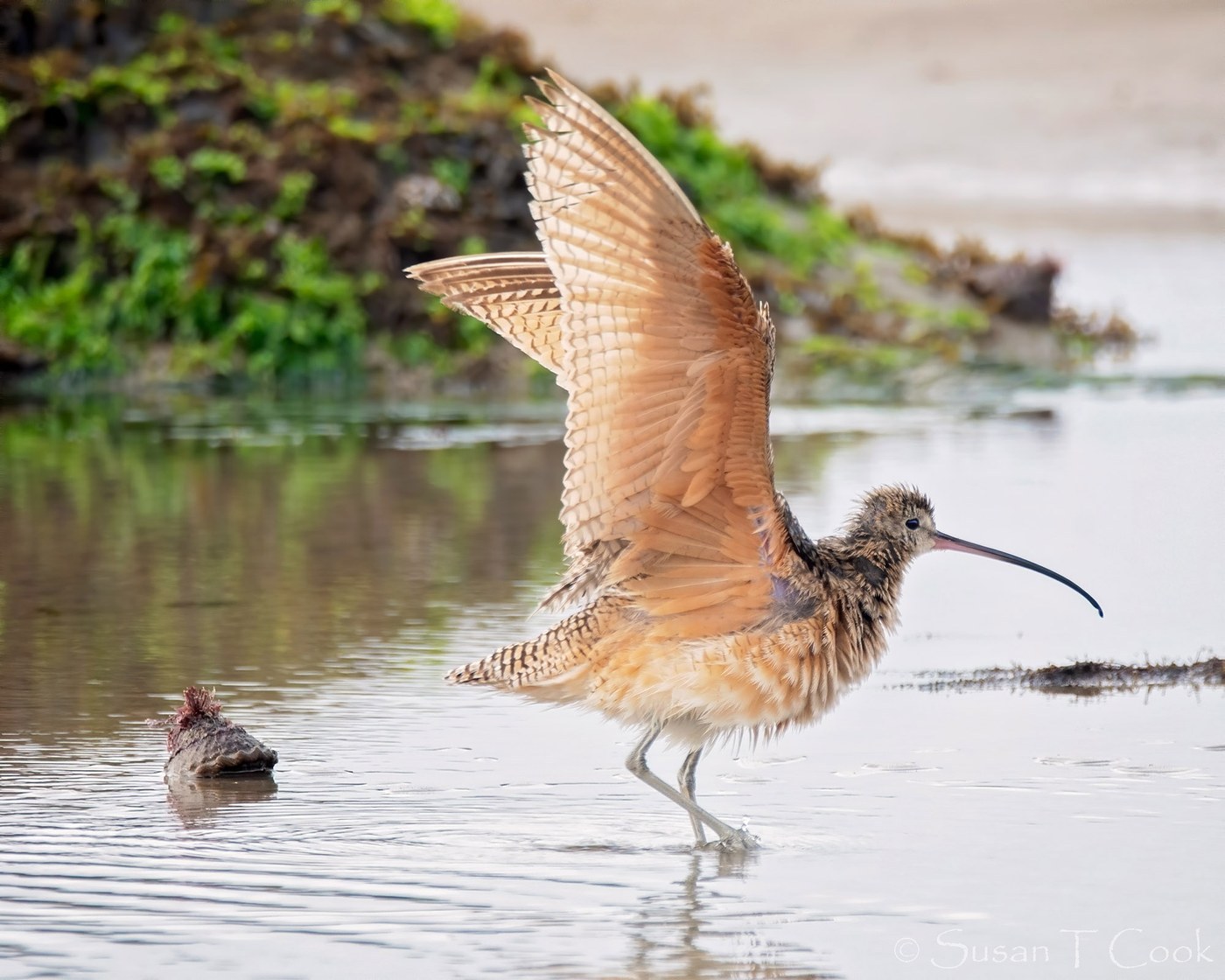
Long-billed Curlew
Body, flight, and tail feathers

Upland Sandpiper
Body, flight, and tail feathers

Red Phalarope
Body and flight feathers

Eurasian Dotterel
Body feathers
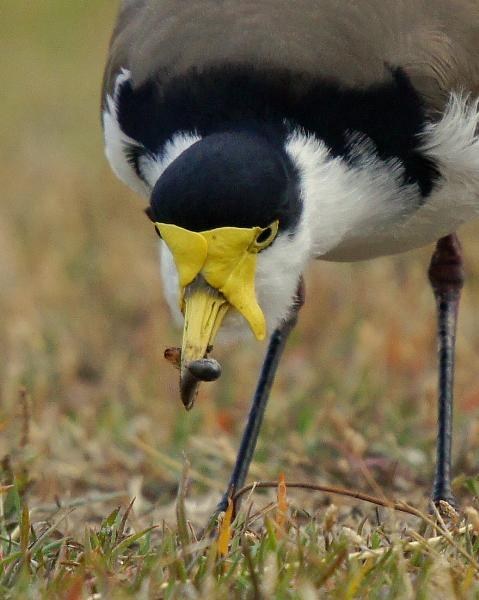
Masked Lapwing
Body, flight, and tail feathers
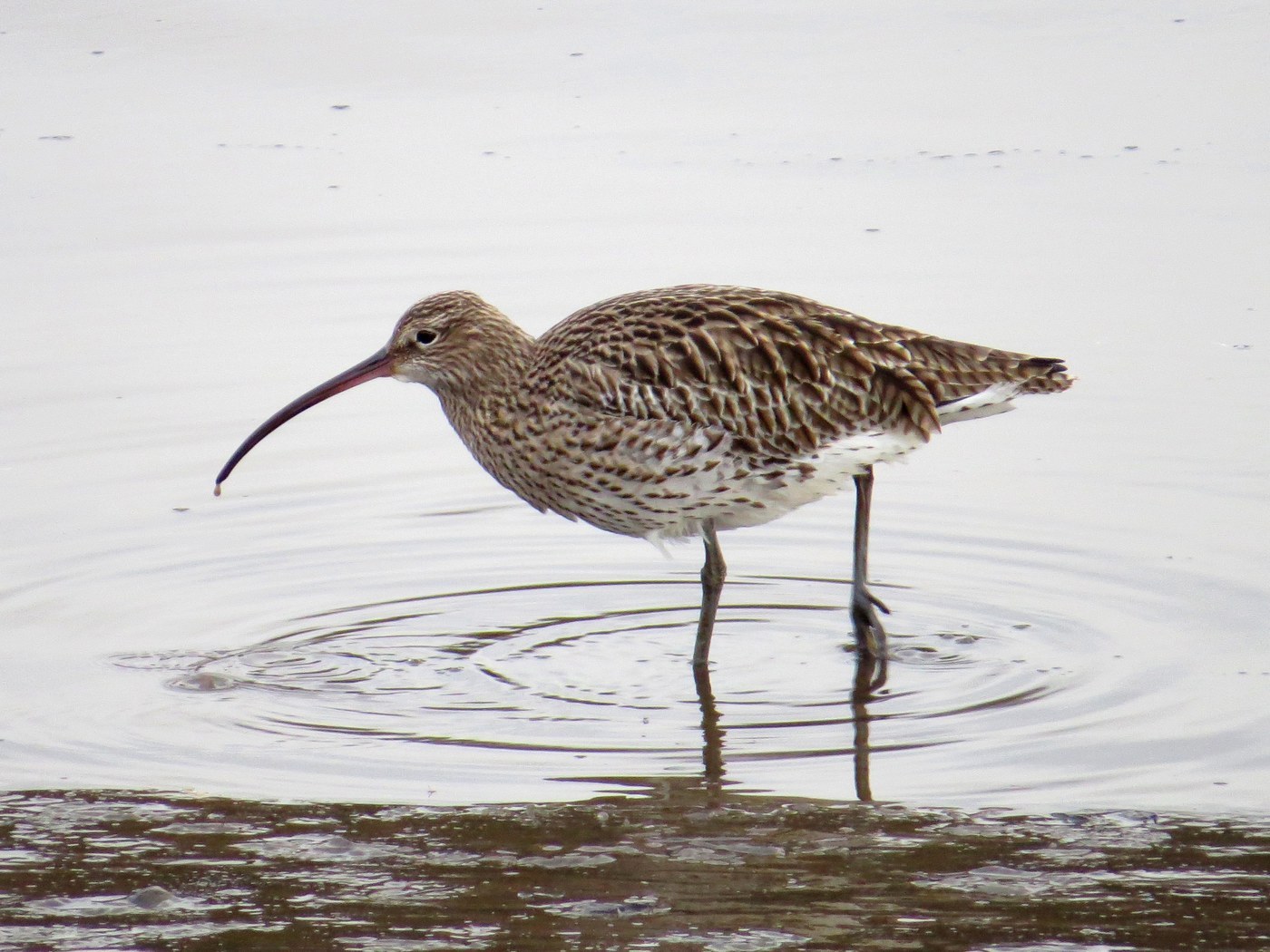
Eurasian Curlew
Body, flight, and tail feathers
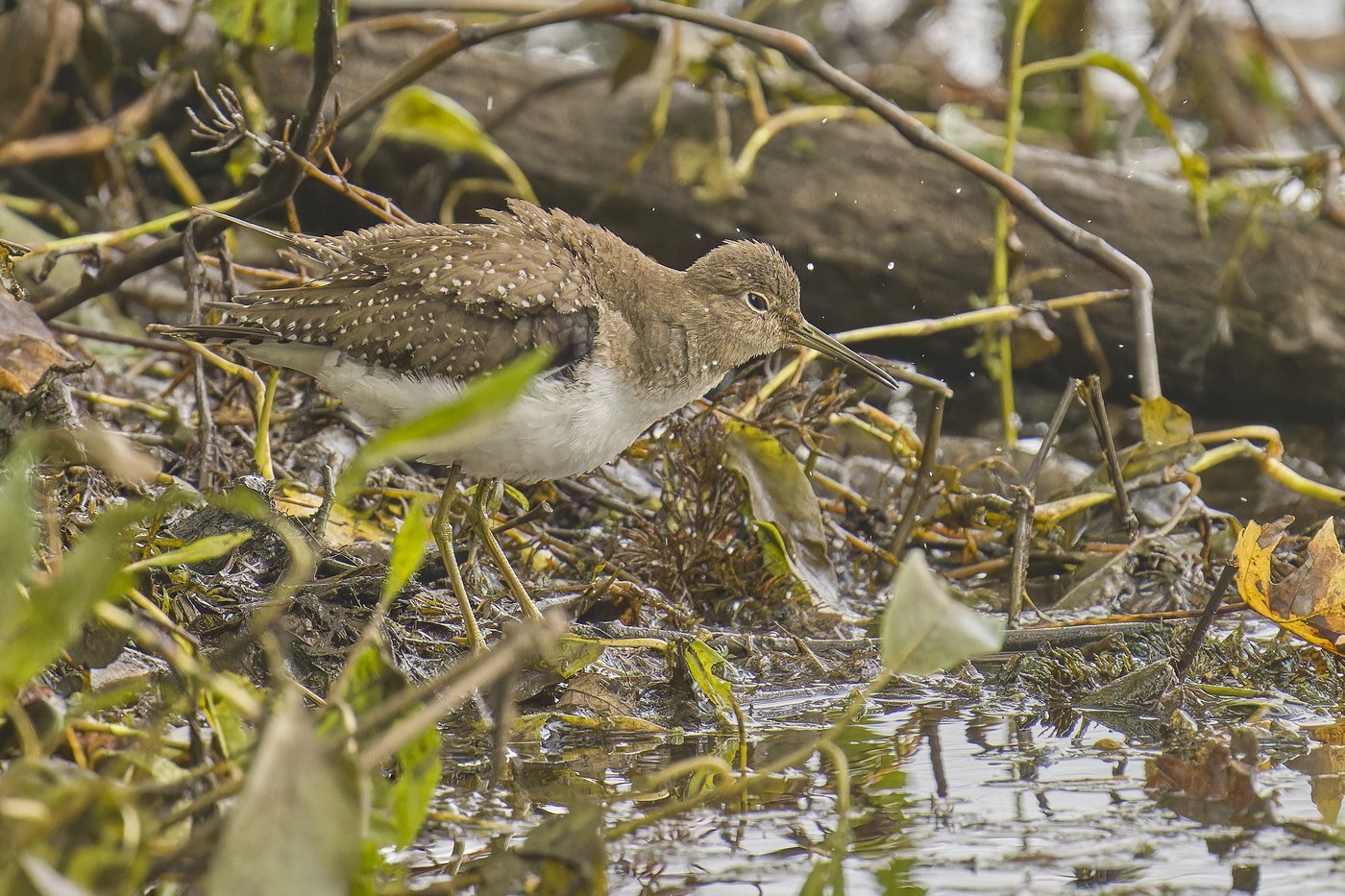
Solitary Sandpiper
Contour and flight feathers