
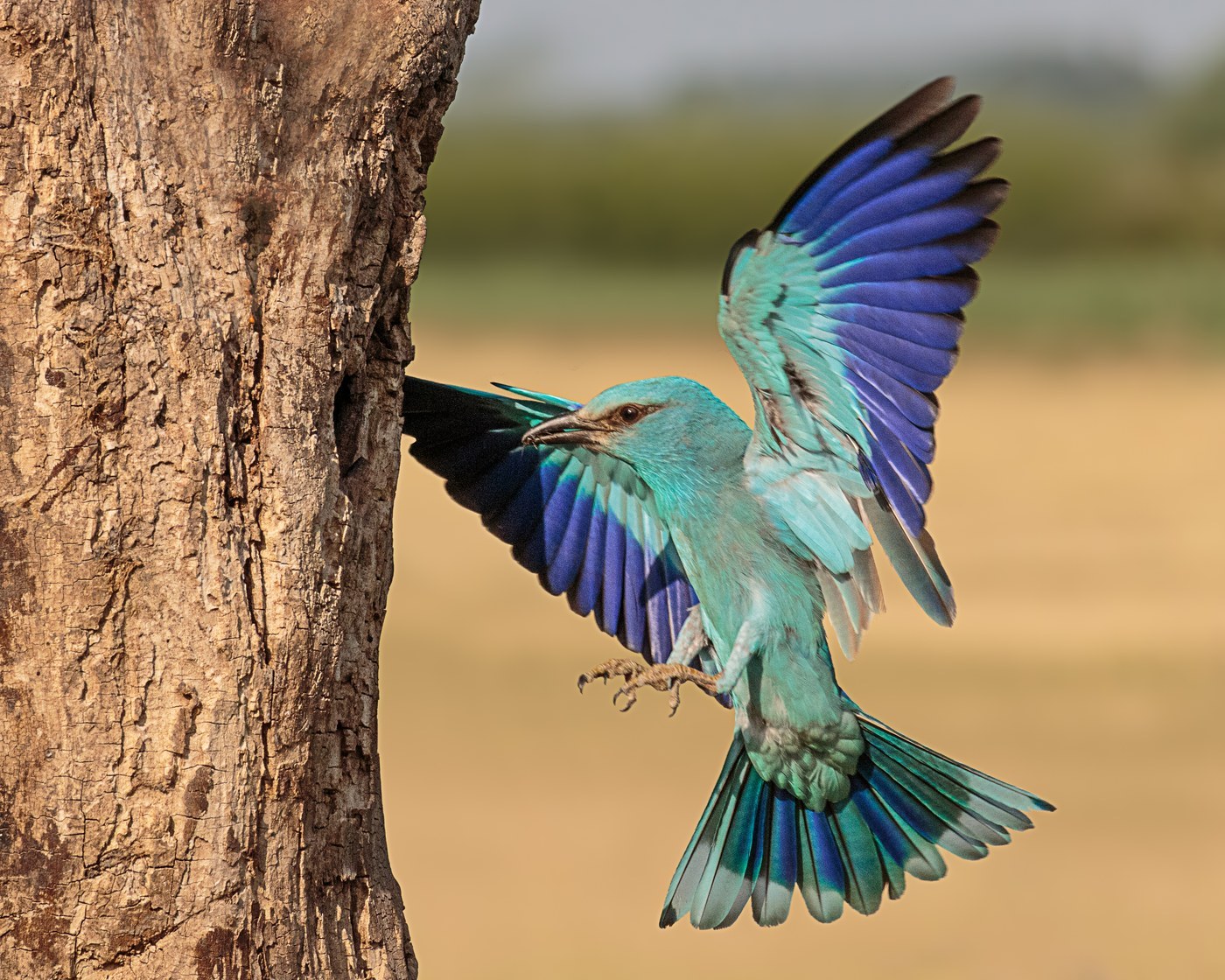
European Roller
Coracias garrulus
A vividly blue bird of open country, named for its acrobatic tumbling display flights during the breeding season.
- Feather type
- Broad contour feathers; long pointed wings
- Colours
- Turquoise-blue body, chestnut-brown back, blackish flight feathers
- Bird size
- Robin-to-jay-sized, ~30-32 cm
Found a feather like this?
Identify any feather from a photo, free.
Overview
Overview
The European Roller breeds across parts of southern and eastern Europe, western Asia, and North Africa, wintering in sub-Saharan Africa. Its name comes from the spectacular rolling and diving display flights performed during courtship.
- Breeding range has contracted in parts of western Europe
- Long-distance migrant to sub-Saharan Africa
- Named for its tumbling aerial courtship display
Identifying the Feather
Feather Identification
European Roller feathers show a vivid combination of blue and chestnut.
- Body: bright turquoise-blue feathers covering the head, throat, and underparts
- Back: rich chestnut-brown, contrasting with the blue body
- Flight feathers: blackish, contrasting sharply with paler blue wing coverts in flight
- Tail: blue with a squared tip
The combination of blue body with a chestnut back distinguishes this species from all-blue kingfishers and from other rollers with different back colors.
Plumage & Molt
Plumage Details
Sexes look similar, both showing the turquoise body and chestnut back, though females can appear slightly duller. Juveniles are duller overall with a browner wash and less vivid blue tones. A complete molt occurs on the African wintering grounds, refreshing plumage before the return migration.
Habitat & Range
Habitat & Range
Breeds in open woodland, farmland, and steppe habitat across parts of southern and eastern Europe, western Asia, and North Africa, migrating to sub-Saharan Africa for the winter. It favors areas with scattered trees for nesting and open ground for foraging.
Behavior & Field Notes
Behavior & Field Notes
European Rollers hunt insects and small vertebrates from an exposed perch, dropping to the ground to seize prey. They are named for their tumbling, acrobatic courtship flight display involving steep dives and rolls. They nest in tree cavities or old woodpecker holes. Their call is a harsh, crow-like note given in flight or from a perch. The blue body contrasted with a chestnut back is the clearest field mark for identification.
Frequently asked questions
Why is this bird called a 'roller'?
It performs a distinctive tumbling, rolling display flight during courtship, which gives the roller family its name.
How can you distinguish the European Roller from a kingfisher?
Its chestnut back contrasting with a blue body separates it from the more uniformly blue plumage typical of many kingfishers.
Where does the European Roller spend the winter?
It migrates to sub-Saharan Africa outside the European and western Asian breeding season.
Where does this species nest?
In tree cavities or old woodpecker holes within open woodland and farmland habitat.
European Roller guides
In-depth guides for identifying and understanding European Roller.
Other feathers you may enjoy

Common Cuckoo
Flight and body feathers
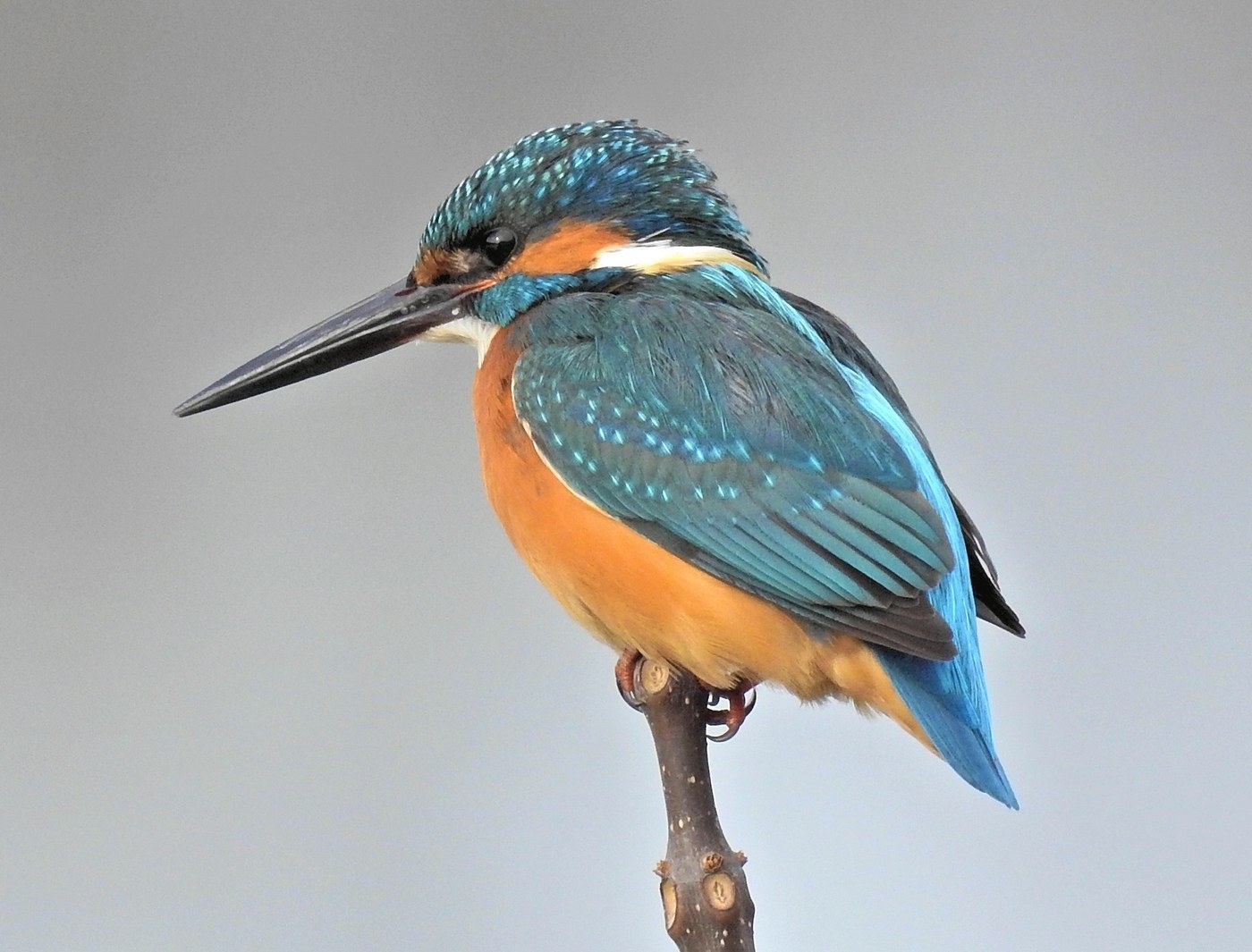
Common Kingfisher
Body (contour) and wing feathers

White-throated Toucan
Short rounded contour feathers, short broad wings

White-throated Kingfisher
Dense contour feathers; broad rounded wings

White-throated Bee-eater
Sleek, aerodynamic contour feathers; elongated central tail streamers
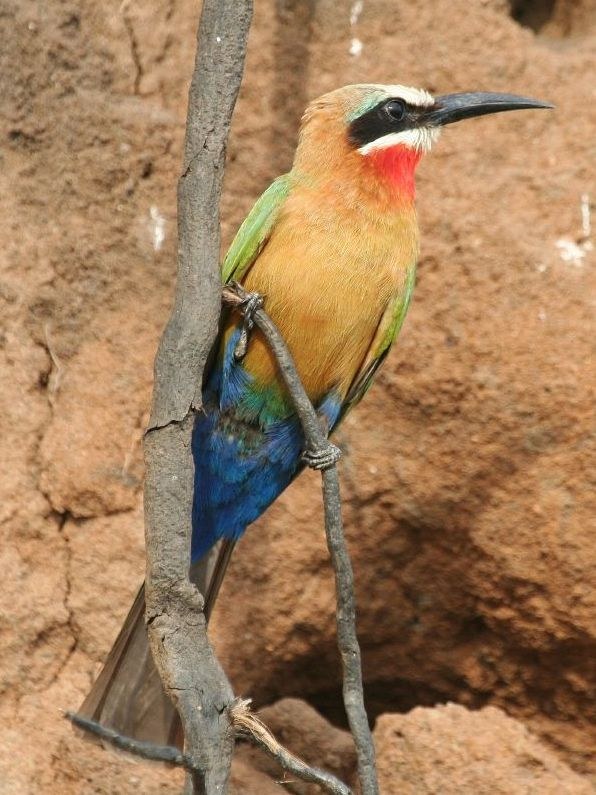
White-fronted Bee-eater
Sleek contour feathers; short tail with slight point

Southern Yellow-billed Hornbill
Slender contour feathers, moderate flight feathers
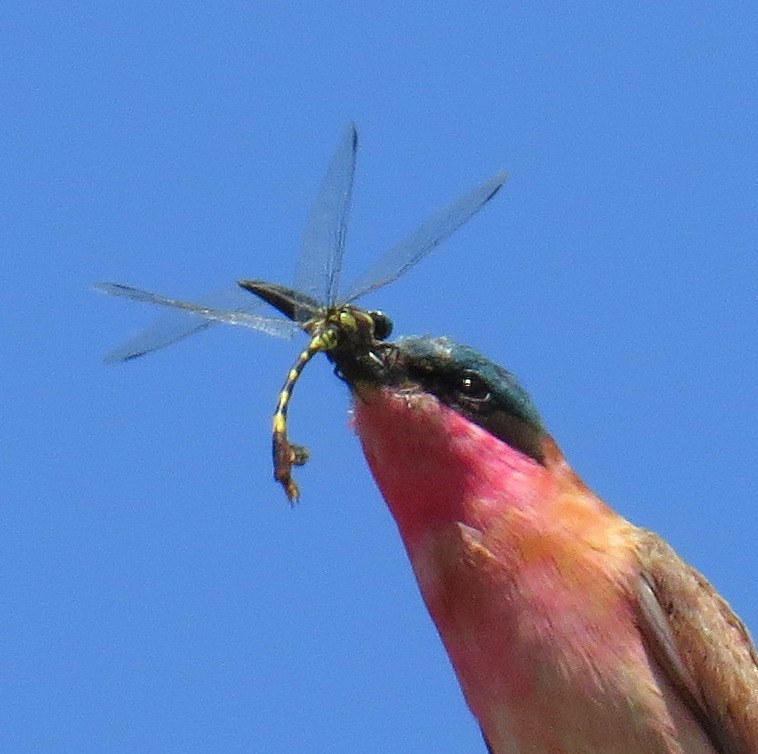
Southern Carmine Bee-eater
Sleek, pointed contour feathers; elongated central tail streamers

Southern Brown Kiwi
Shaggy, hair-like plumage with loose barbs lacking barbules; flightless, vestigial wings hidden beneath body feathers

Somali Ostrich
Loose, soft plumes lacking interlocking barbules

Wreathed Hornbill
Dense contour feathers, broad flight feathers

Woodland Kingfisher
Firm contour feathers; broad wing feathers