

Far Eastern Curlew
Numenius madagascariensis
The largest curlew species in the world, the Far Eastern Curlew is a dark, heavily streaked shorebird with an exceptionally long bill, dependent on East Asian-Australasian tidal mudflats for its migration.
- Feather type
- Body, flight, and tail feathers
- Colours
- Uniform dark brown streaking with rufous-buff wash, no pale rump
- Bird size
- Very large shorebird, ~60-66 cm
Found a feather like this?
Identify any feather from a photo, free.
Overview
The Far Eastern Curlew is the largest of all curlew species, breeding in remote boggy meadows of eastern Russia and northeastern China before migrating along the East Asian-Australasian Flyway to nonbreeding grounds on the mudflats of Australia and Southeast Asia. Its uniformly dark, heavily streaked plumage and lack of a contrasting pale rump distinguish it from the similar Eurasian Curlew.
Identifying the Feather
Feathers show dense dark brown streaking over a rufous-buff to grayish-brown ground color, appearing darker and less contrastingly patterned than Eurasian Curlew. Critically, the rump and lower back feathers are the same dark brown streaked color as the rest of the upperparts, lacking the pale whitish wedge seen in Eurasian Curlew, a key distinguishing feature for feather identification. Underwing coverts are heavily barred dark brown rather than plain whitish, giving a darker appearance overall. Flight feathers are dark brown with narrow pale edges. The bill is proportionately the longest of any curlew, often strongly downcurved at the tip.
Plumage & Molt
Sexes look similar, with females larger and longer-billed than males. Juveniles resemble adults but show slightly buffier fringing on wing coverts. Seasonal variation is subtle, mostly reflecting feather wear rather than distinct breeding and nonbreeding plumages. The complete molt occurs primarily on nonbreeding mudflat grounds, with flight feather replacement extending over several months and sometimes suspended during northward migration.
Habitat & Range
Breeds in remote boggy meadows and open taiga wetlands of far eastern Russia and northeastern China. It undertakes one of the longest shorebird migrations, moving along the East Asian-Australasian Flyway with critical stopover sites on the tidal mudflats of the Yellow Sea, before wintering on estuaries, tidal mudflats, and mangrove-fringed coasts across Australia, New Guinea, and Southeast Asia.
Behavior & Field Notes
Far Eastern Curlews forage on exposed tidal mudflats, probing deeply with their extremely long bill for burrowing crabs and other invertebrates, often working the intertidal zone as the tide recedes and retreating to high-tide roosts in large flocks. Nests are shallow ground scrapes on remote wetland tundra, with both parents involved in incubation. Its call is a loud, far-carrying whistle similar to other curlews but generally deeper.
Frequently asked questions
How can I distinguish a Far Eastern Curlew feather from a Eurasian Curlew feather?
The key difference is the rump: Far Eastern Curlew lacks a pale whitish rump patch, showing the same dark streaked brown coloring there as on the rest of the back, whereas Eurasian Curlew shows a contrasting pale rump wedge.
Is the Far Eastern Curlew the largest curlew species?
Yes, it is the largest curlew in the world, with an exceptionally long, strongly downcurved bill even by curlew standards.
Where does the Far Eastern Curlew spend the winter?
It winters on tidal mudflats, estuaries, and mangrove coasts across Australia, New Guinea, and Southeast Asia after migrating along the East Asian-Australasian Flyway.
Far Eastern Curlew guides
In-depth guides for identifying and understanding Far Eastern Curlew.

Other feathers you may enjoy
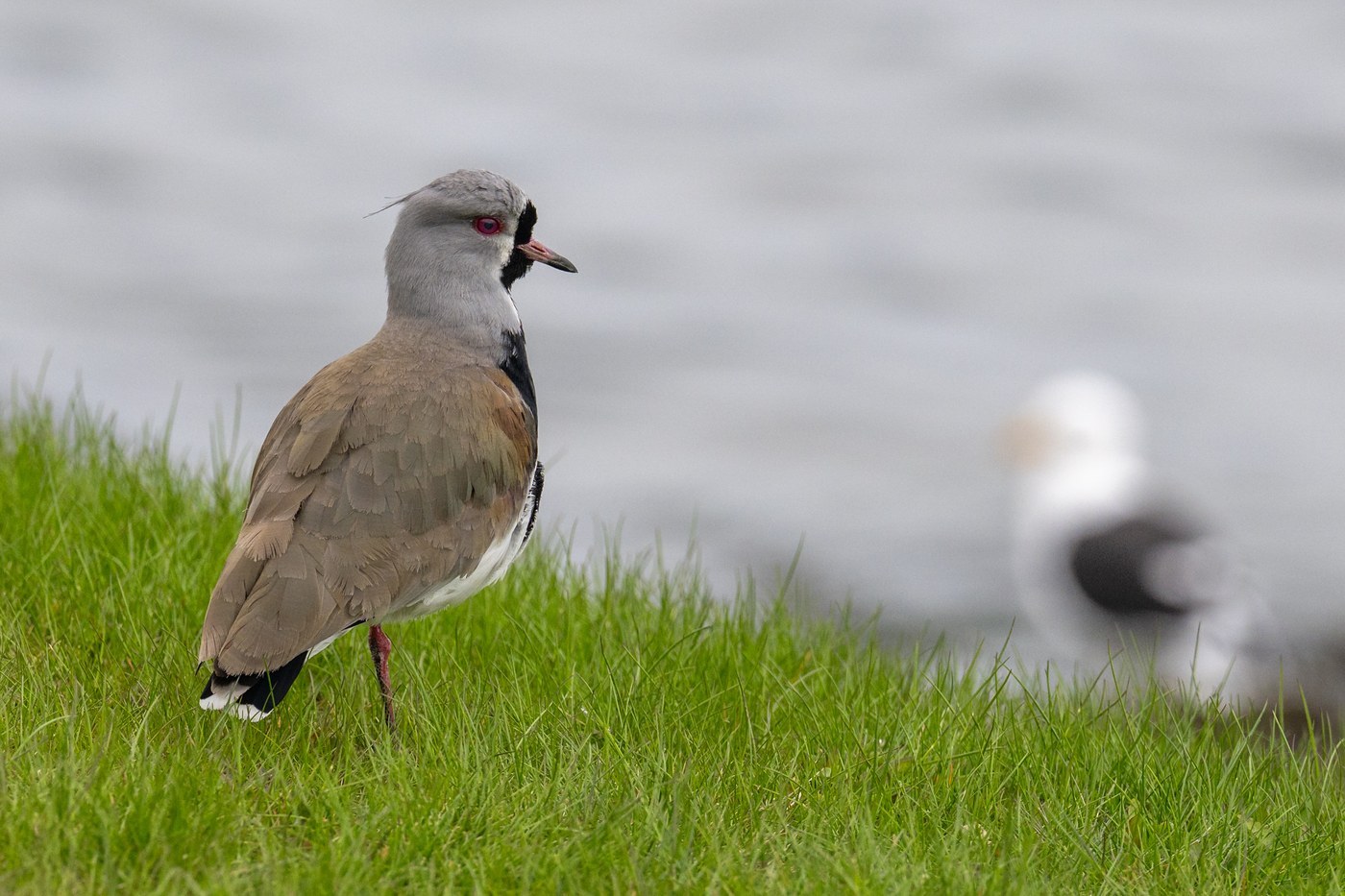
Southern Lapwing
Body, flight, and tail feathers

Jack Snipe
Body and flight feathers

Terek Sandpiper
Body and flight feathers

Wilson's Phalarope
Body and flight feathers
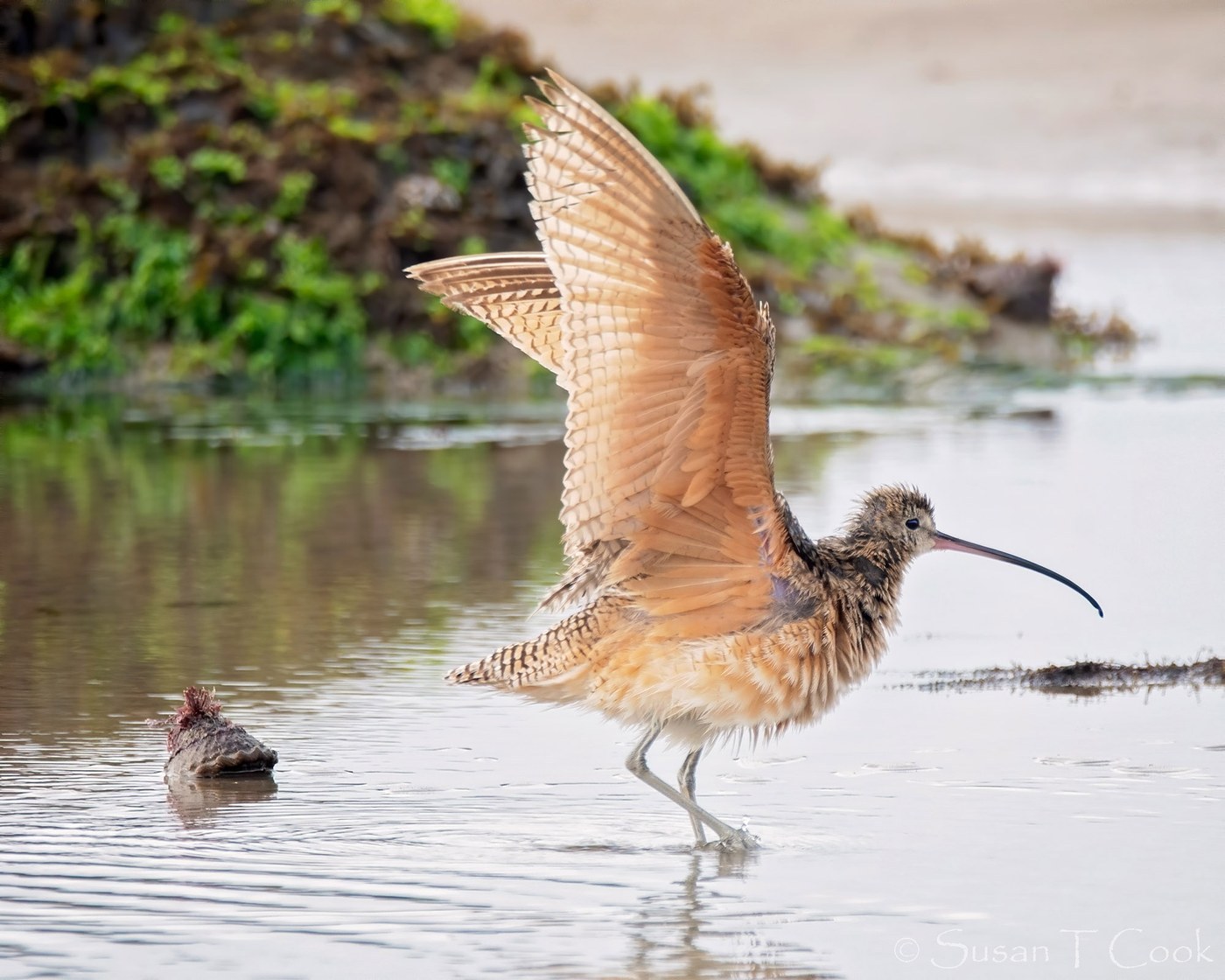
Long-billed Curlew
Body, flight, and tail feathers

Upland Sandpiper
Body, flight, and tail feathers

Red Phalarope
Body and flight feathers

Eurasian Dotterel
Body feathers
Masked Lapwing
Body, flight, and tail feathers
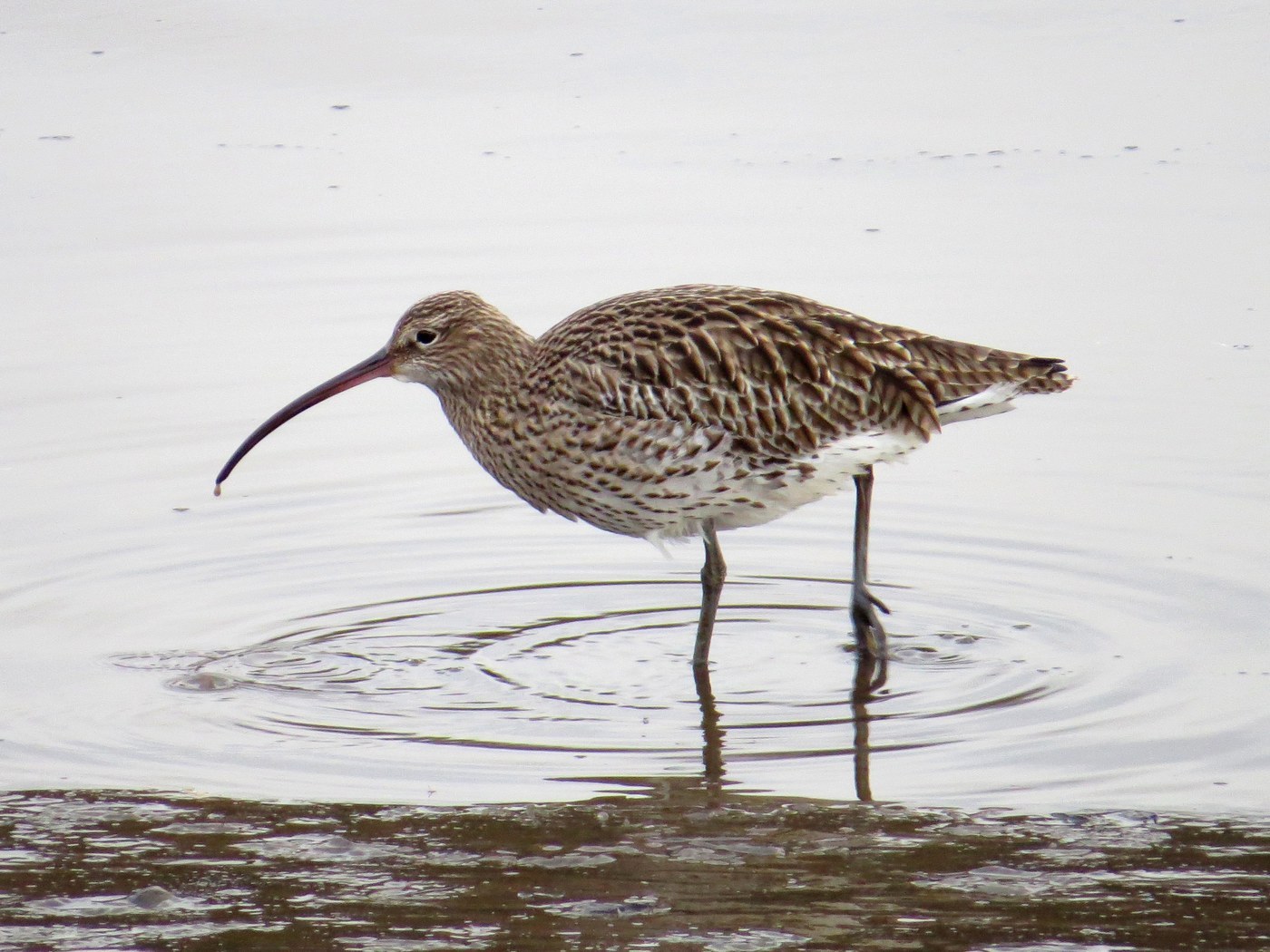
Eurasian Curlew
Body, flight, and tail feathers
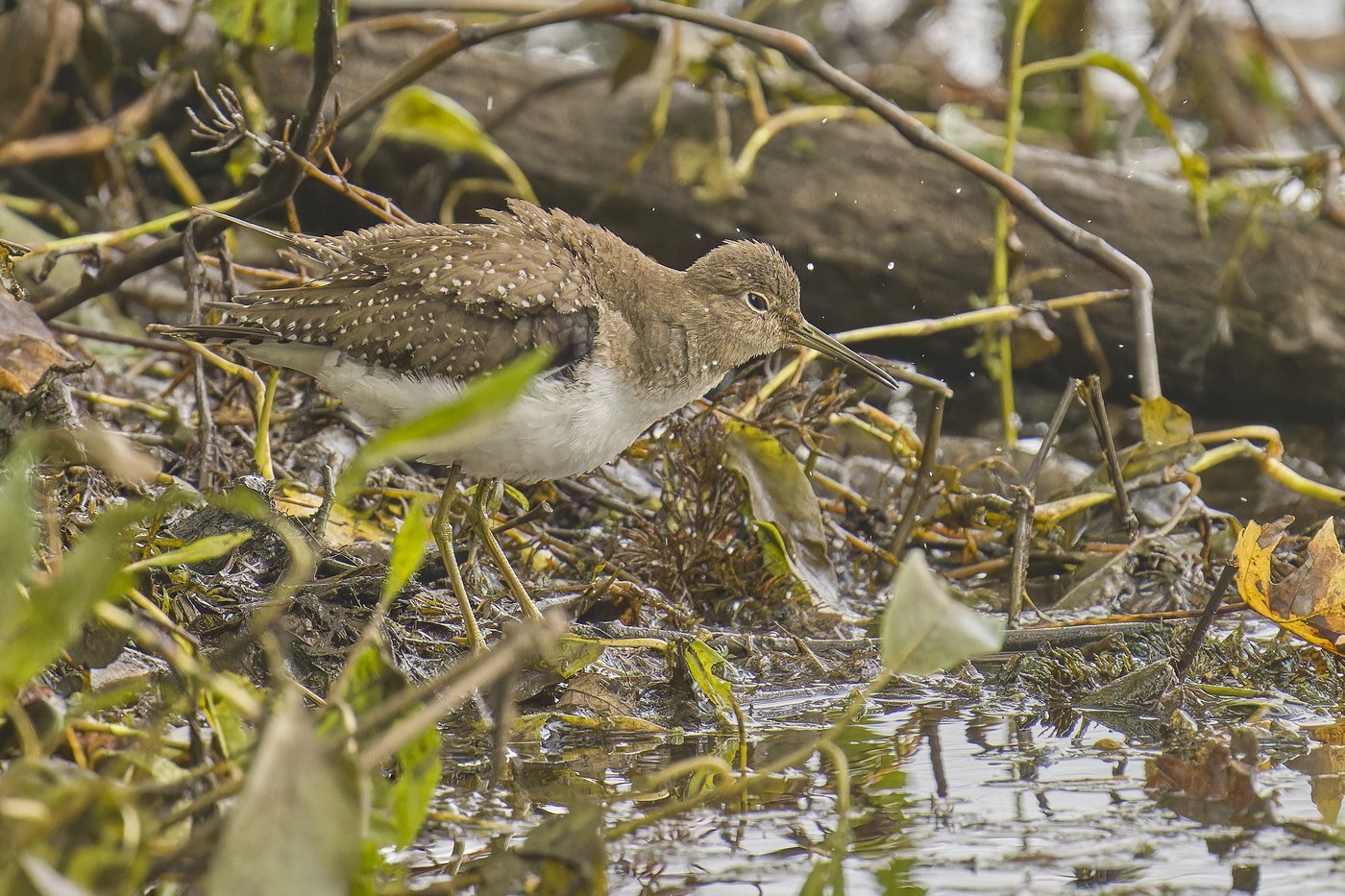
Solitary Sandpiper
Contour and flight feathers

Piping Plover
Small, pale, compact body feathers and short flight feathers typical of a beach-nesting plover