

Fulvous Owl
Strix fulvescens
A tawny-toned relative of the Barred Owl found in Central American highland forests, recognizable by its warm fulvous coloring and heavy barring.
- Feather type
- Dense, soft contour feathers; broadly barred flight and tail feathers typical of Strix owls
- Colours
- Tawny, fulvous orange-brown with dark barring across the upperparts and streaking below
- Bird size
- Medium-large owl, ~43-48 cm
Found a feather like this?
Identify any feather from a photo, free.
Overview
The Fulvous Owl is a medium-large owl found in humid montane forests of Middle America, from southern Mexico through Guatemala, Honduras, El Salvador, and Nicaragua. It is closely related to the familiar Barred Owl of North America and was at one time treated as a subspecies of it.
Its common name, and the species name fulvescens, both reference the warm tawny or fulvous tone of its plumage, which sets it apart from the greyer-toned Barred Owl further north.
Feathers of this species show the same broad barring pattern found in Barred Owl feathers, but with a noticeably warmer, more orange-brown ground color overall.
Identifying the Feather
Size and shape
- Rounded head with no ear tufts and dark eyes, typical of Strix owls
- Broad, rounded flight feathers and a moderately long barred tail, similar in shape to Barred Owl feathers but often a touch smaller
Color and pattern
- Ground color notably tawny to orange-brown, warmer than the greyish-brown of a typical Barred Owl feather
- Dense horizontal barring across the upper breast transitioning to vertical streaking on the lower underparts, mirroring the Barred Owl pattern
- Wing and tail feathers show alternating dark and pale bars along their length
Distinguishing from similar species
- The main comparison is the Barred Owl, which shows a cooler grey-brown tone; Fulvous Owl feathers read warmer and more orange overall
- Ranges do not overlap with Barred Owl, so location is a useful confirming clue alongside color tone
Plumage & Molt
Plumage is tawny orange-brown overall, patterned with dark horizontal barring on the upper breast and vertical streaking below, following the same general layout as the closely related Barred Owl but in warmer tones. Sexes look alike, with females slightly larger. Juveniles show a softer, downier version of the adult pattern. Molt is gradual, generally following the breeding season in its highland range.
Habitat & Range
Found in humid montane and cloud forest habitats from southern Mexico (Chiapas) south through Guatemala, Honduras, El Salvador, and Nicaragua, typically at mid to higher elevations. It is a non-migratory resident, remaining within forested highlands year-round.
Behavior & Field Notes
A nocturnal hunter of small mammals, birds, and large insects within dense montane forest. It nests in tree cavities. Its call is a series of hooting notes broadly similar in rhythm to the Barred Owl's familiar pattern, though with regional differences in tone. Since it closely resembles the Barred Owl in feather pattern, geographic range (Central American highlands versus North American forests) is a key clue for separating the two.
Frequently asked questions
How is the Fulvous Owl related to the Barred Owl?
It was formerly treated as a subspecies of the Barred Owl and is now recognized as a distinct but closely related species found in Central American highlands.
How do I tell its feathers from a Barred Owl's?
Fulvous Owl feathers show a warmer, more tawny orange-brown ground color, while Barred Owl feathers are cooler greyish-brown, though the barring pattern is similar.
Where does this owl live?
In humid montane and cloud forests from southern Mexico through Nicaragua, generally at higher elevations.
Does it have ear tufts?
No, it has a rounded, earless head typical of genus Strix, like the Barred Owl.
Fulvous Owl guides
In-depth guides for identifying and understanding Fulvous Owl.

Other feathers you may enjoy

Tawny Owl
Wing (flight) and body (contour) feathers
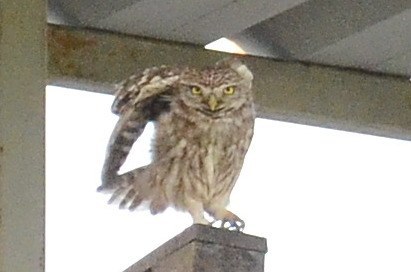
Little Owl
Wing and body feathers

Balsas Screech-Owl
Small ear-tuft feathers; soft, finely vermiculated body feathers

Blakiston's Fish Owl
Massive flight feathers with looser structure; shaggy body plumage; prominent ear-tuft feathers

Barn Owl
Wing and facial-disc feathers
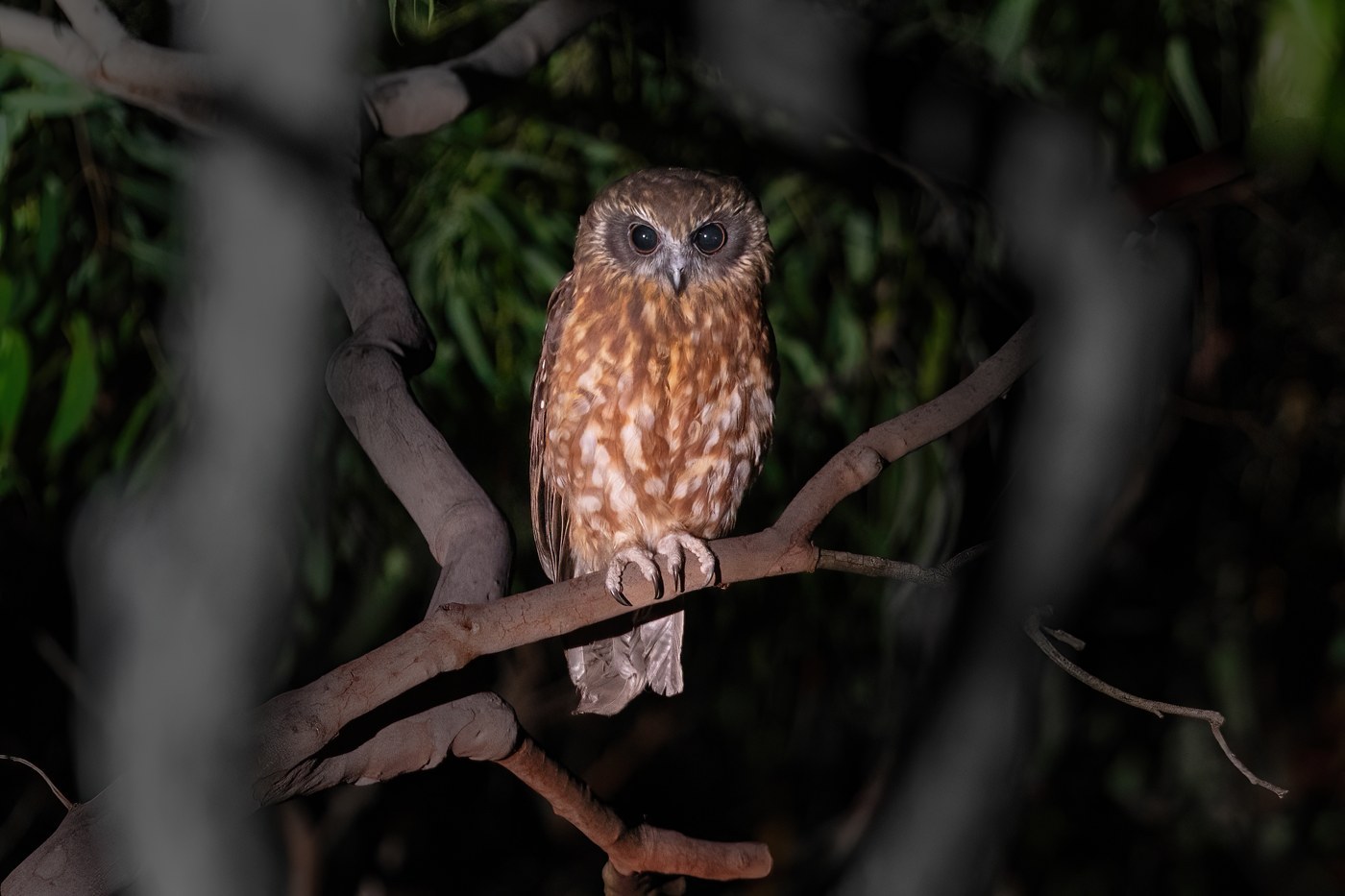
Southern Boobook
Rounded flight feathers; banded tail; spotted body plumage

Sooty Owl
Broad soft-edged flight feathers; heart-shaped facial disc feathers; finely speckled body plumage

Short-eared Owl
Broad soft-fringed flight feathers; streaked body feathers; tiny, rarely visible ear tufts

Stygian Owl
Dark, mottled flight and body feathers with long, closely-set ear tufts
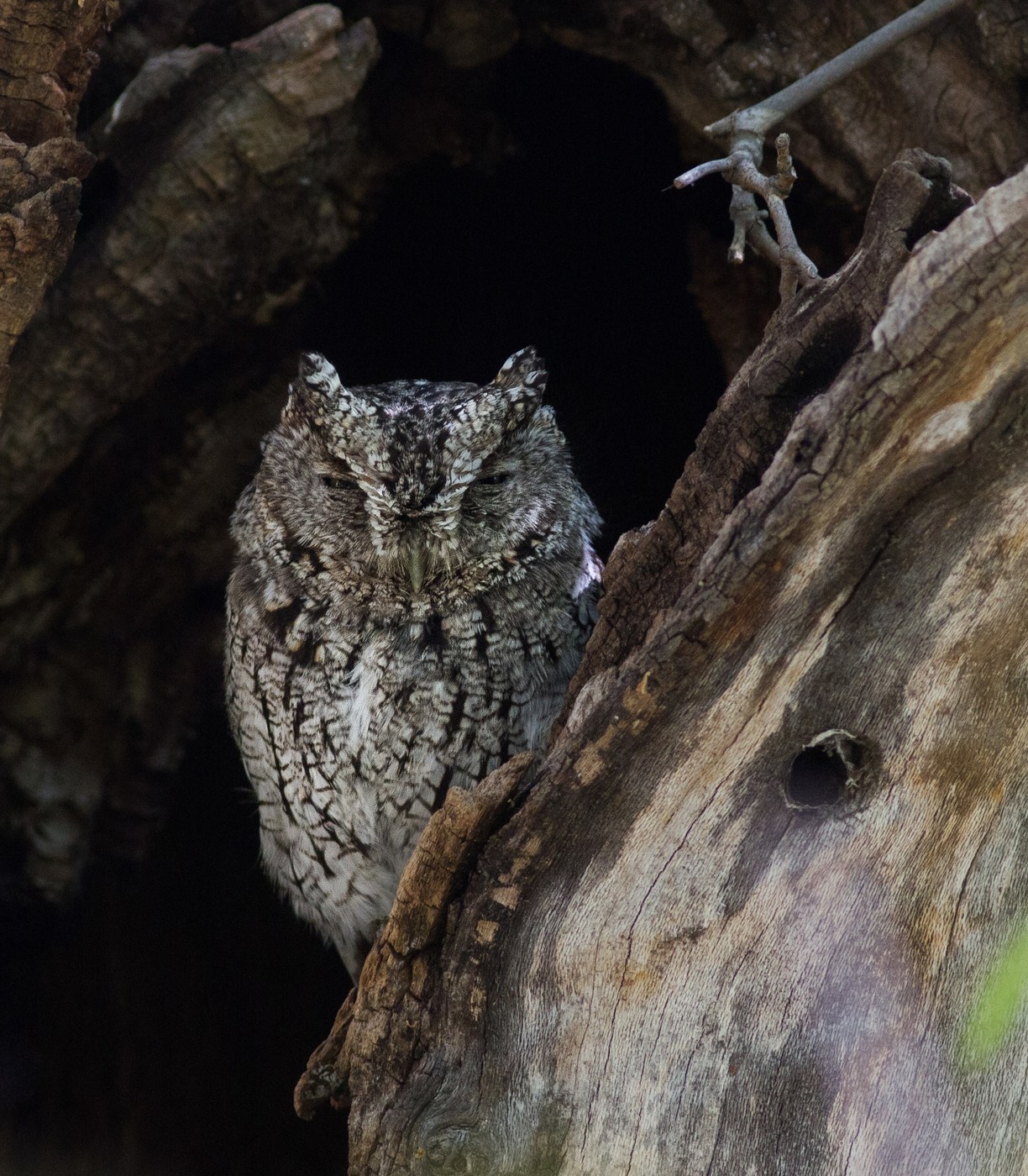
Whiskered Screech-Owl
Small soft-fringed flight feathers; finely mottled body feathers; short ear tufts
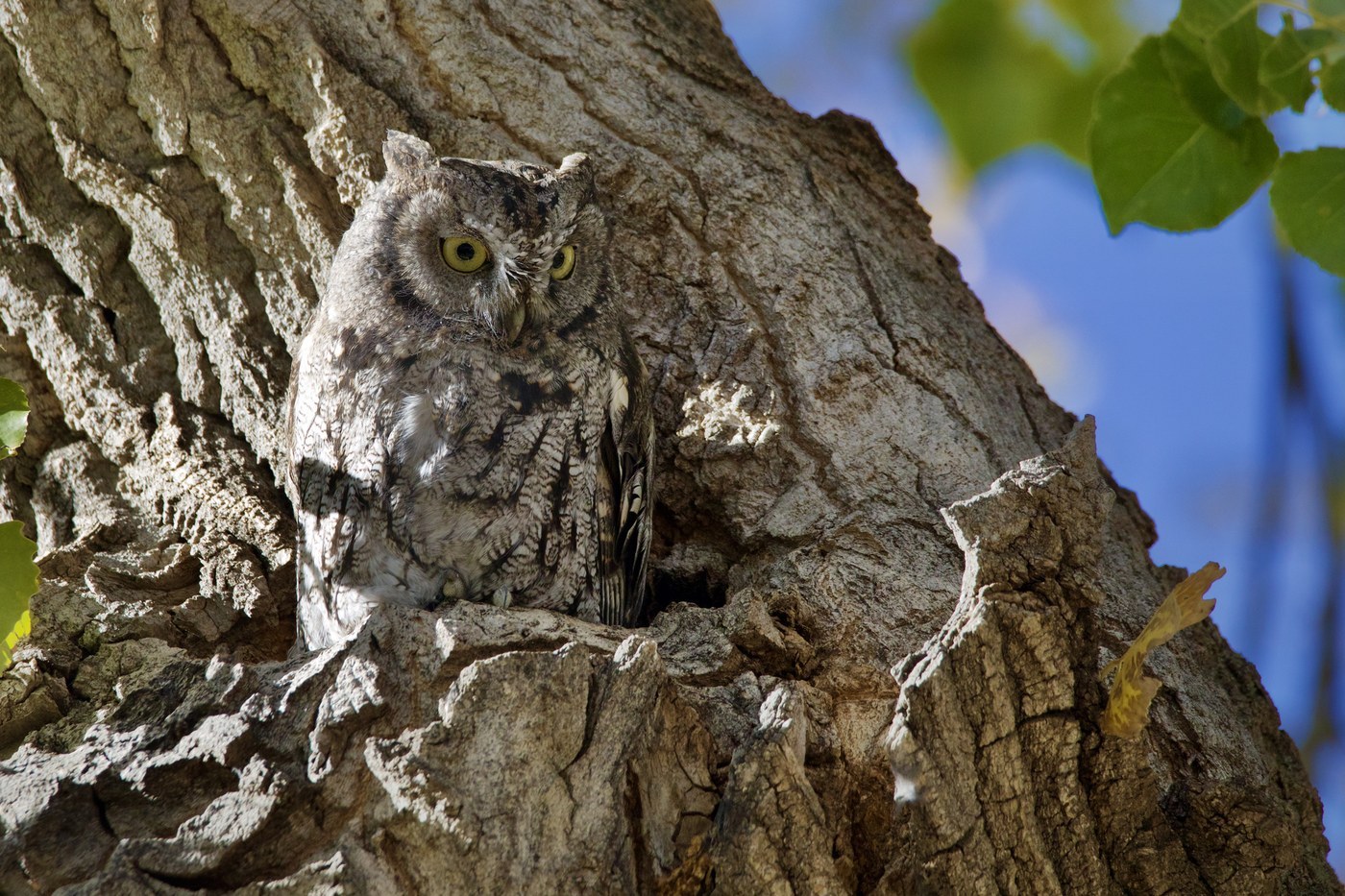
Western Screech-Owl
Small soft-fringed flight feathers; cryptic mottled/streaked body feathers; short ear tufts

White-faced Scops Owl
Small to medium flight feathers with a distinctive whitish facial disc and long ear-tuft plumes