
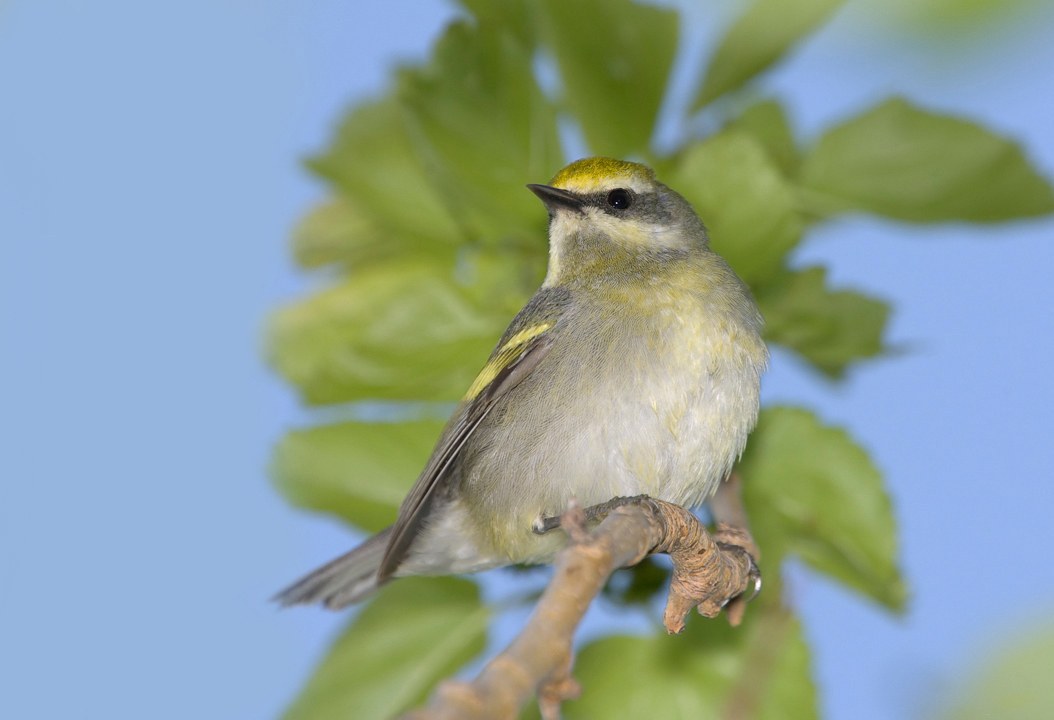
Golden-winged Warbler
Vermivora chrysoptera
A striking blue-gray warbler with a bright yellow crown and wing patch, set off by a bold black throat and facial mask in adult males, known for hybridizing with the Blue-winged Warbler.
- Feather type
- Small, soft contour feathers; bold yellow wing patch, black throat/mask
- Colours
- Blue-gray upperparts, yellow crown and wing patch, black throat and mask, white underparts
- Bird size
- Kinglet-sized, ~12 cm
Found a feather like this?
Identify any feather from a photo, free.
Overview
Overview
The Golden-winged Warbler is a strikingly patterned warbler of shrubby early-successional habitat and forest edges in the northeastern and north-central United States and adjacent Canada. Adult males show a distinctive combination of a bright yellow crown and wing patch against blue-gray upperparts, with a bold black throat and facial mask contrasting against white underparts.
This species has experienced significant population declines linked to loss of early-successional habitat and hybridization and competition with the closely related Blue-winged Warbler, with which it interbreeds to produce recognizable hybrid forms known as Brewster's and Lawrence's Warblers.
Identifying the Feather
Feather Identification
- Wing patch: A bold, bright yellow patch formed by yellow-tipped wing covert feathers is a signature feature, visible on the folded wing.
- Crown: The crown feathers are also bright yellow, matching the wing patch and standing out against the blue-gray back and nape.
- Face and throat: Adult males show a bold black mask through the eye and a black throat patch, separated by a white area below the eye and along the side of the neck.
- Underparts: Breast, belly, and undertail feathers are white to pale gray, unmarked by streaking.
- Upperparts: Back, wing, and tail feathers (aside from the yellow patch) are blue-gray.
- Hybrid forms: Where this species interbreeds with the Blue-winged Warbler, resulting hybrids show variable intermediate patterns, from a Golden-winged-like pattern with a yellow throat (Brewster's Warbler type) to other combinations, complicating identification in areas of overlap.
Plumage & Molt
Plumage Details
Adult males show the boldest black mask and throat patch along with the brightest yellow crown and wing patch. Adult females show a similar overall pattern but with the black areas replaced by gray, giving a softer, less contrasting appearance while retaining the yellow crown and wing patch. Immatures resemble females but can appear slightly duller overall.
A complete molt occurs on the breeding grounds in late summer, and plumage remains fairly stable through migration and winter with only typical wear-related dulling prior to the molt. Hybridization with Blue-winged Warblers can produce offspring with a range of intermediate plumage patterns across generations.
Habitat & Range
Habitat & Range
Golden-winged Warblers breed in shrubby early-successional habitat, including regenerating clearcuts, overgrown fields, and forest edges with a mix of shrubs and scattered trees, across a patchy range in the northeastern and north-central United States and adjacent Canada, with a disjunct population in the southern Appalachians.
This species is a long-distance migrant, wintering in Central America and northern South America, typically in forest and forest-edge habitats. Population declines have been linked to loss of suitable early-successional breeding habitat and to competitive replacement by the Blue-winged Warbler in parts of its range.
Behavior & Field Notes
Behavior & Field Notes
This warbler forages actively in shrubs and low trees, often hanging upside down or probing curled dead leaves for insects and other invertebrates, a foraging technique shared with several close relatives. It favors habitat edges and openings rather than deep forest interior.
The nest is built on or near the ground, typically hidden in dense grass or shrub cover within its early-successional habitat. The song is a simple, buzzy series often rendered as "bee-buzz-buzz-buzz," distinct in cadence from the Blue-winged Warbler's song despite the two species' close relationship. Conservation programs in parts of its range focus on maintaining or creating suitable shrubby habitat patches for this declining species.
Frequently asked questions
What is the signature feather feature of a Golden-winged Warbler?
A bold, bright yellow wing patch combined with a matching yellow crown, set against blue-gray upperparts and a black mask and throat in adult males.
How do males and females differ in plumage?
Males show black facial mask and throat markings, while females show the same overall pattern with gray replacing the black areas, giving a softer appearance.
What are Brewster's and Lawrence's Warblers?
These are named hybrid forms resulting from interbreeding between Golden-winged and Blue-winged Warblers, showing variable intermediate plumage patterns.
Why has this species declined in parts of its range?
Loss of shrubby early-successional breeding habitat and competitive interactions, including hybridization, with the Blue-winged Warbler have both been linked to population declines.
Golden-winged Warbler guides
In-depth guides for identifying and understanding Golden-winged Warbler.
Other feathers you may enjoy

Yellow-breasted Bunting
Contour and flight feathers, chestnut-and-yellow breeding pattern
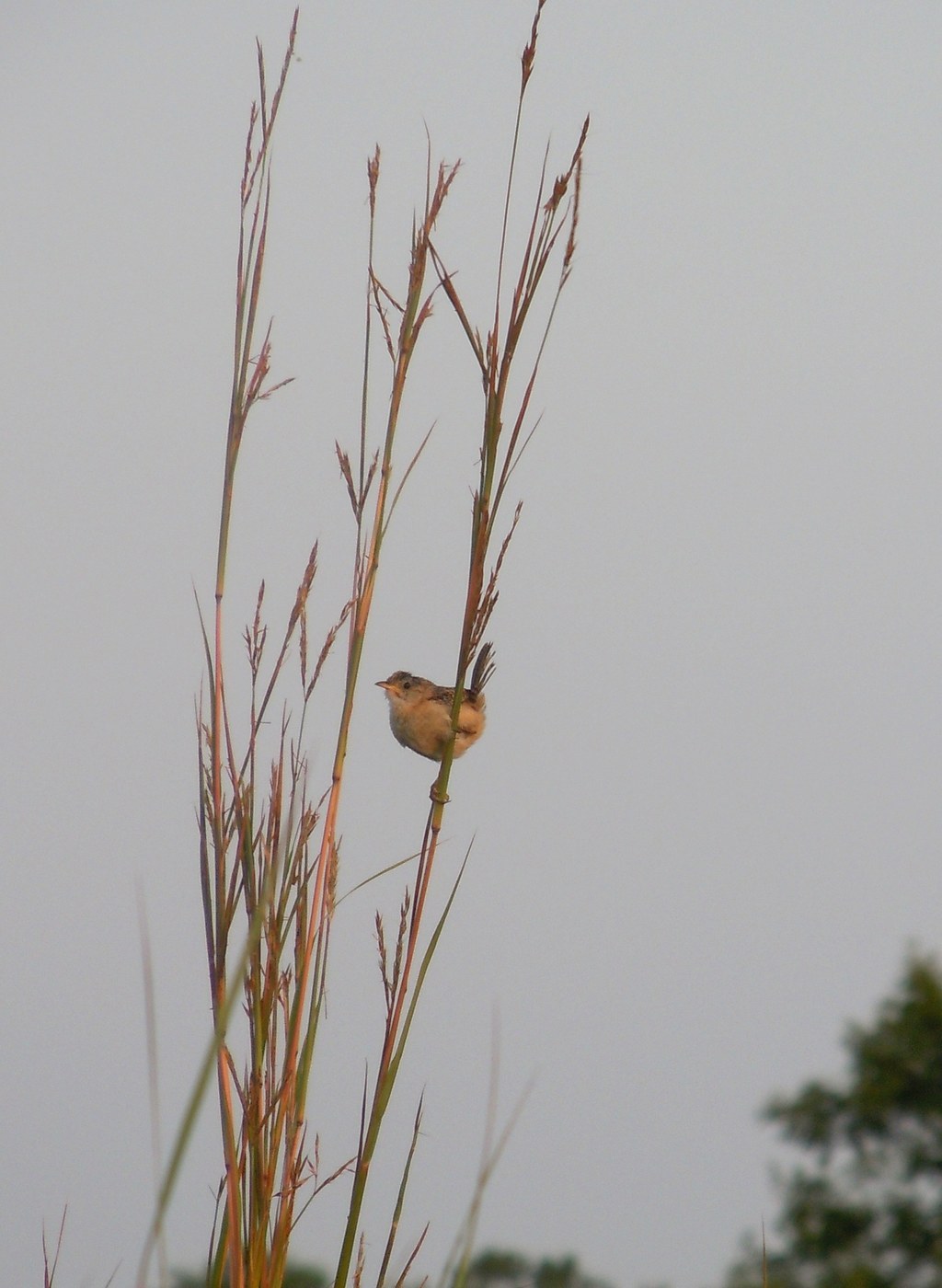
Sedge Wren
Tiny streaked crown and back feathers

Yellow-winged Cacique
Glossy black body feathers, yellow wing patch, shaggy crest

Yellow Warbler
Small contour and flight feathers
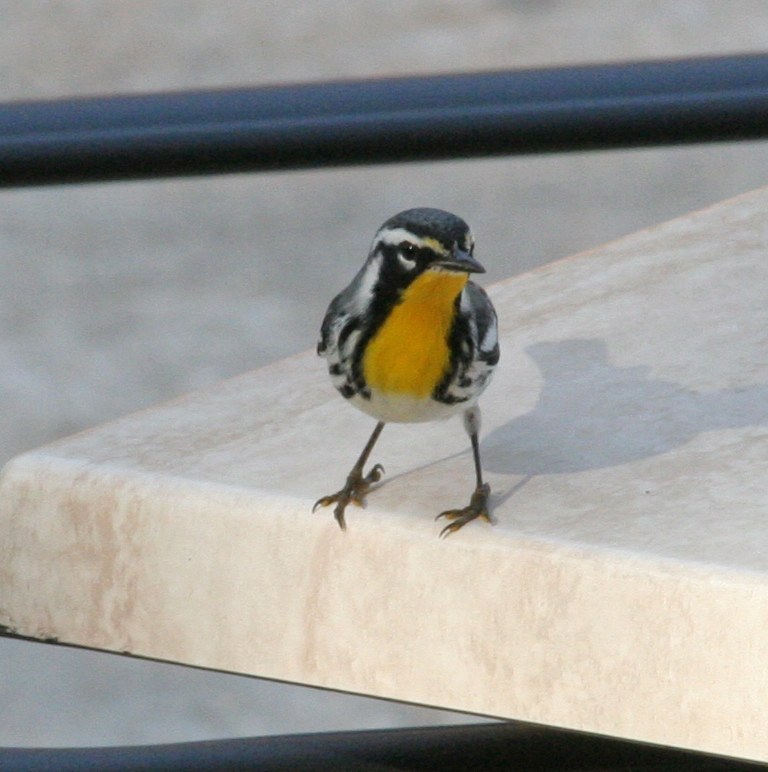
Yellow-throated Warbler
Small contour and flight feathers
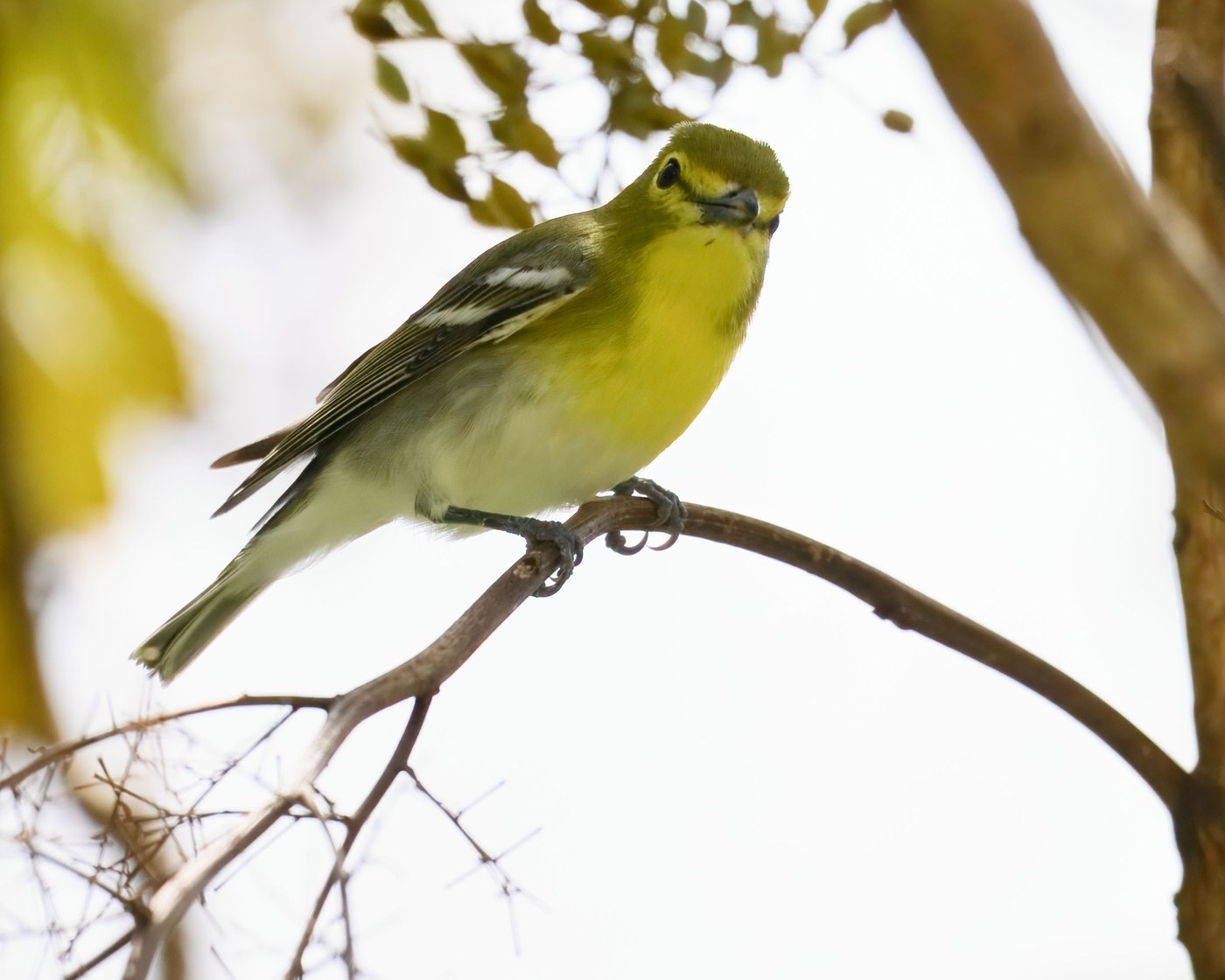
Yellow-throated Vireo
Bright yellow throat and spectacle feathers; olive-green back feathers; two white wing-bar feathers

Yellow-rumped Warbler
Small contour and flight feathers
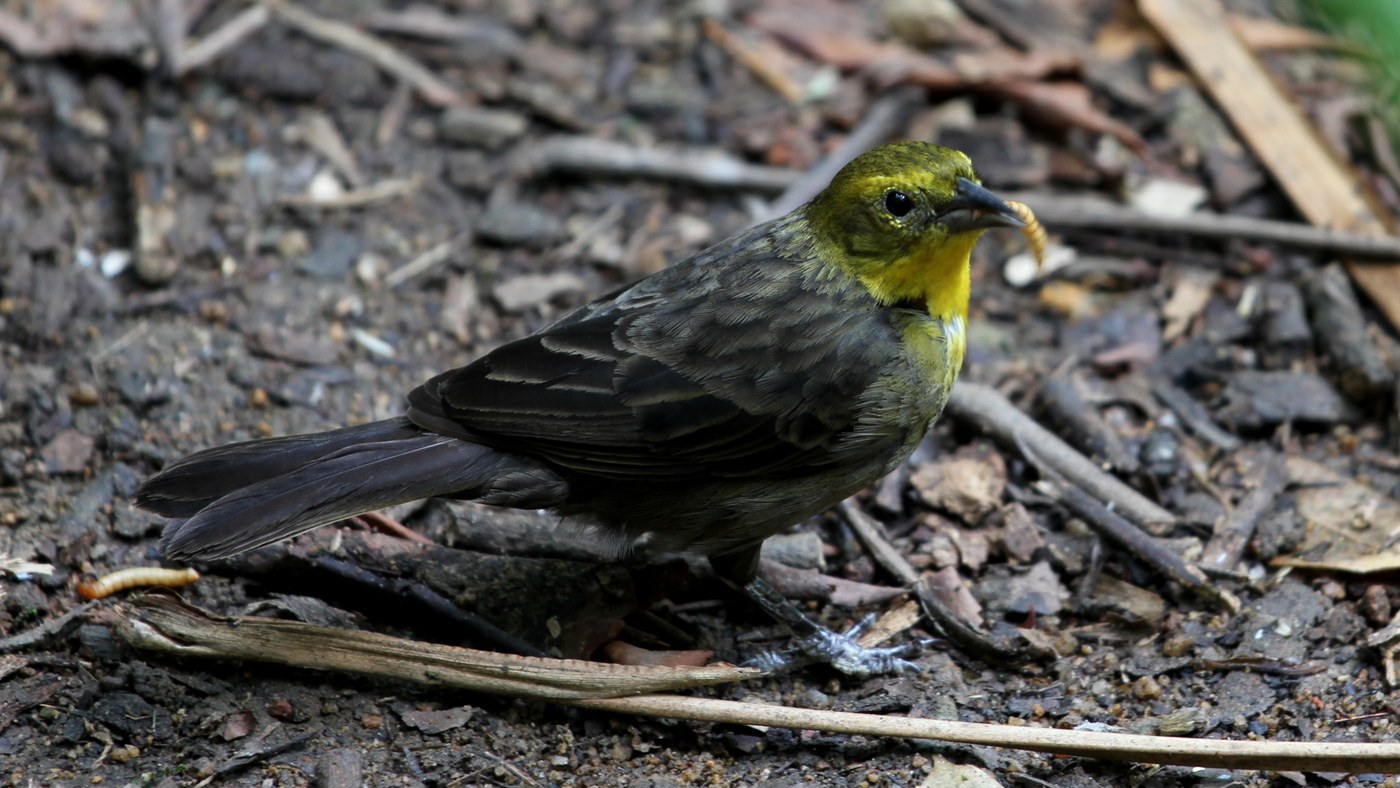
Yellow-hooded Blackbird
Contrasting hood and body feathers
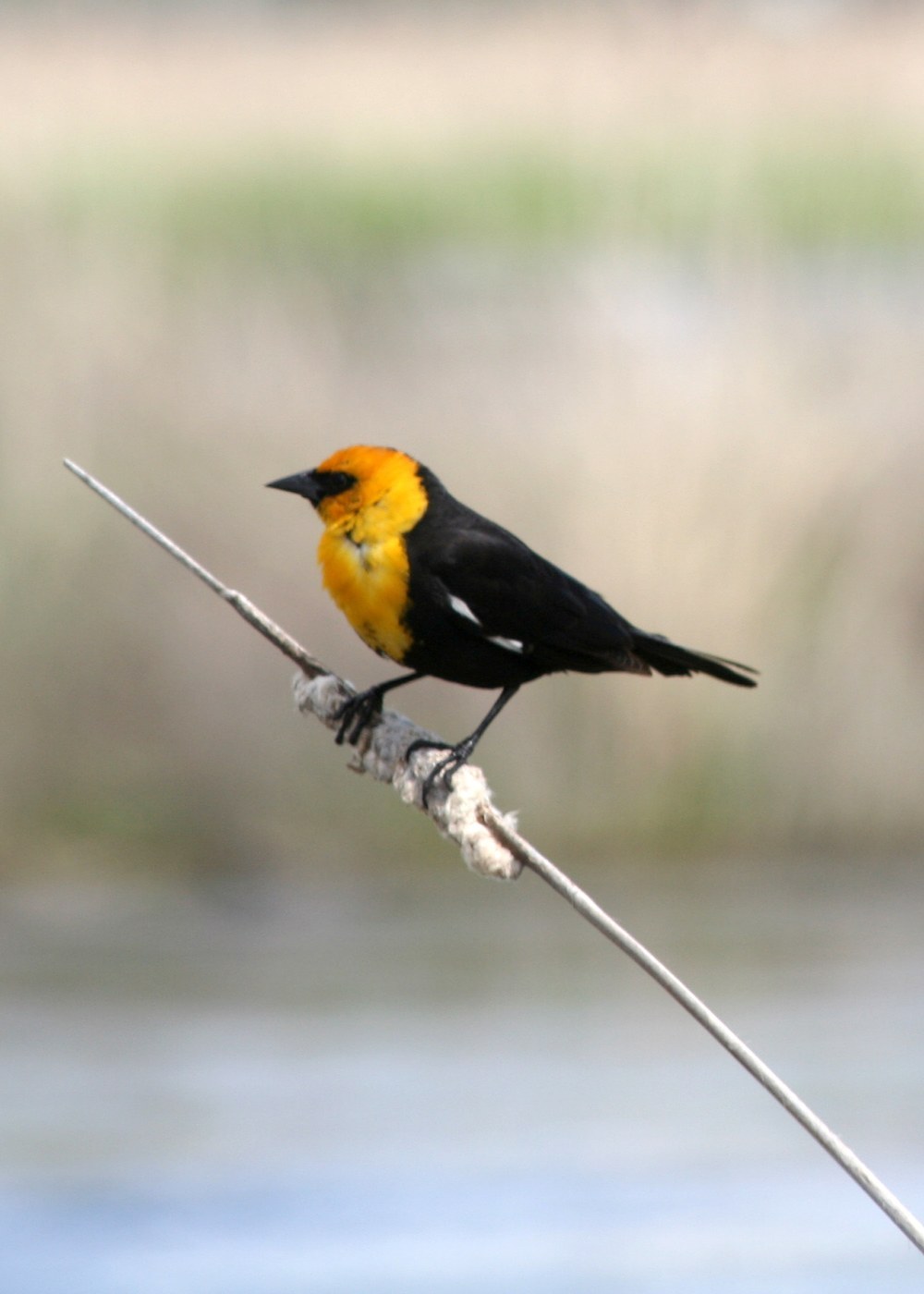
Yellow-headed Blackbird
Glossy black body plumage with a bright yellow head and breast

Yellow-eyed Junco
Contour and flight feathers

Yellow-fronted Canary
Small, smooth body plumage

Yellow-breasted Greenfinch
Compact, smooth body plumage