

Grass Owl
Tyto longimembris
A ground-nesting barn-owl relative of tall grasslands from Asia to Australia, with long slender legs and golden-buff to dark brown feathers finely spotted, adapted to a life spent low over open grass.
- Feather type
- Broad soft-edged flight feathers; heart-shaped facial disc feathers; finely spotted body plumage
- Colours
- Golden-buff to dark brown upperparts with fine spotting; whitish to buff underparts
- Bird size
- Medium-large, ~34-37 cm, long-legged
Found a feather like this?
Identify any feather from a photo, free.
Overview
The Grass Owl, also called the Eastern Grass Owl, is a member of the barn owl family adapted to life in tall grassland and sedge marsh rather than forest, with a range extending from South and East Asia through Southeast Asia to Australia. Unlike most owls, it nests and roosts on the ground, tunneling through dense grass to form runways.
Its long, slender, relatively bare legs are an adaptation for moving through thick grass, and its plumage is patterned in golden-buff to dark brown tones with fine spotting, providing camouflage in its grassland habitat. Like other Tyto owls it retains the characteristic heart-shaped facial disc.
Because it depends on tall, undisturbed grassland, its populations can fluctuate with fire, grazing, and land-use changes affecting its specialized habitat.
Identifying the Feather
Size and shape
Medium-large feathers from a bird 34-37 cm long, with notably long legs relative to body size, an adaptation for moving through dense grass rather than perching in trees.
Color and pattern
- Upperparts range from golden-buff to dark brown, finely marked with small dark and pale spots.
- Underparts are whitish to buff, sparsely spotted.
- The heart-shaped facial disc is pale, though often appearing somewhat darker or duskier than in other Tyto species.
- Legs are long and only lightly feathered.
- Shafts are pale.
Distinguishing from similar species
Compared to the Australian Masked Owl or Sooty Owl, Grass Owl feathers show a more golden-buff tone with finer spotting rather than coarse blotching or sooty darkness, and the long, sparsely feathered legs reflect its grassland, ground-hunting habits rather than a forest lifestyle.
Plumage & Molt
Adults range from golden-buff to darker brown above, finely spotted, with paler, sparsely marked underparts. The facial disc is pale but can appear duskier than in forest-dwelling Tyto species. Sexes are similar, with females somewhat larger. Juveniles are downier with less defined spotting. Molt follows breeding on an annual cycle.
Habitat & Range
This species occurs from South Asia and southern China through Southeast Asia to Australia, favoring tall grassland, sedge marshes, and reed beds, avoiding forested habitats used by most other owls. It is generally resident, though populations may shift locally in response to habitat changes such as fire or flooding.
Behavior & Field Notes
Grass Owls hunt small mammals, particularly rodents, by quartering low over grassland at night, relying on acute hearing to detect prey moving through vegetation. Uniquely among many owls, they nest and roost on the ground, forming tunnels and platforms within dense grass rather than using tree hollows. The call includes hissing and screeching notes typical of barn owls. When identifying a feather, look for a golden-buff to dark brown, finely spotted pattern paired with the long, sparsely feathered legs adapted for a grassland, ground-dwelling lifestyle.
Frequently asked questions
Where does the Grass Owl nest?
Unlike most owls, it nests and roosts on the ground within tall grass or sedge marsh, forming tunnels and trampled platforms rather than using tree hollows.
How can I tell a Grass Owl feather from a forest-dwelling Tyto owl feather?
Grass Owl feathers tend to be more golden-buff with fine spotting, and the legs are notably long and sparsely feathered, reflecting a grassland rather than forest lifestyle.
What is the range of the Grass Owl?
It occurs from South Asia and southern China through Southeast Asia to Australia, wherever suitable tall grassland or marsh habitat persists.
Why are the Grass Owl's legs so long?
Its long, sparsely feathered legs are an adaptation for moving through dense grass and hunting rodents on the ground, rather than perching and striking from trees.
Grass Owl guides
In-depth guides for identifying and understanding Grass Owl.

Other feathers you may enjoy

Tawny Owl
Wing (flight) and body (contour) feathers
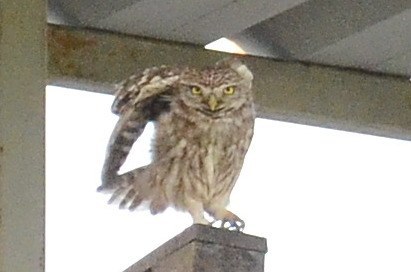
Little Owl
Wing and body feathers

Balsas Screech-Owl
Small ear-tuft feathers; soft, finely vermiculated body feathers

Blakiston's Fish Owl
Massive flight feathers with looser structure; shaggy body plumage; prominent ear-tuft feathers

Barn Owl
Wing and facial-disc feathers
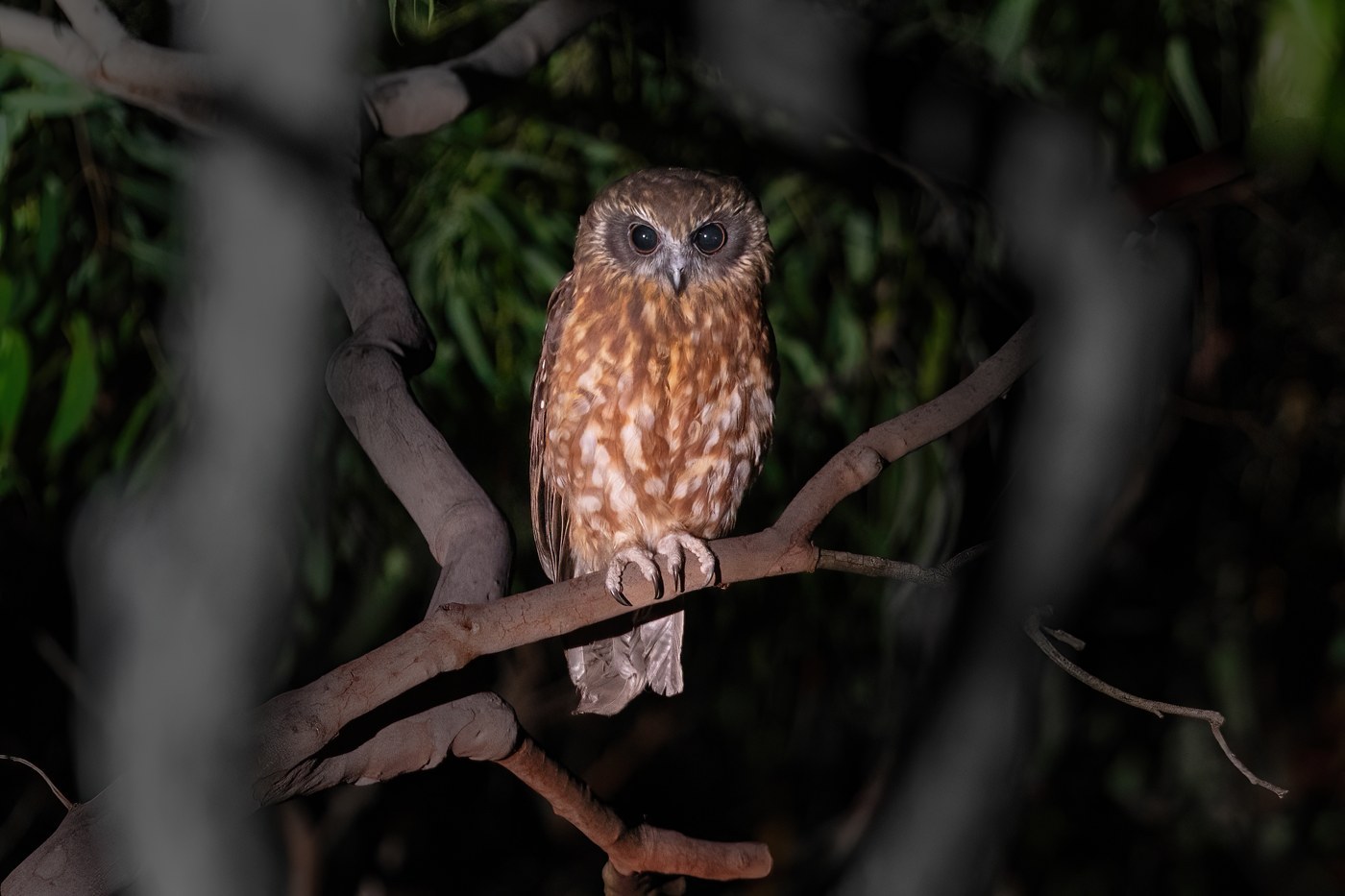
Southern Boobook
Rounded flight feathers; banded tail; spotted body plumage

Sooty Owl
Broad soft-edged flight feathers; heart-shaped facial disc feathers; finely speckled body plumage

Short-eared Owl
Broad soft-fringed flight feathers; streaked body feathers; tiny, rarely visible ear tufts

Stygian Owl
Dark, mottled flight and body feathers with long, closely-set ear tufts
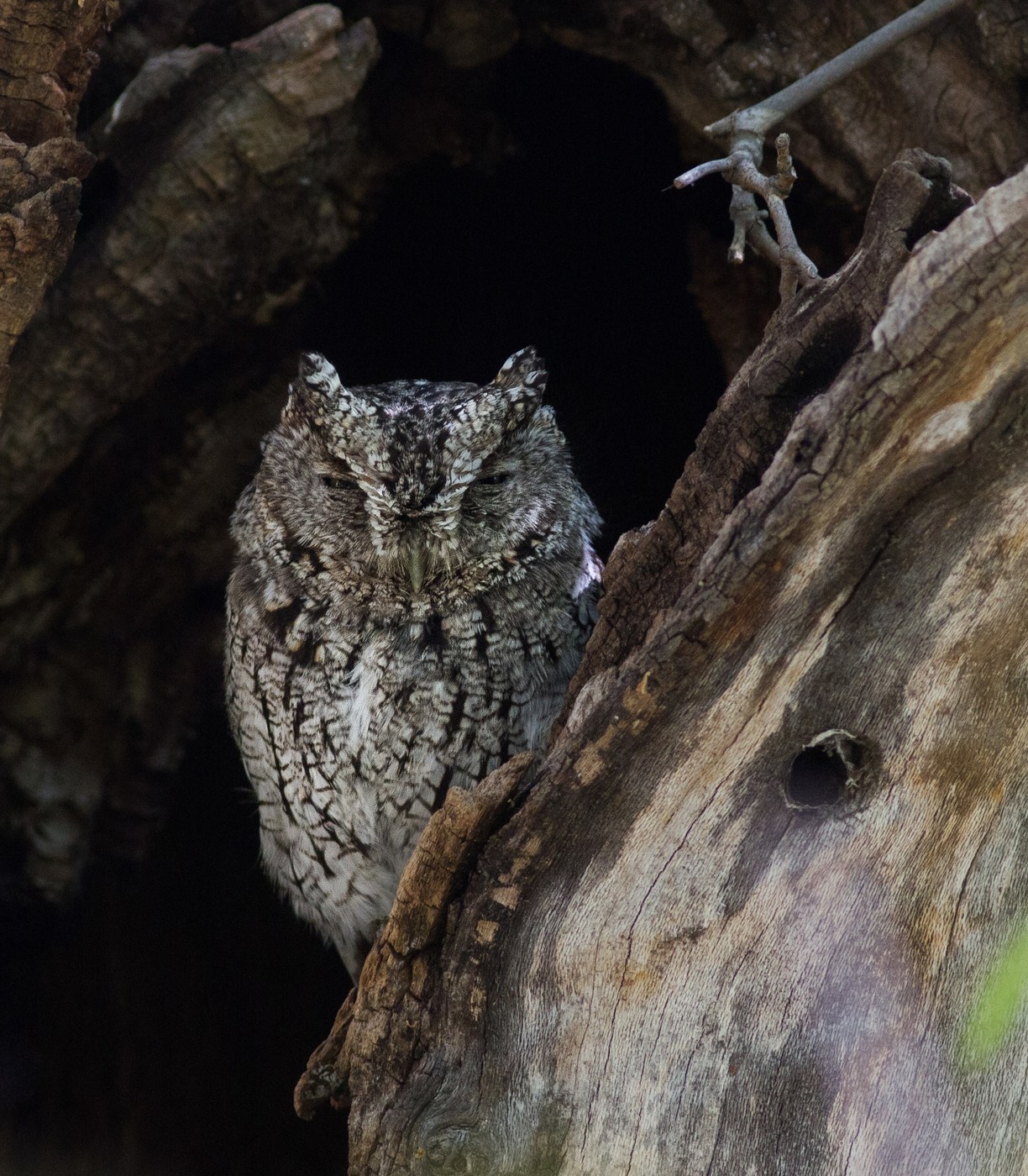
Whiskered Screech-Owl
Small soft-fringed flight feathers; finely mottled body feathers; short ear tufts
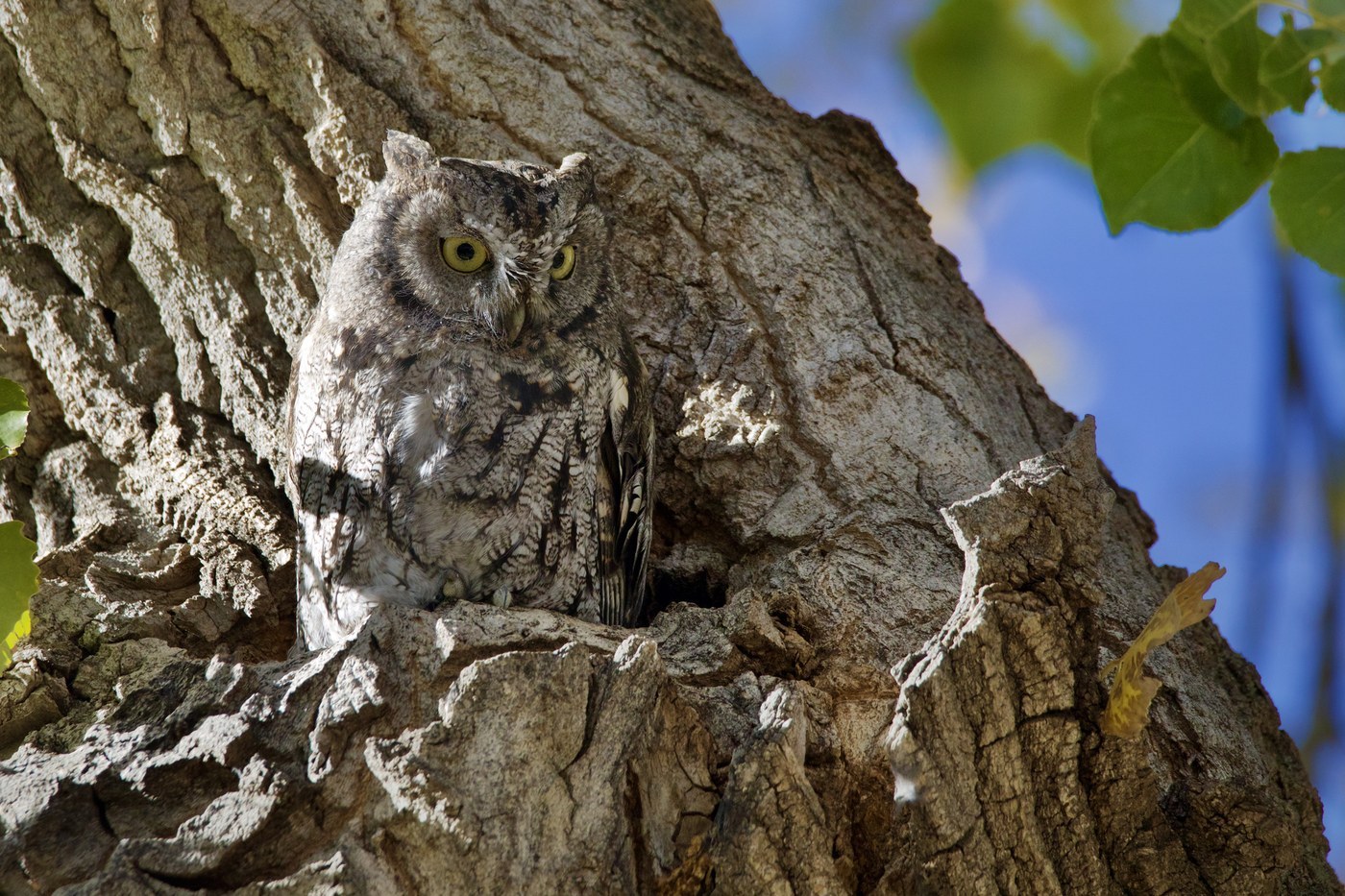
Western Screech-Owl
Small soft-fringed flight feathers; cryptic mottled/streaked body feathers; short ear tufts

White-faced Scops Owl
Small to medium flight feathers with a distinctive whitish facial disc and long ear-tuft plumes