
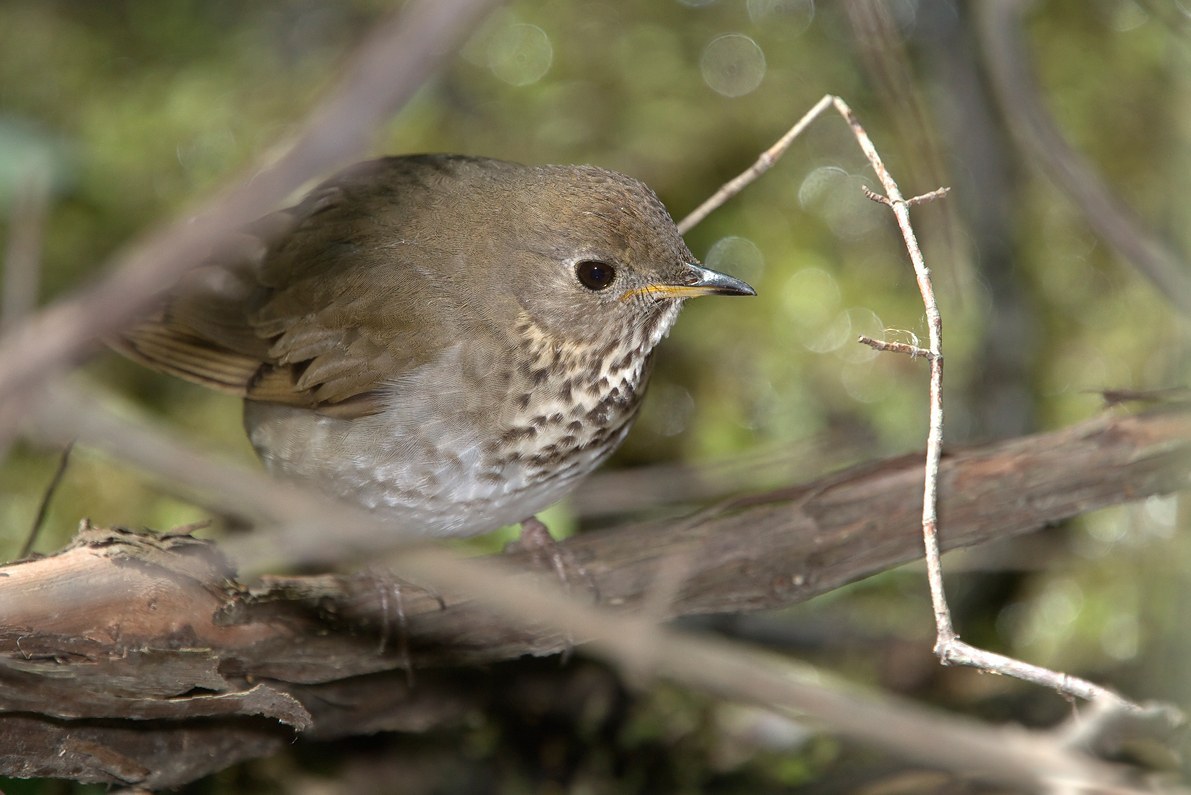
Gray-cheeked Thrush
Catharus minimus
A subdued, cold-toned thrush of the far north, distinguished from similar species mainly by its plain grayish face and weak or absent eye-ring.
- Feather type
- Soft body feathers with plain gray-brown face and even upperparts
- Colours
- Cold gray-brown body, faint or absent eye-ring, spotted whitish breast
- Bird size
- Sparrow-sized, ~17-18 cm
Found a feather like this?
Identify any feather from a photo, free.
Overview
The Gray-cheeked Thrush breeds in subarctic forest and stunted tundra scrub across northern Canada, Alaska, and easternmost Siberia, making it one of the northernmost-breeding Catharus thrushes. Its subdued, cold gray-brown coloring and lack of a strong eye-ring make it one of the most challenging of the brown thrushes to distinguish in the field.
Identifying the Feather
- Facial feathers: Grayish overall with only a faint, thin, or largely absent eye-ring, unlike the bold spectacled look of Swainson's Thrush.
- Body feathers: Cold, uniform gray-brown upperparts, lacking the warmer rufous or olive tones seen in some relatives.
- Breast feathers: Whitish with dark spotting, generally less buffy-toned than in Swainson's Thrush.
- Compared to similar species: Best separated from Bicknell's Thrush by subtle differences in tail color and voice, and from Swainson's Thrush by its weaker eye-ring and colder overall tone.
Plumage & Molt
Sexes look alike, both showing cold gray-brown upperparts, a faint eye-ring, and a whitish breast with dark spotting concentrated on the upper chest. Juveniles show typical thrush-like pale spotting on the back before their first molt. Plumage is renewed in a single complete molt after breeding, and shows relatively little seasonal variation, remaining subdued and cold-toned year-round.
Habitat & Range
Gray-cheeked Thrushes breed in subarctic coniferous forest, willow and alder scrub, and stunted tundra habitat across northern Canada, Alaska, and the Russian Far East. They undertake a long migration to winter in northern South America, passing through much of North America as often-inconspicuous migrants detected more by voice than sight.
Behavior & Field Notes
This thrush forages on the ground in dense cover, feeding on invertebrates and fruit, particularly during migration. Its song is a thin, nasal series of notes, generally considered less musical than the songs of related thrushes. It nests low in shrubs or stunted trees near the ground, reflecting its far northern breeding range. During migration, individuals are often detected at night by their distinctive flight calls rather than seen directly.
Frequently asked questions
What facial feature helps identify the Gray-cheeked Thrush?
It shows only a faint or nearly absent eye-ring, unlike the bold spectacled look of Swainson's Thrush.
How does its overall coloring compare to related thrushes?
It has a colder, more uniform gray-brown tone overall, lacking the warmer rufous or olive shades of some relatives.
Where does this species breed?
It breeds in subarctic forest and tundra scrub habitats across northern Canada, Alaska, and the Russian Far East.
How is it usually detected during migration?
It is often identified by its distinctive nighttime flight calls rather than by visual sighting, as it tends to stay hidden in dense cover.
Gray-cheeked Thrush guides
In-depth guides for identifying and understanding Gray-cheeked Thrush.
Other feathers you may enjoy

Yellow-breasted Bunting
Contour and flight feathers, chestnut-and-yellow breeding pattern
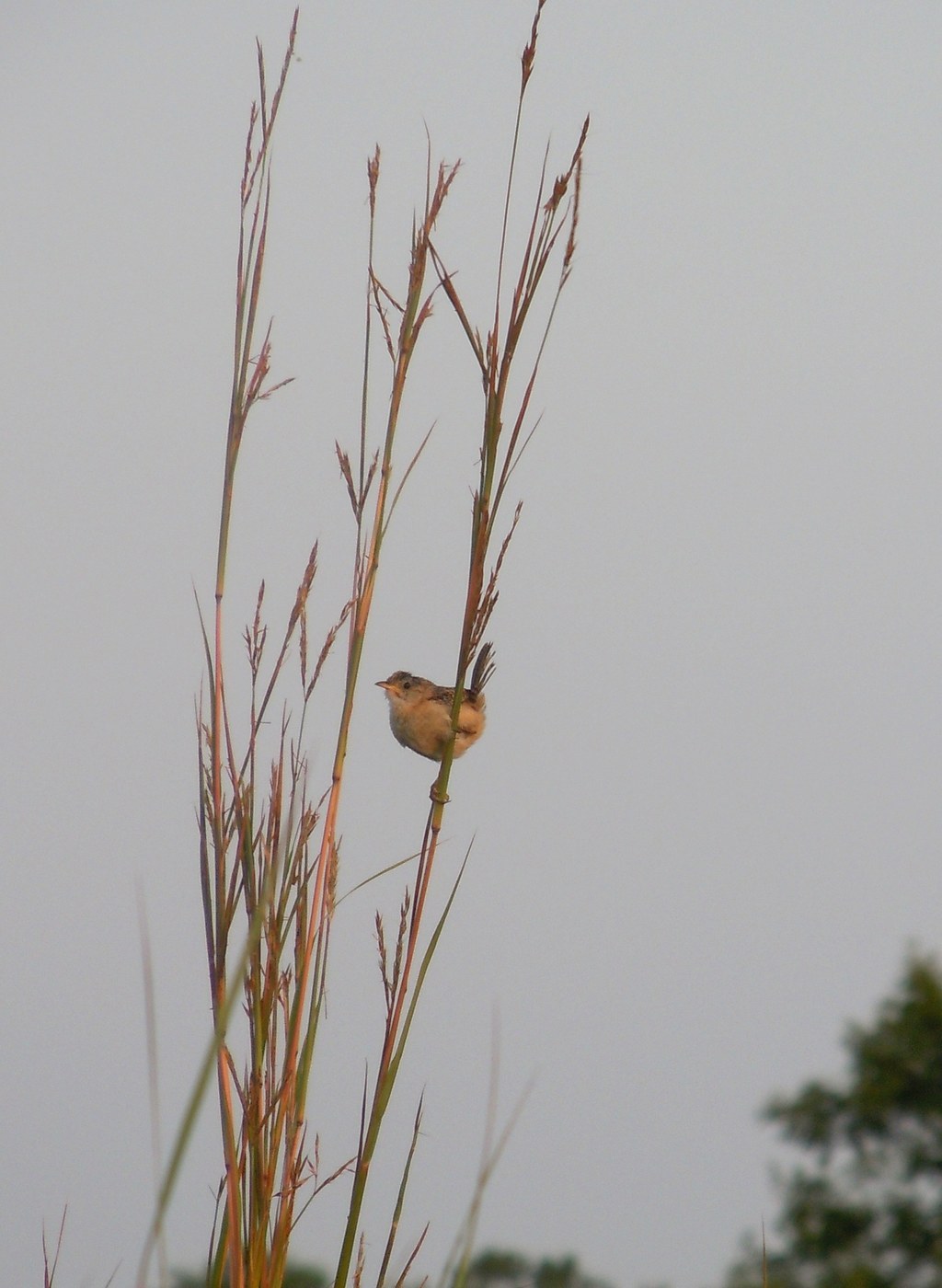
Sedge Wren
Tiny streaked crown and back feathers

Yellow-winged Cacique
Glossy black body feathers, yellow wing patch, shaggy crest

Yellow Warbler
Small contour and flight feathers
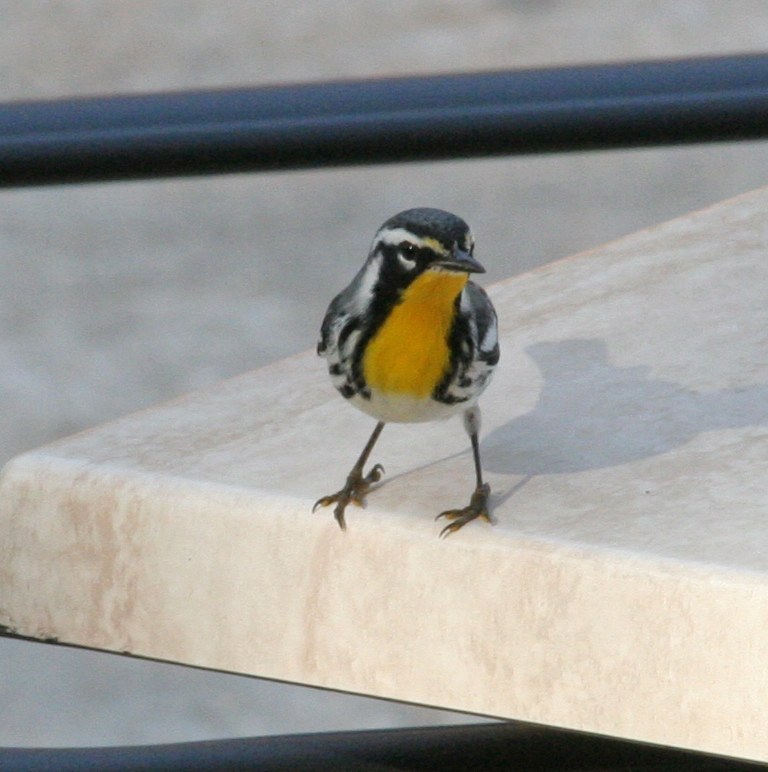
Yellow-throated Warbler
Small contour and flight feathers
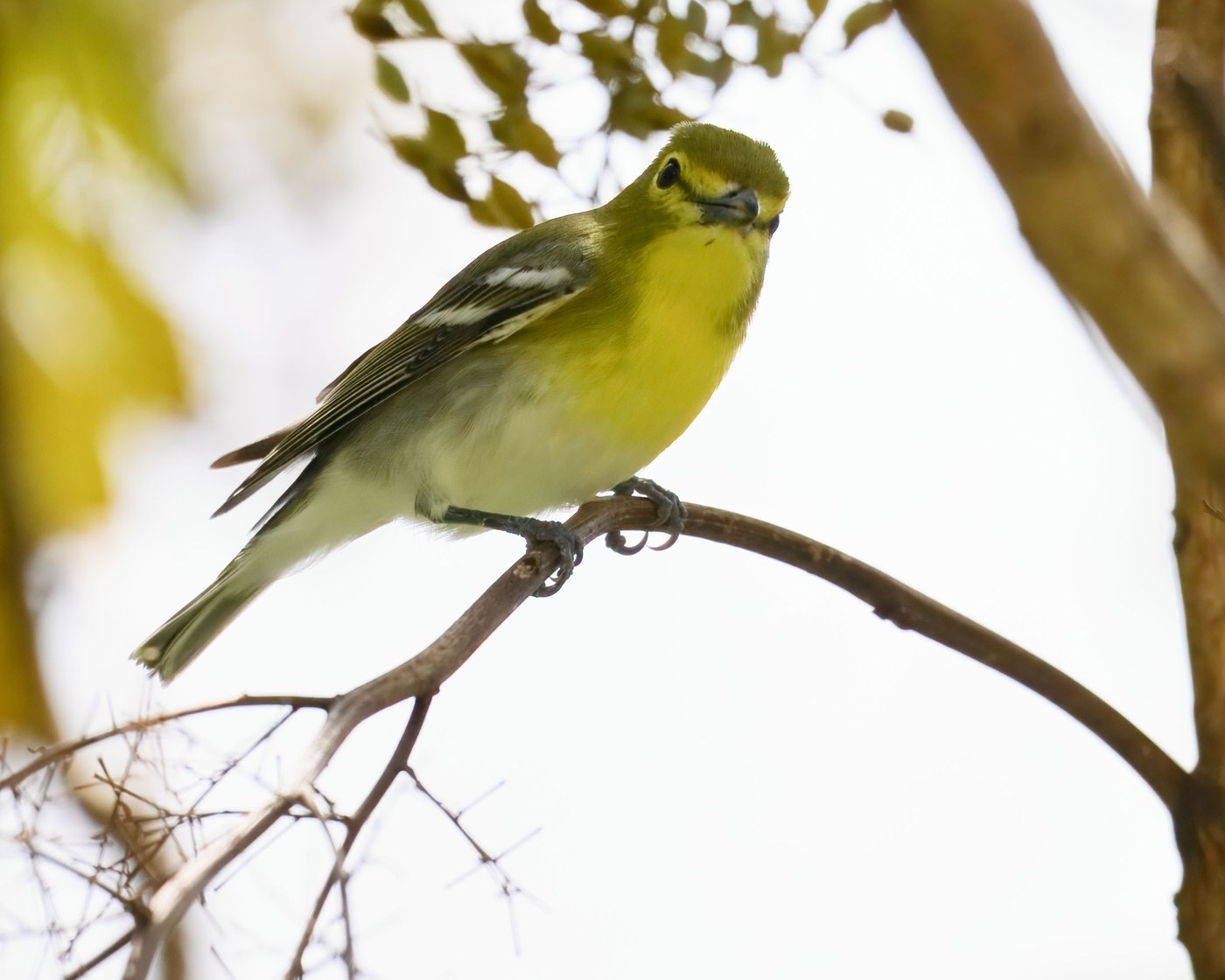
Yellow-throated Vireo
Bright yellow throat and spectacle feathers; olive-green back feathers; two white wing-bar feathers

Yellow-rumped Warbler
Small contour and flight feathers
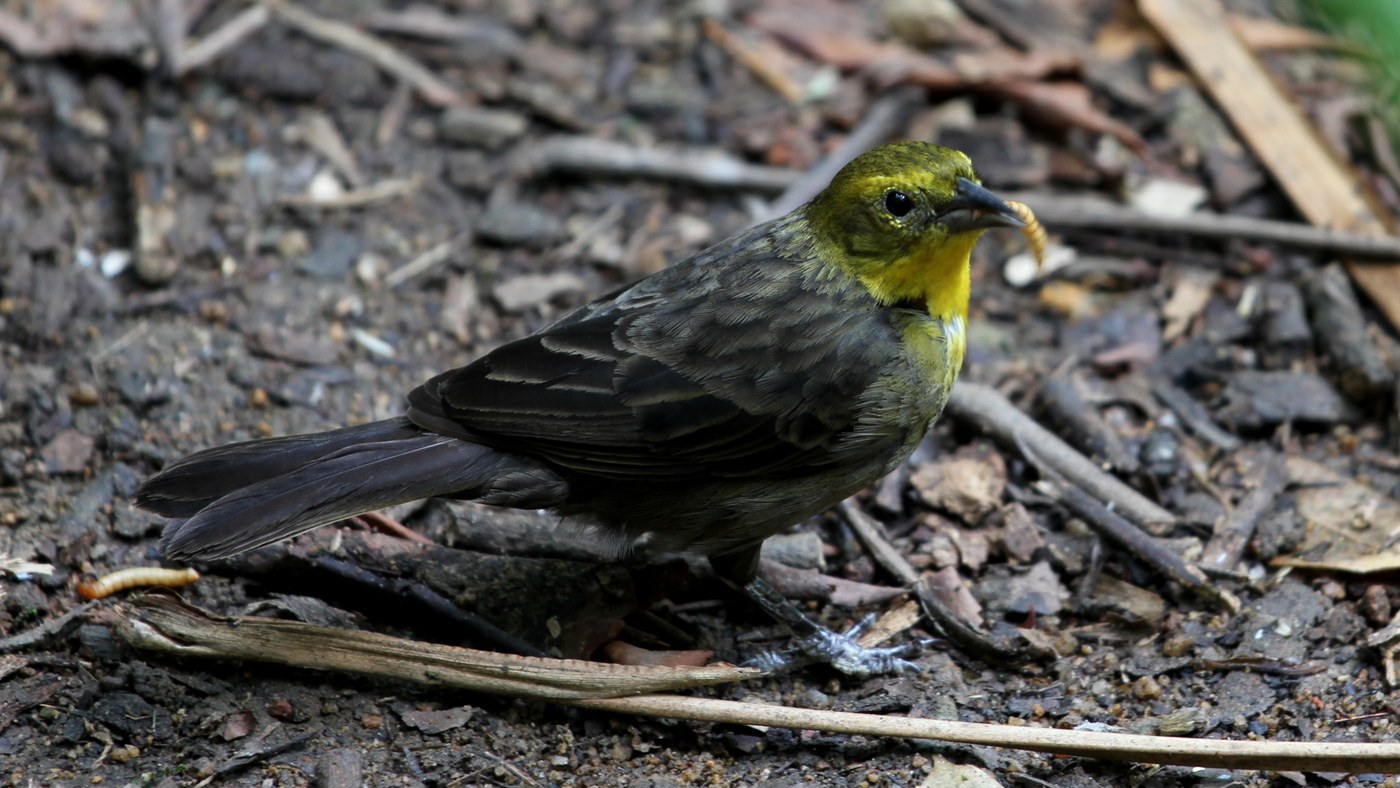
Yellow-hooded Blackbird
Contrasting hood and body feathers
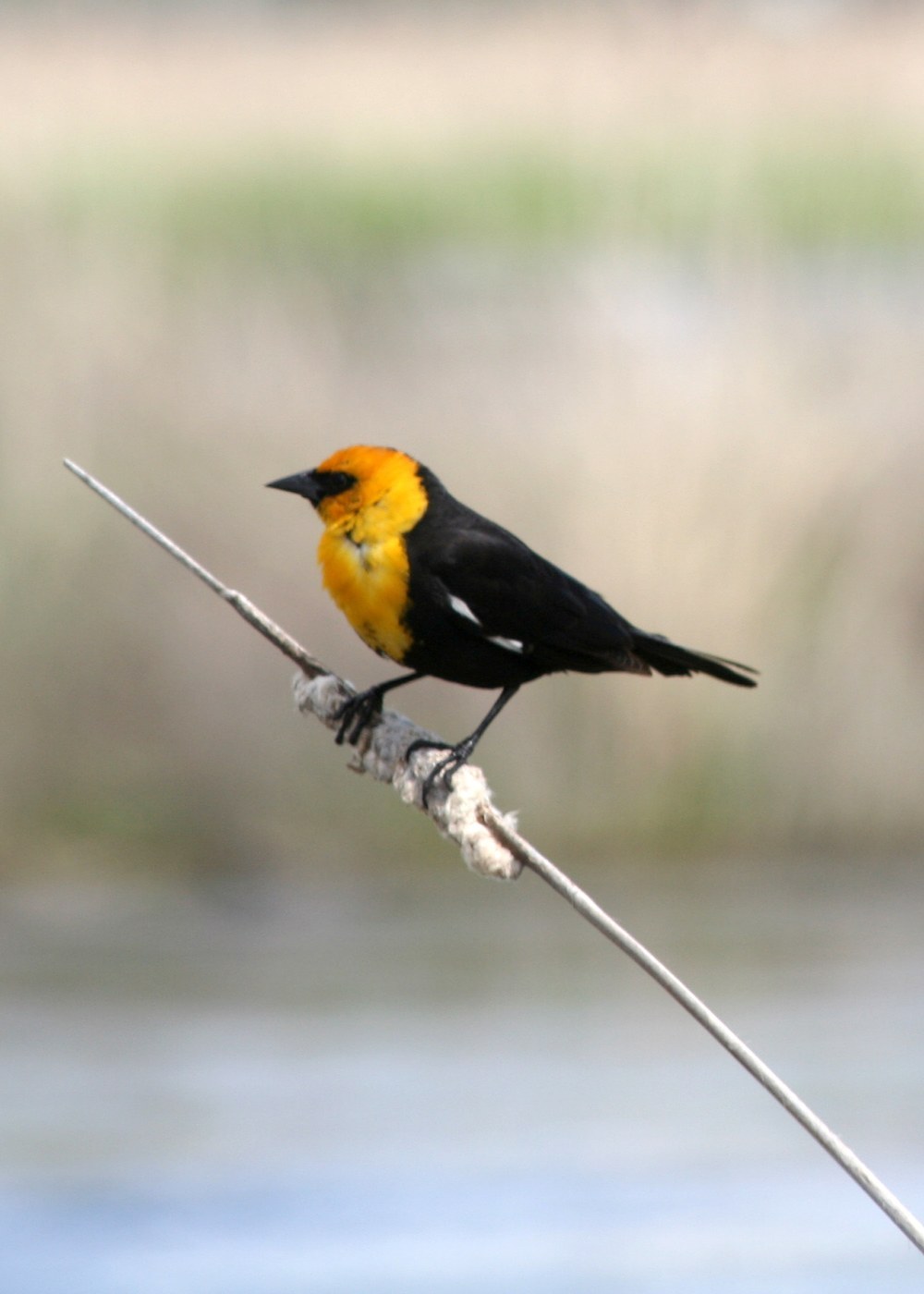
Yellow-headed Blackbird
Glossy black body plumage with a bright yellow head and breast

Yellow-eyed Junco
Contour and flight feathers

Yellow-fronted Canary
Small, smooth body plumage

Yellow-breasted Greenfinch
Compact, smooth body plumage