

Great Horned Owl
Bubo virginianus
One of the most widespread and powerful owls in the Americas, instantly recognizable by its prominent ear tufts and richly mottled brown plumage built for silent, nocturnal flight.
- Feather type
- Large soft-fringed flight feathers; mottled contour body feathers; prominent ear tufts
- Colours
- Mottled brown, grey and black with fine vermiculations and a rufous facial disc
- Bird size
- Large, ~46-63 cm
Found a feather like this?
Identify any feather from a photo, free.
Overview
The Great Horned Owl is a large, powerful nocturnal predator found across nearly the entire Western Hemisphere, from the Arctic tree line to South America. It is one of the most adaptable owls, living in forests, deserts, wetlands, and even city parks.
Its prominent feather ear tufts (not true ears) and deep, resonant hooting call make it one of the more recognizable owls, though it is most often heard rather than seen due to its nocturnal habits.
Its feathers are a study in cryptic camouflage - fine mottling and vermiculations that break up its outline against tree bark, combined with soft, fringed edges that allow near-silent flight.
Identifying the Feather
Recognizing the feathers
- Flight feathers are large and broad, with soft, comb-like fringed leading edges and velvety trailing edges that muffle airflow noise - a hallmark of owl feathers generally, but notably large in this species.
- Body feathers show fine, dense mottling of brown, grey, and black (vermiculations) rather than bold spots or bars, giving a marbled bark-like look.
- Facial disc feathers are stiff and reddish-brown to buffy, forming a distinct heart-to-round shaped disc.
- Ear-tuft feathers are elongated, dark-tipped plumes on the crown, unique among most confusable species in this size class.
Similar species
- Larger overall size and coarser, darker mottling separate this species' feathers from Screech-Owls; the presence of prominent ear-tuft feathers separates it from Barred, Spotted, and Great Grey Owls, which lack ear tufts entirely.
Plumage & Molt
Plumage
Adults are richly mottled in brown, grey, buff, and black, with a distinctive white throat patch and a rufous-to-buffy facial disc rimmed in black. Plumage tone varies geographically from pale desert forms to darker, richer forms in humid regions.
Sexes look alike, though females are notably larger. Juveniles show a downier, paler, more uniformly barred plumage before acquiring adult feathering.
Molt occurs gradually over late spring through fall, with flight feathers replaced in sequence to maintain flight capability throughout the process.
Habitat & Range
Habitat & range
One of the most widely distributed owls in the Western Hemisphere, found from the subarctic boreal forest of Canada and Alaska south through the United States, Mexico, Central America, and much of South America.
It is largely non-migratory, with resident populations occupying the same general territory year-round, though some individuals shift locally with prey availability.
Behavior & Field Notes
Behavior & field notes
A powerful nocturnal hunter taking a very wide range of prey from small mammals to other birds, using acute hearing and silent flight to strike by surprise.
Its deep, rhythmic hooting (often rendered "who's awake, me too") is given especially at dusk and during the breeding season, and often begins nesting activity earlier in the year than most other birds, frequently reusing old hawk or crow nests.
A large, softly fringed flight feather or a finely mottled body feather with a rufous tinge, found beneath a large tree or under a nest platform, is a strong indicator of this widespread species.
Frequently asked questions
Why do Great Horned Owl feathers feel soft compared to other birds?
The fringed, velvety edges of owl flight feathers dampen air turbulence, enabling silent flight - a feature especially well developed in this large owl.
How can I tell a Great Horned Owl feather from a Snowy Owl feather?
Great Horned Owl feathers show dense brown-grey mottling rather than the mostly white ground color typical of Snowy Owl feathers.
Does this owl molt its feathers all at once?
No, molt is gradual and sequential, so the bird retains the ability to fly throughout the process.
Are ear-tuft feathers actual ears?
No, they are simply feather tufts used for display and camouflage; the owl's actual ear openings are on the sides of its head, hidden by the facial disc.
Great Horned Owl guides
In-depth guides for identifying and understanding Great Horned Owl.

Great Horned Owl identified by the community
Real feathers identified with Feather Identifier.


Other feathers you may enjoy

Tawny Owl
Wing (flight) and body (contour) feathers
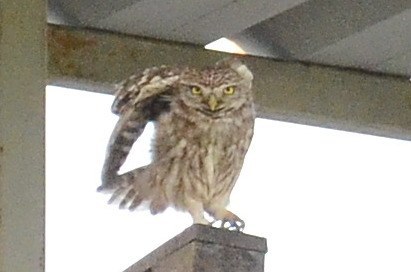
Little Owl
Wing and body feathers

Balsas Screech-Owl
Small ear-tuft feathers; soft, finely vermiculated body feathers

Blakiston's Fish Owl
Massive flight feathers with looser structure; shaggy body plumage; prominent ear-tuft feathers

Barn Owl
Wing and facial-disc feathers
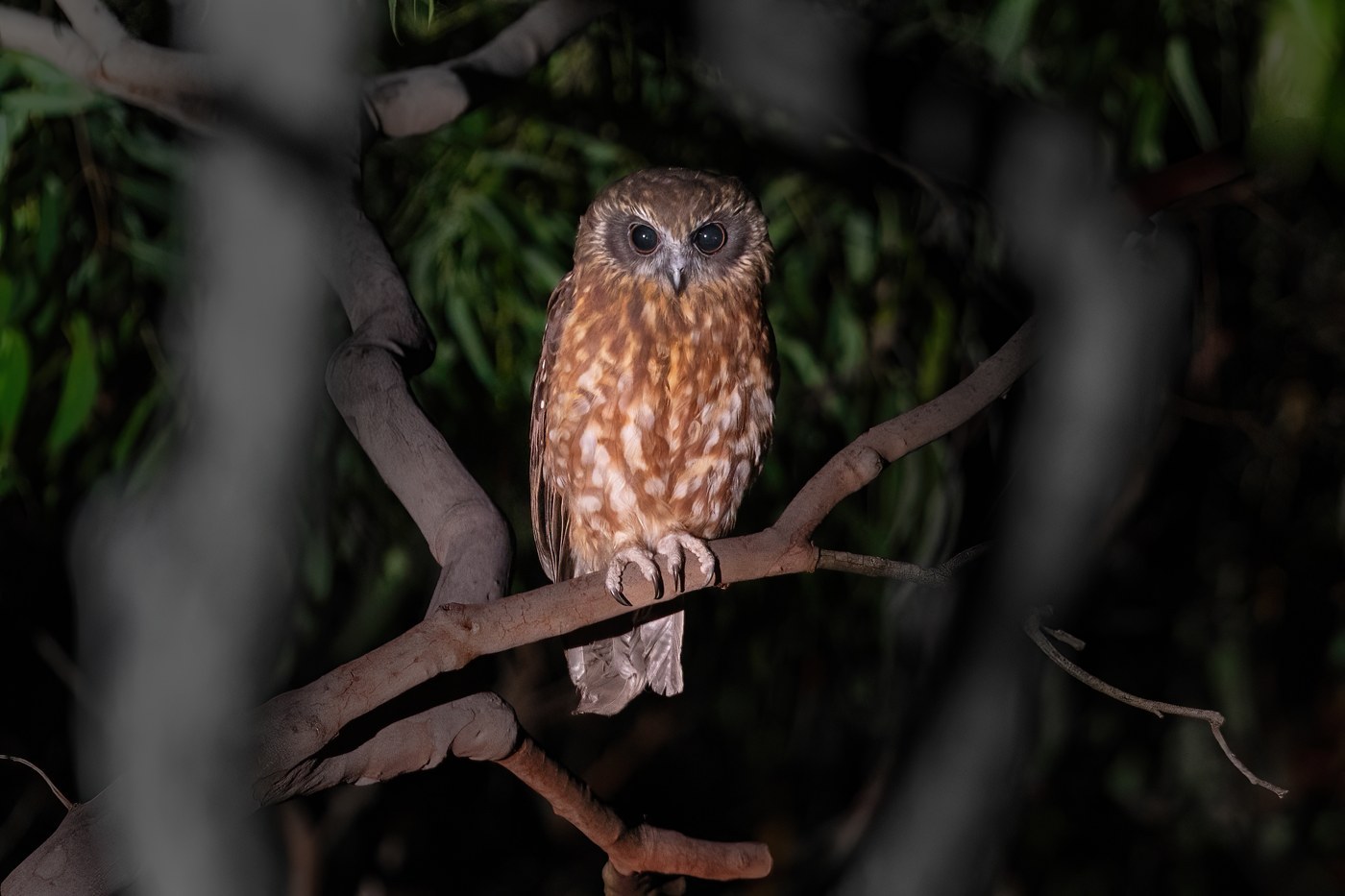
Southern Boobook
Rounded flight feathers; banded tail; spotted body plumage

Sooty Owl
Broad soft-edged flight feathers; heart-shaped facial disc feathers; finely speckled body plumage

Short-eared Owl
Broad soft-fringed flight feathers; streaked body feathers; tiny, rarely visible ear tufts

Stygian Owl
Dark, mottled flight and body feathers with long, closely-set ear tufts
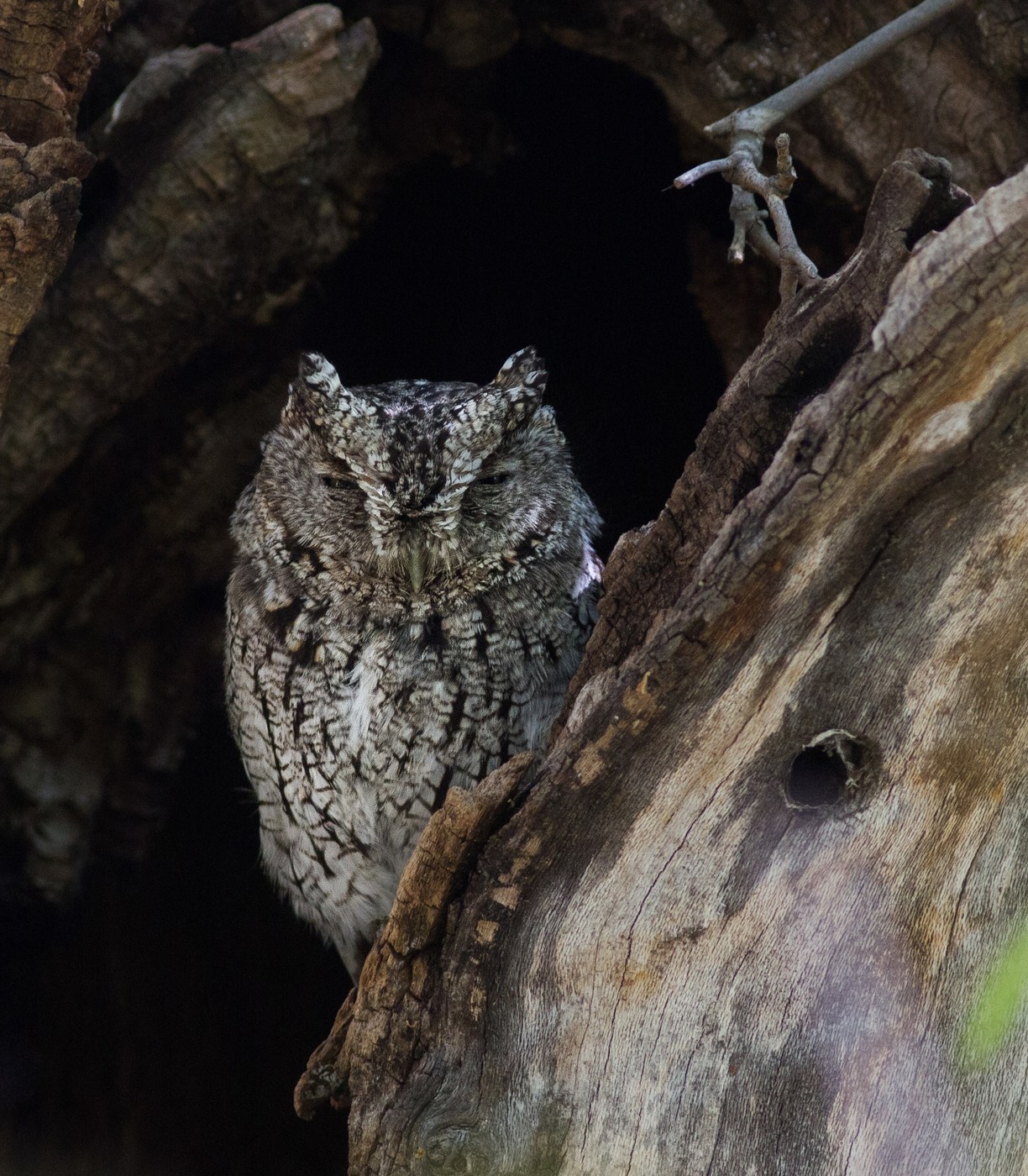
Whiskered Screech-Owl
Small soft-fringed flight feathers; finely mottled body feathers; short ear tufts
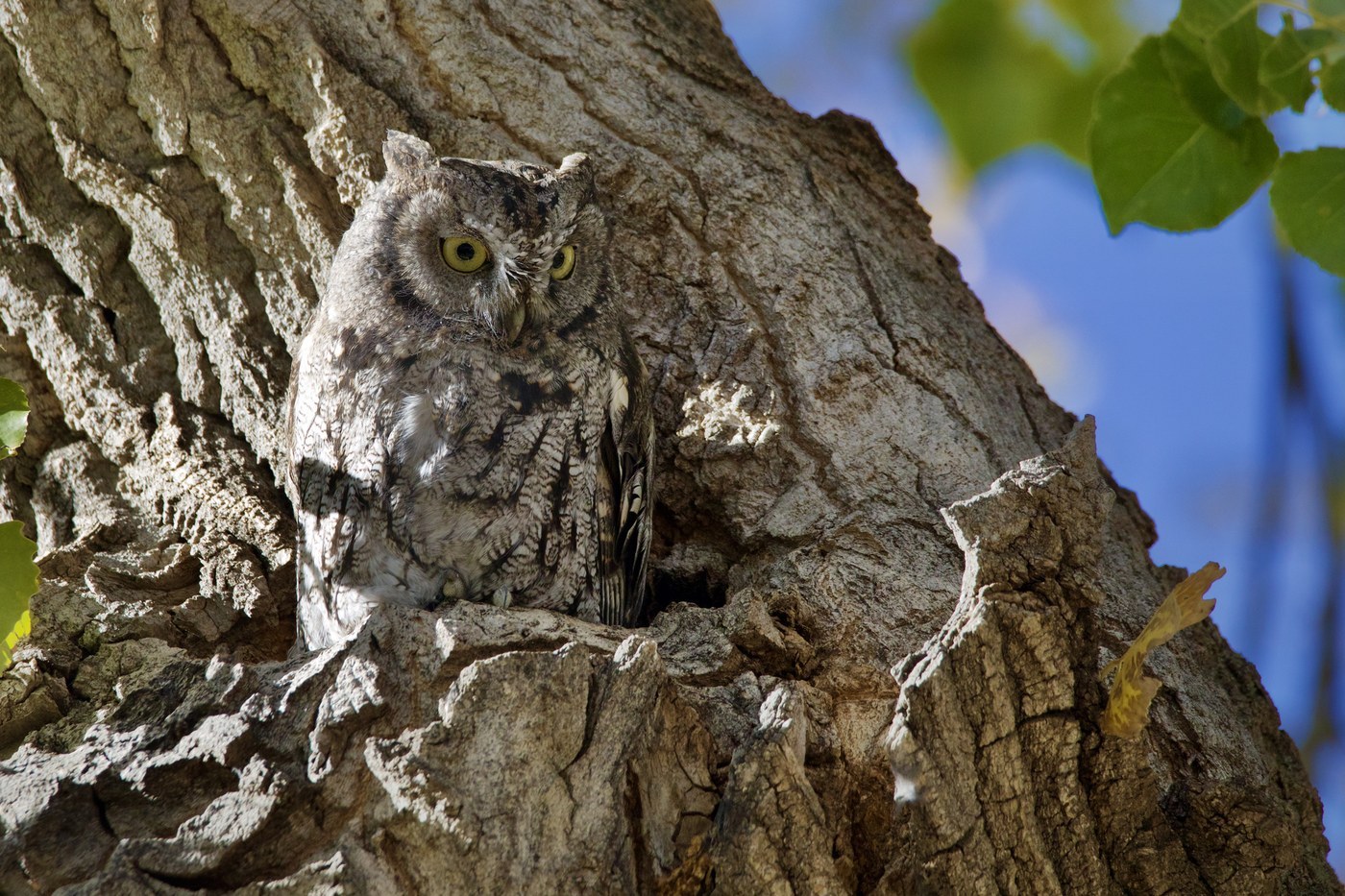
Western Screech-Owl
Small soft-fringed flight feathers; cryptic mottled/streaked body feathers; short ear tufts

White-faced Scops Owl
Small to medium flight feathers with a distinctive whitish facial disc and long ear-tuft plumes