

Green Aracari
Pteroglossus viridis
The Green Aracari is a small toucan with an overall green back and yellow underparts, showing one of the more obvious plumage-based sex differences among toucans in its head color and belly band. It lives in the forests of the Guiana Shield in small, close-knit flocks.
- Feather type
- Short, dense contour feathers, short rounded wings
- Colours
- Green upperparts, yellow underparts, with a red or chestnut belt depending on sex
- Bird size
- Jay-sized, ~33-35 cm
Found a feather like this?
Identify any feather from a photo, free.
Overview
Overview
The Green Aracari is among the smallest members of the toucan family, with a slim body and comparatively modest bill size. Its green-toned upperparts set it apart from the mostly black-backed aracaris and toucanets found elsewhere in South America.
- Small-bodied toucan restricted to the Guiana Shield region
- Green back and wings are unusual among aracaris
- Shows a clear plumage difference between males and females
Identifying the Feather
Feather Identification
The back, wings, and tail are green, a shade shared with few other toucan relatives, making shed back feathers relatively easy to place. The underparts are yellow, crossed by a colored belt whose tone differs by sex.
- Back and wing feathers: green with a slight gloss
- Belt across belly: red-orange in males, chestnut-maroon in females
- Rump: deep red, contrasting with the green back
- Head: black in males, chestnut-brown in females
The green back plumage is the fastest way to rule out most other aracari species, which typically show black upperparts.
Plumage & Molt
Plumage Notes
This is one of the few toucans with a visible plumage-based sex difference: males have black heads and a reddish belly band, while females show a chestnut-brown head and a darker, more maroon belt. Juveniles resemble females but are duller overall.
- Males: black head, red-toned belt
- Females: chestnut-brown head, darker maroon belt
- Juveniles: duller version of the female pattern before maturing
Habitat & Range
Habitat & Range
Restricted to the Guiana Shield, including parts of Venezuela, Guyana, Suriname, French Guiana, and adjacent northern Brazil, within humid lowland rainforest.
- Non-migratory resident of continuous lowland rainforest
- Generally stays within intact forest rather than edges or clearings
- Found from sea level up into lower foothill forest
Behavior & Field Notes
Behavior & Field Notes
Green Aracaris move through the canopy in small flocks, foraging on fruit and occasional small animal prey. They roost communally in tree cavities, sometimes in surprisingly large groups for their size.
- Voice: thin, squeaky calls, higher-pitched than larger toucans
- Nesting: old woodpecker holes or natural cavities, often reused across seasons
- Field notes: the green back combined with a black (male) or chestnut (female) head is the quickest plumage cue in the field
Frequently asked questions
What color are Green Aracari feathers?
The back and wings are green, the underparts yellow, and the belly crossed by a red-orange (male) or chestnut (female) belt.
Can you tell males from females by plumage?
Yes, males have black heads with a reddish belt, while females show a chestnut-brown head with a darker, more maroon belt.
Where is this species found?
Only in the Guiana Shield region of northern South America, within humid lowland rainforest.
How does this species differ from other aracaris?
Its green back plumage is unusual; most other aracari species show black upperparts instead.
Green Aracari guides
In-depth guides for identifying and understanding Green Aracari.

Other feathers you may enjoy

Common Cuckoo
Flight and body feathers
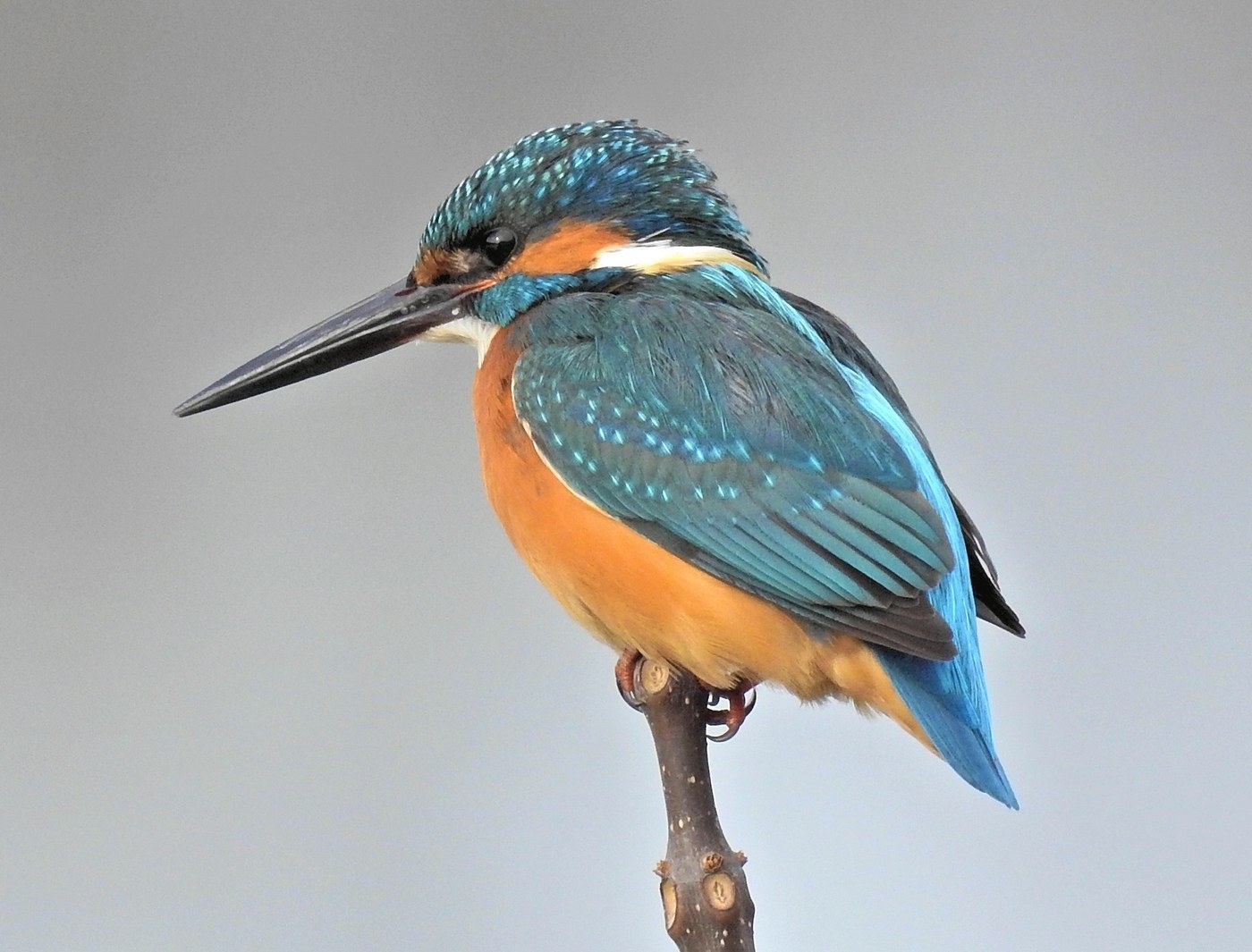
Common Kingfisher
Body (contour) and wing feathers
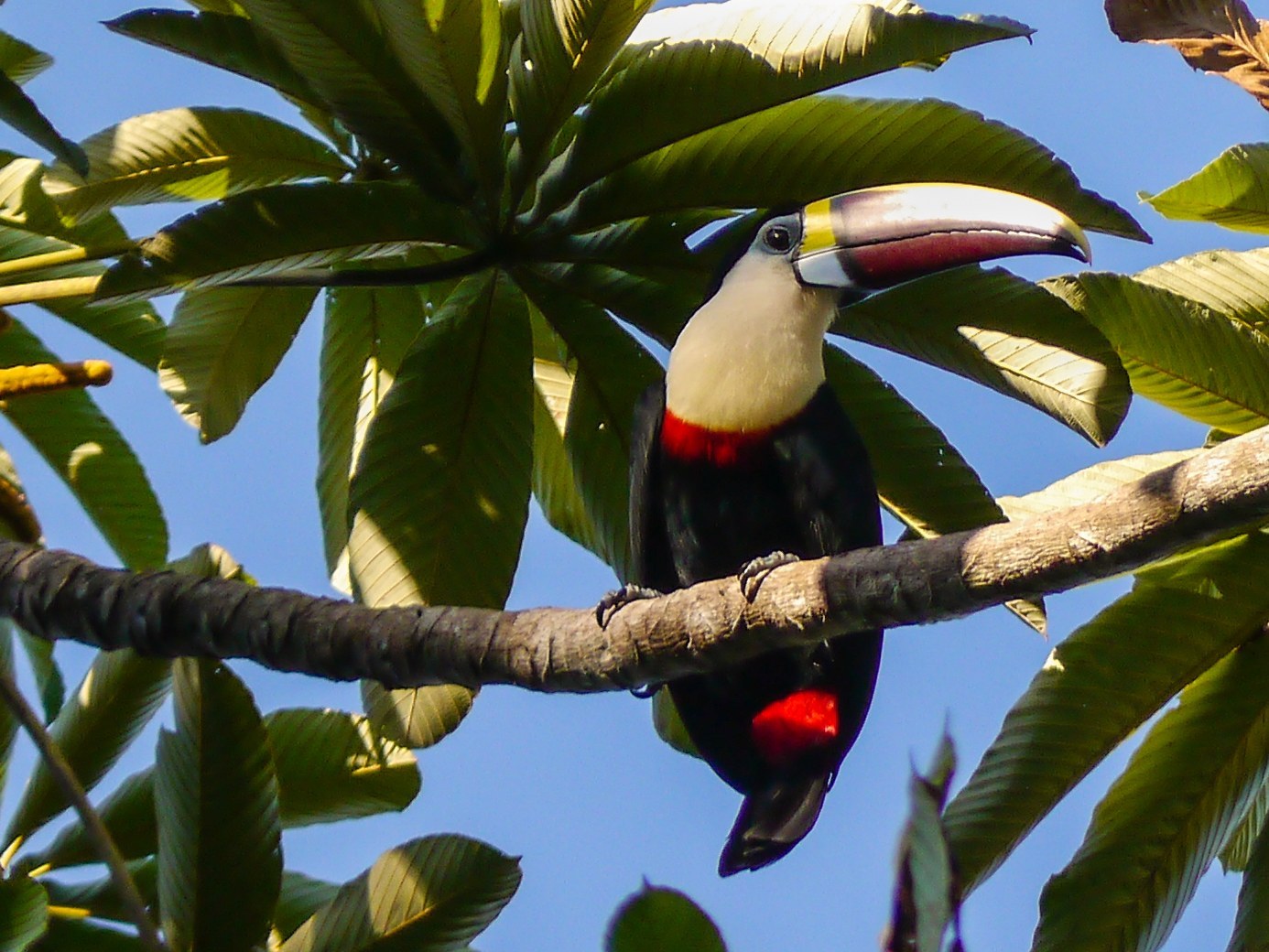
White-throated Toucan
Short rounded contour feathers, short broad wings
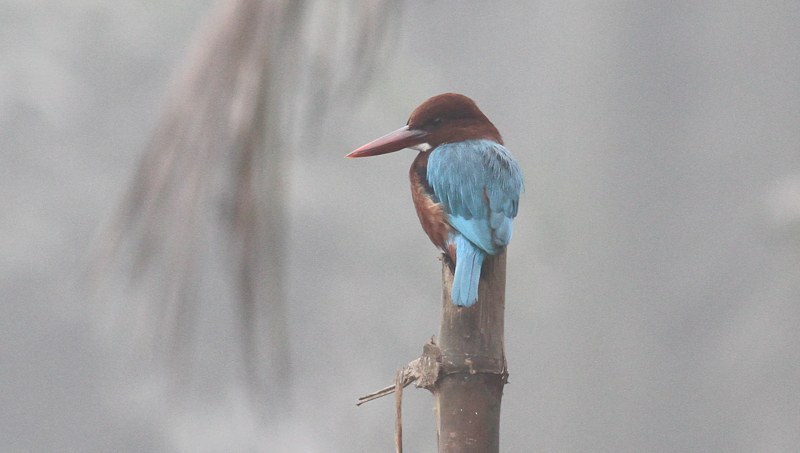
White-throated Kingfisher
Dense contour feathers; broad rounded wings

White-throated Bee-eater
Sleek, aerodynamic contour feathers; elongated central tail streamers
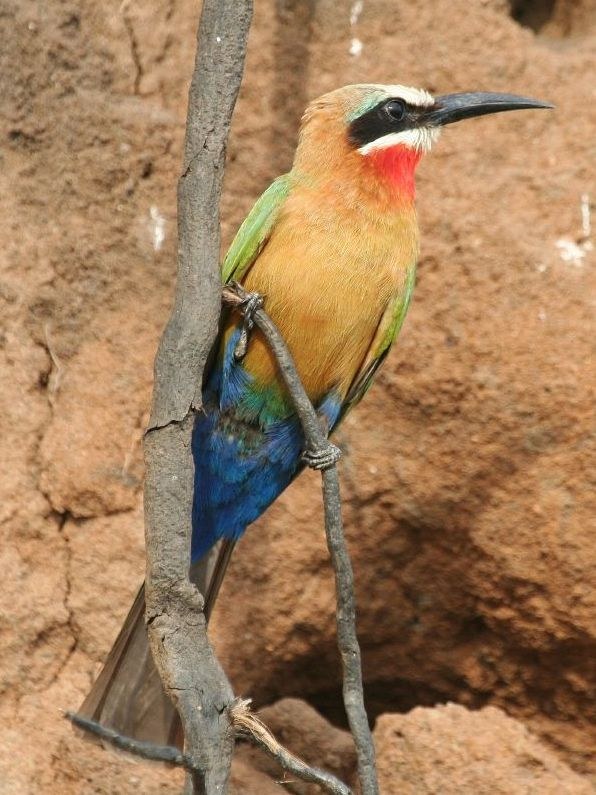
White-fronted Bee-eater
Sleek contour feathers; short tail with slight point

Southern Yellow-billed Hornbill
Slender contour feathers, moderate flight feathers
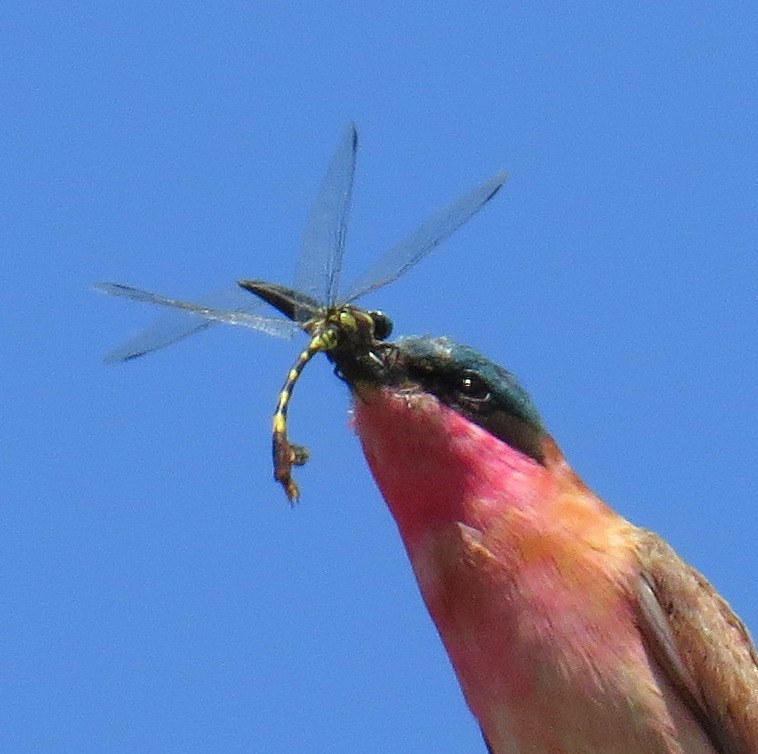
Southern Carmine Bee-eater
Sleek, pointed contour feathers; elongated central tail streamers
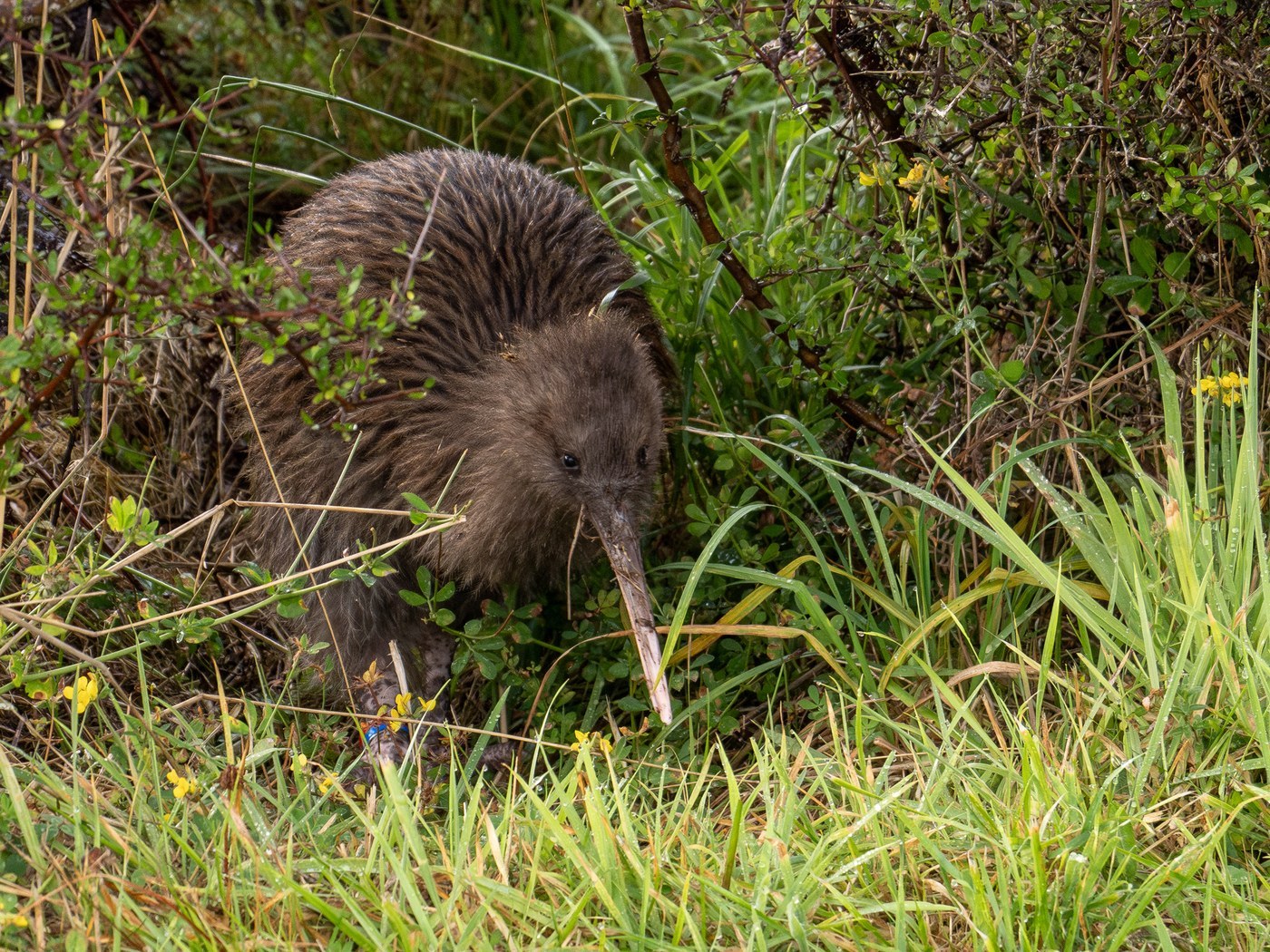
Southern Brown Kiwi
Shaggy, hair-like plumage with loose barbs lacking barbules; flightless, vestigial wings hidden beneath body feathers

Somali Ostrich
Loose, soft plumes lacking interlocking barbules

Wreathed Hornbill
Dense contour feathers, broad flight feathers

Woodland Kingfisher
Firm contour feathers; broad wing feathers