

Horned Screamer
Anhima cornuta
A large, turkey-sized waterbird of South American wetlands, unmistakable for the long, slender horn-like spine projecting from its forehead. Its blackish, white-speckled plumage and loud trumpeting calls carry across open marshland.
- Feather type
- Dense, coarse contour feathers; bony spurs on the wing are a skeletal, non-feather feature
- Colours
- Blackish overall with fine white speckling on the head and neck, and a white belly
- Bird size
- Large, goose- to turkey-sized, ~84-95 cm
Found a feather like this?
Identify any feather from a photo, free.
Overview
Overview
The Horned Screamer is a large, distinctive waterbird of tropical South American wetlands, named for the long, thin, forward-curving horn of keratin that projects from its forehead, unique among birds. Its blackish plumage is densely speckled with white on the head and neck, and the belly is white. Despite its bulk, it is capable of strong flight and is often heard before it is seen, given its extremely loud, far-carrying trumpeting calls.
Identifying the Feather
Feather Identification
- Body: Blackish overall, with fine white speckling densely covering the head and neck, giving a salt-and-pepper look.
- Underparts: Belly and undertail coverts white.
- Wings: Dark, with sharp bony spurs at the bend of the wing - a skeletal feature rather than feathering, but diagnostic of screamers as a group.
- Forehead: A long, thin, forward-curving horn of keratin projects from the forehead, unique among birds and not a feather structure.
- Tail: Dark and relatively short.
- Versus similar species: The Southern Screamer lacks the forehead horn and instead shows a gray body with a dark neck collar.
Plumage & Molt
Plumage Notes
Sexes are alike. Juveniles are duller and less speckled, and the forehead horn is shorter, developing further with age. A single complete molt occurs annually.
Habitat & Range
Habitat & Range
The Horned Screamer is found in tropical South America from Colombia and Venezuela south through the Amazon basin. It inhabits freshwater marshes, swamp forest edges, oxbow lakes, and wet savanna, and is largely resident.
Behavior & Field Notes
Behavior & Field Notes
Horned Screamers forage mainly on aquatic and marsh vegetation. They are often seen in pairs or small groups perched in trees or standing in open marsh, and give extremely loud, far-carrying trumpeting calls, especially at dawn and dusk. Nests are built on the ground or on floating vegetation near water.
Frequently asked questions
What is the horn on a Horned Screamer's head made of?
It is a long, thin, forward-curving structure of keratin projecting from the forehead, a feature unique among birds and not made of feathers.
How can you tell a Horned Screamer from a Southern Screamer?
The Horned Screamer has a blackish, white-speckled body and a forehead horn, while the Southern Screamer is gray-bodied with a dark neck collar and no horn.
What do Horned Screamers eat?
They forage mainly on aquatic and marsh vegetation.
Where do Horned Screamers live?
They inhabit freshwater marshes, swamp forest edges, and wet savanna in tropical South America, mainly the Amazon basin.
Horned Screamer guides
In-depth guides for identifying and understanding Horned Screamer.

Other feathers you may enjoy

Common Cuckoo
Flight and body feathers
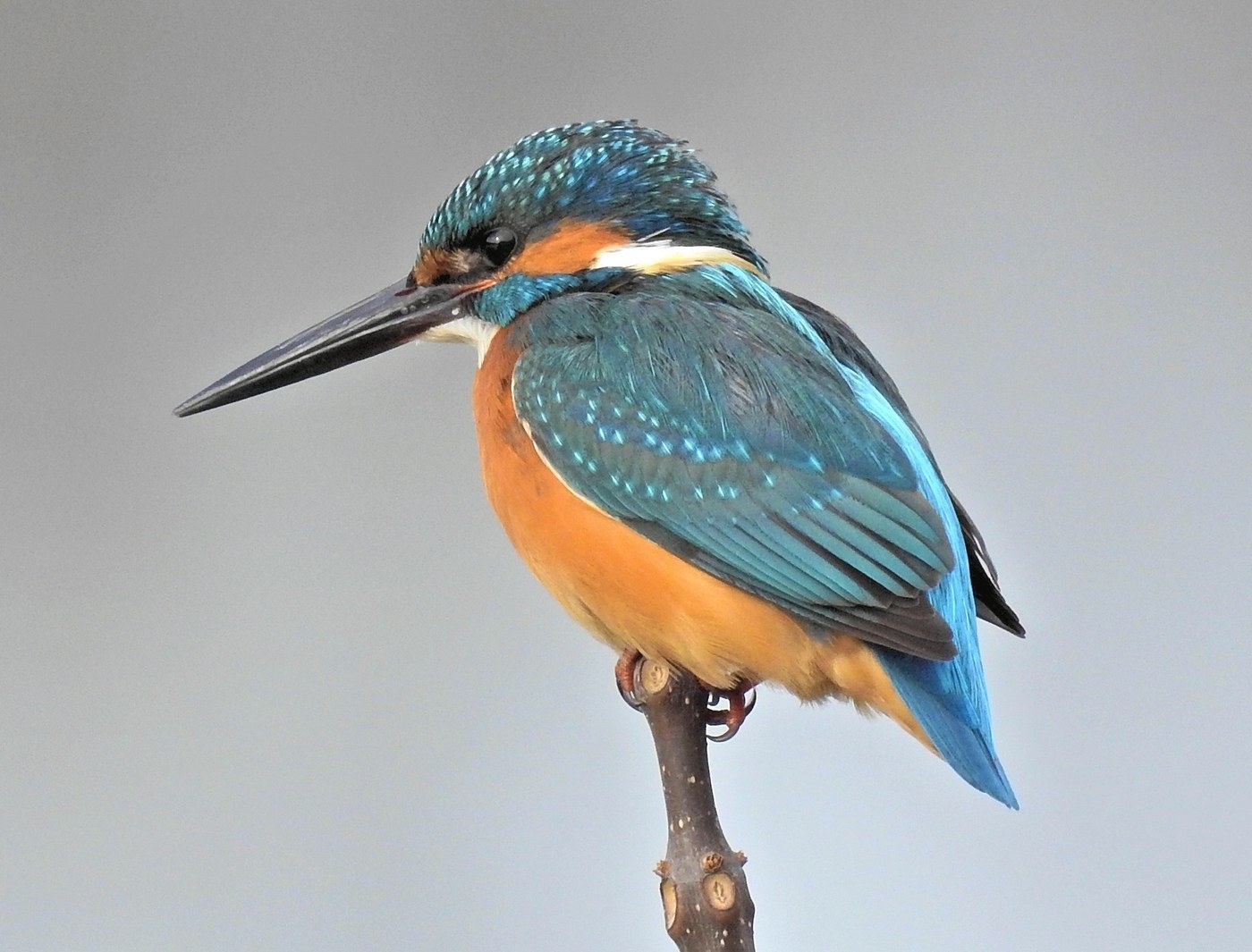
Common Kingfisher
Body (contour) and wing feathers
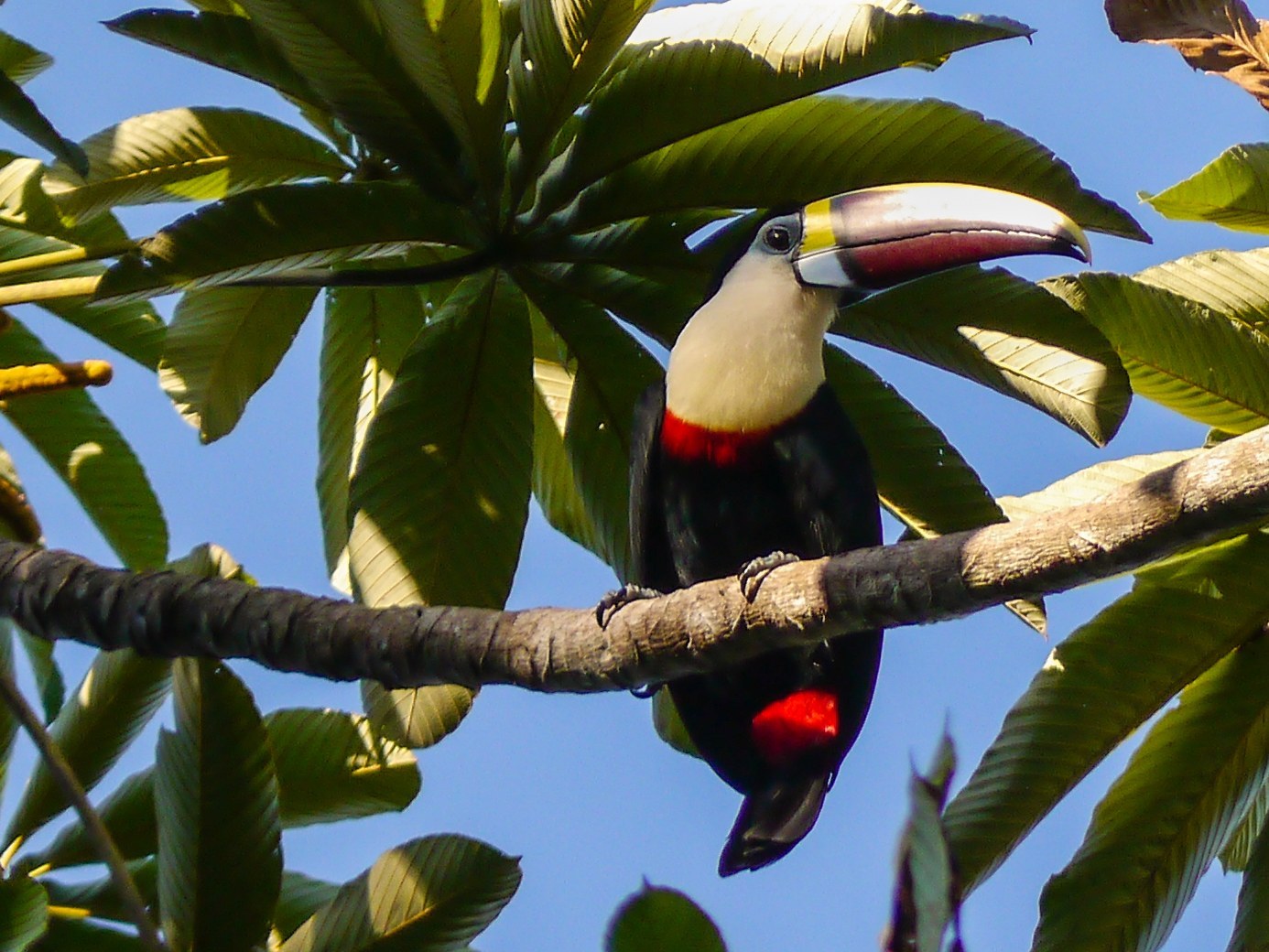
White-throated Toucan
Short rounded contour feathers, short broad wings
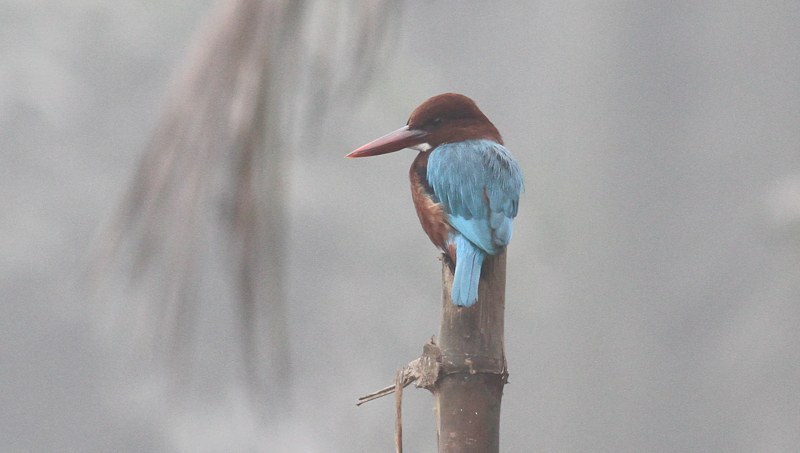
White-throated Kingfisher
Dense contour feathers; broad rounded wings

White-throated Bee-eater
Sleek, aerodynamic contour feathers; elongated central tail streamers
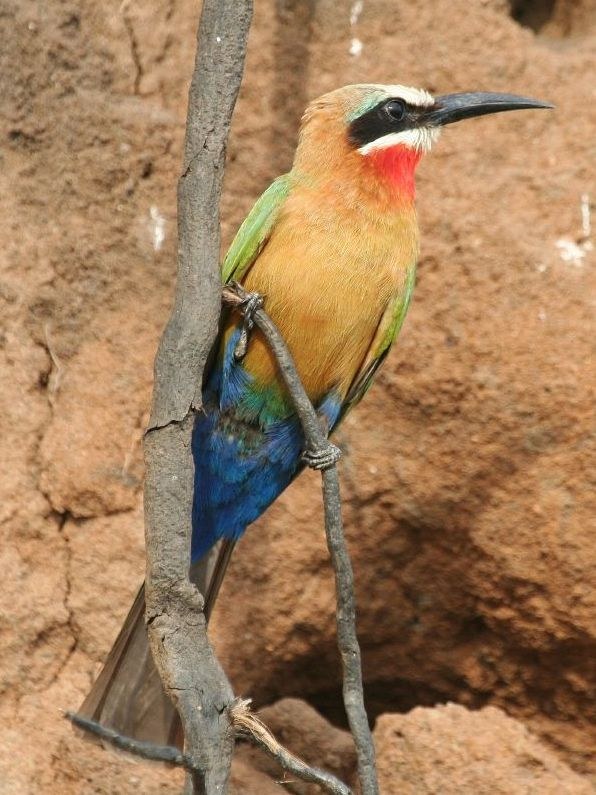
White-fronted Bee-eater
Sleek contour feathers; short tail with slight point

Southern Yellow-billed Hornbill
Slender contour feathers, moderate flight feathers
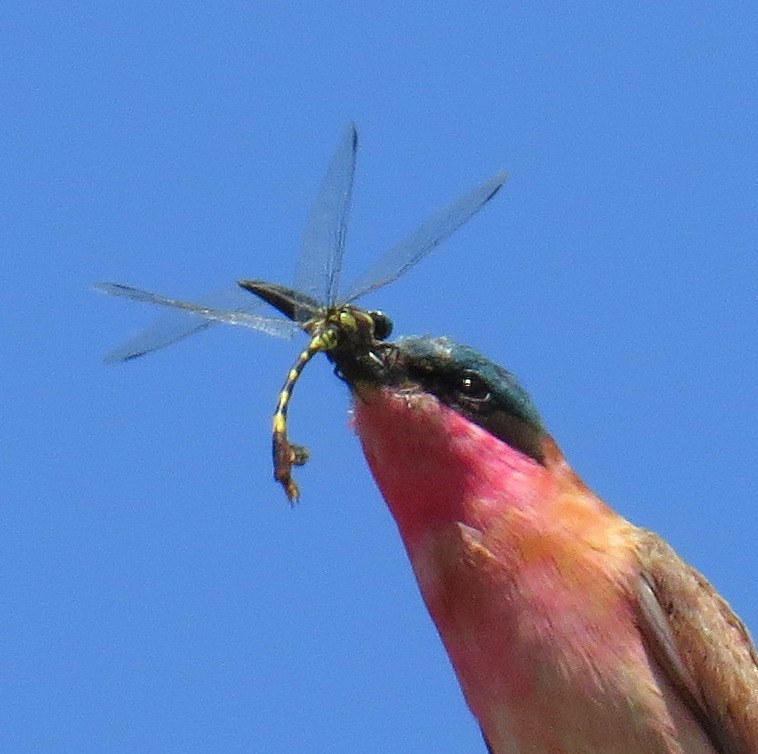
Southern Carmine Bee-eater
Sleek, pointed contour feathers; elongated central tail streamers
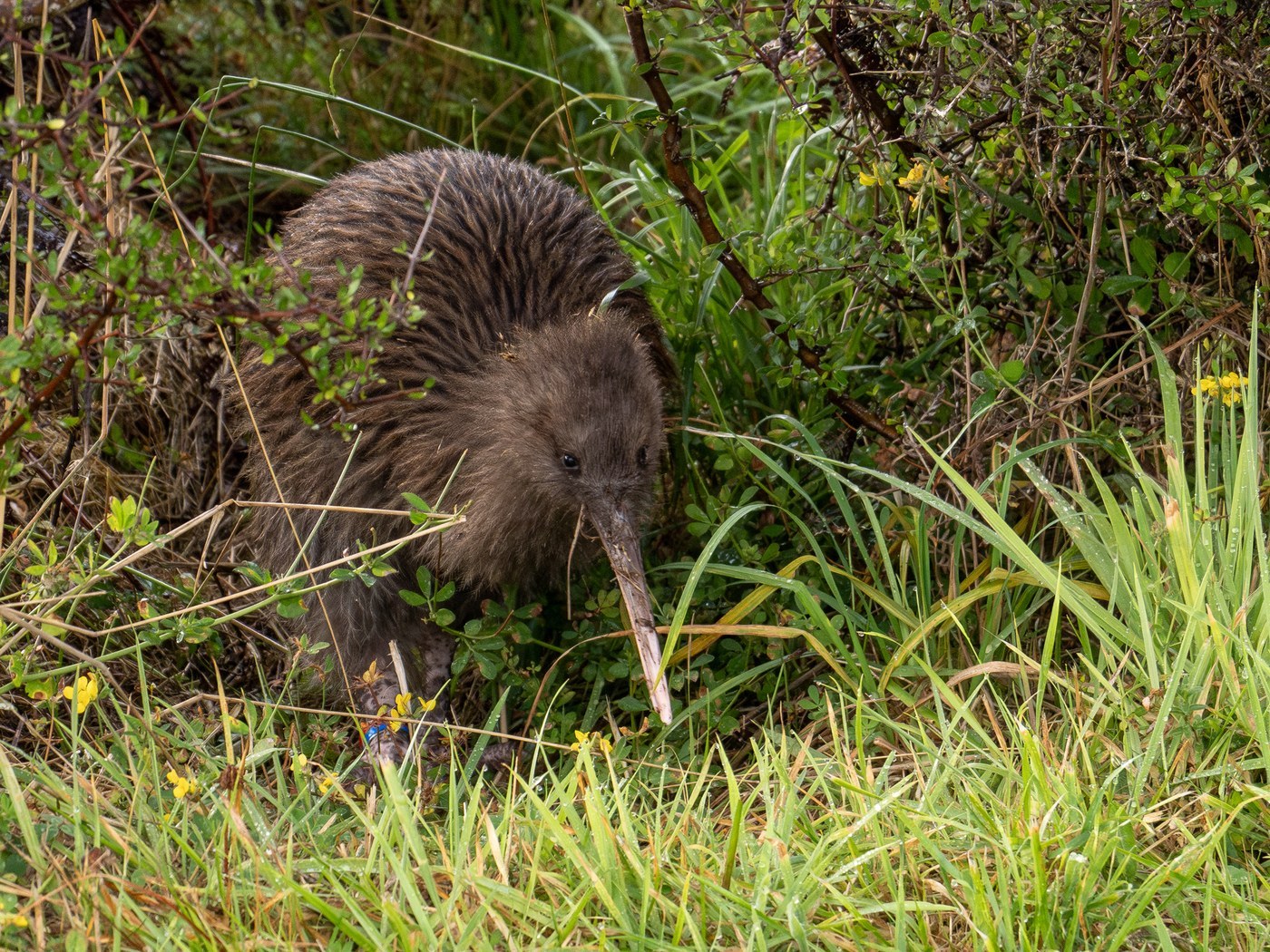
Southern Brown Kiwi
Shaggy, hair-like plumage with loose barbs lacking barbules; flightless, vestigial wings hidden beneath body feathers

Somali Ostrich
Loose, soft plumes lacking interlocking barbules

Wreathed Hornbill
Dense contour feathers, broad flight feathers

Woodland Kingfisher
Firm contour feathers; broad wing feathers