

Jack Snipe
Lymnocryptes minimus
The smallest snipe species, the Jack Snipe shows striking golden-buff back stripes with an iridescent purple-green sheen, set off by dark brown plumage, and is famous for its secretive, near-silent behavior.
- Feather type
- Body and flight feathers
- Colours
- Dark brown with iridescent purple-green back stripes and buff-striped crown
- Bird size
- Small shorebird, ~19 cm
Found a feather like this?
Identify any feather from a photo, free.
Overview
The Jack Snipe is a small, notoriously secretive shorebird found across marshes and wet grasslands of Europe and Asia, smaller and shorter-billed than the more familiar Common Snipe. Its cryptic plumage, marked by bold golden-buff stripes with an iridescent sheen, provides excellent camouflage among reeds and sedges, and it is famous for a bobbing, spring-like motion while feeding and reluctance to flush even at close range.
Identifying the Feather
Back and scapular feathers are dark brown to blackish, each marked with broad golden-buff stripes running lengthwise, and these stripes show an unusual iridescent purple-green sheen in good light, a feature not found in Common Snipe or Wilson's Snipe. The crown lacks the pale central stripe typical of most other snipe species, instead showing a more uniformly dark cap bordered by buff lines, an important distinguishing feature for head feathers. Underparts feathers are white with dark streaking limited to the breast and flanks. The tail is short, without the bold rufous banding seen in Common Snipe tail feathers. Overall the plumage is darker and more strikingly striped than other snipe species, with smaller overall feather size reflecting the bird's diminutive stature.
Plumage & Molt
Sexes look alike in plumage. Juveniles closely resemble adults, with only subtle differences in the crispness of buff feather fringing. There is minimal seasonal plumage variation. A complete post-breeding molt occurs on or near breeding wetlands before migration, with flight feathers replaced over a period during which the bird becomes more vulnerable due to reduced flight capacity.
Habitat & Range
Breeds in northern boggy wetlands, wet tundra edges, and marshy taiga across northern Europe and Asia, particularly Scandinavia and Russia. It winters across a broad swath of western and southern Europe, the Mediterranean, and parts of Africa and Asia, favoring dense marsh vegetation, wet meadows, and boggy ground with soft mud for probing.
Behavior & Field Notes
Jack Snipe forage by probing soft mud with a characteristic rhythmic, bobbing up-and-down body motion while standing, a distinctive behavior used to help detect prey. Nests are well-hidden ground scrapes in dense marsh vegetation. The species is remarkably quiet and secretive, rarely vocalizing outside the breeding season and notoriously reluctant to flush, often allowing extremely close approach before finally bursting into flight on a fast, twisting flight path. Its secretive habits make population monitoring difficult.
Frequently asked questions
How can I tell a Jack Snipe feather from a Common Snipe feather?
Jack Snipe back and scapular feathers show broad golden-buff stripes with an iridescent purple-green sheen not present in Common Snipe, and the crown lacks the pale central stripe typical of Common Snipe.
Why is the Jack Snipe hard to see in the field?
It is extremely secretive and reluctant to flush, often crouching motionless in dense marsh vegetation and allowing very close approach before finally flying off.
What is the bobbing behavior Jack Snipe are known for?
While foraging, they perform a distinctive rhythmic up-and-down bobbing motion with the body, thought to assist in detecting prey in soft mud.
Where does the Jack Snipe breed?
It breeds in boggy wetlands and marshy taiga habitat across northern Europe and Asia, particularly in Scandinavia and Russia.
Jack Snipe guides
In-depth guides for identifying and understanding Jack Snipe.

Other feathers you may enjoy
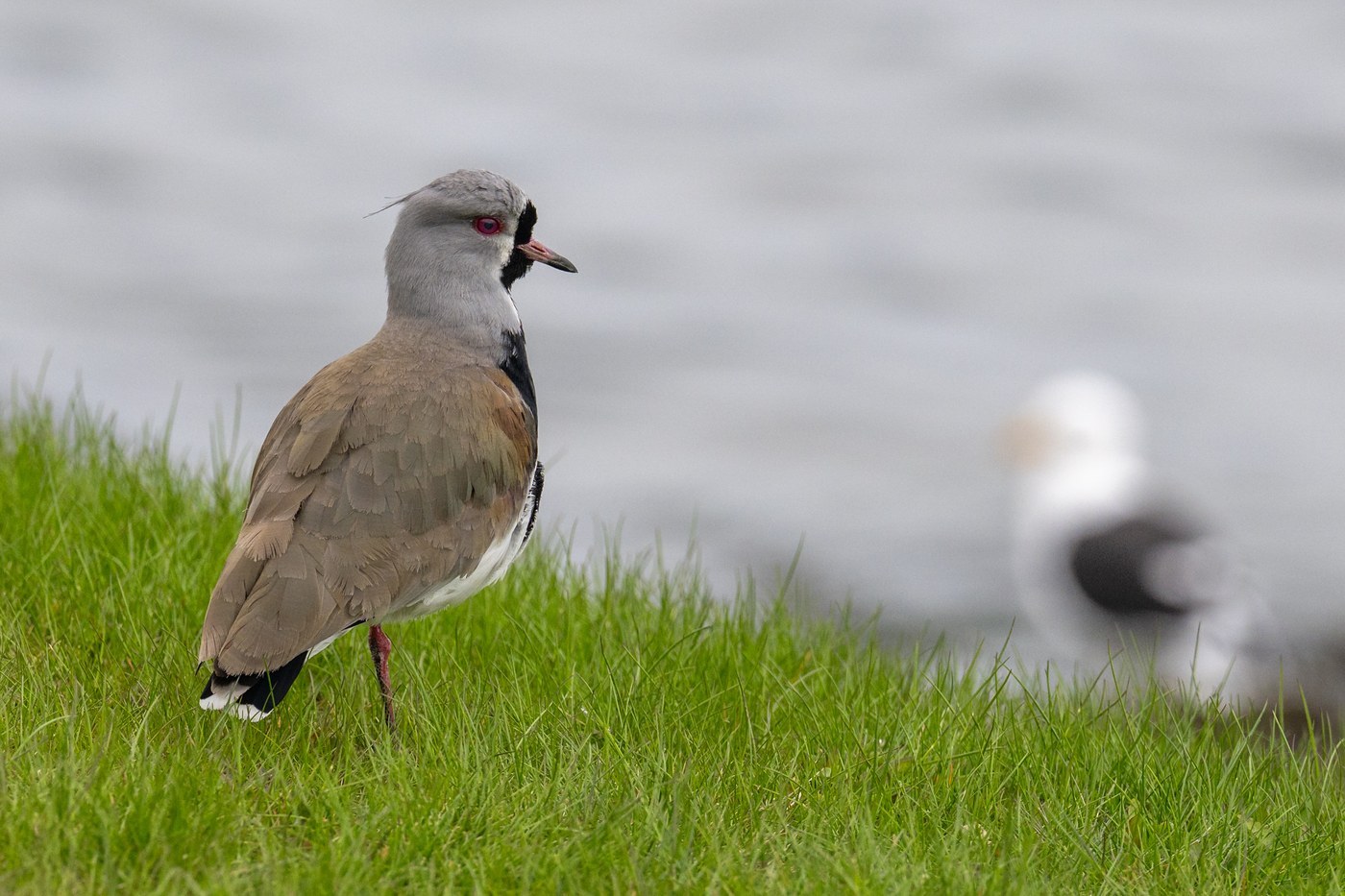
Southern Lapwing
Body, flight, and tail feathers

Far Eastern Curlew
Body, flight, and tail feathers

Terek Sandpiper
Body and flight feathers

Wilson's Phalarope
Body and flight feathers
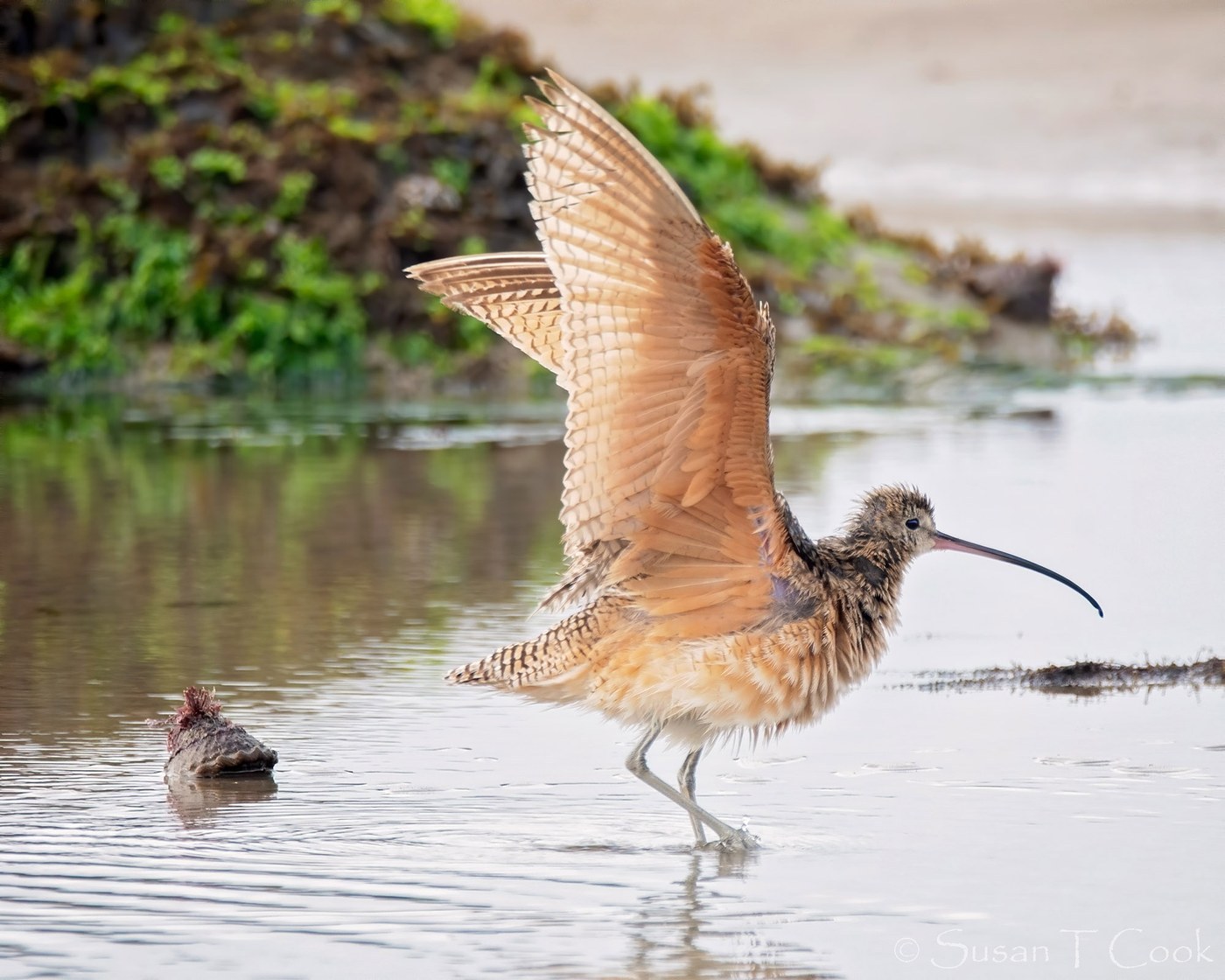
Long-billed Curlew
Body, flight, and tail feathers

Upland Sandpiper
Body, flight, and tail feathers

Red Phalarope
Body and flight feathers

Eurasian Dotterel
Body feathers
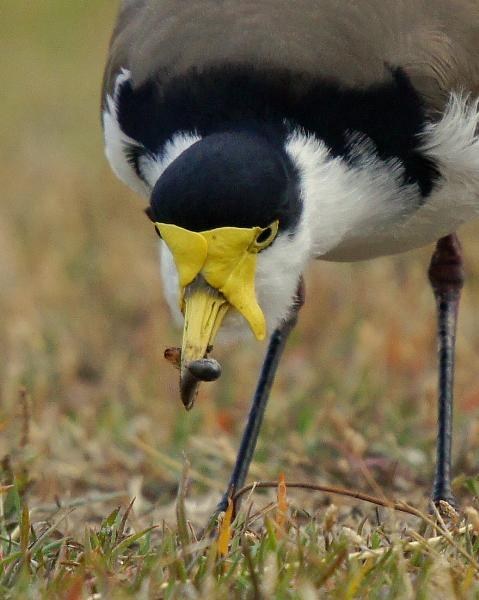
Masked Lapwing
Body, flight, and tail feathers
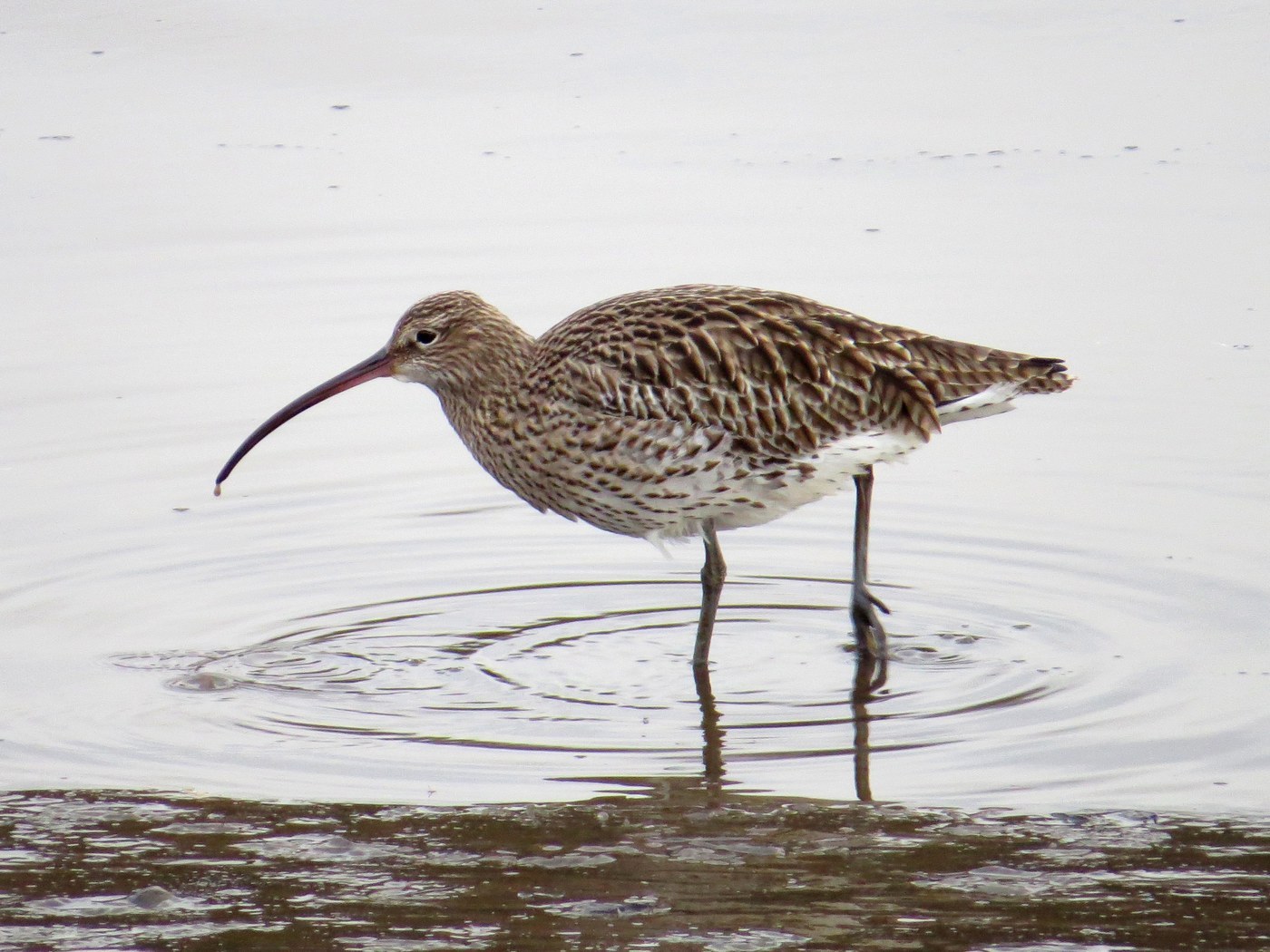
Eurasian Curlew
Body, flight, and tail feathers
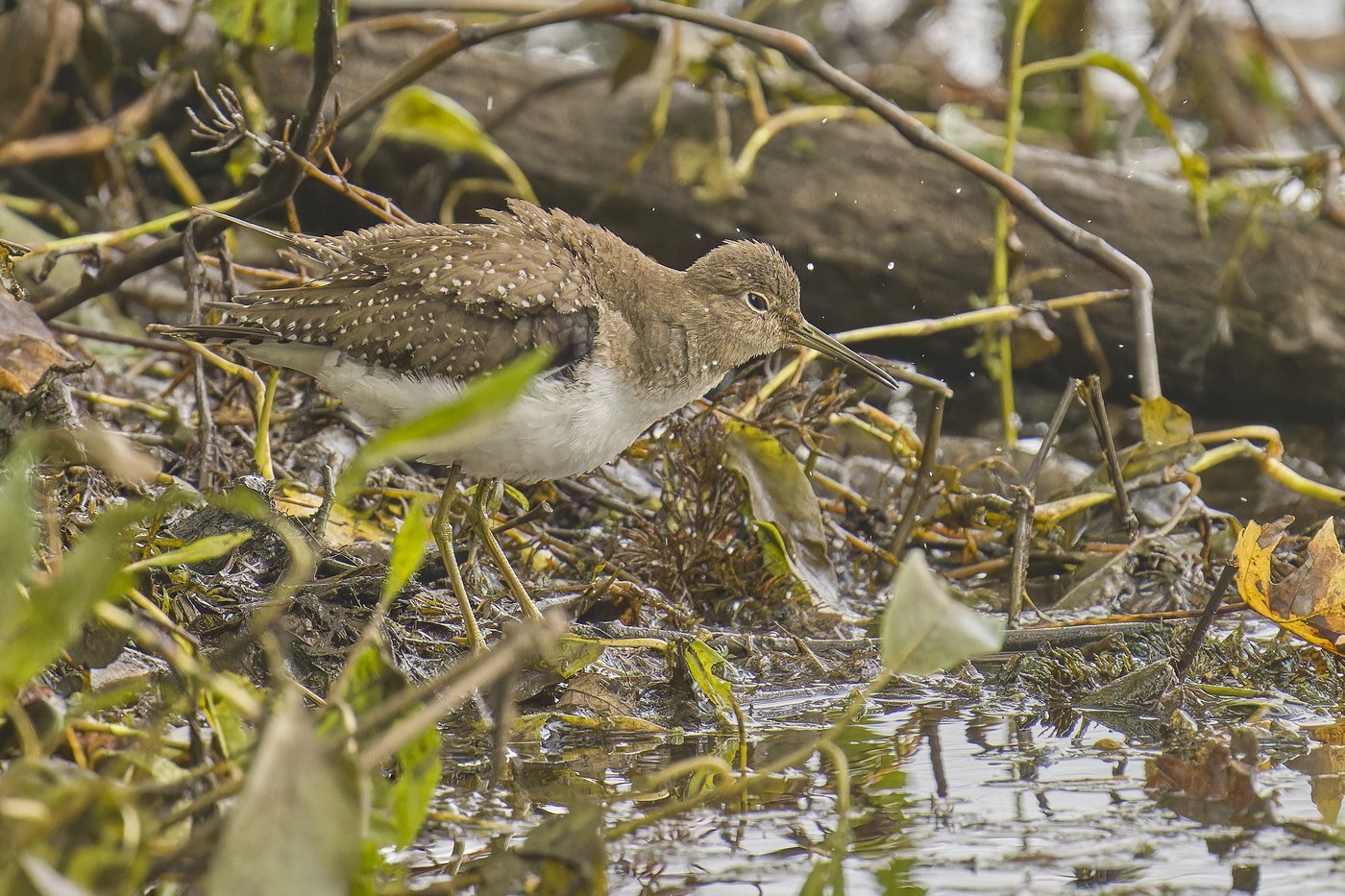
Solitary Sandpiper
Contour and flight feathers

Piping Plover
Small, pale, compact body feathers and short flight feathers typical of a beach-nesting plover