

Jamaican Owl
Asio grammicus
The Jamaican Owl is an island-endemic owl found only in Jamaica's forests and woodlands, with rich brown, finely mottled plumage and short ear tufts.
- Feather type
- Softly mottled flight and body feathers with short ear tufts
- Colours
- Rich brown with fine dark mottling and barring
- Bird size
- Medium, roughly 25-30 cm
Found a feather like this?
Identify any feather from a photo, free.
Overview
The Jamaican Owl is endemic to the island of Jamaica, occupying forest and woodland habitats across the interior and hills. It is sometimes placed in its own genus given its distinctive features, though it shares general affinities with the Asio group of eared owls.
It is a rarely observed nocturnal species, better known by its distinctive vocalizations echoing through Jamaican forest at night than by direct sightings.
As the only owl of its kind on the island, a rich brown, finely mottled feather with short ear-tuft plumes found in Jamaican forest habitat can be attributed to this species with reasonable confidence.
Identifying the Feather
Shape and Size
Flight feathers are moderate in size, roughly 16-19 cm on primaries, with soft fringed edges typical of owls.
Color and Pattern
- Rich brown ground color with fine dark mottling and barring
- Underparts paler brown with darker streaking and cross-barring
- Short ear-tuft feathers present near the crown
Shaft and Vane
Shafts are brown; vanes soft and moderately dense.
Distinguishing from Similar Species
As Jamaica's only resident owl of this general type, feather identification relies primarily on location; no other similar eared owl regularly overlaps on the island.
Plumage & Molt
Adults are rich brown overall with fine dark mottling and barring, a pale facial disc, short ear tufts, and dark eyes.
Sexes look similar, with females slightly larger. Juveniles are downier and less patterned. Adults undergo a single annual molt.
Habitat & Range
This species is endemic to Jamaica, found in forest, woodland, and wooded limestone hill habitats across the island's interior.
It is a non-migratory resident, remaining within Jamaica year-round.
Behavior & Field Notes
The Jamaican Owl is nocturnal, roosting by day in dense forest foliage. It feeds on insects, small vertebrates, and occasionally small birds.
It nests in tree cavities or dense vegetation. Its call is a distinctive, resonant hooting heard through Jamaican forest at night. A rich brown, mottled feather found on Jamaica is a strong indicator of this species given the absence of closely similar owls on the island.
Frequently asked questions
Is the Jamaican Owl found anywhere outside Jamaica?
No, it is endemic to the island and not found naturally elsewhere.
How easy is it to see this owl?
It is rarely observed directly and is more often detected by its distinctive night call.
What habitat does it prefer?
Forest and woodland, including wooded limestone hill country across Jamaica's interior.
Does it have ear tufts?
Yes, short ear tufts are present, though less prominent than in some other eared owls.
Jamaican Owl guides
In-depth guides for identifying and understanding Jamaican Owl.

Other feathers you may enjoy

Tawny Owl
Wing (flight) and body (contour) feathers
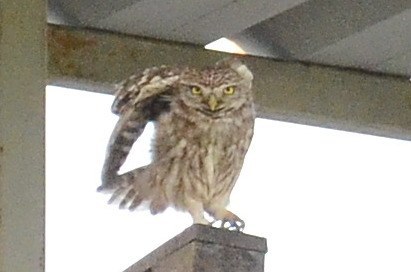
Little Owl
Wing and body feathers

Balsas Screech-Owl
Small ear-tuft feathers; soft, finely vermiculated body feathers

Blakiston's Fish Owl
Massive flight feathers with looser structure; shaggy body plumage; prominent ear-tuft feathers

Barn Owl
Wing and facial-disc feathers
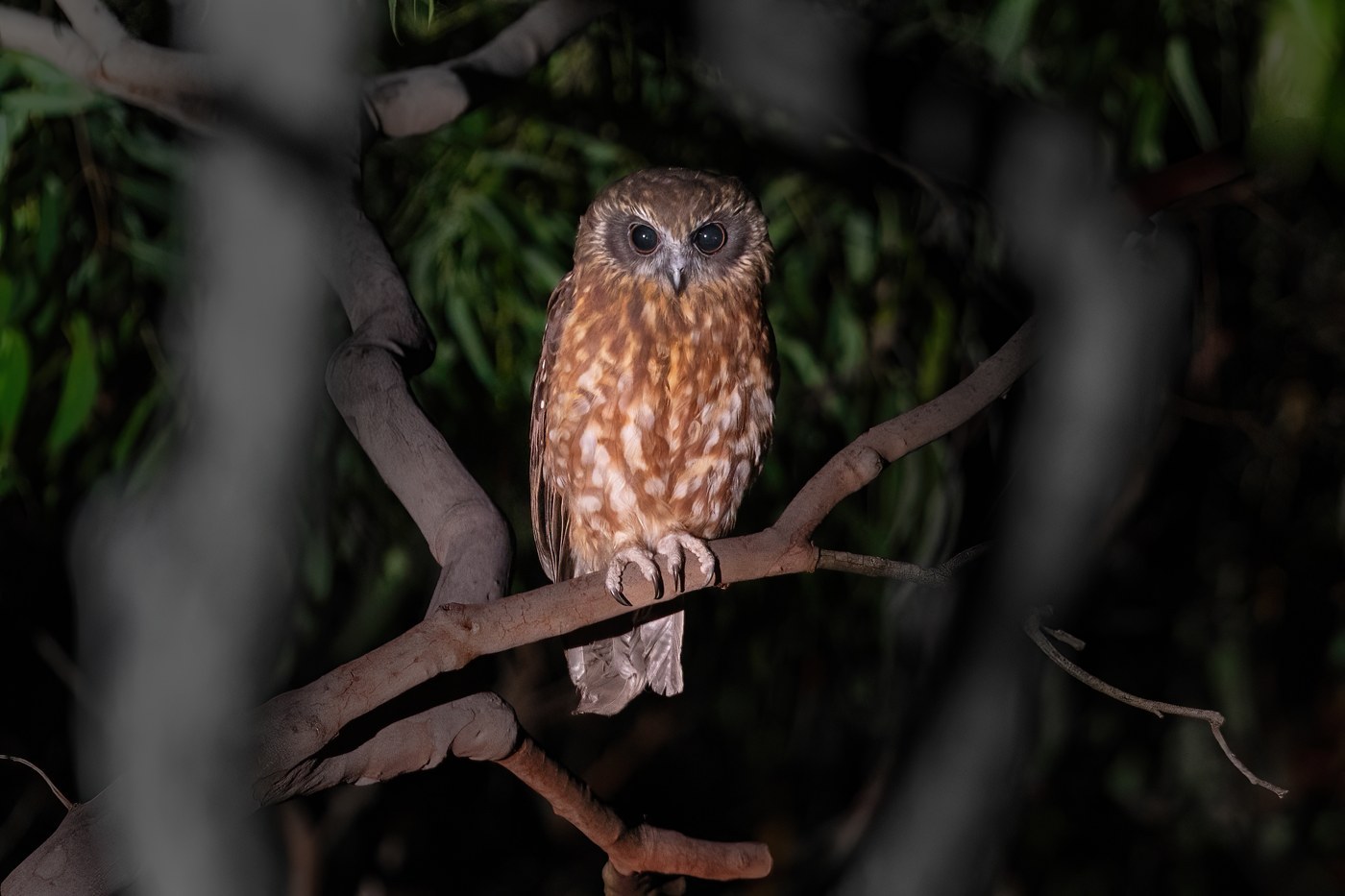
Southern Boobook
Rounded flight feathers; banded tail; spotted body plumage

Sooty Owl
Broad soft-edged flight feathers; heart-shaped facial disc feathers; finely speckled body plumage

Short-eared Owl
Broad soft-fringed flight feathers; streaked body feathers; tiny, rarely visible ear tufts

Stygian Owl
Dark, mottled flight and body feathers with long, closely-set ear tufts
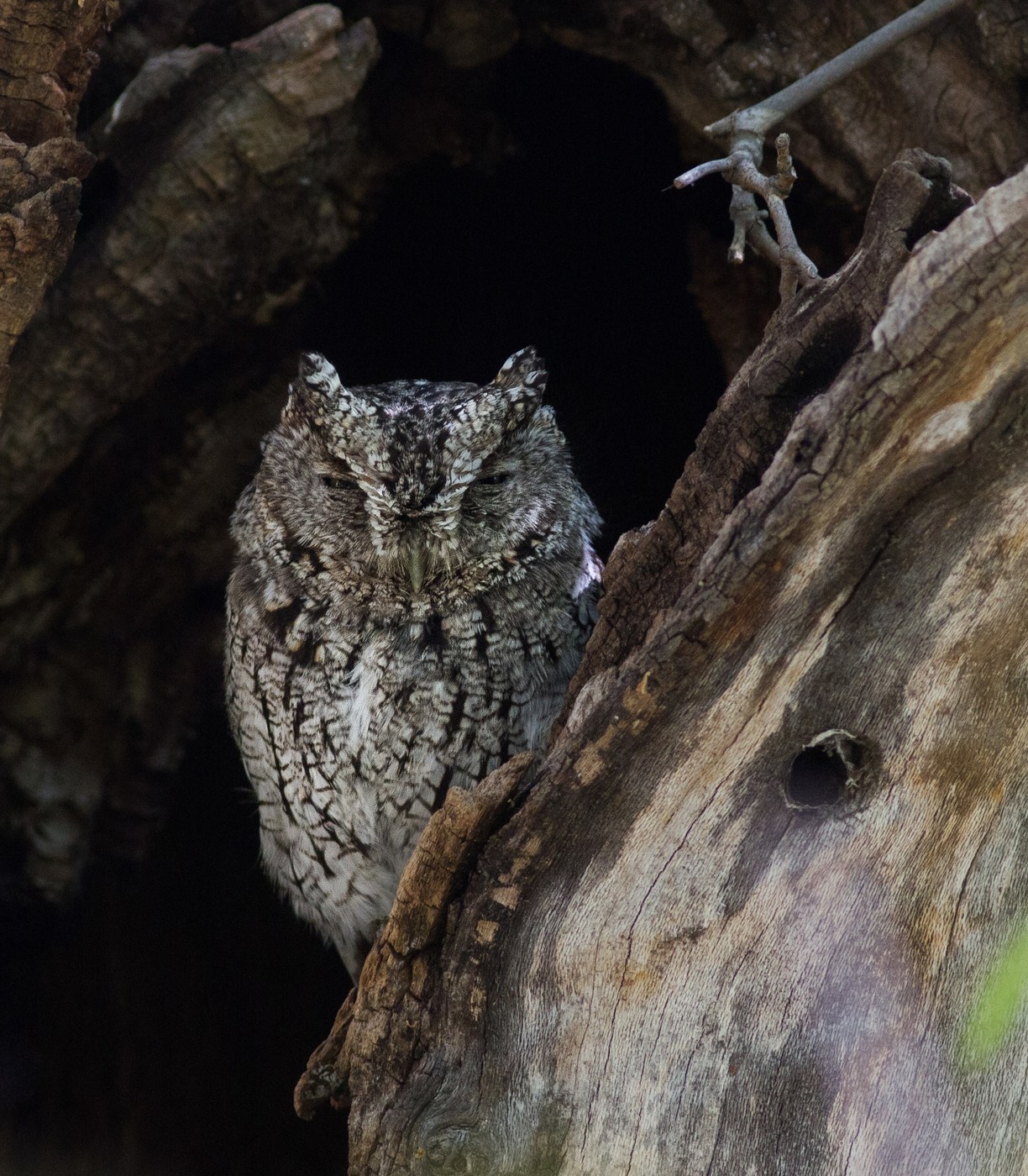
Whiskered Screech-Owl
Small soft-fringed flight feathers; finely mottled body feathers; short ear tufts
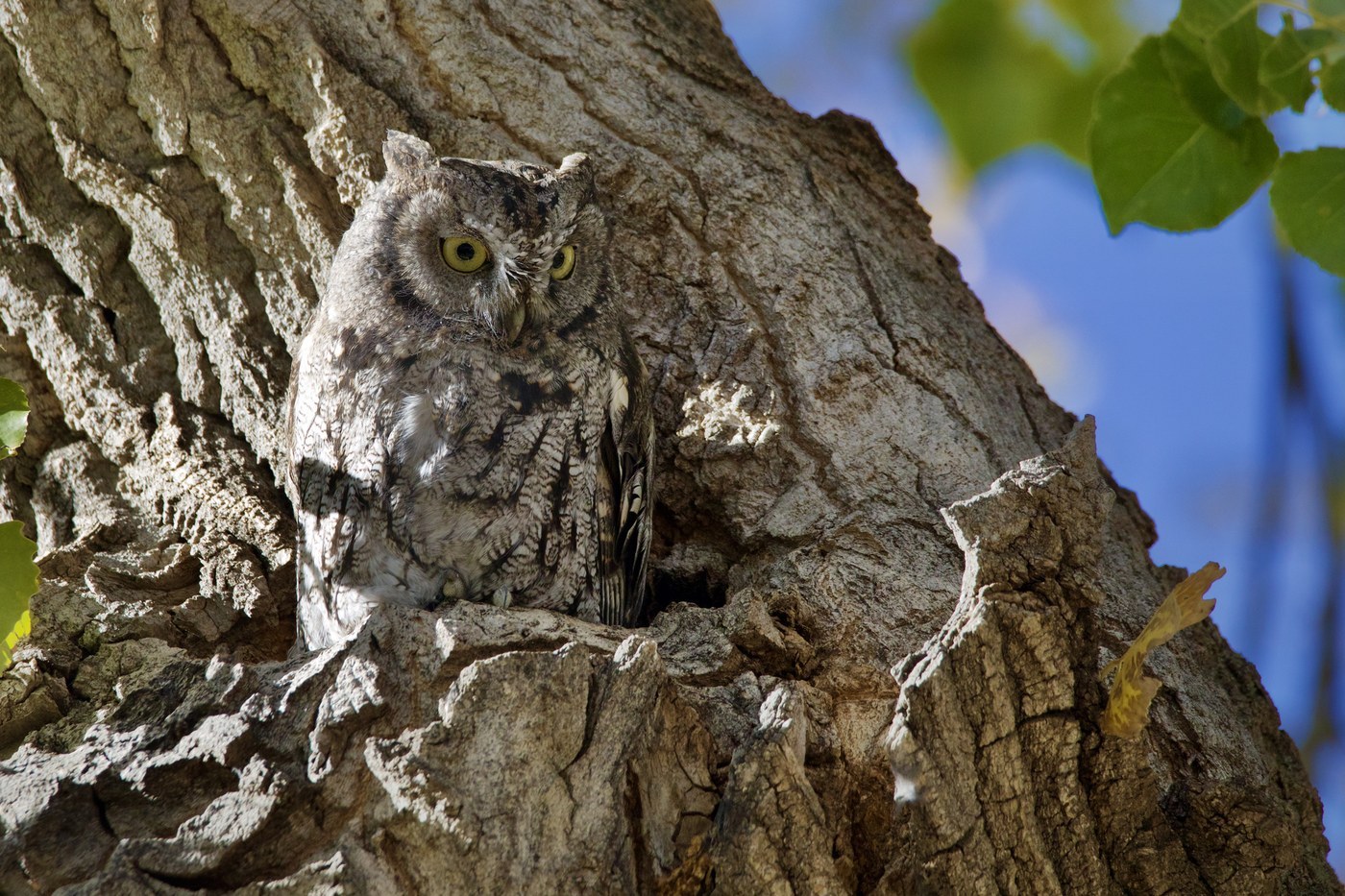
Western Screech-Owl
Small soft-fringed flight feathers; cryptic mottled/streaked body feathers; short ear tufts

White-faced Scops Owl
Small to medium flight feathers with a distinctive whitish facial disc and long ear-tuft plumes