

Laughing Owl
Ninox albifacies
An extinct New Zealand owl known for its odd, laughter-like call, with soft brown mottled plumage and a paler facial area; now known only from museum specimens.
- Feather type
- Soft, loosely structured contour feathers; broad rounded flight feathers typical of ground-foraging owls
- Colours
- Yellowish-brown to chocolate-brown, heavily mottled with pale buff and whitish streaking, pale facial area
- Bird size
- Medium owl, ~35-40 cm
Found a feather like this?
Identify any feather from a photo, free.
Overview
The Laughing Owl, also known by its Maori name whekau, was a medium-sized owl endemic to New Zealand that is now considered extinct, with the last confirmed records from the early twentieth century. It belonged to the hawk-owl genus Ninox, related to Australia's Boobook owls.
It earned its common name from its distinctive vocalization, described by early observers as a loud, laughing or shrieking series of notes carrying across the New Zealand landscape at night.
Today, knowledge of its feathers comes only from historical museum specimens, since the species no longer exists in the wild. Any feather-based identification attempt would therefore be purely of historical or educational interest.
Identifying the Feather
Size and shape
- Broad, softly structured flight feathers suited to low, quiet flight over open or semi-open ground, consistent with a species that hunted largely on the ground
- Contour feathers notably loose and soft-edged, as described from preserved specimens
Color and pattern
- Yellowish-brown to darker chocolate-brown ground color, heavily mottled with paler buff and whitish streaking
- Facial area paler than the body, though without the sharply defined disc rim seen in some other owl groups
Distinguishing from similar species
- Larger and more heavily mottled than New Zealand's surviving Morepork (Southern Boobook relative), which is smaller and more evenly colored
- No living New Zealand owl shares its combination of large size and pale, streaky mottling, so any matching historical specimen feather is notable
Plumage & Molt
Historical specimens describe a plumage of yellowish to dark brown, heavily mottled and streaked with pale buff and white, giving a soft, cryptic appearance. Sexes were reportedly similar in plumage. Because the species is extinct, modern understanding of seasonal or age-related plumage variation is limited to what survives in museum collections and early written accounts.
Habitat & Range
Formerly found across both main islands of New Zealand, in habitats ranging from forest to scrubland, tussock grassland, and rocky terrain, often nesting or roosting among rock crevices. It was a non-migratory resident. The species declined sharply after European settlement due to habitat change and introduced predators, and it is now extinct, with no confirmed sightings for over a century.
Behavior & Field Notes
Historical accounts describe it hunting largely on the ground for insects, lizards, and small mammals, including introduced species, more so than many aerial-hunting owls. It nested in rock crevices and burrows rather than tree cavities. Its call, the source of its common name, was described as a loud series of dog-like or laughing notes. As this species is extinct, these behavioral notes come entirely from historical written records rather than modern observation.
Frequently asked questions
Is the Laughing Owl still alive today?
No, it is considered extinct, with the last confirmed records dating to the early twentieth century.
Why was it called the Laughing Owl?
Early observers described its call as a loud, laughing or shrieking series of notes, quite different from typical owl hoots.
What did its feathers look like?
Museum specimens show yellowish to dark brown plumage heavily mottled with pale buff and whitish streaking.
Could I find a Laughing Owl feather today?
Extremely unlikely in the wild given its extinction; any surviving feathers would most likely be historical museum material.
Laughing Owl guides
In-depth guides for identifying and understanding Laughing Owl.

Other feathers you may enjoy

Tawny Owl
Wing (flight) and body (contour) feathers
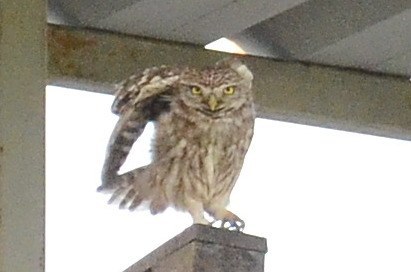
Little Owl
Wing and body feathers

Balsas Screech-Owl
Small ear-tuft feathers; soft, finely vermiculated body feathers

Blakiston's Fish Owl
Massive flight feathers with looser structure; shaggy body plumage; prominent ear-tuft feathers

Barn Owl
Wing and facial-disc feathers
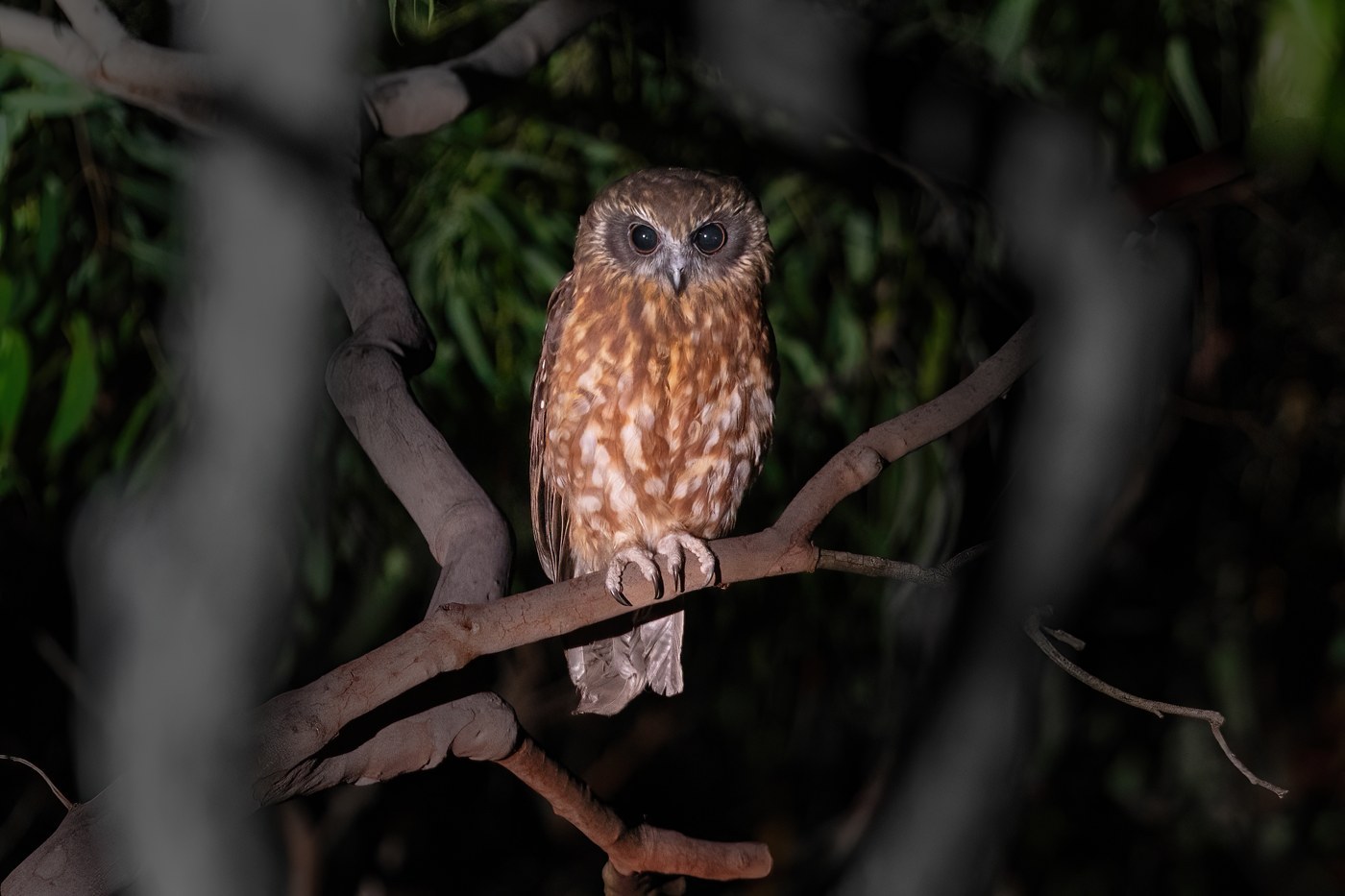
Southern Boobook
Rounded flight feathers; banded tail; spotted body plumage

Sooty Owl
Broad soft-edged flight feathers; heart-shaped facial disc feathers; finely speckled body plumage

Short-eared Owl
Broad soft-fringed flight feathers; streaked body feathers; tiny, rarely visible ear tufts

Stygian Owl
Dark, mottled flight and body feathers with long, closely-set ear tufts
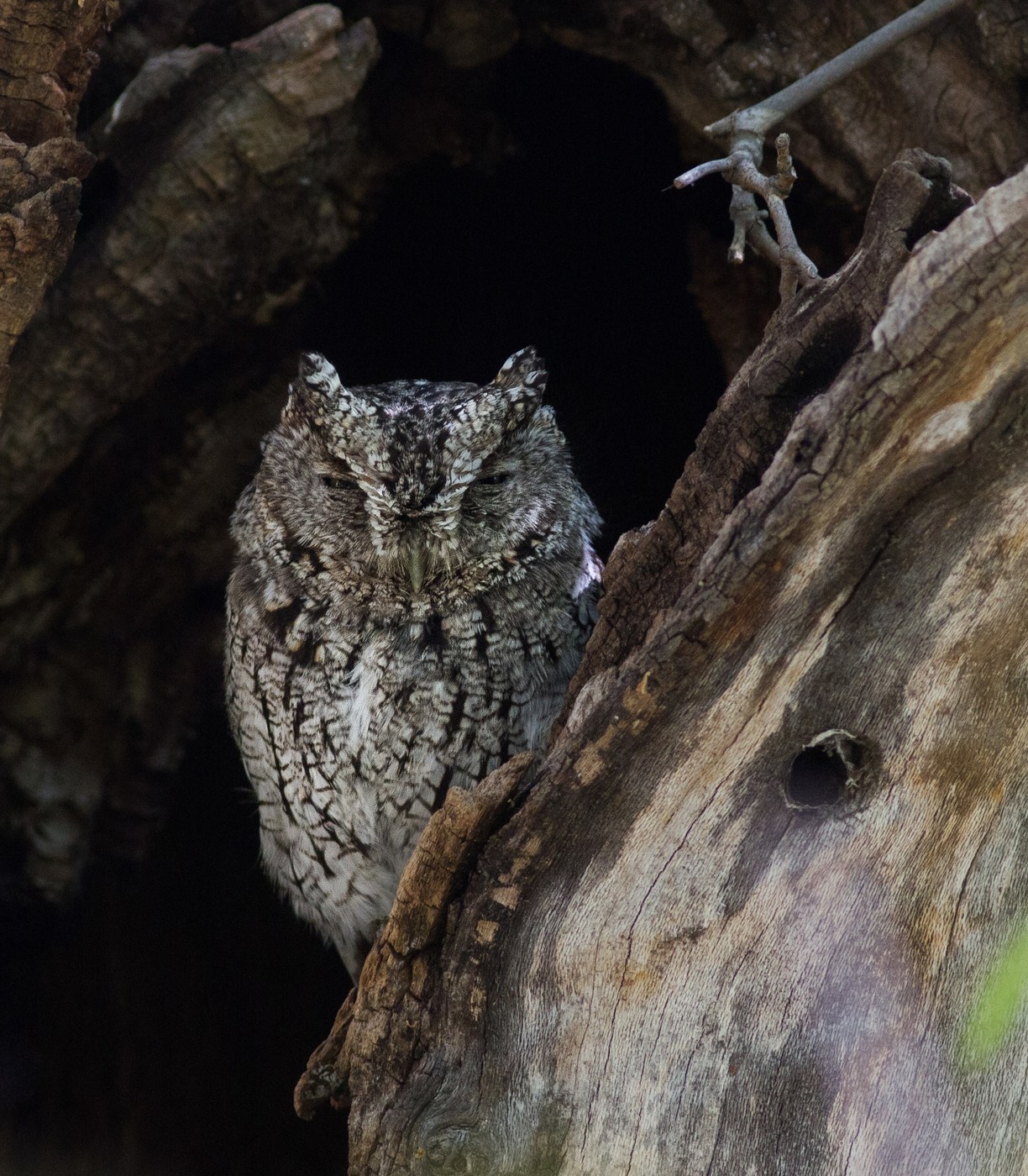
Whiskered Screech-Owl
Small soft-fringed flight feathers; finely mottled body feathers; short ear tufts
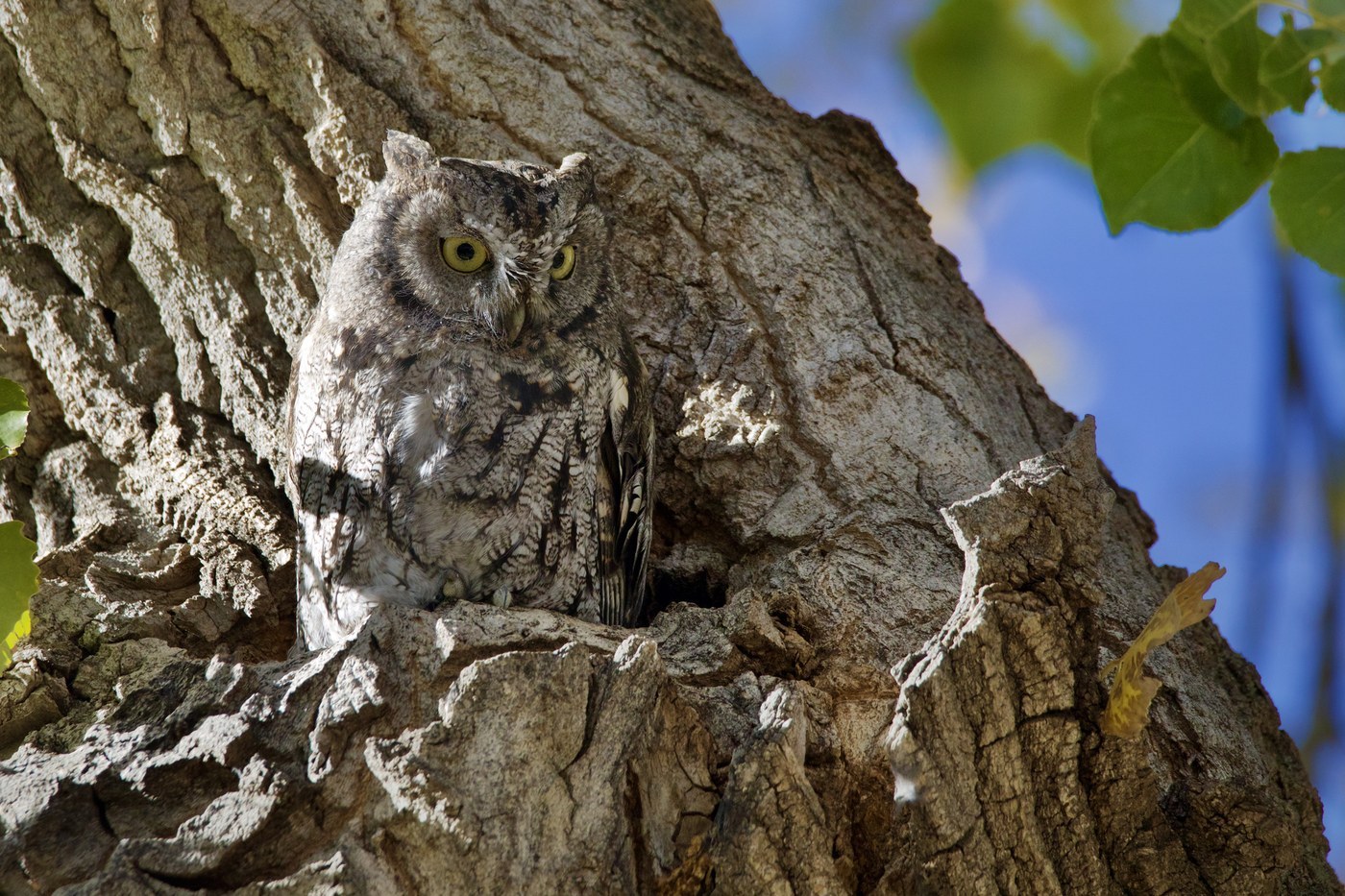
Western Screech-Owl
Small soft-fringed flight feathers; cryptic mottled/streaked body feathers; short ear tufts

White-faced Scops Owl
Small to medium flight feathers with a distinctive whitish facial disc and long ear-tuft plumes