

Least Sandpiper
Calidris minutilla
The smallest sandpiper in the world, distinguished from other tiny peeps by its yellow-green legs and finely mottled brown upperparts.
- Feather type
- Contour and flight feathers
- Colours
- Brown, mottled with rufous tones
- Bird size
- Smallest sandpiper, ~13-15 cm
Found a feather like this?
Identify any feather from a photo, free.
Overview
Overview
The Least Sandpiper holds the distinction of being the smallest shorebird species, smaller than the similarly patterned Semipalmated and Western Sandpipers. Its brownish upperparts show fine rufous and dark mottling, giving a warmer overall tone than many related peeps, and its short, fine bill droops only slightly at the tip. Uniquely among common small sandpipers, it has yellow-green legs rather than black.
It breeds across subarctic and boreal wetlands of North America and migrates widely to winter across the southern United States, Central America, and South America.
Identifying the Feather
Feather Identification
- Upperparts: Warm brown feathers with dark centers and rufous-buff edges, giving a mottled, somewhat streaky appearance across the back and scapulars.
- Underparts (breeding): Fine dark streaking extends across the breast, contrasting with a white belly.
- Bill: Short, thin, and only slightly drooped, shorter overall than the bills of Western or Semipalmated Sandpipers.
- Legs: Yellow-green to greenish-yellow, a key feature distinguishing it from all other common small "peep" sandpipers, which have black legs.
- Compared to similar species: Leg color is the most reliable field mark; combined with its notably small size and warm brown tones, it is readily separated from black-legged peeps like the Semipalmated and Western Sandpipers.
Plumage & Molt
Plumage Notes
Breeding adults show warmer rufous-brown tones and streaked breasts compared to the plainer grayish-brown non-breeding plumage. Sexes look similar. Juveniles show bright rufous-fringed feathers on the back, creating a distinctly warm, richly patterned appearance more vivid than adult non-breeding plumage.
Habitat & Range
Habitat & Range
Least Sandpipers breed across subarctic bogs, tundra edges, and boreal wetlands of Canada, Alaska, and the northeastern United States. They migrate throughout North America to winter from the southern United States through Central America and into South America, favoring mudflats, marshes, and flooded fields, often in slightly drier or more vegetated spots than other peeps.
Behavior & Field Notes
Behavior & Field Notes
This species forages by picking small invertebrates from mud and shallow water, often favoring slightly drier, more vegetated margins than other peeps, sometimes foraging singly or in small loose groups rather than dense flocks. Its call is a thin, rising "kreee" or "preet." Nesting occurs on the ground in subarctic or boreal wetland habitat, typically well concealed among grasses or sedges.
Frequently asked questions
What color are Least Sandpiper feathers?
Warm brown upperparts with rufous-buff feather edges and dark centers, giving a mottled, streaky appearance.
How can I identify a Least Sandpiper by leg color?
It has yellow-green legs, unique among the common small sandpiper species, which otherwise typically have black legs.
Is the Least Sandpiper really the smallest shorebird?
Yes, it is recognized as the smallest sandpiper species in the world, smaller than the similar Semipalmated and Western Sandpipers.
Where would I find a Least Sandpiper feather?
Around mudflats, marshes, and flooded fields across North America, Central America, and South America depending on season.
Least Sandpiper guides
In-depth guides for identifying and understanding Least Sandpiper.

Other feathers you may enjoy
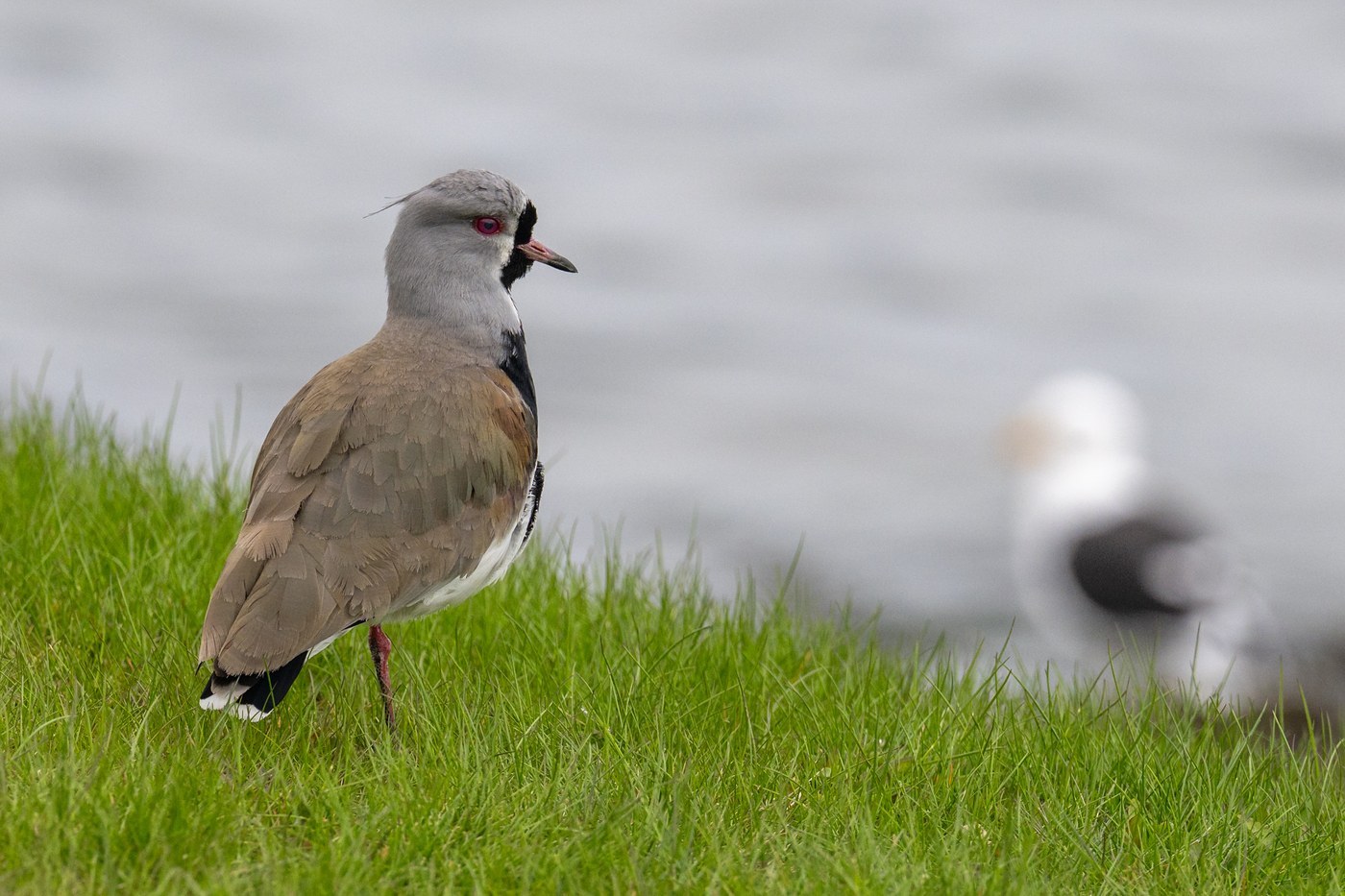
Southern Lapwing
Body, flight, and tail feathers

Jack Snipe
Body and flight feathers

Far Eastern Curlew
Body, flight, and tail feathers

Terek Sandpiper
Body and flight feathers

Wilson's Phalarope
Body and flight feathers
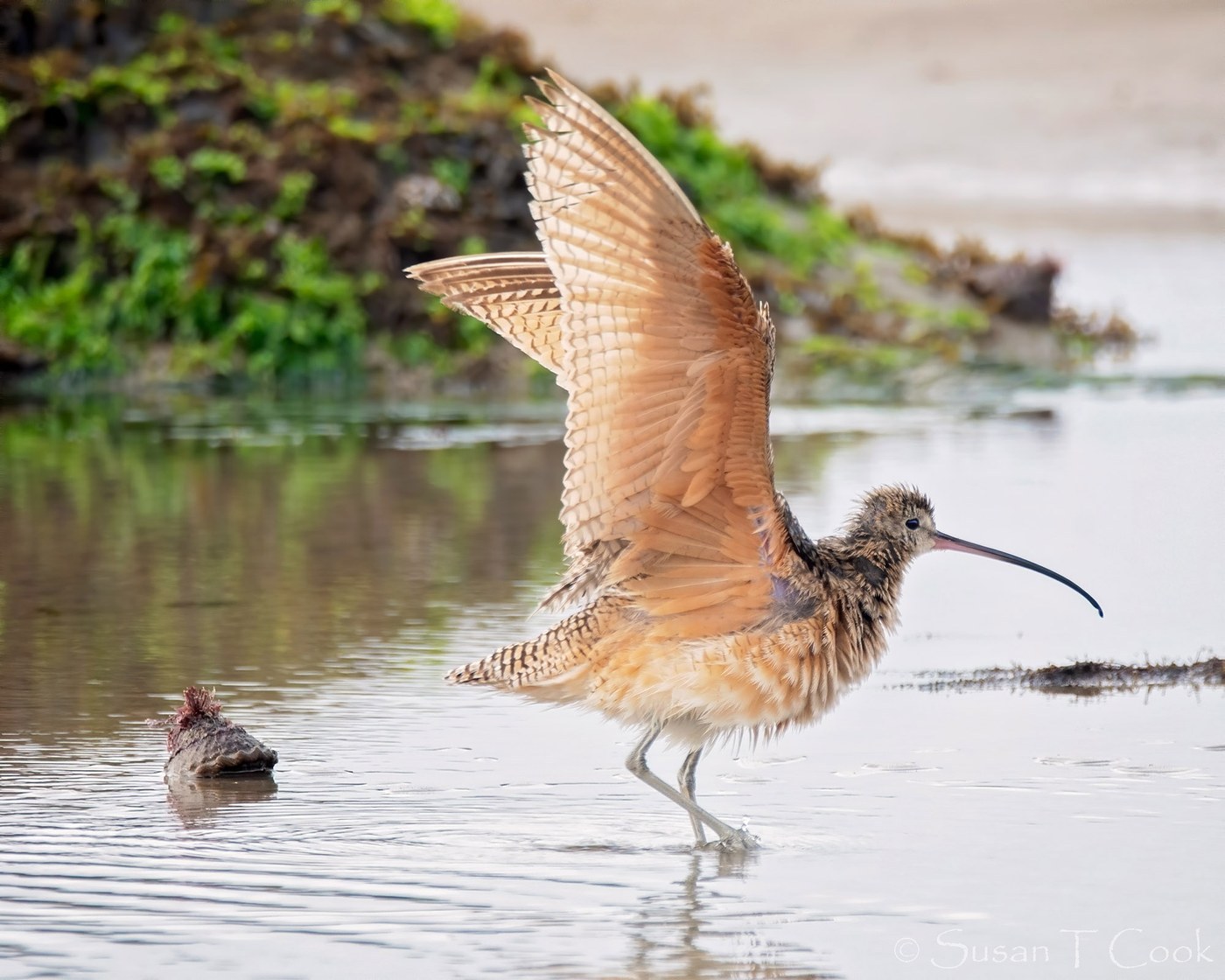
Long-billed Curlew
Body, flight, and tail feathers

Upland Sandpiper
Body, flight, and tail feathers

Red Phalarope
Body and flight feathers

Eurasian Dotterel
Body feathers
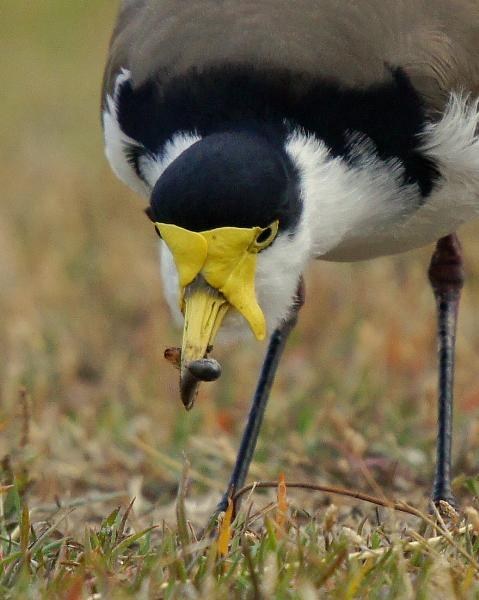
Masked Lapwing
Body, flight, and tail feathers
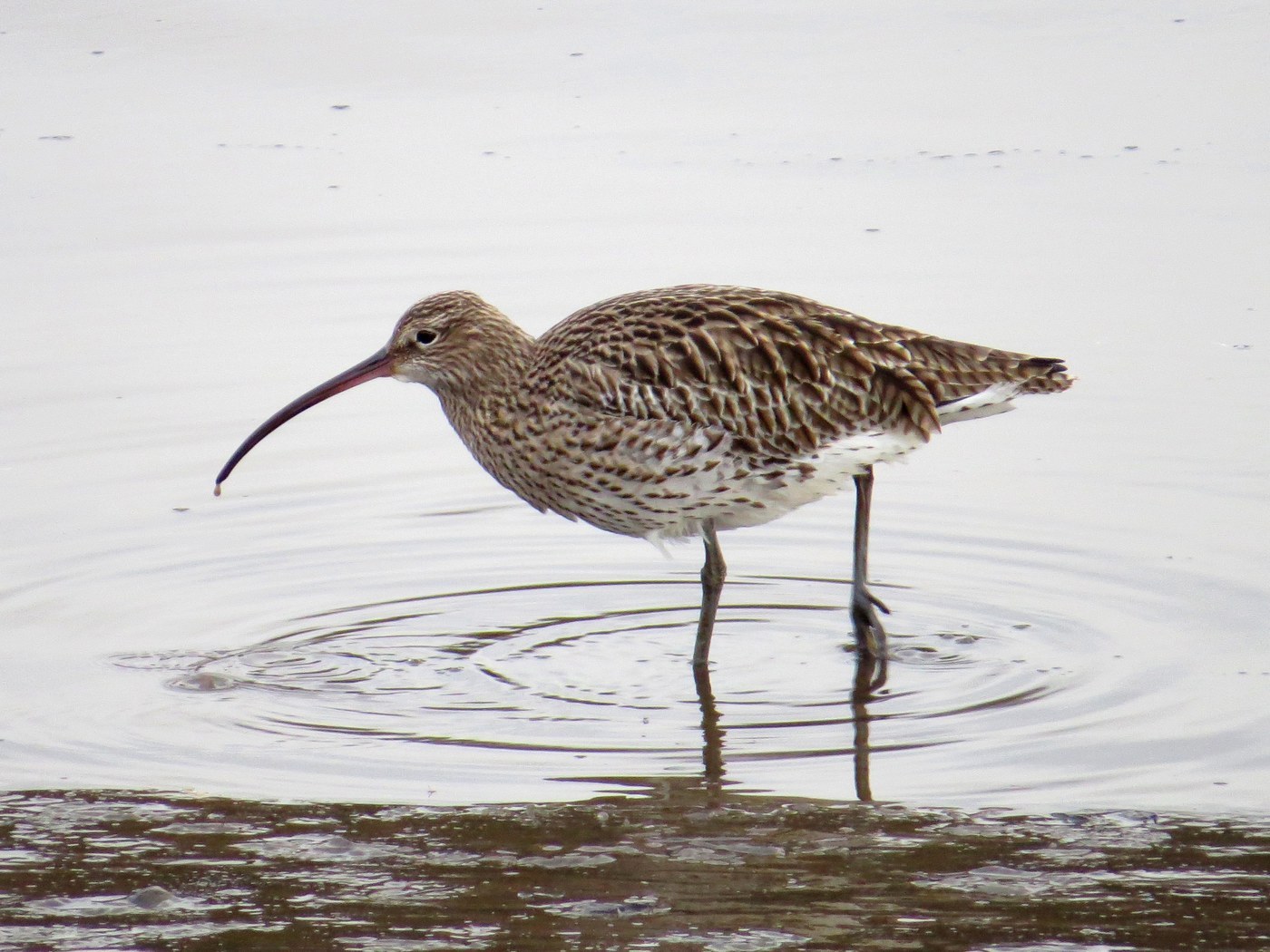
Eurasian Curlew
Body, flight, and tail feathers
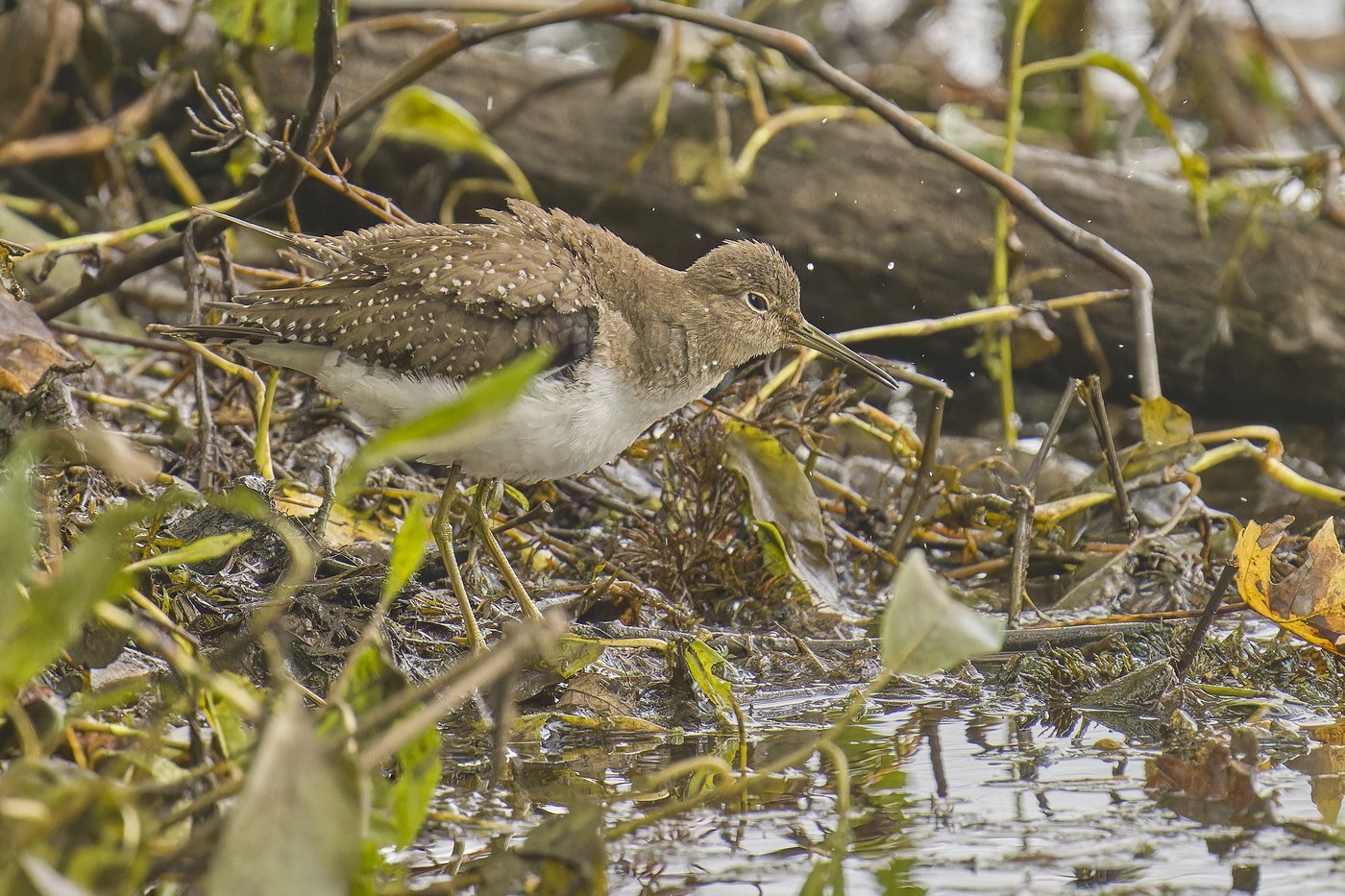
Solitary Sandpiper
Contour and flight feathers