
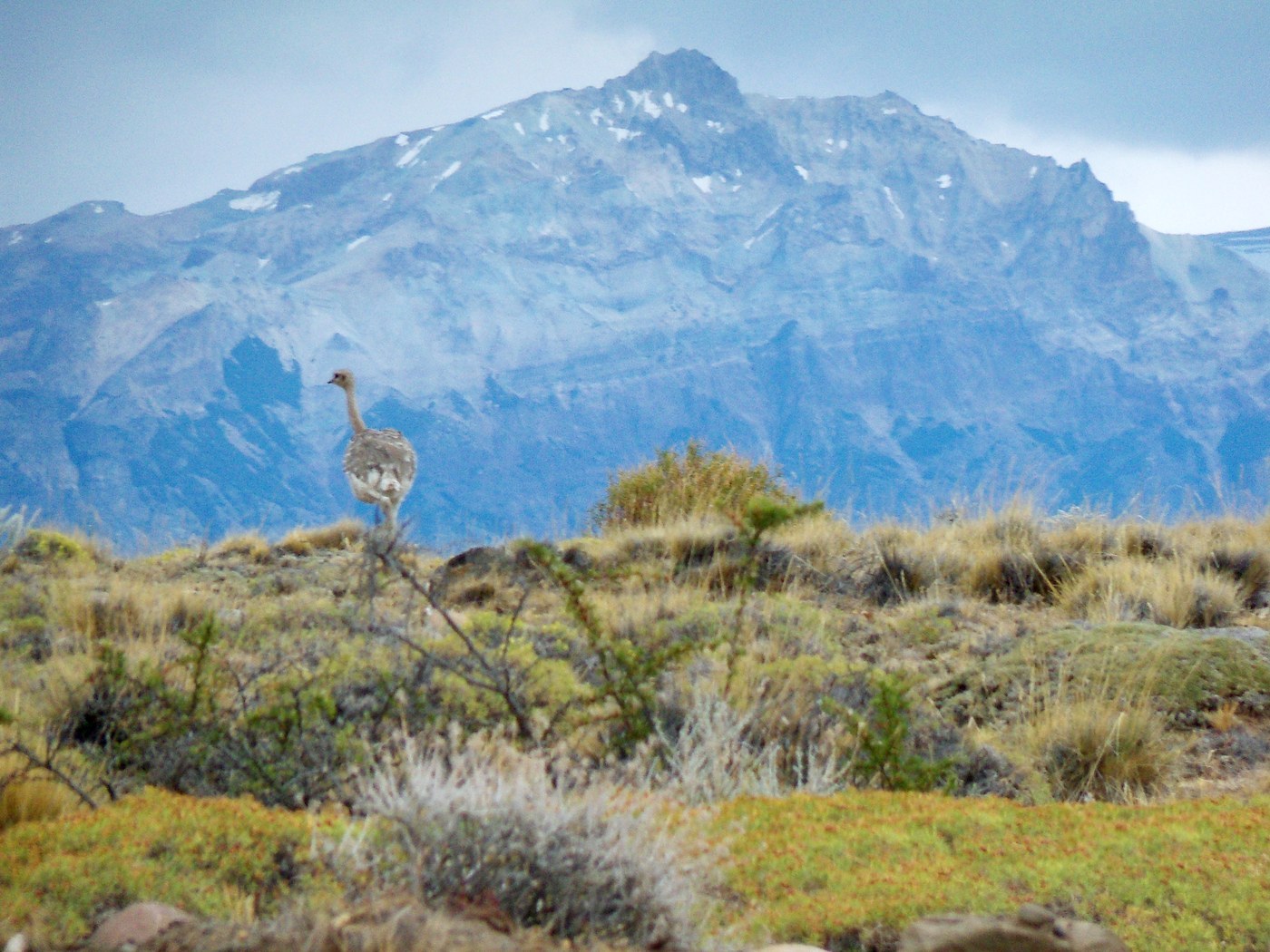
Lesser Rhea
Rhea pennata
A smaller relative of the Greater Rhea found in Patagonia and the high Andes, with soft mottled brown plumage flecked with pale feather tips that give it a speckled appearance.
- Feather type
- Soft, loose plumes lacking interlocking barbules, with fine pale tips
- Colours
- Mottled grayish-brown with whitish speckled feather tips
- Bird size
- Large flightless bird, ~90-100 cm tall
Found a feather like this?
Identify any feather from a photo, free.
Overview
The Lesser Rhea, also known as Darwin's Rhea, is a flightless ratite adapted to the cold, open steppe and high-altitude grasslands of southern South America, including Patagonia and the high Andean puna. Smaller and hardier in cold climates than its relative the Greater Rhea, it is well suited to some of the continent's harshest open habitats.
Like other rheas, it lives in flocks, runs at considerable speed to escape predators, and follows a breeding system in which males incubate a shared clutch of eggs from multiple females and raise the chicks alone.
Identifying the Feather
- Body plumage is soft and loose in structure, similar to other rheas, lacking interlocking flight-feather barbules
- Overall color is mottled grayish-brown, with many feathers tipped in white or pale buff, creating a speckled or frosted appearance
- Underparts are paler than the back, with the speckled pattern extending across the flanks
- Wings are reduced and non-functional for flight, as in the Greater Rhea, used for balance and display
- Distinguished from the Greater Rhea by smaller overall size and the presence of fine pale speckling across the plumage, versus the more uniform grayish-brown of the larger species
Plumage & Molt
Adults of both sexes show similar mottled, pale-speckled grayish-brown plumage, without the strong sexual dimorphism seen in some other rheas. Chicks are downy with a striped gray-and-buff pattern for camouflage on open ground, gradually developing the mottled adult plumage over their first year. There is no pronounced seasonal plumage change in this species.
Habitat & Range
The Lesser Rhea inhabits open steppe, arid grassland, and high-altitude puna habitats across Patagonia and the high Andes of Argentina, Chile, Bolivia, and Peru. It is a resident species well adapted to cold, wind-swept, and high-elevation open country, generally remaining within its home range year-round.
Behavior & Field Notes
This species feeds on grasses, seeds, and small invertebrates, foraging by walking steadily across open terrain. As with the Greater Rhea, males build a ground nest, incubate eggs contributed by several females, and raise the resulting chicks alone. Lesser Rheas rely on strong running speed and vigilance to avoid predators in open habitat, and vocalizations are generally limited to booming calls given by males during the breeding season.
Frequently asked questions
What does a Lesser Rhea feather look like?
Body feathers are soft and loose like other rheas, mottled grayish-brown with many feathers tipped in white or pale buff, giving a speckled, frosted look.
Why is the Lesser Rhea also called Darwin's Rhea?
It is named after Charles Darwin, who documented the species during his voyage on HMS Beagle in Patagonia.
Where does the Lesser Rhea live?
It inhabits open steppe and high-altitude grassland across Patagonia and the high Andes of South America.
How does the Lesser Rhea differ from the Greater Rhea in appearance?
It is smaller and shows fine pale speckling across its plumage, while the Greater Rhea is larger with more uniform grayish-brown feathers.
Lesser Rhea guides
In-depth guides for identifying and understanding Lesser Rhea.
Other feathers you may enjoy

Common Cuckoo
Flight and body feathers
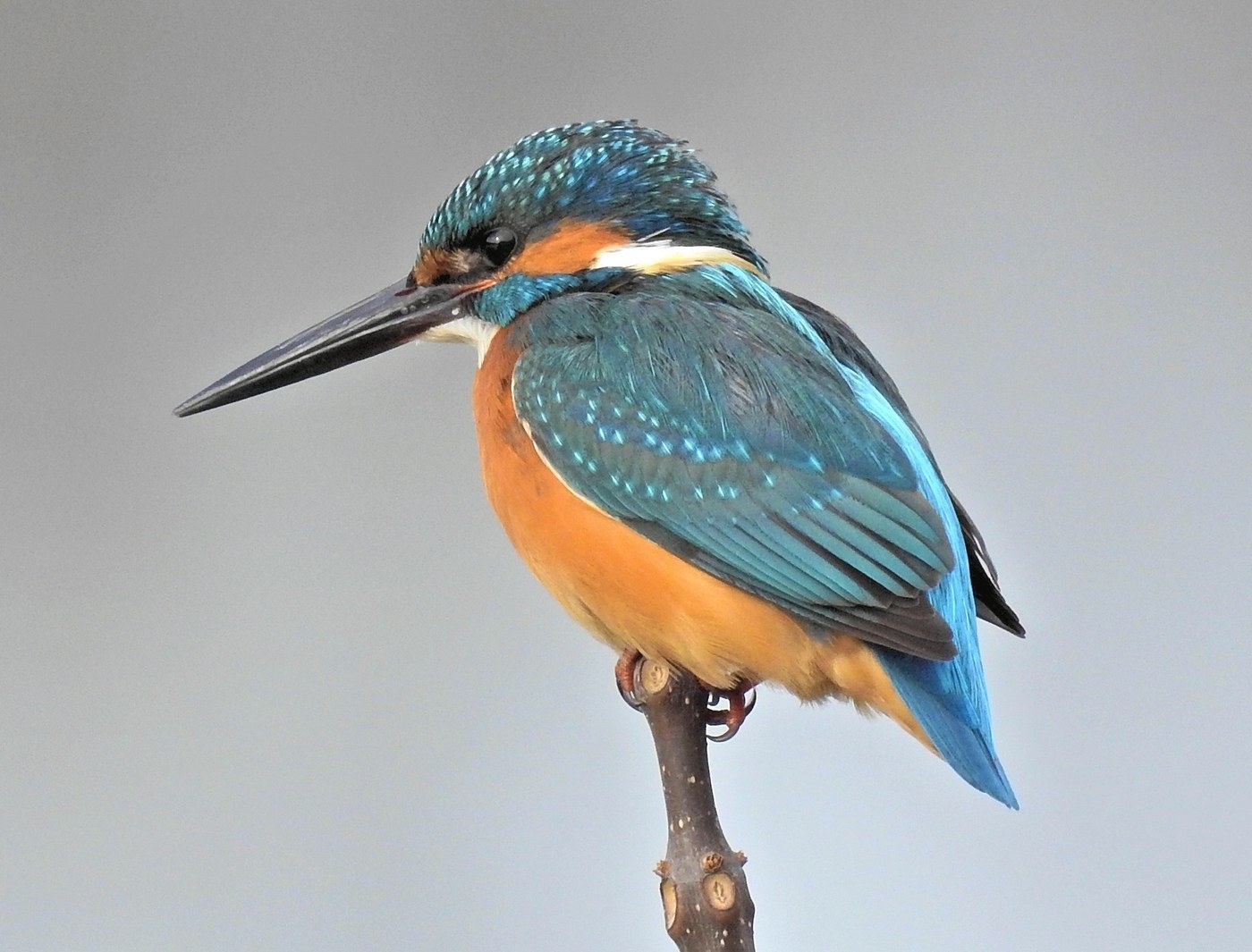
Common Kingfisher
Body (contour) and wing feathers
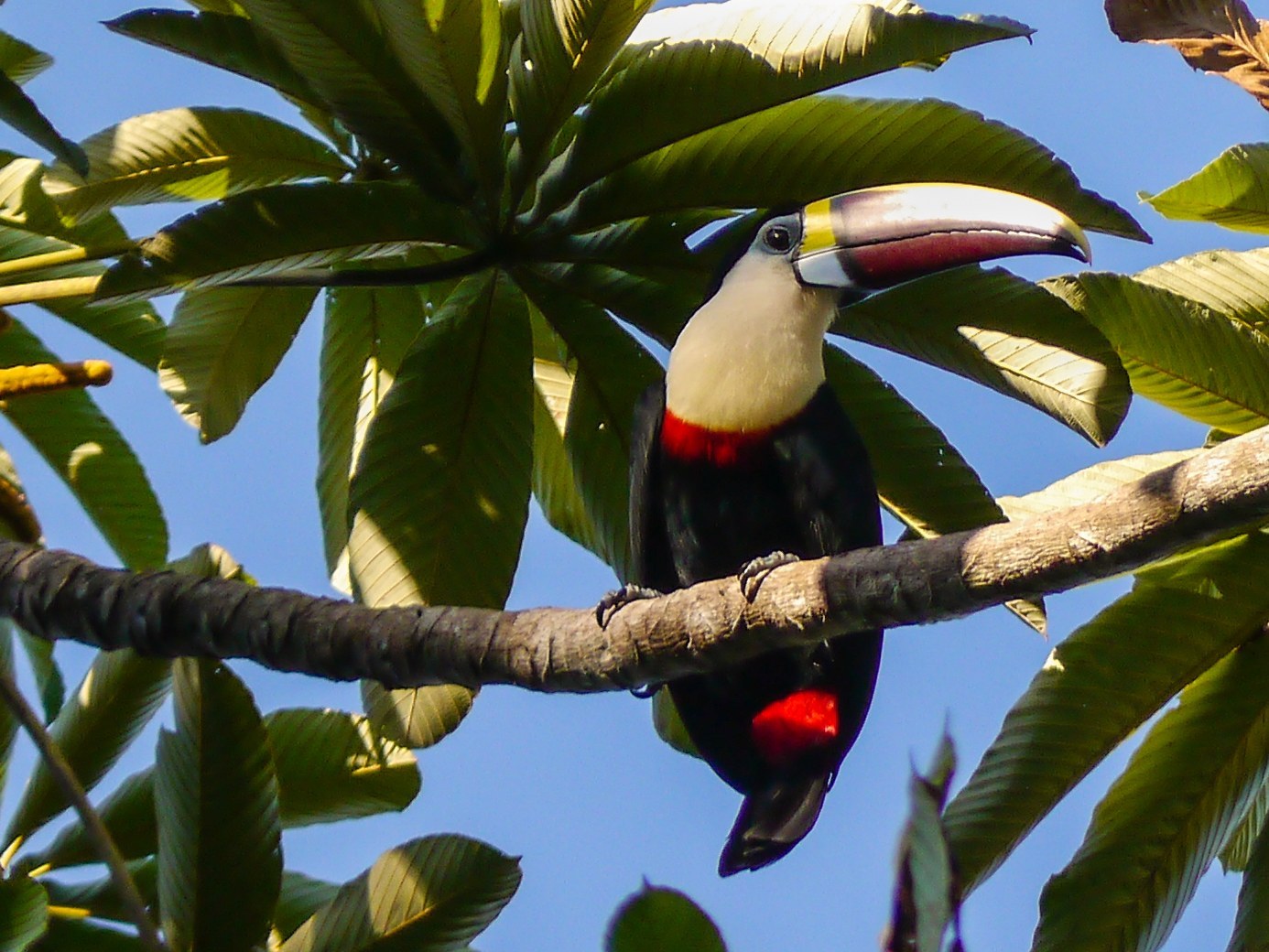
White-throated Toucan
Short rounded contour feathers, short broad wings
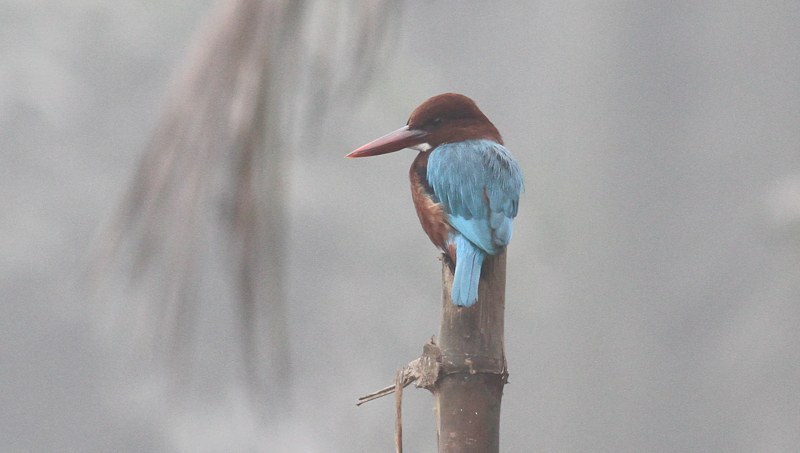
White-throated Kingfisher
Dense contour feathers; broad rounded wings

White-throated Bee-eater
Sleek, aerodynamic contour feathers; elongated central tail streamers
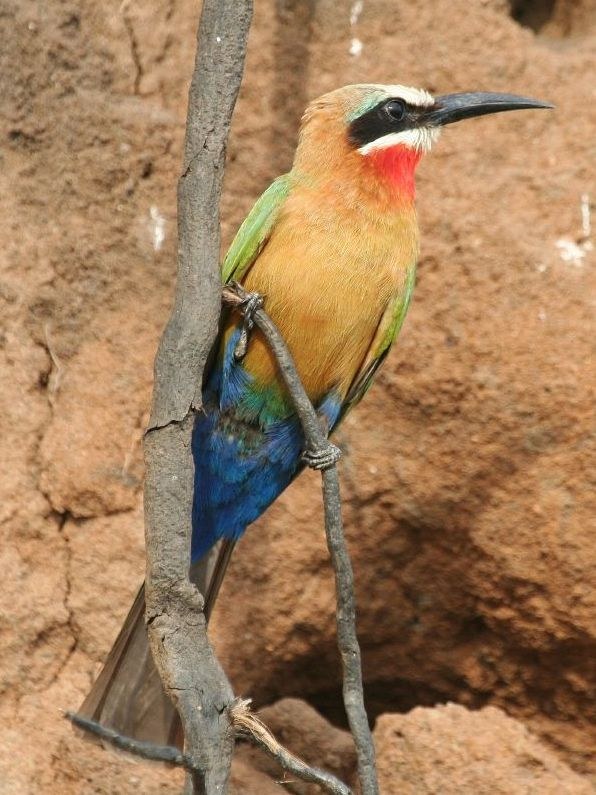
White-fronted Bee-eater
Sleek contour feathers; short tail with slight point

Southern Yellow-billed Hornbill
Slender contour feathers, moderate flight feathers
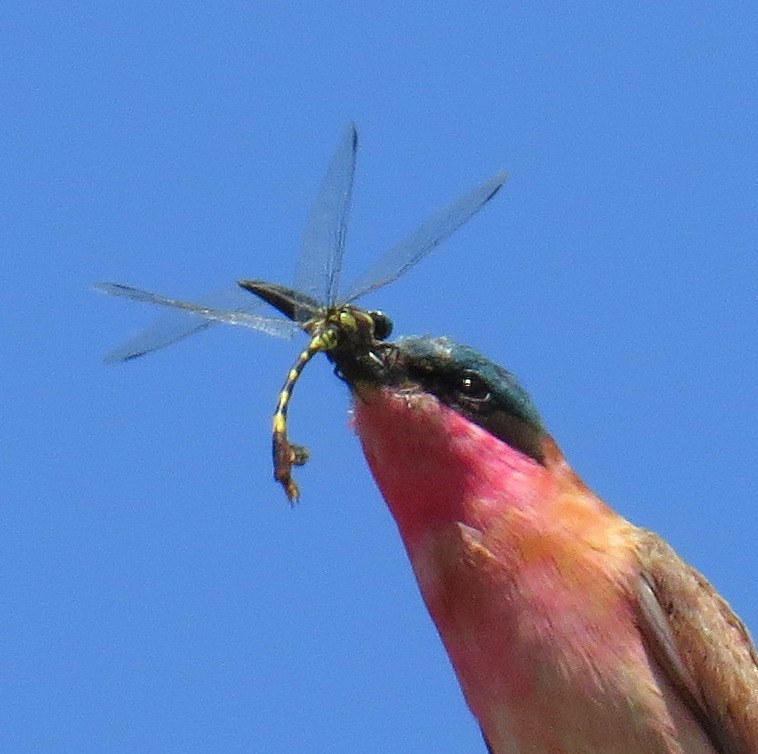
Southern Carmine Bee-eater
Sleek, pointed contour feathers; elongated central tail streamers
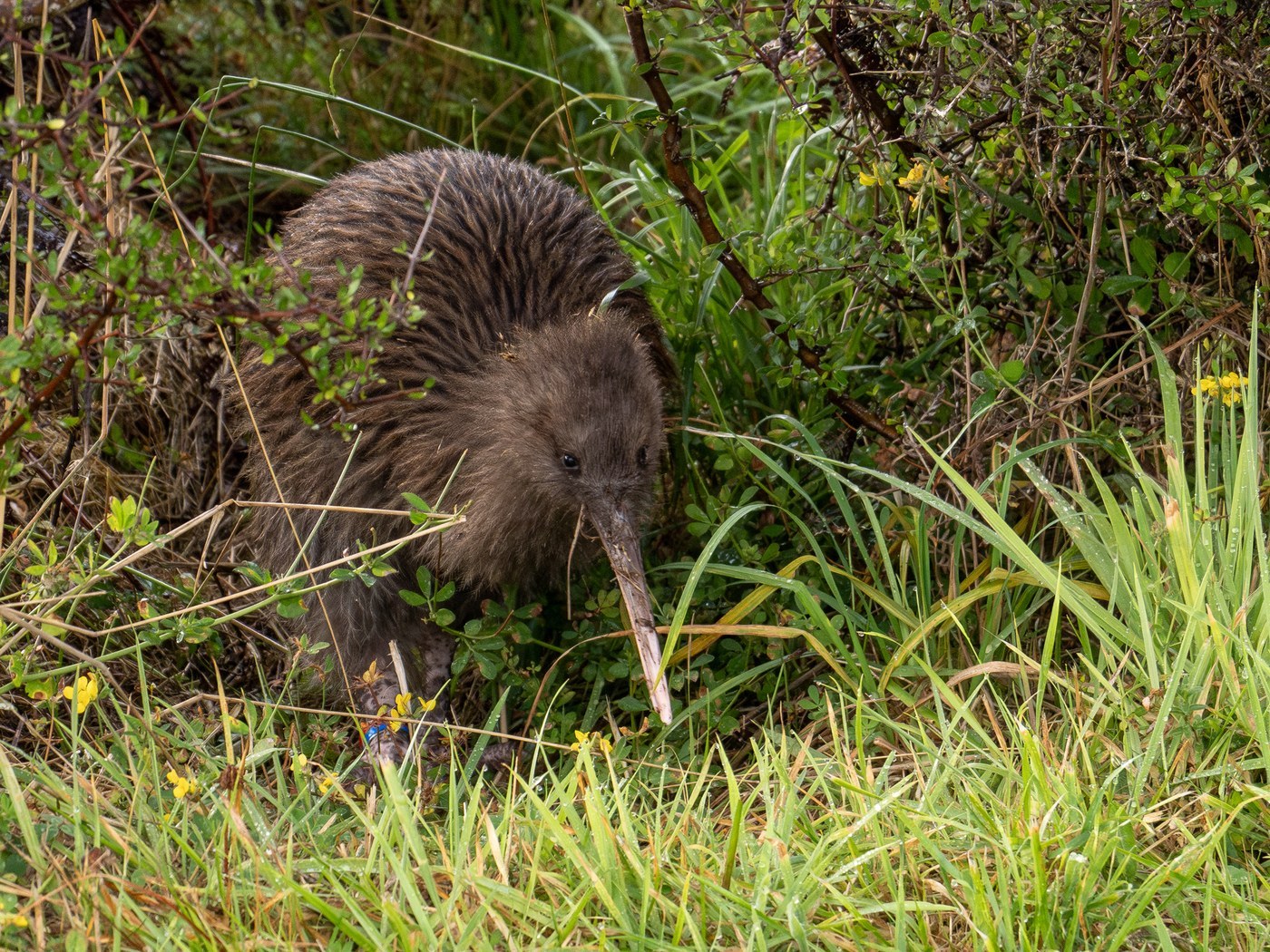
Southern Brown Kiwi
Shaggy, hair-like plumage with loose barbs lacking barbules; flightless, vestigial wings hidden beneath body feathers

Somali Ostrich
Loose, soft plumes lacking interlocking barbules

Wreathed Hornbill
Dense contour feathers, broad flight feathers

Woodland Kingfisher
Firm contour feathers; broad wing feathers