
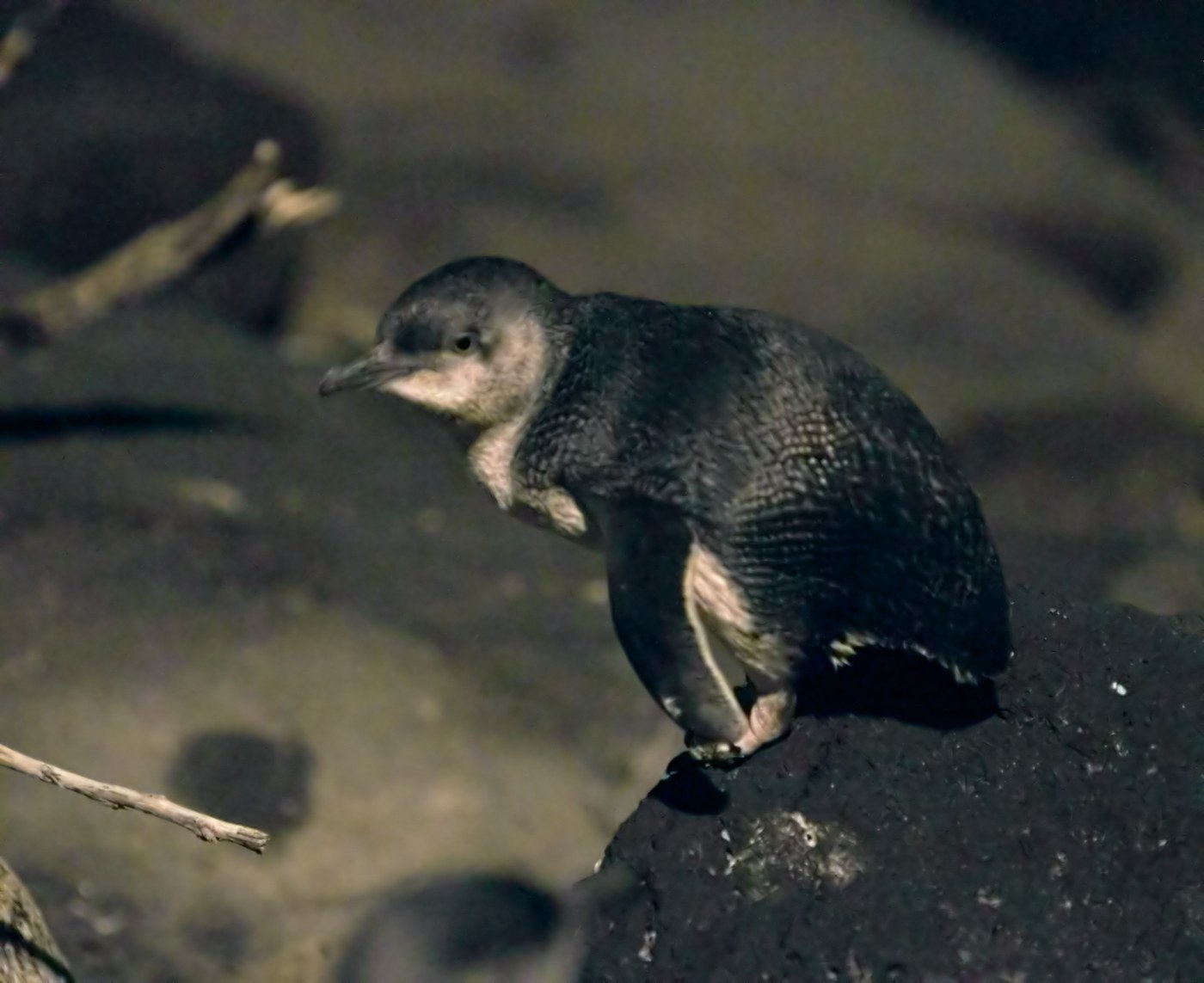
Little Penguin
Eudyptula minor
The world's smallest penguin, with slate-blue upperparts and white underparts, nesting in burrows along southern Australian and New Zealand coasts.
- Feather type
- Dense, scale-like waterproof contour feathers
- Colours
- Slate blue-grey above, white below
- Bird size
- Smallest penguin, ~30-33 cm
Found a feather like this?
Identify any feather from a photo, free.
Overview
Overview
The Little Penguin is the smallest of all penguin species, standing only about 30 cm tall, and is found along coastlines of southern Australia and New Zealand. Its compact size and soft blue-grey coloring, sometimes described as "fairy" or "little blue," distinguish it from larger, more strikingly patterned penguin species.
These birds spend much of the day foraging at sea and return to coastal burrows or rock crevices after dusk, making them one of the few penguin species regularly observed near populated shorelines.
Identifying the Feather
Feather Identification
- Upperpart feathers: dense, short, slate-blue to indigo, tightly packed and slightly iridescent when fresh
- Underpart feathers: pure white, forming a sharp contrast with the dark back typical of countershading in seabirds
- Flipper feathers: highly modified, scale-like and stiff, adapted for underwater propulsion rather than flight
- Shaft: short and rigid, reflecting the non-flying, diving lifestyle
- Compared to larger penguins, feathers are notably smaller and the blue tone is unique among penguin species, most others showing black or brown upperparts
Plumage & Molt
Plumage Notes
Adults of both sexes appear similar, slate-blue above and white below, with little seasonal variation in the pattern itself. Juveniles resemble adults but may show slightly duller blue-grey tones.
The annual molt is a dramatic, rapid full-body replacement of feathers lasting roughly two to three weeks, during which the bird cannot enter the water and remains ashore, having built up fat reserves beforehand.
Habitat & Range
Habitat & Range
Little Penguins breed along the coasts of southern Australia, Tasmania, and New Zealand, nesting in burrows, rock crevices, or under vegetation close to the shoreline. They forage in coastal and nearshore waters, diving for food relatively close to their breeding colonies.
The species is non-migratory but individuals may disperse locally along the coast outside the breeding season.
Behavior & Field Notes
Behavior & Field Notes
Little Penguins are nocturnal on land, coming ashore after dark to avoid predators, often in synchronized groups. At sea, they dive for small fish and other marine prey, using their flipper-like wings for propulsion.
Breeding pairs return to the same burrow across years, and both parents share incubation and chick-rearing duties. Their calls are a range of braying and growling sounds, often heard at dusk near colonies.
Frequently asked questions
Why are Little Penguin feathers blue instead of black?
Their slate-blue upperparts are a distinctive trait of the species, differing from the black or brown tones common in most other penguin species.
How do Little Penguin feathers help with swimming?
Their feathers are dense, scale-like, and tightly packed, forming a waterproof, low-drag surface suited to diving and swimming rather than flight.
Are Little Penguins the smallest penguin species?
Yes, at around 30-33 cm tall, they are the smallest of all living penguin species.
When do Little Penguins molt?
They undergo an annual full-body molt over two to three weeks, staying ashore and fasting since they cannot swim while replacing all their feathers at once.
Little Penguin guides
In-depth guides for identifying and understanding Little Penguin.
Other feathers you may enjoy

Western Gull
Body, flight, and tail feathers
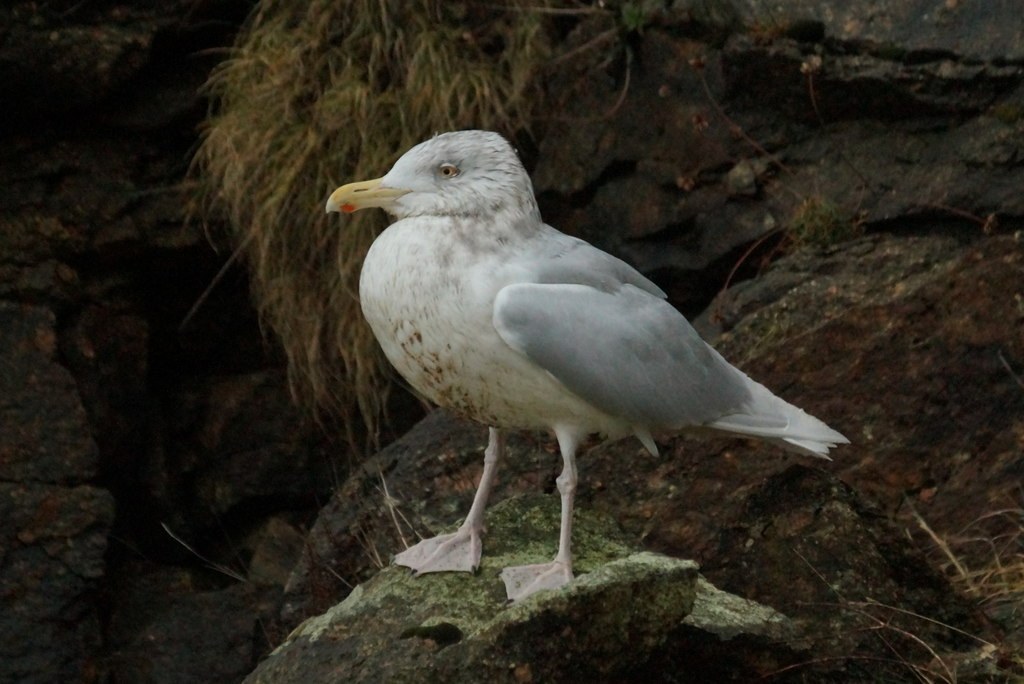
Glaucous Gull
Body, flight, and tail feathers

American Herring Gull
Body, flight, and tail feathers

Great Black-backed Gull
Body, flight, and tail feathers

Common Gull
Body, flight, and tail feathers
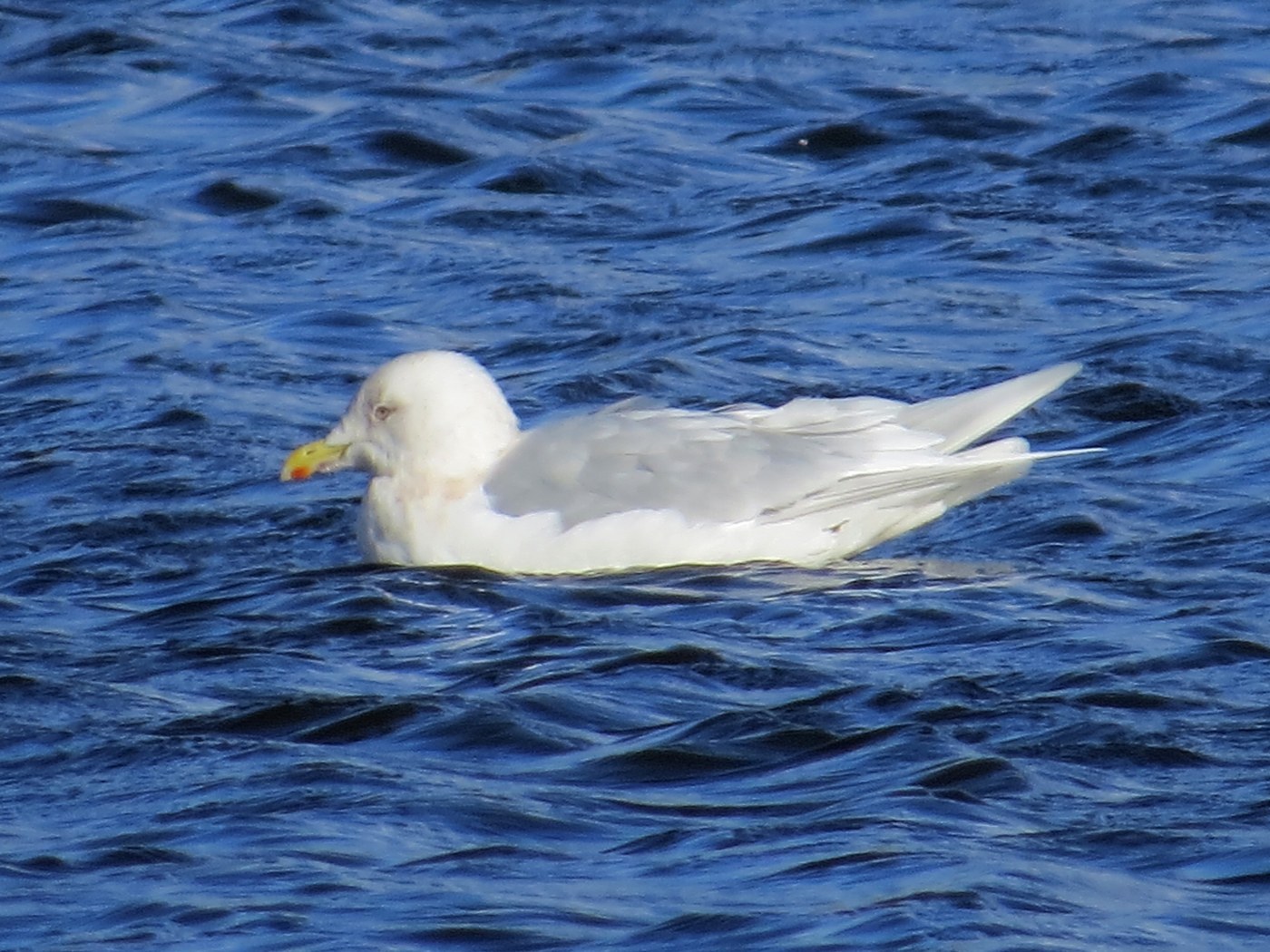
Iceland Gull
Body, flight, and tail feathers

Ring-billed Gull
Body, flight, and tail feathers

Glaucous-winged Gull
Body, flight, and tail feathers

Herring Gull
Body, flight, and tail feathers

Lesser Black-backed Gull
Body, flight, and tail feathers

California Gull
Body, flight, and tail feathers
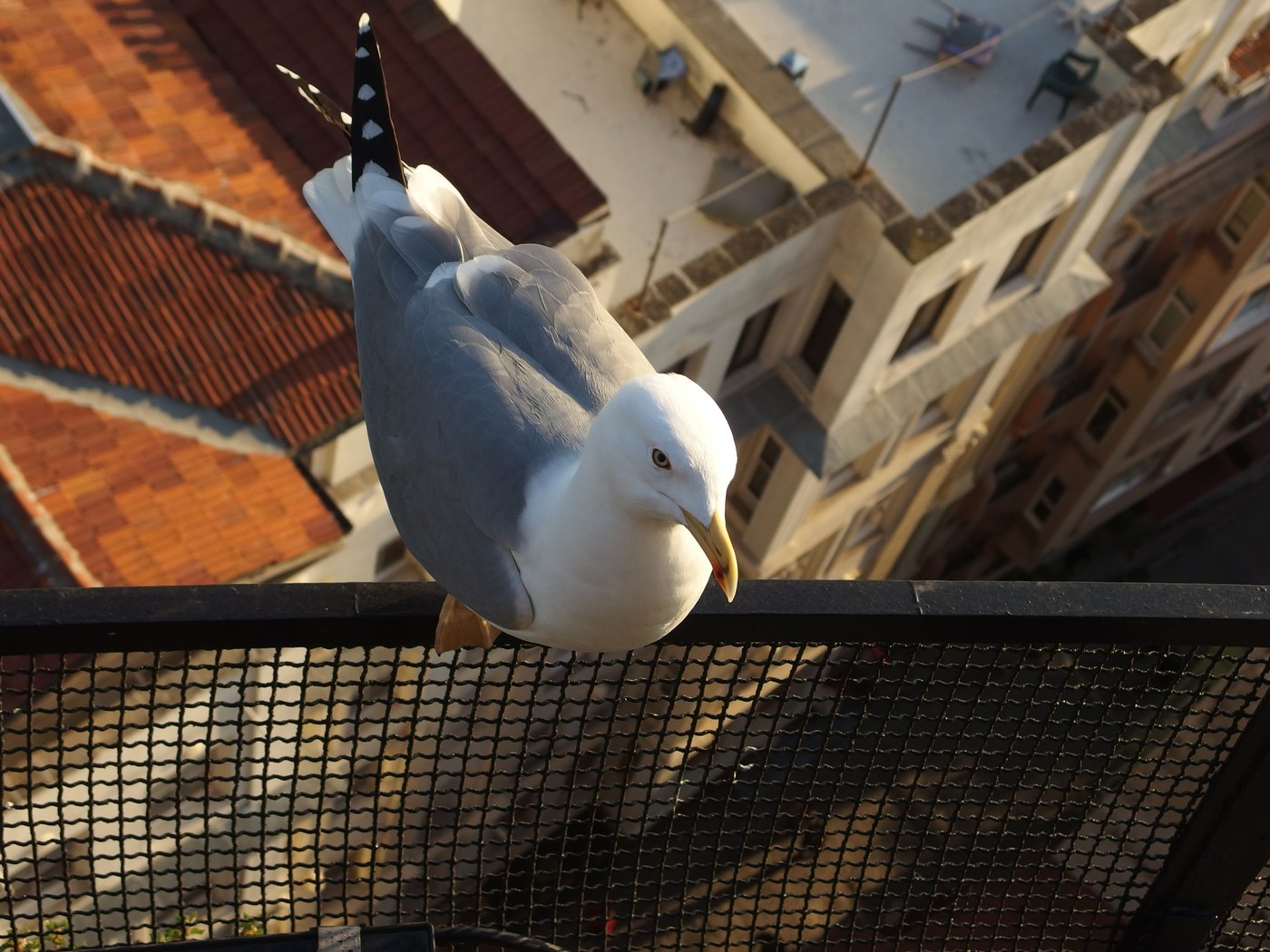
Yellow-legged Gull
Body, wing covert, and flight feathers