
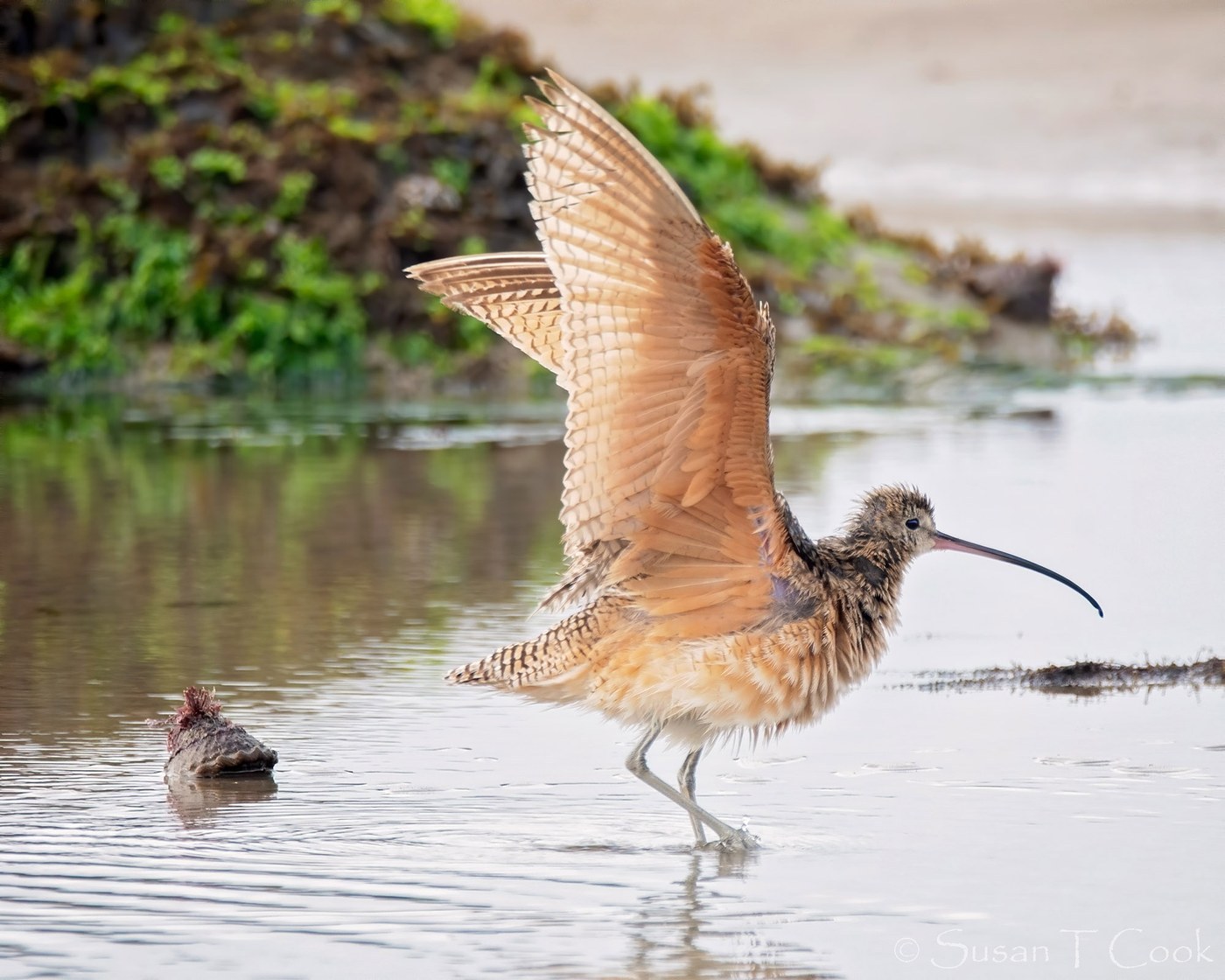
Long-billed Curlew
Numenius americanus
North America's largest shorebird, the Long-billed Curlew shows warm cinnamon-buff plumage and an extraordinarily long, downcurved bill, with feathers that echo the buffy tones of dry grassland.
- Feather type
- Body, flight, and tail feathers
- Colours
- Warm cinnamon-buff with dark brown barring
- Bird size
- Large shorebird, ~50-65 cm (bill adds much of length)
Found a feather like this?
Identify any feather from a photo, free.
Overview
The Long-billed Curlew is the largest shorebird in North America, instantly recognizable by its dramatically long, downcurved bill, which can exceed 15 cm in females. Breeding on shortgrass and mixed-grass prairies of the western interior, it winters along coastal mudflats, estuaries, and agricultural fields from California to Mexico. Its cinnamon-buff plumage blends well with dry grasses, and its plaintive, rising cur-lee call carries far across open country.
Identifying the Feather
Body feathers are warm buffy-cinnamon overall, each feather marked with irregular dark brown bars and streaks that create a mottled, camouflaged pattern rather than crisp barring. The underwing and axillary feathers show a distinctive rich cinnamon wash, brighter than in most other curlews, useful for separating shed feathers from Whimbrel. Flight feathers (primaries and secondaries) are dark brown with buffy notching along the edges, and the shaft is pale and prominent on the underside. Tail feathers are buff with narrow dark bars. Compared to Whimbrel, Long-billed Curlew feathers lack strong head-stripe patterning and instead show an overall warmer, more uniformly buffy tone with less contrast.
Plumage & Molt
Sexes look alike in color, though females are notably larger with longer bills than males. Juveniles resemble adults but have a shorter bill that lengthens with age, and slightly crisper buff fringing on the wing coverts. There is little seasonal plumage variation; the warm cinnamon coloring is present year-round. A complete molt occurs after breeding, mostly on the wintering grounds, with flight feather replacement often extending over several months.
Habitat & Range
Breeds in shortgrass and mixed-grass prairie, high desert grassland, and agricultural fields across the western United States and southern Canadian prairies. In migration and winter it shifts to coastal mudflats, tidal marshes, flooded fields, and estuaries along the Pacific coast, Gulf coast, and into Mexico and Central America. It is a medium-to-long-distance migrant, with some populations moving over 1,000 km between breeding and wintering areas.
Behavior & Field Notes
Long-billed Curlews forage by probing deep into mud or soil with their long bill to extract burrowing invertebrates, occasionally taking items from the surface as well. On breeding grounds they also pick insects from grass. Nests are shallow scrapes on bare or sparsely vegetated ground, often lined with grass, and both parents share incubation duties, though males typically take a larger share of chick-rearing after hatching. The call is a loud, far-carrying cur-lee rising in pitch, along with a variety of whistled and bubbling display calls given during aerial courtship flights. Grassland habitat loss has reduced numbers in parts of its range.
Frequently asked questions
How can I tell a Long-billed Curlew feather from a Whimbrel feather?
Long-billed Curlew feathers are warmer and more uniformly cinnamon-buff, especially on the underwing, and lack the crisp dark head-stripe pattern that Whimbrel feathers can show near the crown and face.
Why is the Long-billed Curlew's bill so long?
The extremely long, downcurved bill lets it probe deep into soil and mud to reach burrowing invertebrates that shorter-billed shorebirds cannot access, an adaptation especially pronounced in females.
Do male and female Long-billed Curlews look different?
They share the same coloring, but females average noticeably larger overall and have longer bills than males, a difference that can also show up in feather size.
Where would I likely find a shed Long-billed Curlew feather?
In summer, look on shortgrass prairie and dry grassland in the western interior; in winter and migration, coastal mudflats, estuaries, and flooded agricultural fields are more likely spots.
Long-billed Curlew guides
In-depth guides for identifying and understanding Long-billed Curlew.
Other feathers you may enjoy
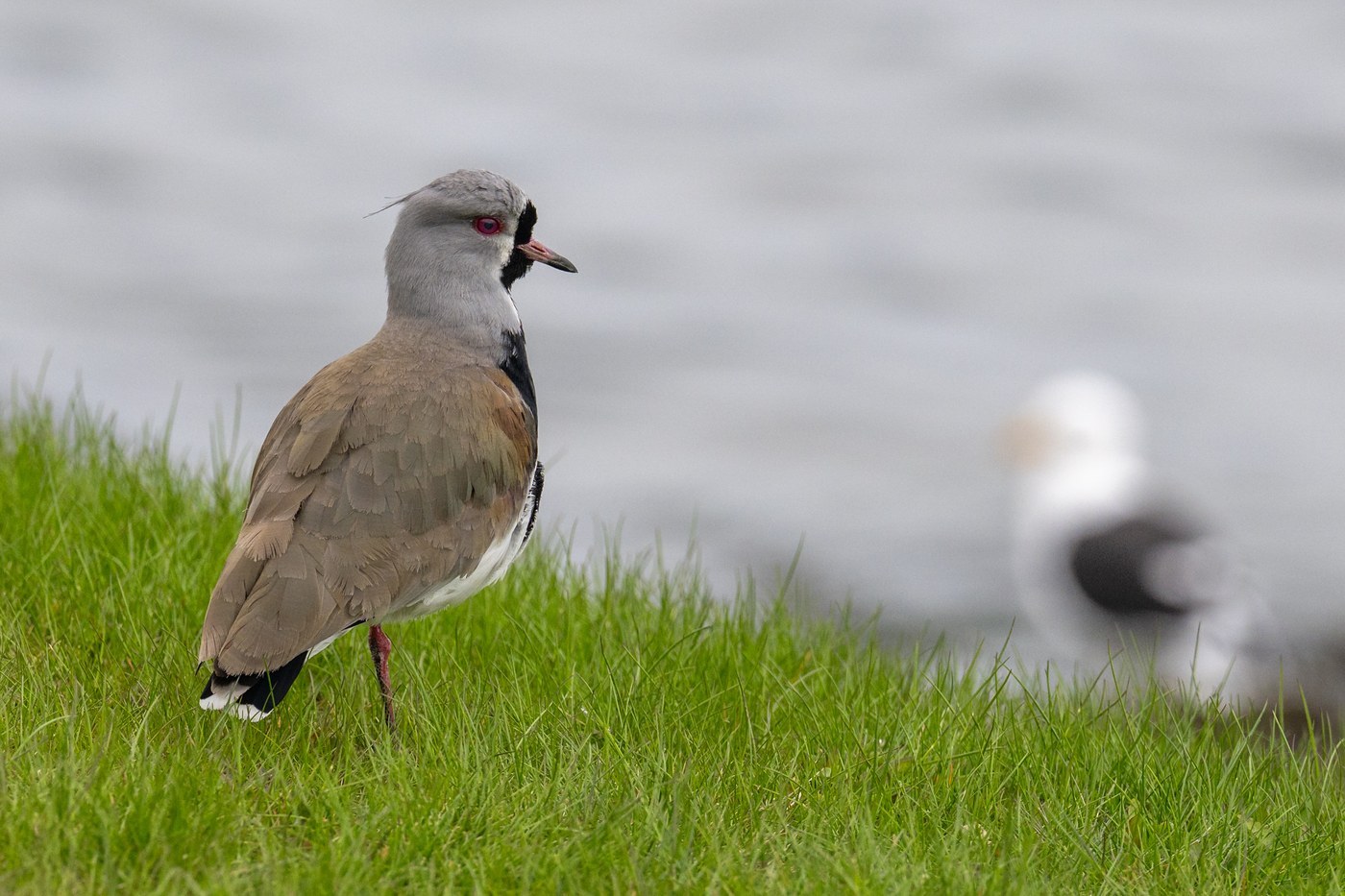
Southern Lapwing
Body, flight, and tail feathers

Jack Snipe
Body and flight feathers

Far Eastern Curlew
Body, flight, and tail feathers

Terek Sandpiper
Body and flight feathers

Wilson's Phalarope
Body and flight feathers

Upland Sandpiper
Body, flight, and tail feathers

Red Phalarope
Body and flight feathers

Eurasian Dotterel
Body feathers
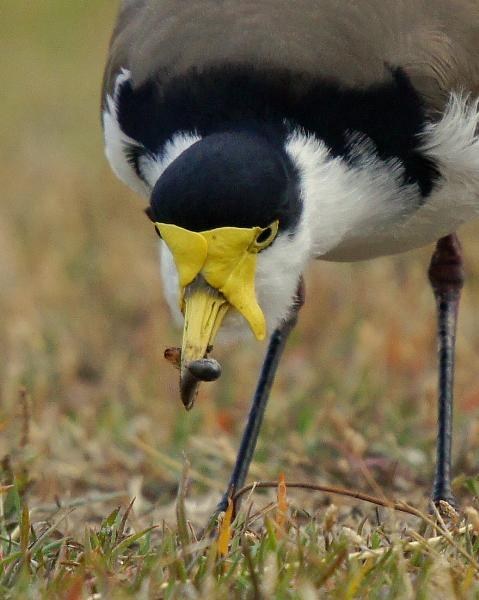
Masked Lapwing
Body, flight, and tail feathers
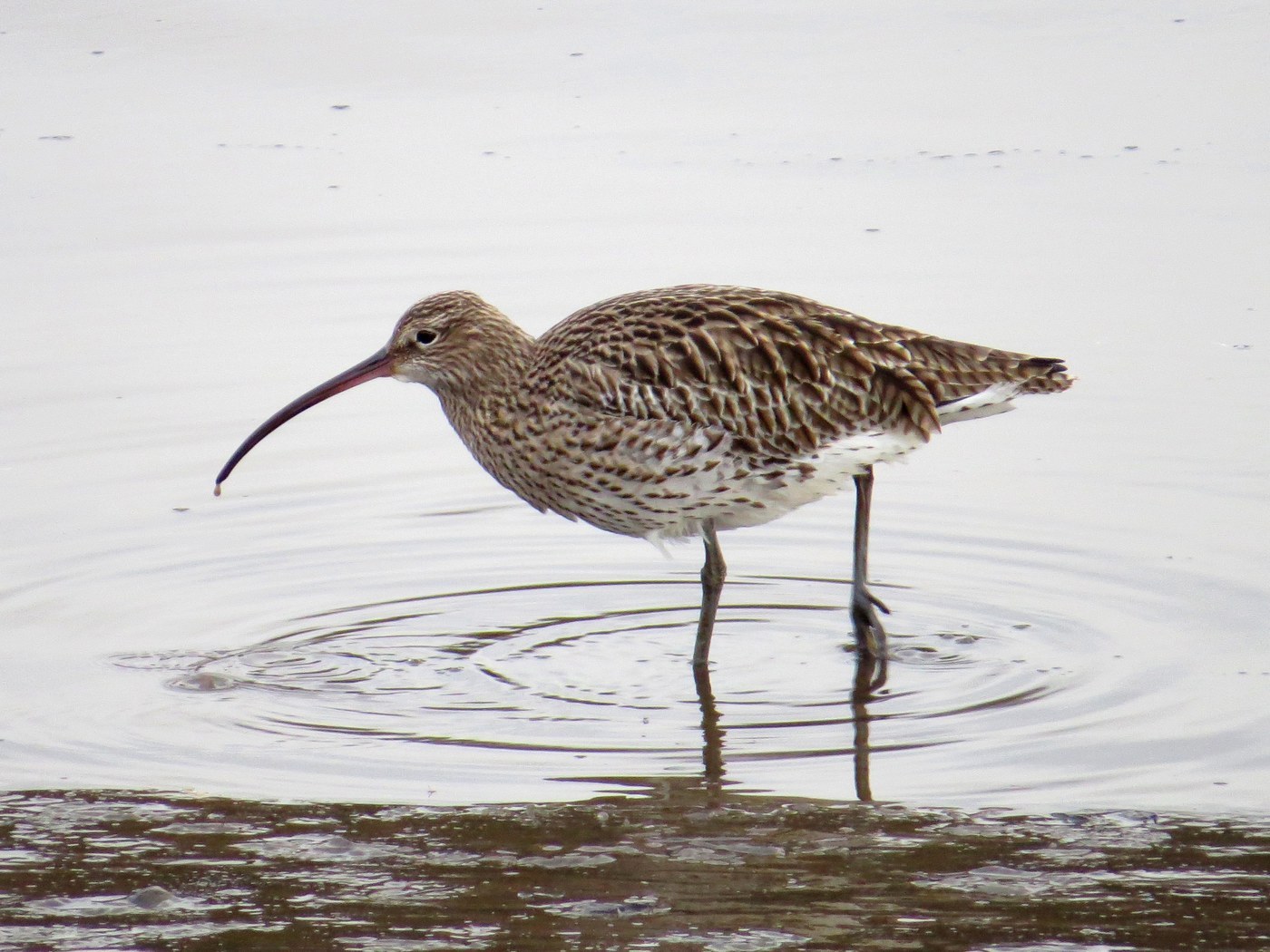
Eurasian Curlew
Body, flight, and tail feathers
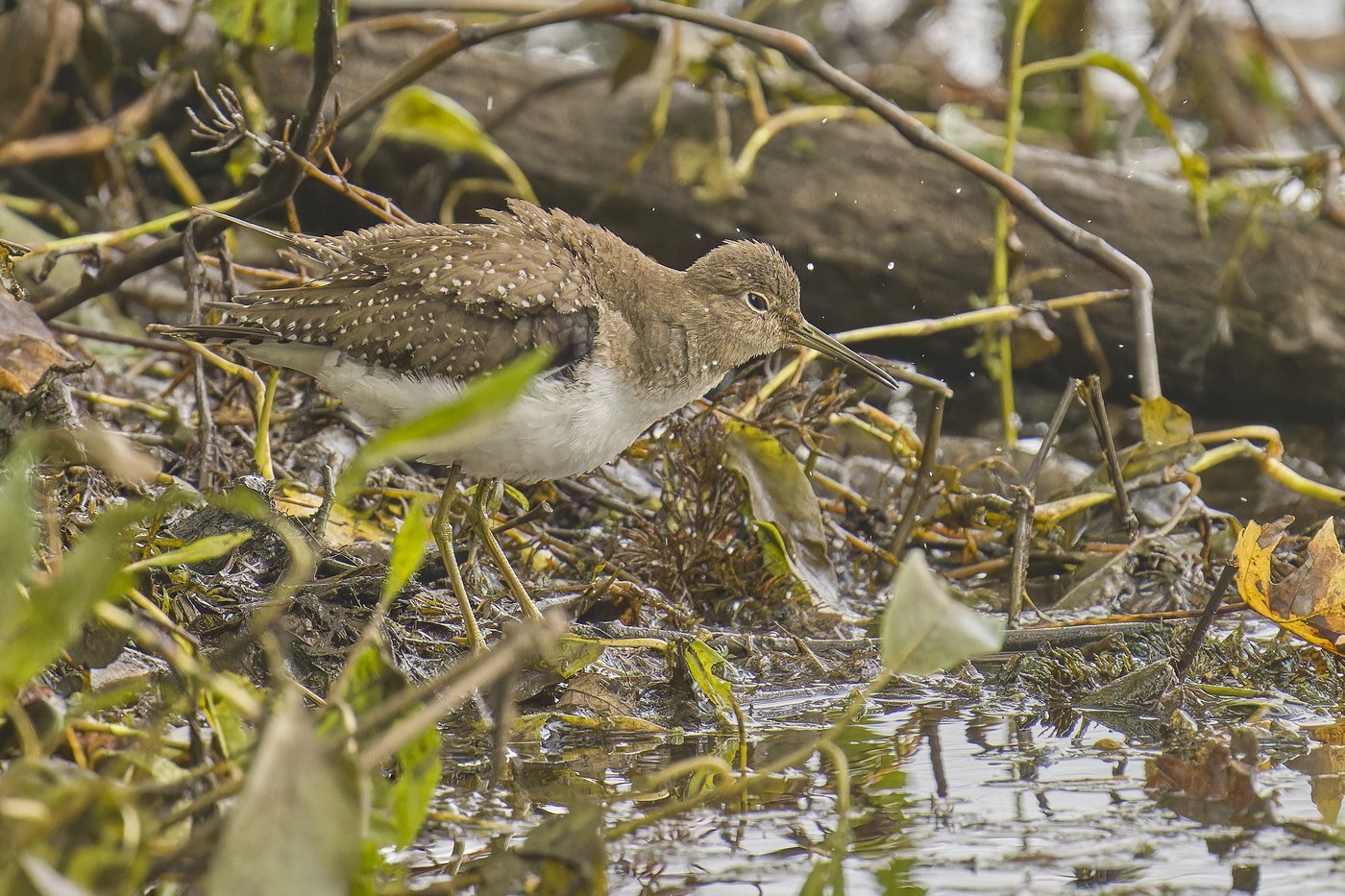
Solitary Sandpiper
Contour and flight feathers

Piping Plover
Small, pale, compact body feathers and short flight feathers typical of a beach-nesting plover