

Long-billed Dowitcher
Limnodromus scolopaceus
A close relative of the Short-billed Dowitcher with a proportionally longer bill and more extensively barred, deeper rufous breeding underparts, generally favoring freshwater habitats over saline coastal flats.
- Feather type
- Medium wader contour and flight feathers
- Colours
- Deep rufous-red, heavily barred breeding underparts; plain gray nonbreeding plumage; barred tail
- Bird size
- Robin-sized, ~27-30 cm
Found a feather like this?
Identify any feather from a photo, free.
Overview
Overview
The Long-billed Dowitcher breeds on Arctic tundra in western North America and eastern Siberia and is closely similar to the Short-billed Dowitcher, with which it frequently overlaps during migration. It tends to favor freshwater wetlands more than its coastal-leaning relative, and shows a somewhat longer bill and more extensively marked underparts.
Feathers are often found around freshwater marshes, ponds, and flooded fields, though the species also occurs on coastal mudflats during migration.
Identifying the Feather
Feather Identification
- Breeding underparts: deep rufous-red wash extending further across the belly, with bold barring covering the flanks more extensively than in Short-billed Dowitcher.
- Tail feathers: barred black-and-white pattern with the dark bars typically wider than the white bars, a subtle but useful distinction from Short-billed Dowitcher's more evenly barred tail.
- Upperparts: dark feathers with rufous and buff fringes in breeding plumage, becoming plain gray in winter, essentially matching Short-billed Dowitcher in this plumage.
- Nonbreeding feathers: plain gray above and pale below, virtually identical to nonbreeding Short-billed Dowitcher.
- Versus Short-billed Dowitcher: Long-billed tends to show deeper rufous tones extending further onto the belly with more extensive barring, and wider dark tail bars, but overlap is considerable and voice offers the clearest distinction for live birds.
Plumage & Molt
Plumage Notes
Breeding adults show a deep rufous-red underparts wash with bold, extensive barring reaching well onto the belly and flanks; sexes look similar. Nonbreeding adults molt to plain gray above and whitish-gray below, closely matching nonbreeding Short-billed Dowitcher.
Juveniles show comparatively plainer, less brightly fringed upperpart feathers than juvenile Short-billed Dowitcher, tending toward a more uniform gray-brown tone even when fresh. Molt into nonbreeding plumage occurs mostly after migration, with adults sometimes retaining some breeding-plumage feathers longer than Short-billed Dowitcher.
Habitat & Range
Habitat & Range
Long-billed Dowitchers breed on Arctic tundra in western Alaska and adjacent Siberia. They migrate to winter mainly on freshwater and brackish wetlands across the southern United States, Mexico, and Central America, generally favoring freshwater habitats more than the more coastal, saline-associated Short-billed Dowitcher, though both species can occur together at productive wetland sites.
Behavior & Field Notes
Behavior & Field Notes
Like its relative, this species forages with a rapid, repetitive vertical probing motion in soft mud and shallow water, taking small invertebrates. It tends to occur in slightly larger concentrations at inland freshwater sites than Short-billed Dowitcher.
Nests are shallow tundra scrapes. The flight call is a sharp, high-pitched single "keek," distinctly different from the softer, multi-noted whistle of Short-billed Dowitcher, and is the most reliable way to separate the two species in the field.
Frequently asked questions
How can I tell Long-billed Dowitcher feathers from Short-billed?
Long-billed tends to show deeper rufous tones extending further onto the belly with more extensive barring and wider dark tail bars, though the two species overlap considerably and voice is the most reliable distinction for live birds.
What habitat does this species prefer?
Freshwater and brackish wetlands, more so than the coastal saline flats favored by Short-billed Dowitcher.
What does the breeding underparts pattern look like?
A deep rufous-red wash with bold barring extending well onto the belly and flanks.
What is the flight call of this species?
A sharp, high-pitched single "keek" note, different from the softer whistled call of Short-billed Dowitcher.
Where does this species breed?
On Arctic tundra in western Alaska and adjacent parts of eastern Siberia.
Long-billed Dowitcher guides
In-depth guides for identifying and understanding Long-billed Dowitcher.

Other feathers you may enjoy
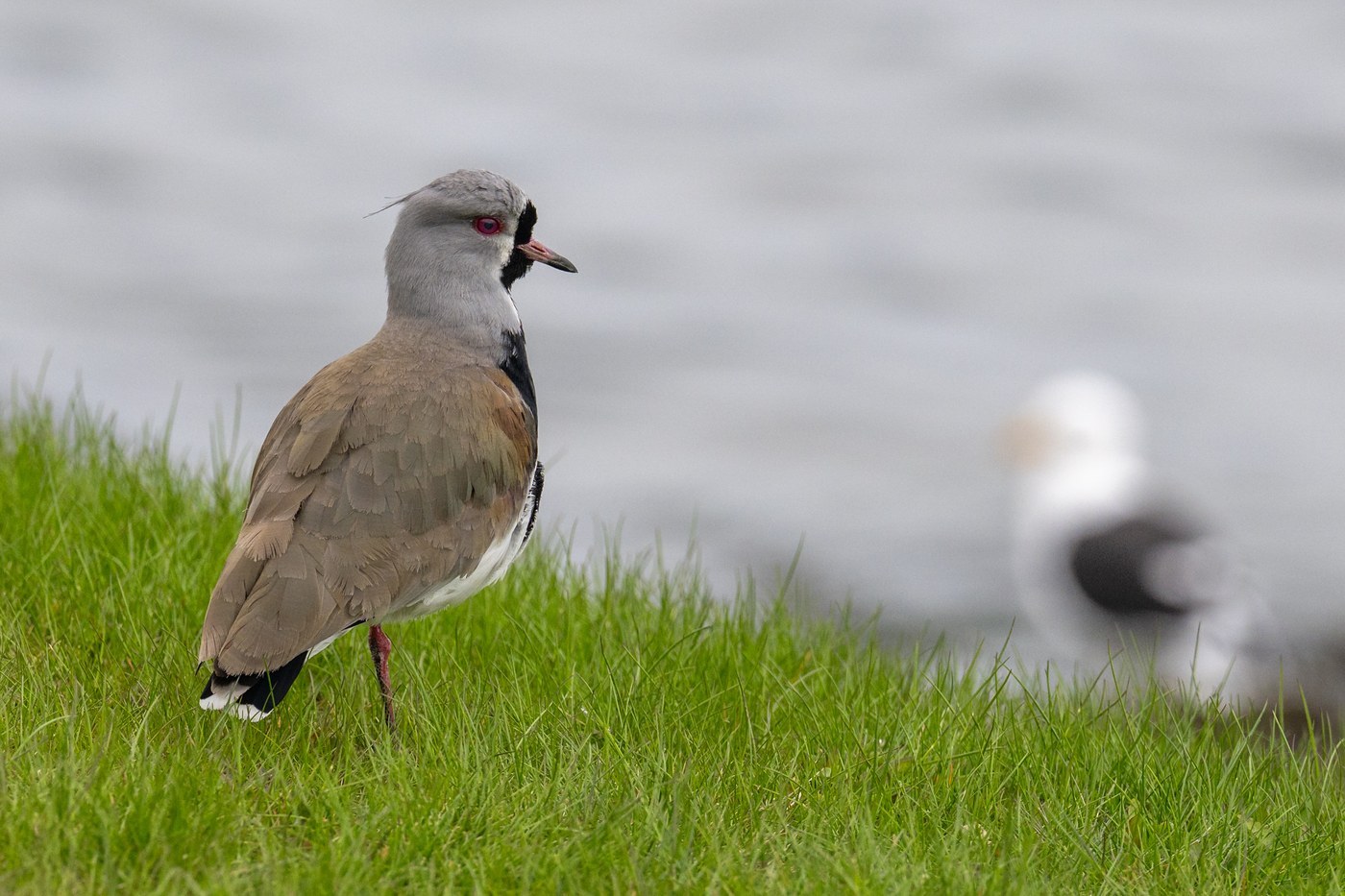
Southern Lapwing
Body, flight, and tail feathers

Jack Snipe
Body and flight feathers

Far Eastern Curlew
Body, flight, and tail feathers

Terek Sandpiper
Body and flight feathers

Wilson's Phalarope
Body and flight feathers
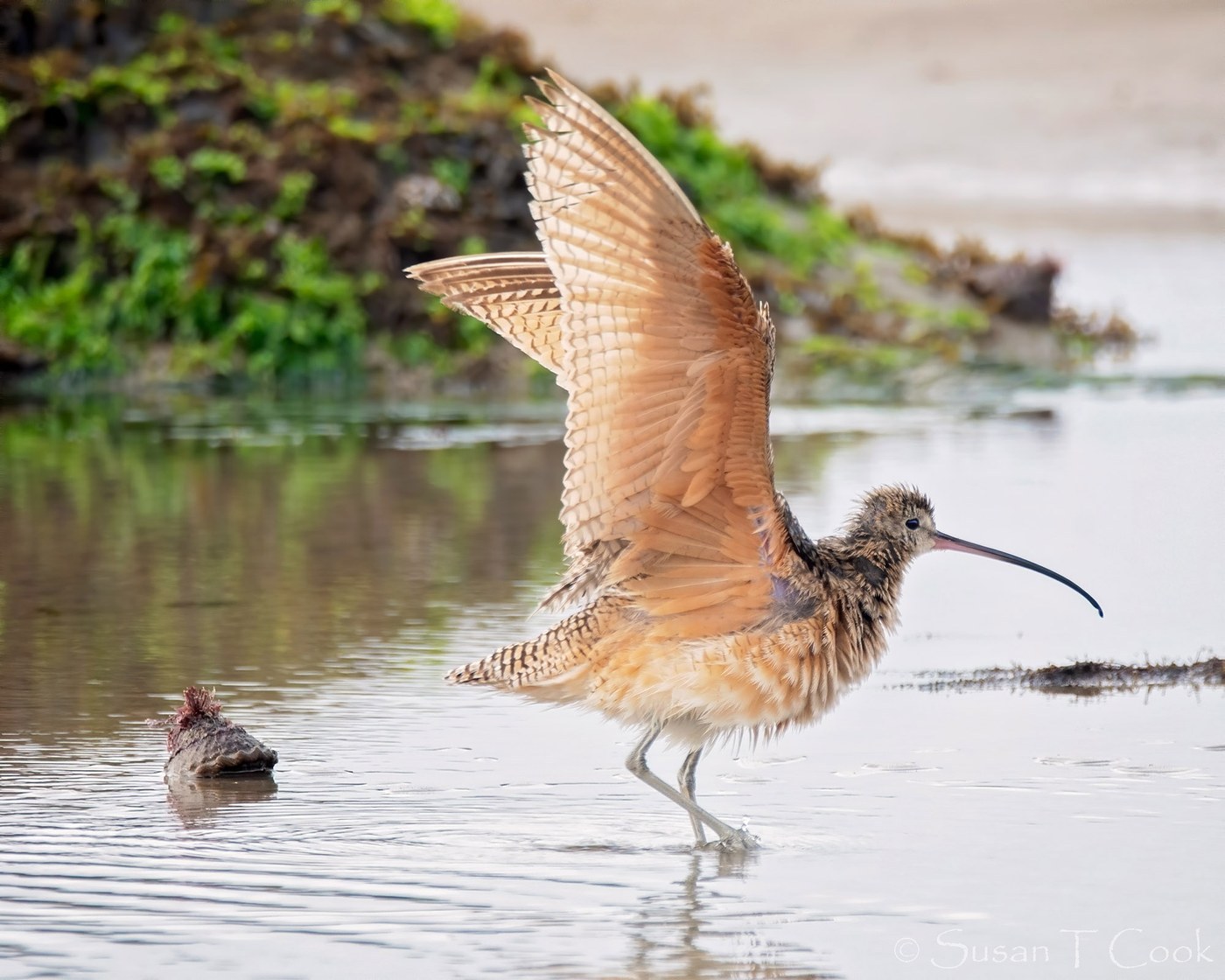
Long-billed Curlew
Body, flight, and tail feathers

Upland Sandpiper
Body, flight, and tail feathers

Red Phalarope
Body and flight feathers

Eurasian Dotterel
Body feathers
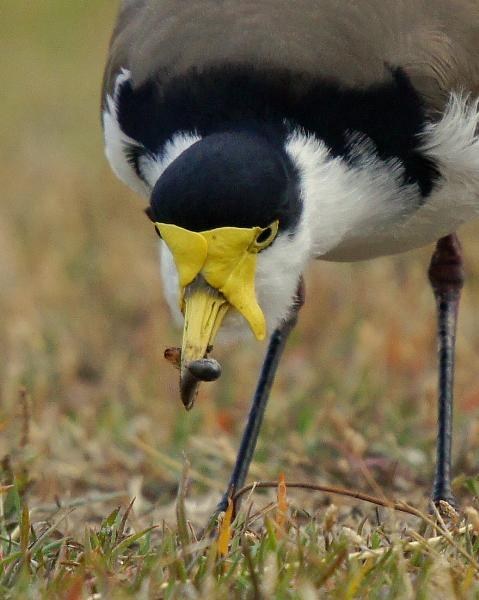
Masked Lapwing
Body, flight, and tail feathers
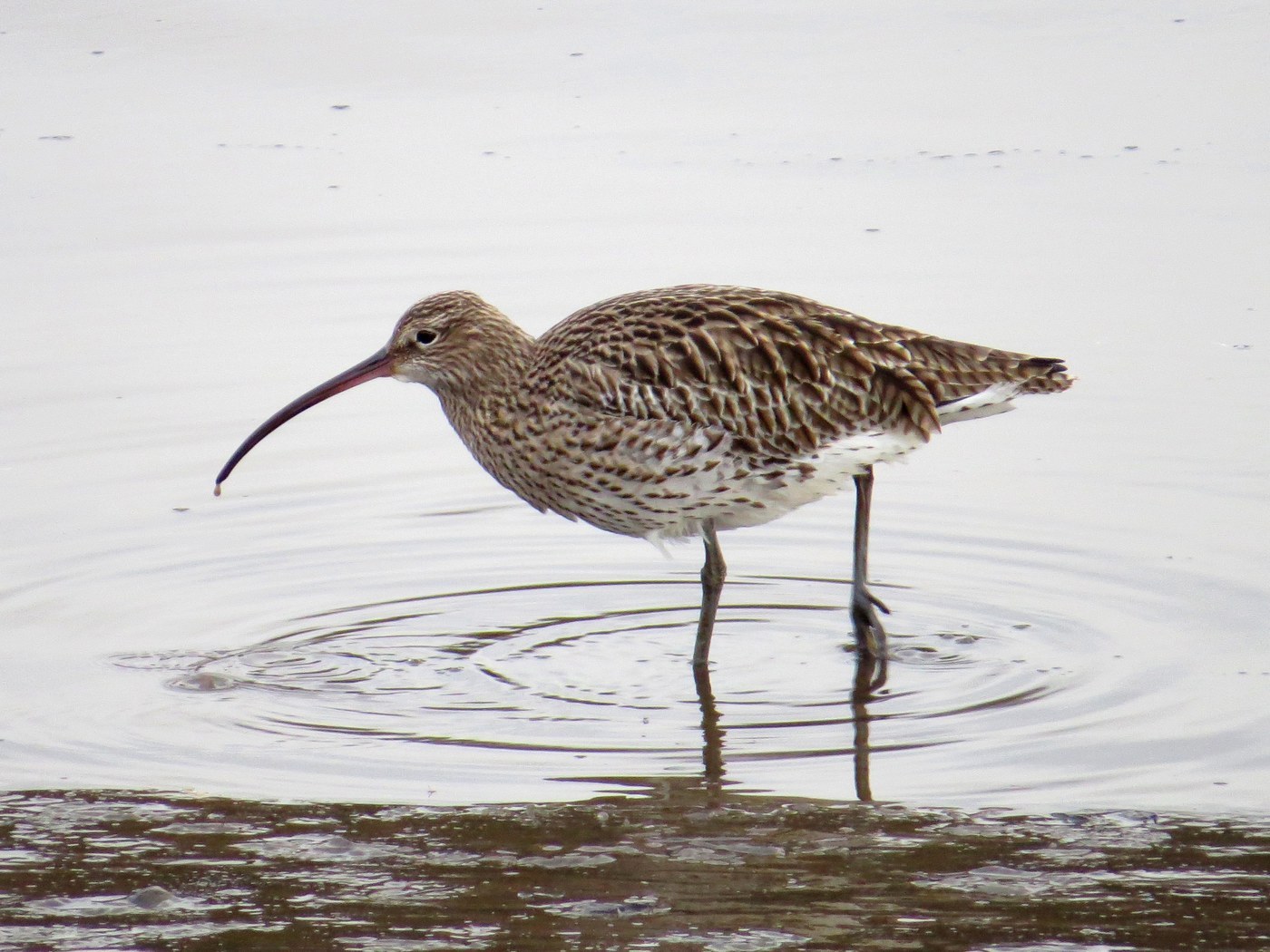
Eurasian Curlew
Body, flight, and tail feathers
Solitary Sandpiper
Contour and flight feathers