
Manx Shearwater
Puffinus puffinus
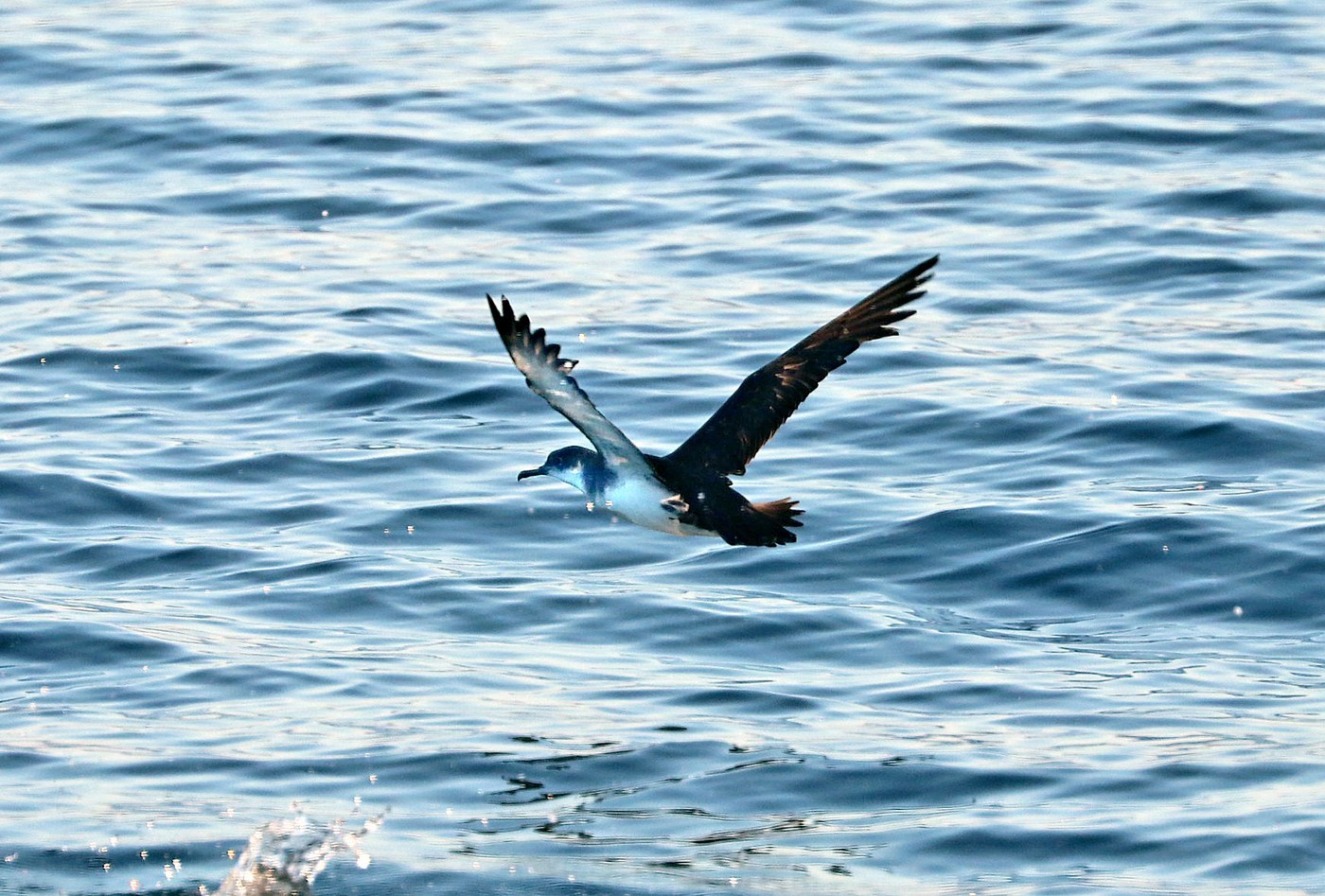
A slim, black-and-white seabird known for its low, banking flight that alternately flashes dark upperparts and white underparts as it 'shears' over waves.
- Feather type
- Stiff, narrow flight feathers built for gliding
- Colours
- Blackish-brown above, crisp white below
- Bird size
- Medium, ~30-38 cm
Found a feather like this?
Identify any feather from a photo, free.
Overview
Overview
The Manx Shearwater is a slender, long-winged seabird with sharply contrasting black-above, white-below plumage, well suited to its characteristic low, banking flight over the ocean surface. It nests in burrows on offshore islands, often in large, dense colonies.
Its flight style, alternating tilted glides that flash dark and light sides in quick succession, is reflected in feathers that show strong, clean contrast rather than mottling or barring.
Identifying the Feather
Manx Shearwater feathers show a clean, high-contrast pattern typical of many shearwaters.
- Upperparts: Blackish-brown, fairly uniform without barring, on the crown, back, and upperwing.
- Underparts: Crisp white on the breast, belly, and underwing coverts, with a sharp line of demarcation from the dark upperparts rather than a gradual blend.
- Flight feathers: Primaries are dark blackish-brown and narrow, built for stiff, extended gliding.
- Compared to similar shearwaters: The clean black-and-white contrast, lack of a dark cap contrasting with a paler collar (as in Great Shearwater), and generally smaller, slimmer feather size help separate Manx from bulkier shearwater species.
Plumage & Molt
Adults show blackish-brown upperparts and clean white underparts including the underwing linings, with a sharp border between the two color zones. Sexes look alike. Juveniles closely resemble adults with only subtle differences in feather freshness. The molt is completed largely in the non-breeding range, away from the demands of the nesting burrow.
Habitat & Range
Manx Shearwaters breed in burrows on grassy or turf-covered offshore islands, mainly around the northeastern Atlantic, and undertake long transatlantic migrations to wintering grounds off the coast of South America outside the breeding season. They are highly pelagic when not breeding, ranging over open ocean far from land.
Behavior & Field Notes
This shearwater feeds by plunge-diving and pursuit-diving for small fish and marine invertebrates, often foraging in flocks and following schools of prey fish. Its low, banking flight close to the water surface, alternating brief glides on stiff wings, is a hallmark of the species. Nesting occurs in burrows visited only at night to avoid predators, with a single egg laid per season and a long fledging period for the chick. Calls are harsh, cackling notes given at night around breeding colonies.
Frequently asked questions
What is the key feather clue for identifying a Manx Shearwater?
A sharp, clean contrast between blackish-brown upperparts and crisp white underparts, without the mottled or scaly look seen in some larger shearwaters.
How does a Manx Shearwater feather differ from a Sooty Shearwater feather?
Manx feathers show strong black-and-white contrast, while Sooty Shearwater feathers are uniformly dark brown with only silvery underwing linings providing contrast.
Are Manx Shearwater feathers different between juveniles and adults?
The two look very similar, with only subtle differences in feather wear and freshness distinguishing recently fledged birds.
Where would a Manx Shearwater feather likely be found?
Near burrow colonies on offshore islands in the northeastern Atlantic, or along migration routes and wintering areas off South America.
Manx Shearwater guides
In-depth guides for identifying and understanding Manx Shearwater.
Other feathers you may enjoy

Western Gull
Body, flight, and tail feathers
Glaucous Gull
Body, flight, and tail feathers

American Herring Gull
Body, flight, and tail feathers

Great Black-backed Gull
Body, flight, and tail feathers

Common Gull
Body, flight, and tail feathers
Iceland Gull
Body, flight, and tail feathers

Ring-billed Gull
Body, flight, and tail feathers

Glaucous-winged Gull
Body, flight, and tail feathers

Herring Gull
Body, flight, and tail feathers

Lesser Black-backed Gull
Body, flight, and tail feathers

California Gull
Body, flight, and tail feathers
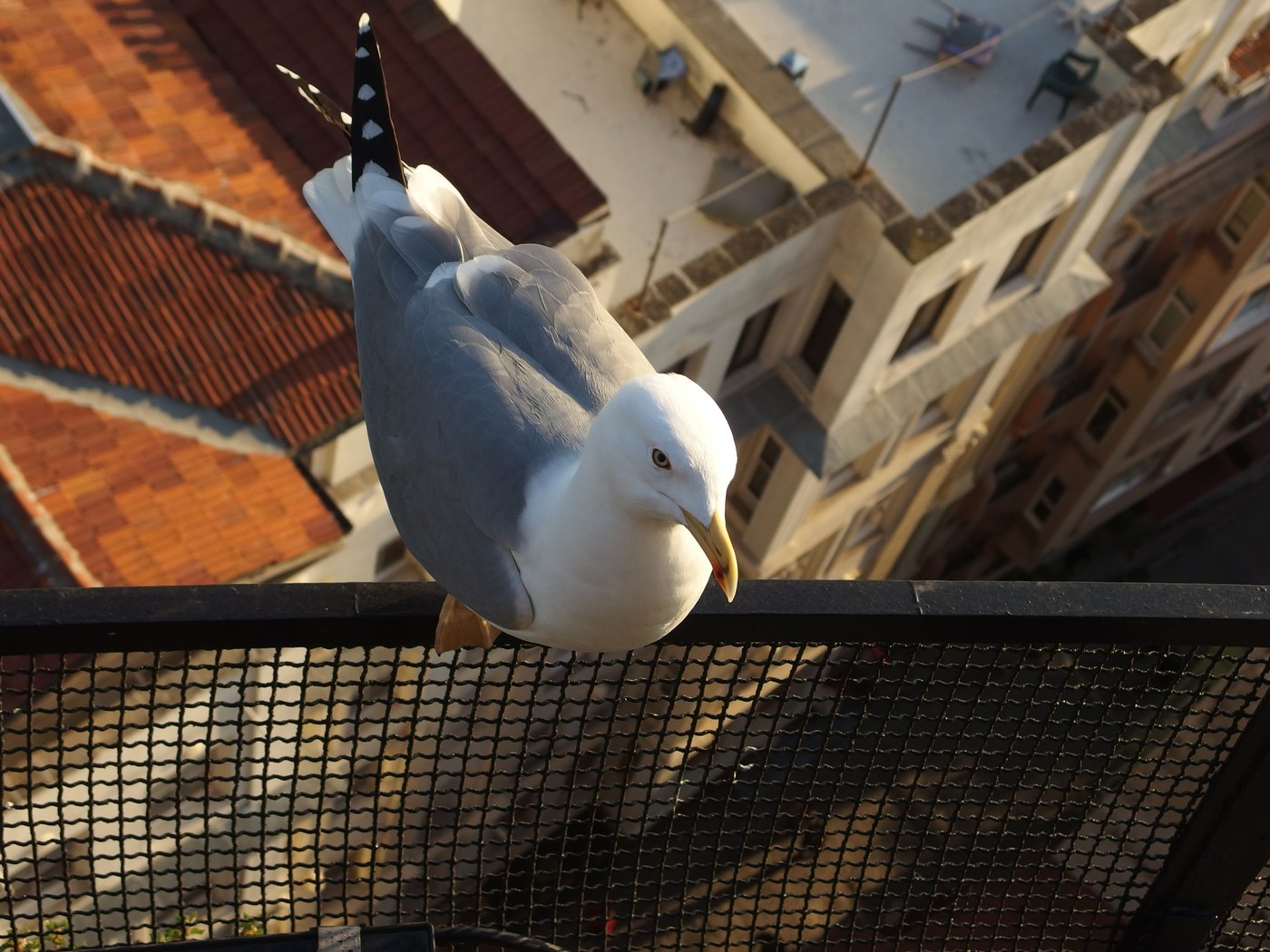
Yellow-legged Gull
Body, wing covert, and flight feathers