

Northern Crested Caracara
Caracara cheriway
A bold, ground-foraging raptor found from the southern United States through Central America, showing a black cap, cream barred neck, and dark body much like its southern relative the Crested Caracara.
- Feather type
- Broad rounded flight feathers; barred tail; black cap feathers and barred breast feathers
- Colours
- Black cap and body; cream-white neck and barred upper breast; dark tail with a pale terminal band
- Bird size
- Large raptor, ~49-58 cm
Found a feather like this?
Identify any feather from a photo, free.
Overview
The Northern Crested Caracara occupies open country from Texas, Florida, and Arizona south through Mexico and Central America into northern South America, often seen walking on the ground in pastures or perched on fence posts and utility poles.
Its feathers are essentially a near match to the closely related Crested Caracara of southern South America, with a black cap, cream and finely barred neck/breast, and a dark tail ending in a pale band, since the two were only recently split as separate species.
Because it readily scavenges carrion and forages in open, human-altered landscapes, feathers are commonly found along roadsides, ranchland, and agricultural fields.
Identifying the Feather
Shape and size
- Flight feathers are broad and rounded, suited to soaring and ground foraging rather than fast pursuit, with primaries around 28-34 cm.
- Tail feathers are broad with fine barring and a dark subterminal band followed by a pale tip.
Color and pattern
- Cap and crest feathers are solid black.
- Neck and upper breast feathers are cream to white with fine dark barring.
- Lower body and wing feathers are blackish-brown.
- Shafts are pale on neck/breast feathers, dark on cap and body feathers.
Similar species
- Nearly identical to the Crested Caracara of southern South America; range is the main separator, with this species occurring from the southern US through Central America and into northern South America rather than the southern cone.
Plumage & Molt
Adults show a black cap, cream and finely barred neck/breast, blackish body, and a dark tail with a pale tip, sexes similar. Juveniles are browner with streaked rather than barred breast feathers, gradually molting into the crisper adult pattern.
Habitat & Range
Found in open grassland, scrub, and savanna from the southern United States (Texas, Florida, Arizona) through Mexico and Central America into Colombia, Venezuela, and other parts of northern South America. It is largely resident with only local movements.
Behavior & Field Notes
An opportunistic forager that scavenges carrion and hunts small vertebrates and insects on the ground, often walking with a distinctive gait. Builds a bulky stick nest in trees, cacti, or on artificial structures. Voice is a harsh rattling call.
Field note: a black cap feather or barred cream breast feather found in open ranchland or roadside habitat from the southern US through Central America is a good match for this species.
Frequently asked questions
How is this species different from the Crested Caracara?
They are very similar in appearance and were only recently split; range distinguishes them, with this species found from the southern US through Central America and northern South America.
Where in the US can this species be found?
Resident populations occur in parts of Texas, Florida, and Arizona.
What is its typical foraging behavior?
It walks on the ground scavenging carrion and hunting small animals, often along roadsides and in open ranchland.
How do juvenile feathers differ from adult feathers?
Juveniles show streaked rather than crisply barred breast feathers and an overall browner tone.
Northern Crested Caracara guides
In-depth guides for identifying and understanding Northern Crested Caracara.

Other feathers you may enjoy

Australian Hobby
Long, narrow pointed flight feathers; slender tail feathers

California Condor
Massive flight feathers; long broad primaries; large tail feathers

Brown Falcon
Broad, rounded flight feathers; variable-toned contour feathers
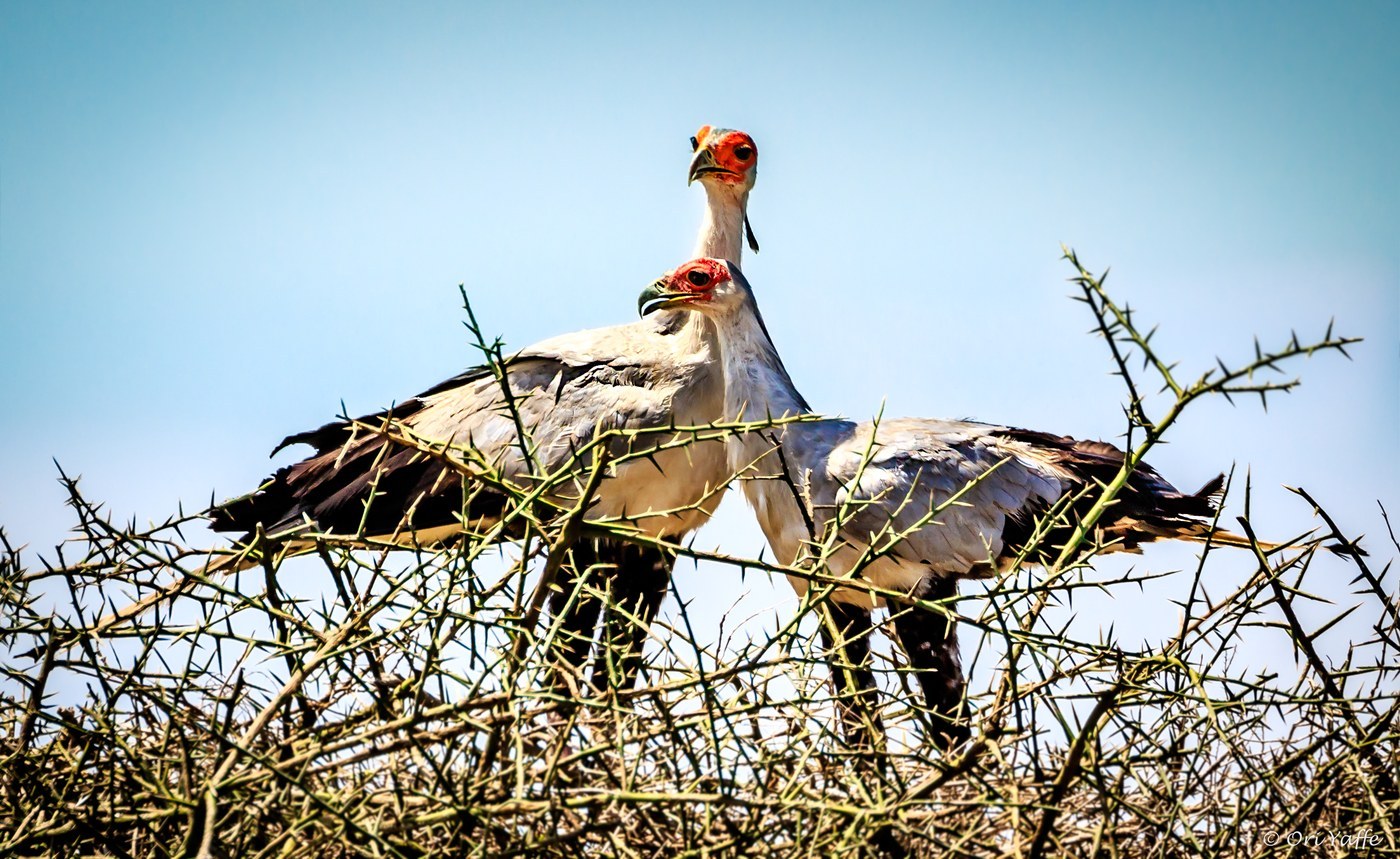
Secretarybird
Long crest feathers; broad flight feathers; elongated central tail feathers

Orange-breasted Falcon
Broad-based pointed flight feathers; bold breast and belly feathers
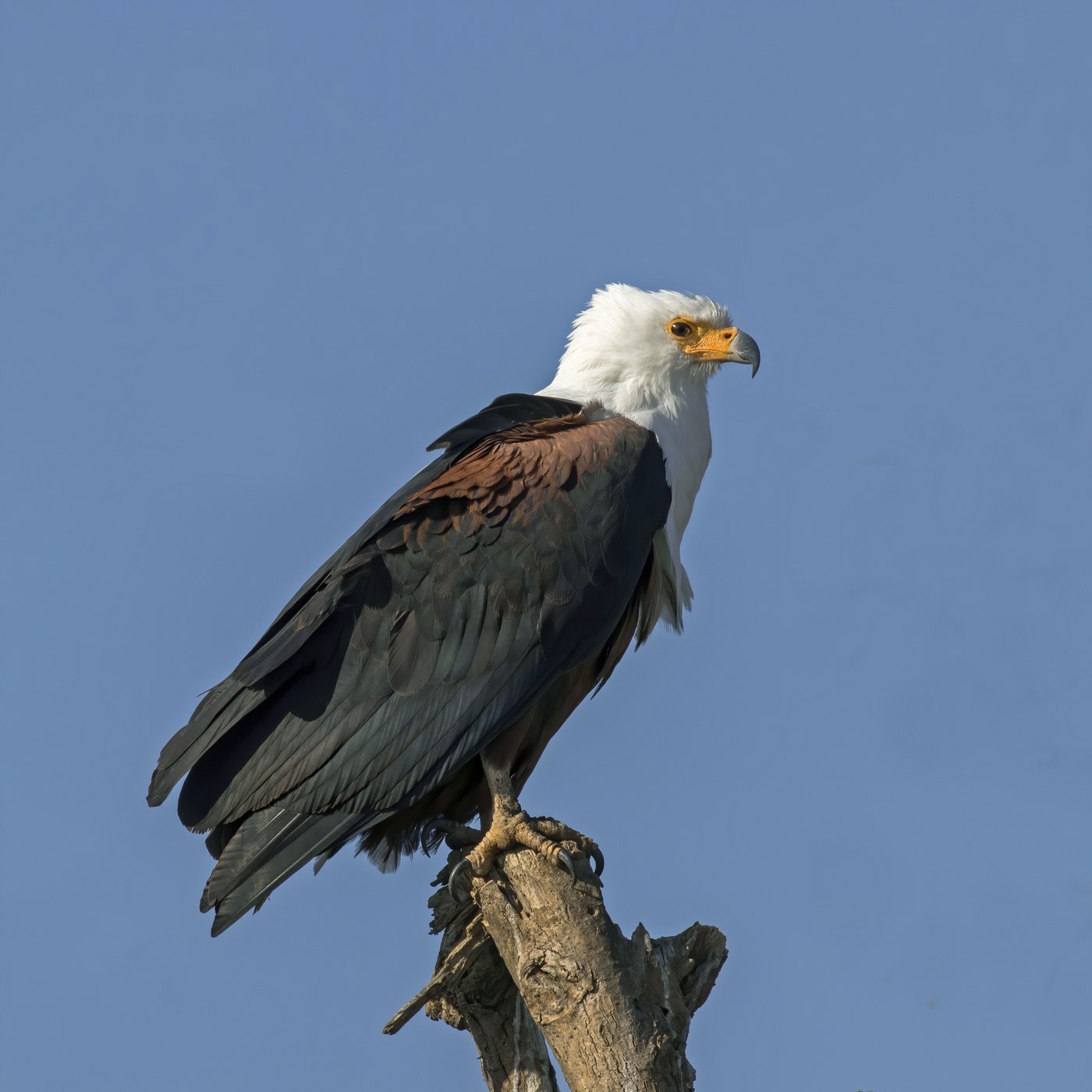
African Fish Eagle
Flight, tail, and body feathers

Amur Falcon
Slender pointed flight feathers; soft slate or orange-buff contour feathers
Red Kite
Flight (wing) and tail feathers
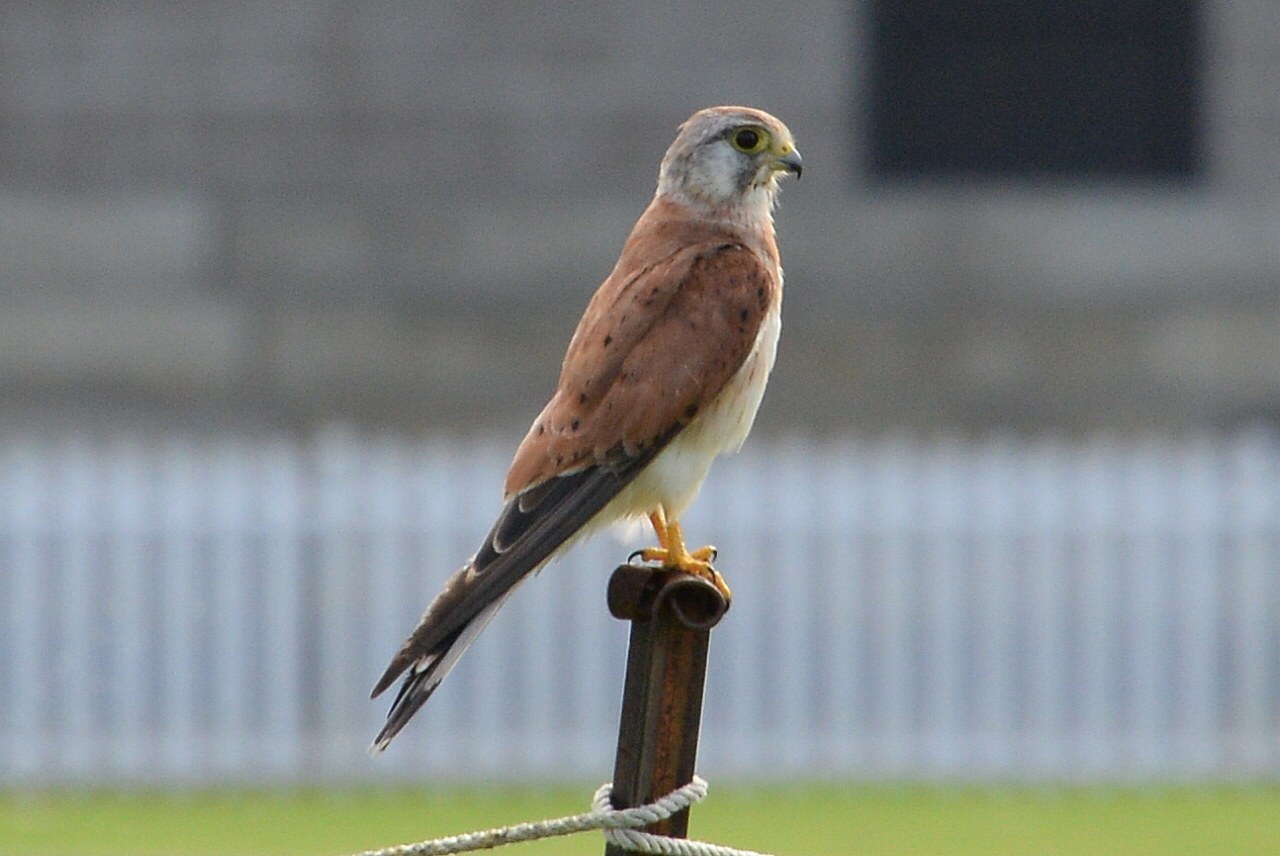
Nankeen Kestrel
Slim pointed flight feathers; lightly marked contour feathers

Andean Condor
Massive flight feathers; broad primaries and secondaries; sturdy tail feathers

Plumbeous Forest Falcon
Short rounded flight feathers; finely barred tail feathers

Sooty Falcon
Long pointed flight feathers; slim tail feathers