

Northern Long-eared Owl
Asio otus wilsonianus
The Northern Long-eared Owl is the North American form of the Long-eared Owl, a slender, cryptically patterned owl with long, closely-set ear tufts that roosts communally in dense conifers.
- Feather type
- Boldly mottled, bark-patterned flight and body feathers with long, closely-set ear tufts
- Colours
- Mottled buff, brown, and grey with fine vermiculation and streaking
- Bird size
- Medium, roughly 35-40 cm
Found a feather like this?
Identify any feather from a photo, free.
Overview
The Northern Long-eared Owl is the North American subspecies of the widespread Long-eared Owl, found across much of the continent's forested and semi-open regions. It favors dense conifer or mixed woodland patches for roosting, often adjacent to open fields and grassland used for hunting.
It is well known for forming communal winter roosts, where multiple individuals gather in the same dense stand of trees, an important trait for anyone finding several similar feathers in one location.
Its finely mottled, bark-like plumage combined with long, closely-set ear tufts distinguishes it from the plainer Marsh Owl and the bolder-streaked Striped Owl found in other parts of the Americas.
Identifying the Feather
Shape and Size
Flight feathers are moderate to fairly long, roughly 19-23 cm on primaries, with soft fringed edges for silent flight. Ear-tuft feathers are long and held close together.
Color and Pattern
- Mottled buff, brown, and grey ground color with fine vermiculation, closely resembling bark
- Underparts pale buff with fine dark streaking, less bold than in the Striped Owl
- Facial disc is rufous-buff with a paler rim
Shaft and Vane
Shafts pale brown; vanes soft and finely mottled.
Distinguishing from Similar Species
The fine, intricate mottling (rather than bold streaking) combined with long, closely-set ear tufts helps separate this subspecies' feathers from the more boldly marked Striped Owl and the plainer Marsh Owl found elsewhere in the Americas.
Plumage & Molt
Adults show mottled buff, brown, and grey plumage with fine vermiculation, a rufous-buff facial disc with a paler rim, long ear tufts held close together, and orange eyes.
Sexes look similar, with females slightly larger and often somewhat darker. Juveniles are downier and less finely patterned, developing full adult plumage within their first year. Adults undergo a single annual molt after breeding.
Habitat & Range
This subspecies is found across much of North America, favoring dense conifer or mixed woodland patches adjacent to open fields, grassland, and agricultural land used for hunting.
Northern populations are migratory, moving south in winter and often forming communal roosts, while some southern populations are largely resident.
Behavior & Field Notes
The Northern Long-eared Owl is nocturnal, roosting by day in dense conifer stands, sometimes communally with several other individuals during winter. It hunts small mammals over adjacent open fields and grassland.
It nests in old stick nests of other birds within trees rather than building its own. Its call is a low, repeated hoot. A finely mottled buff and brown feather with a long, narrow ear-tuft plume found near dense conifers bordering open fields in North America is consistent with this species.
Frequently asked questions
Why might I find several similar feathers in one spot?
This owl often roosts communally with other individuals in the same dense conifer stand, especially in winter, so multiple feathers can accumulate in one roosting area.
How can I distinguish this feather from a Striped Owl's?
This subspecies shows finer, more intricate mottling resembling bark, while the Striped Owl shows bolder, more clearly defined dark streaking.
Is this species migratory?
Northern populations migrate south for winter, while some southern populations remain resident year-round.
What habitat should I search near for this species' feathers?
Dense conifer or mixed woodland patches next to open fields or grassland, which the species uses for roosting and hunting respectively.
Northern Long-eared Owl guides
In-depth guides for identifying and understanding Northern Long-eared Owl.

Other feathers you may enjoy

Tawny Owl
Wing (flight) and body (contour) feathers
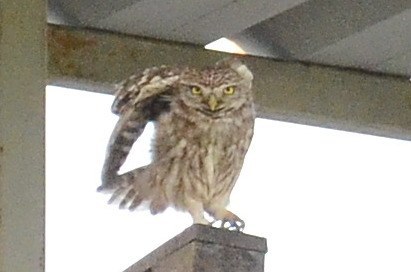
Little Owl
Wing and body feathers

Balsas Screech-Owl
Small ear-tuft feathers; soft, finely vermiculated body feathers

Blakiston's Fish Owl
Massive flight feathers with looser structure; shaggy body plumage; prominent ear-tuft feathers

Barn Owl
Wing and facial-disc feathers
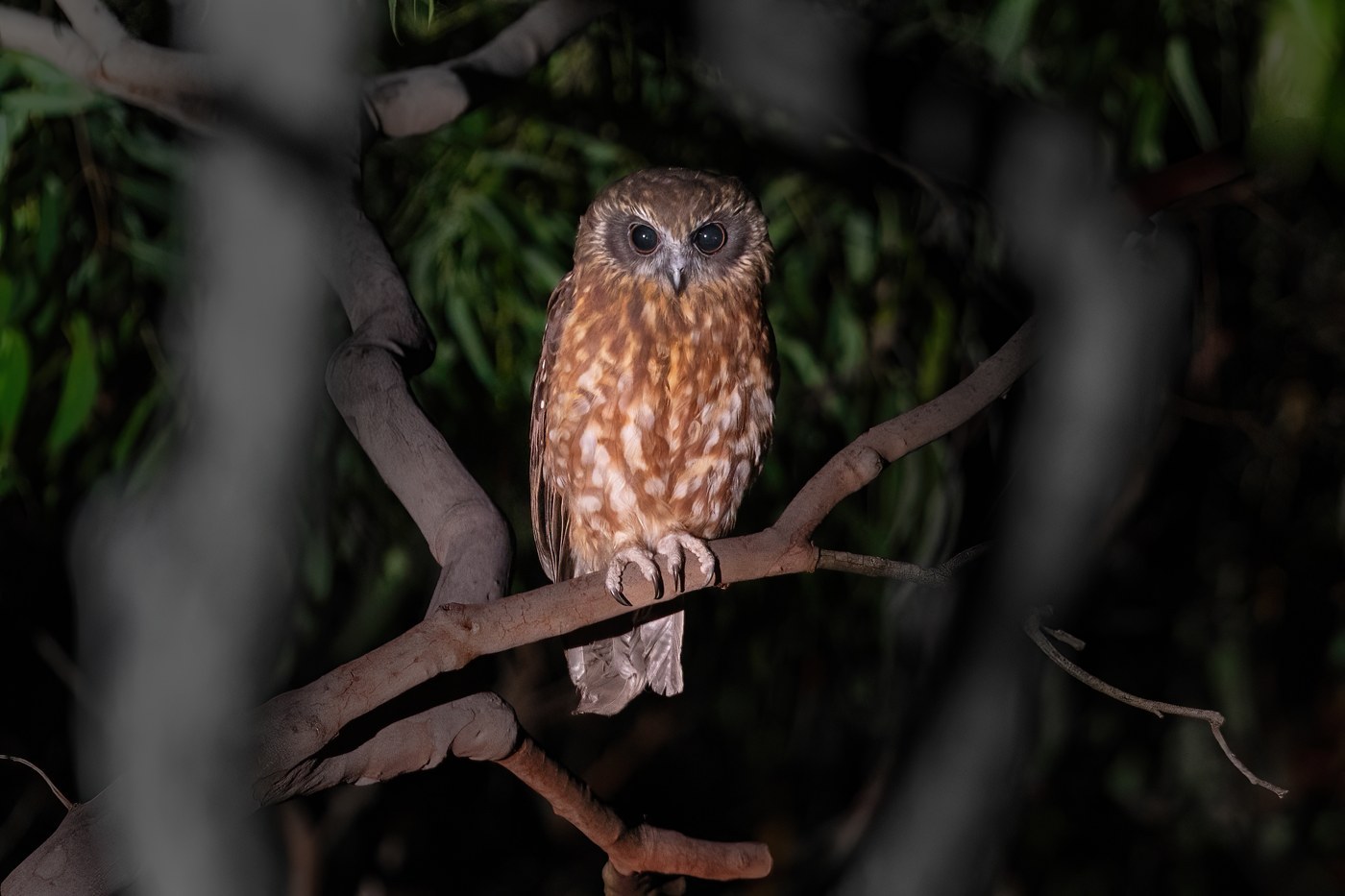
Southern Boobook
Rounded flight feathers; banded tail; spotted body plumage

Sooty Owl
Broad soft-edged flight feathers; heart-shaped facial disc feathers; finely speckled body plumage

Short-eared Owl
Broad soft-fringed flight feathers; streaked body feathers; tiny, rarely visible ear tufts

Stygian Owl
Dark, mottled flight and body feathers with long, closely-set ear tufts
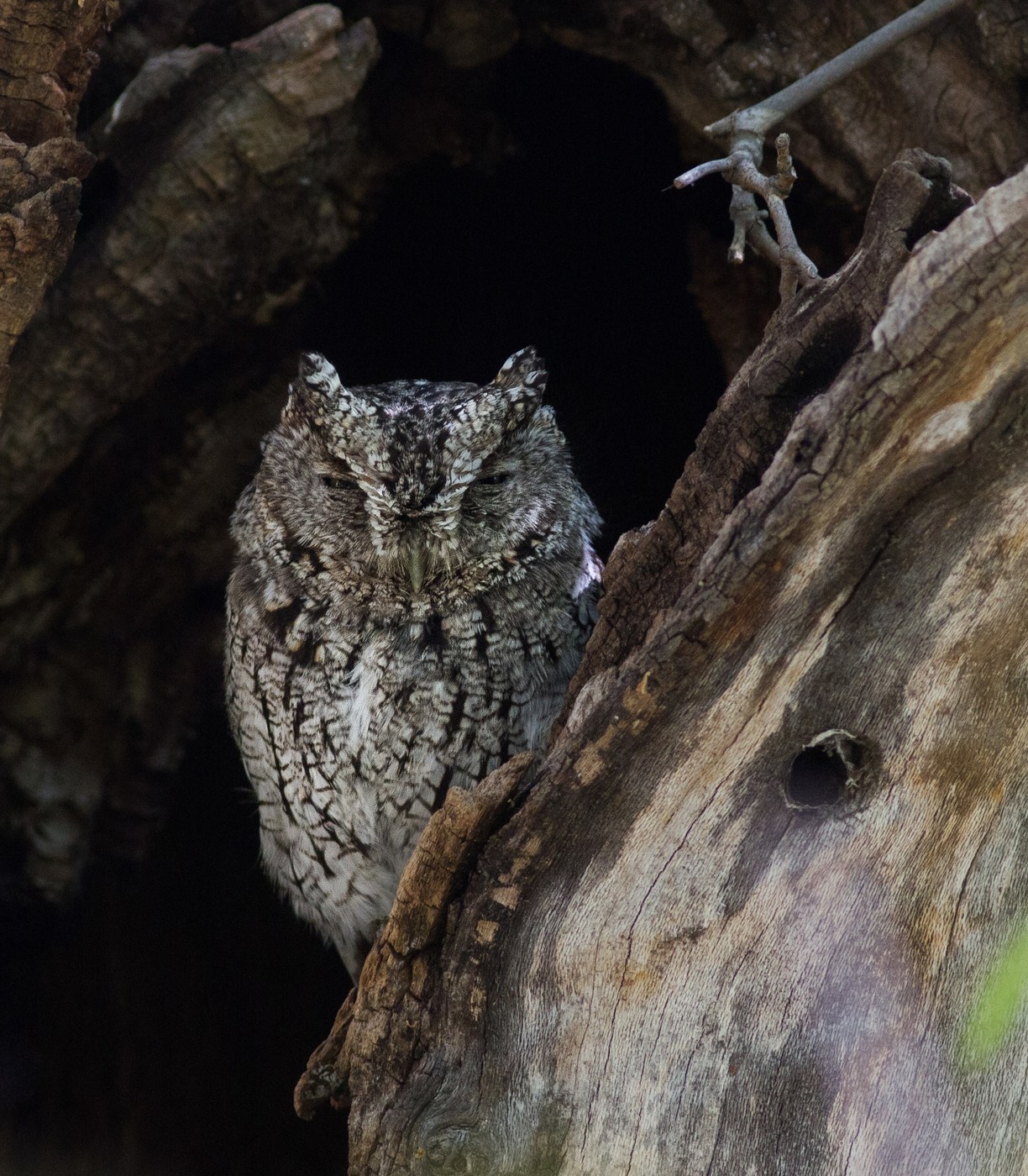
Whiskered Screech-Owl
Small soft-fringed flight feathers; finely mottled body feathers; short ear tufts
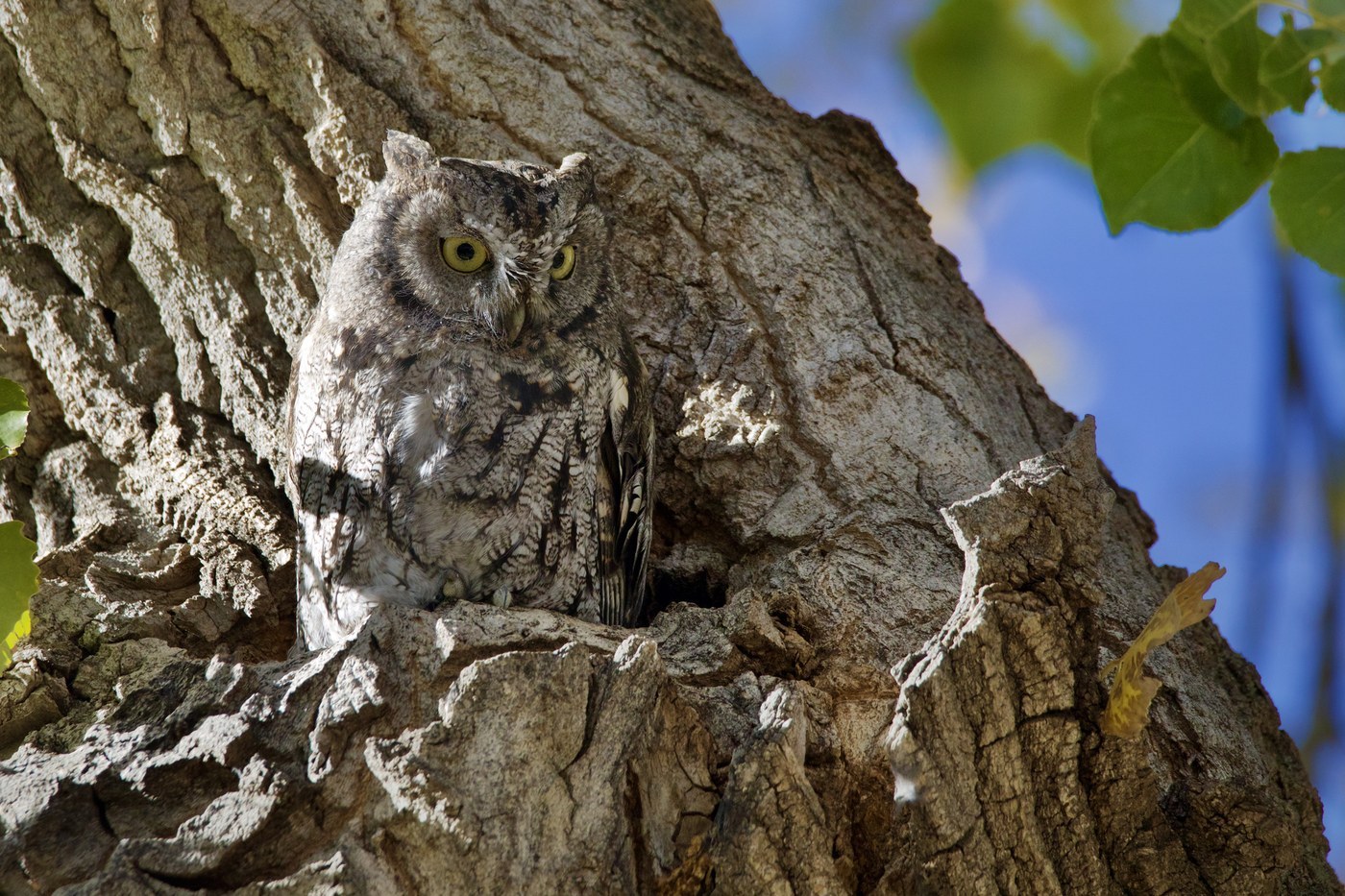
Western Screech-Owl
Small soft-fringed flight feathers; cryptic mottled/streaked body feathers; short ear tufts

White-faced Scops Owl
Small to medium flight feathers with a distinctive whitish facial disc and long ear-tuft plumes