

Oriental Scops Owl
Otus sunia
The Oriental Scops Owl is a small, migratory Asian owl with cryptic bark-patterned plumage occurring in grey and rufous color morphs, and tiny ear tufts.
- Feather type
- Small, cryptically patterned flight and body feathers with tiny ear-tuft plumes
- Colours
- Grey-brown or rufous morphs with fine dark streaking and vermiculation
- Bird size
- Small, roughly 17-21 cm
Found a feather like this?
Identify any feather from a photo, free.
Overview
The Oriental Scops Owl breeds across a broad swath of Asia, including Japan, Korea, eastern China, and parts of South and Southeast Asia, with northern populations migrating south for the winter. It is a small, compact owl closely related to other scops owls found across Eurasia and Africa.
Its plumage occurs in grey-brown and rufous morphs, both finely patterned to resemble tree bark, an effective camouflage for daytime roosting against tree trunks and branches.
Because several scops owl species overlap in parts of its Asian range, feather identification often relies on general size and pattern combined with known local range, since fine plumage differences between similar scops owls can be subtle.
Identifying the Feather
Shape and Size
Flight feathers are small, typically 10-13 cm on primaries, with the soft fringed edge common to owls.
Color and Pattern
- Grey-brown or rufous ground color with fine dark vermiculation and streaking
- Bark-like mottled pattern for camouflage against tree trunks
- Underparts paler with fine dark shaft streaks
Shaft and Vane
Shafts are pale brown, vanes soft and lightly webbed, typical of small nocturnal owls.
Distinguishing from Similar Species
Oriental Scops Owl feathers closely resemble those of other small Asian scops owls such as the Collared and Indian Scops Owls; range and season (this species is more migratory in its northern populations) provide the best additional context for identification.
Plumage & Molt
Adults show grey-brown or rufous morphs, both finely vermiculated and streaked to resemble bark, with a pale facial disc, small ear tufts, and yellow eyes.
Sexes look alike, with females slightly larger. Juveniles are downier with less defined patterning. Adults undergo a single annual molt, generally after breeding and before migration in northern populations.
Habitat & Range
This species breeds across temperate and subtropical Asia, including Japan, Korea, northeastern China, and parts of the Indian subcontinent and Southeast Asia, in deciduous and mixed forest, woodland, and garden habitat.
Northern breeding populations are migratory, wintering in South and Southeast Asia, while some southern populations are resident year-round.
Behavior & Field Notes
The Oriental Scops Owl is nocturnal, roosting by day against tree trunks or in dense foliage where its bark-like plumage conceals it. It feeds mainly on large insects and other invertebrates, occasionally small vertebrates.
It nests in tree cavities. Its call is a short, repeated whistled or clicking note. A small, finely mottled grey-brown or rufous feather found in Asian woodland during the breeding or migration season is consistent with this species, alongside range and habitat context.
Frequently asked questions
Is the Oriental Scops Owl migratory?
Northern populations breeding in Japan, Korea, and northeastern China migrate south for winter, while some southern populations are resident.
How can I tell this species apart from other Asian scops owls by feather alone?
Plumage is very similar among small Asian scops owls, so range, season, and habitat context are often more reliable than feather pattern alone.
Does this owl have ear tufts?
Yes, small ear tufts are present, though they may not always be obvious on individual feathers.
What color morphs exist?
Both grey-brown and rufous morphs occur within the species.
Oriental Scops Owl guides
In-depth guides for identifying and understanding Oriental Scops Owl.

Other feathers you may enjoy

Tawny Owl
Wing (flight) and body (contour) feathers
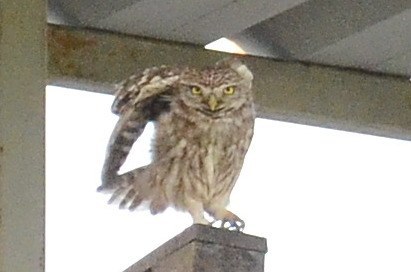
Little Owl
Wing and body feathers

Balsas Screech-Owl
Small ear-tuft feathers; soft, finely vermiculated body feathers

Blakiston's Fish Owl
Massive flight feathers with looser structure; shaggy body plumage; prominent ear-tuft feathers

Barn Owl
Wing and facial-disc feathers
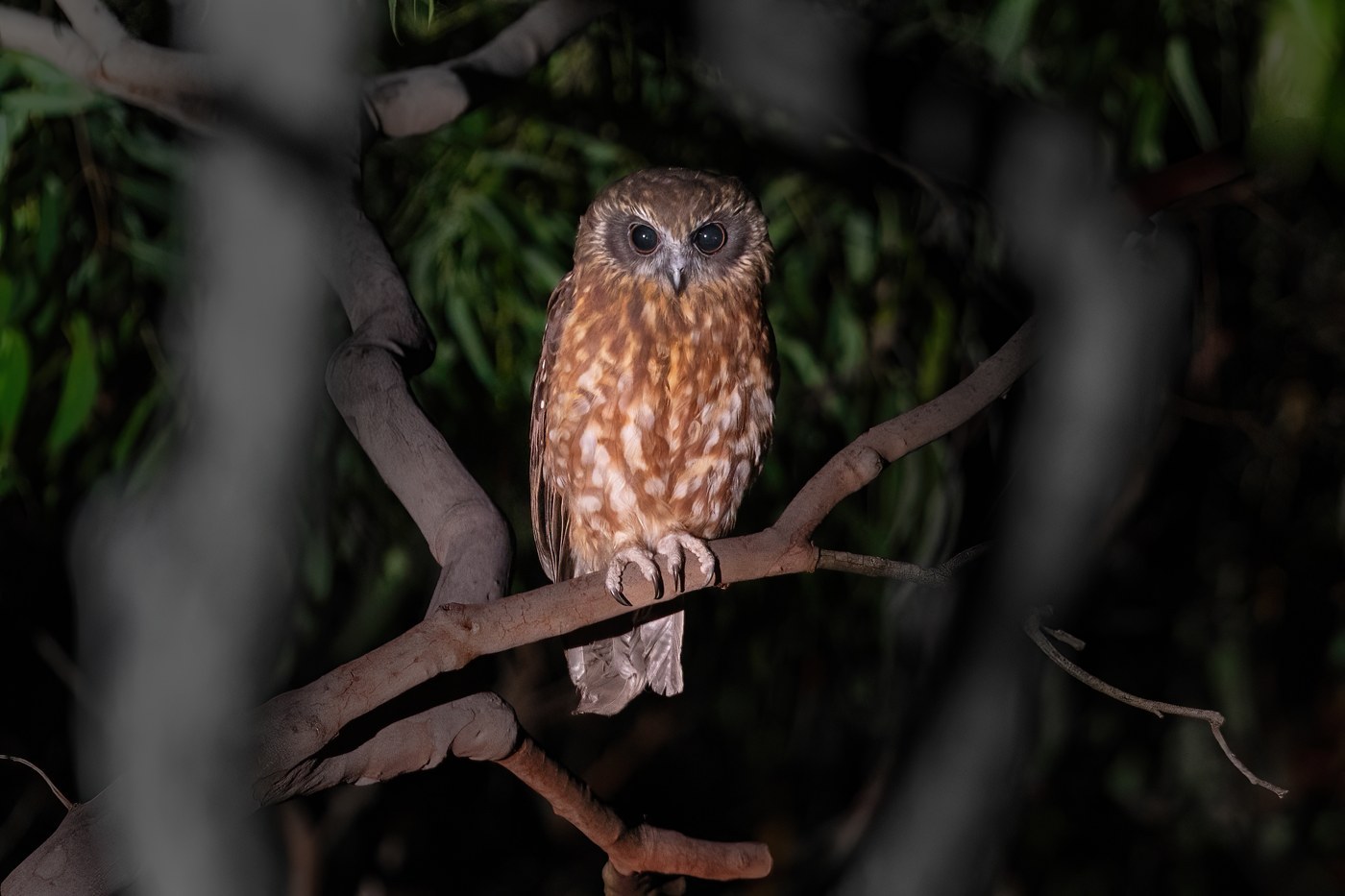
Southern Boobook
Rounded flight feathers; banded tail; spotted body plumage

Sooty Owl
Broad soft-edged flight feathers; heart-shaped facial disc feathers; finely speckled body plumage

Short-eared Owl
Broad soft-fringed flight feathers; streaked body feathers; tiny, rarely visible ear tufts

Stygian Owl
Dark, mottled flight and body feathers with long, closely-set ear tufts
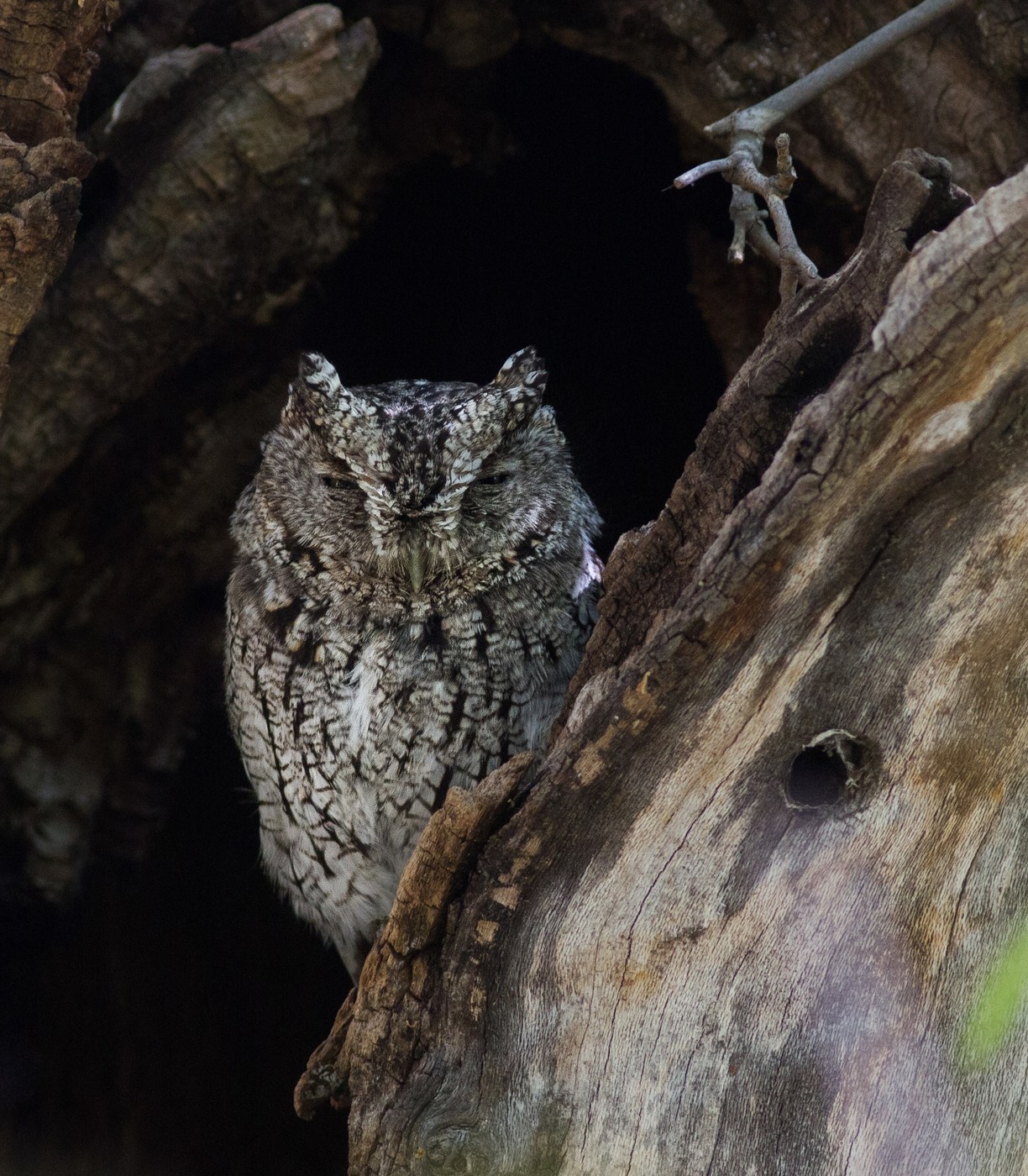
Whiskered Screech-Owl
Small soft-fringed flight feathers; finely mottled body feathers; short ear tufts
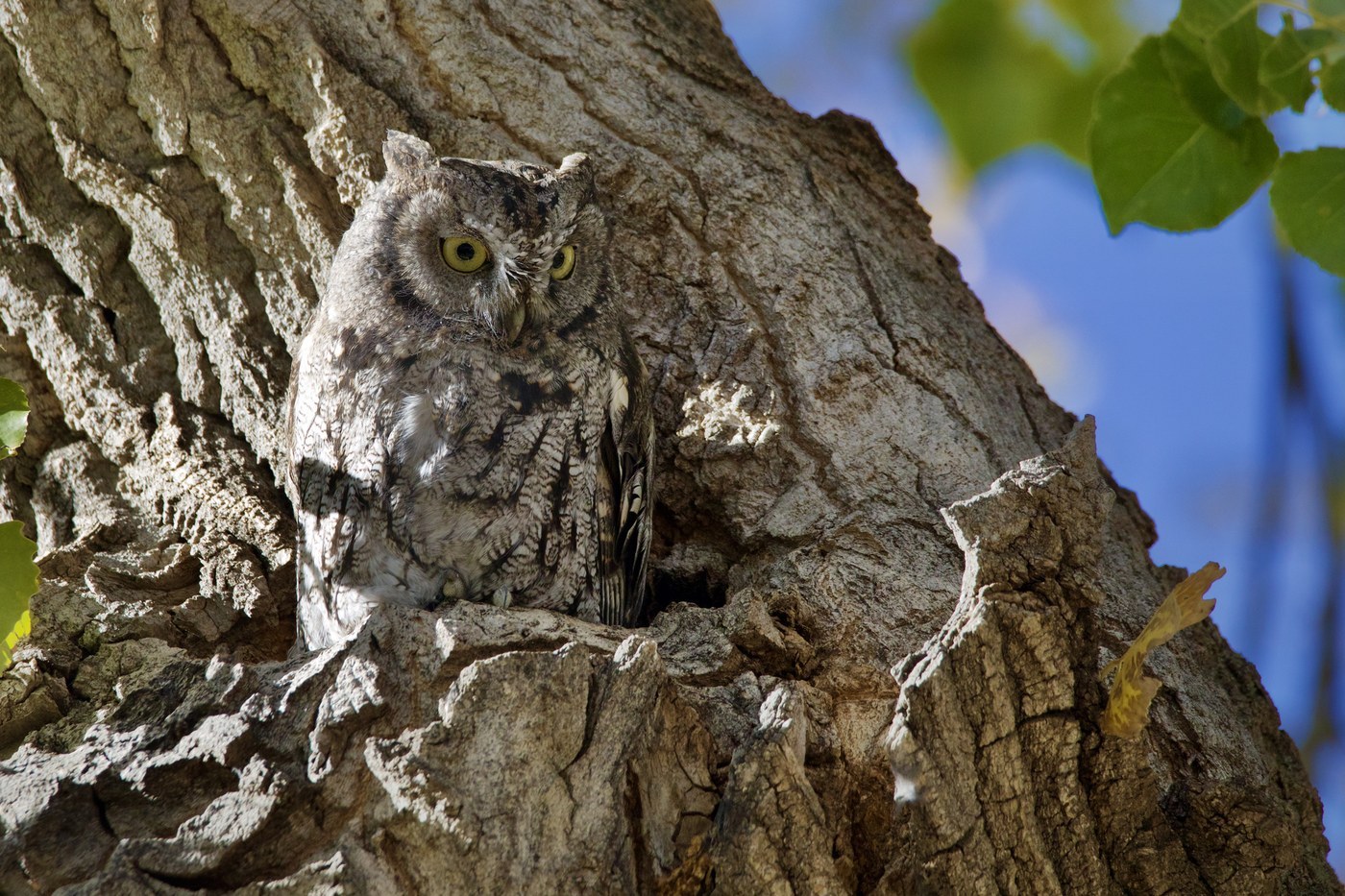
Western Screech-Owl
Small soft-fringed flight feathers; cryptic mottled/streaked body feathers; short ear tufts

White-faced Scops Owl
Small to medium flight feathers with a distinctive whitish facial disc and long ear-tuft plumes