
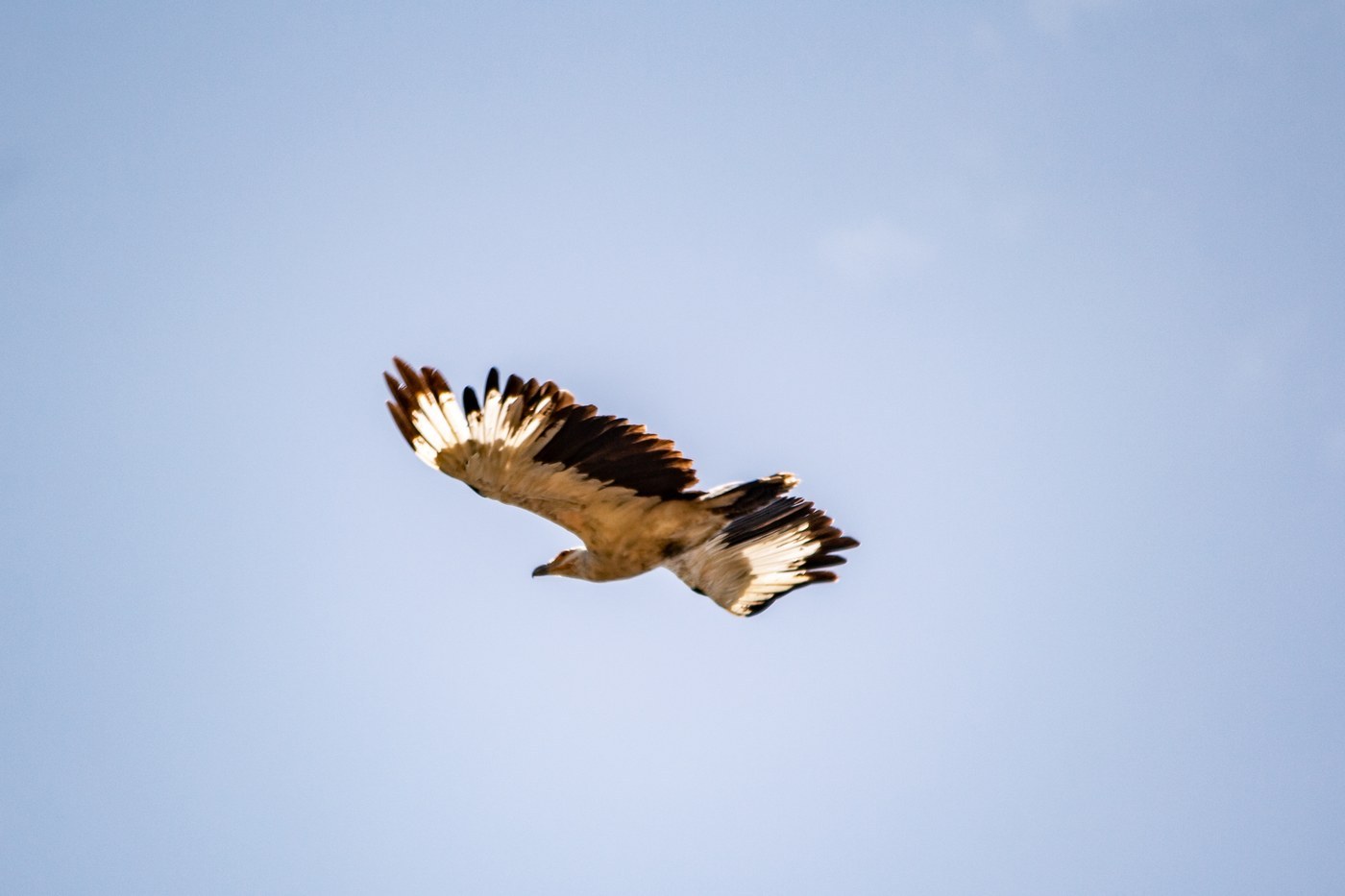
Palm-nut Vulture
Gypohierax angolensis
An unusual, mostly white African vulture closely tied to oil palm groves and coastal wetlands, with black flight feathers and a partly black tail breaking up its pale plumage.
- Feather type
- Broad rounded flight feathers; contrasting tail feathers; dense white body feathers
- Colours
- Mostly white body plumage with black flight feathers and a partly black tail
- Bird size
- Medium vulture, ~60 cm
Found a feather like this?
Identify any feather from a photo, free.
Overview
The Palm-nut Vulture is an atypical member of the vulture family, both in appearance and diet, found along coasts, rivers, and wetlands of West and Central Africa, especially where oil palms grow. Unlike most vultures, its body plumage is predominantly white, giving it a superficially eagle-like look rather than the drab brown or black tones typical of other vultures.
Its flight feathers are black, and the tail shows a black band or black outer portion contrasting with the otherwise pale plumage, creating a distinctive pattern in flight.
Because its feathers combine white body plumage with black wings and tail in a pattern reminiscent of certain eagles, it is one of the more visually unusual vultures to identify.
Identifying the Feather
Shape and Size
Wings are broad and rounded, and the tail is of moderate length with a squared tip, generally similar in proportion to other medium-sized raptors.
Color and Pattern
- Body and most covert feathers: white
- Flight feathers: black, sharply contrasting with the white body
- Tail feathers: white with a black band or black outer section
- Shafts: pale on white feathers, dark on black ones
Distinguishing from Similar Species
The mostly white body combined with black flight feathers can suggest a fish eagle at first glance, but the black-and-white tail pattern and smaller size compared to true fish eagles, along with its coastal palm-grove habitat, help confirm this species.
Plumage & Molt
Adults are largely white with black flight feathers and a black-marked tail; sexes look alike. Juveniles are largely brown, gradually acquiring the white adult plumage over a few years.
Molt proceeds gradually, tracking the multi-year transition from brown juvenile to white adult plumage.
Habitat & Range
Found along coasts, rivers, and wetlands of West and Central Africa, strongly associated with oil palm groves, whose fruit forms an important part of its diet, an unusual food source among vultures.
Most populations are resident, with limited local movement tied to food availability.
Behavior & Field Notes
Feeds heavily on the fruit of oil palms, along with crabs, mollusks, small vertebrates, and some carrion, giving it a broader and more unusual diet than most vultures. Often perches conspicuously in palm trees.
Nests in tall trees, including palms, near water. Calls include harsh cackling notes.
A white feather with black flight or tail-feather portions, found near coastal wetlands or oil palm groves in West or Central Africa, points to this species.
Frequently asked questions
Why does this vulture look so different from other vultures?
Its mostly white body plumage and partly fruit-based diet make it highly atypical among vultures, giving it a more eagle-like appearance than its relatives.
Could this feather be mistaken for a fish eagle's?
The white body and black flight feathers can suggest a fish eagle, but this species is notably smaller with a distinct black-marked tail pattern and is closely tied to coastal palm habitat.
Do juveniles show the white plumage?
No, juveniles are largely brown and only gradually molt into the white adult plumage over their first few years.
Where would I most likely find this feather?
Coastal wetlands, rivers, or oil palm groves in West or Central Africa.
Palm-nut Vulture guides
In-depth guides for identifying and understanding Palm-nut Vulture.
Other feathers you may enjoy

Australian Hobby
Long, narrow pointed flight feathers; slender tail feathers

California Condor
Massive flight feathers; long broad primaries; large tail feathers

Brown Falcon
Broad, rounded flight feathers; variable-toned contour feathers
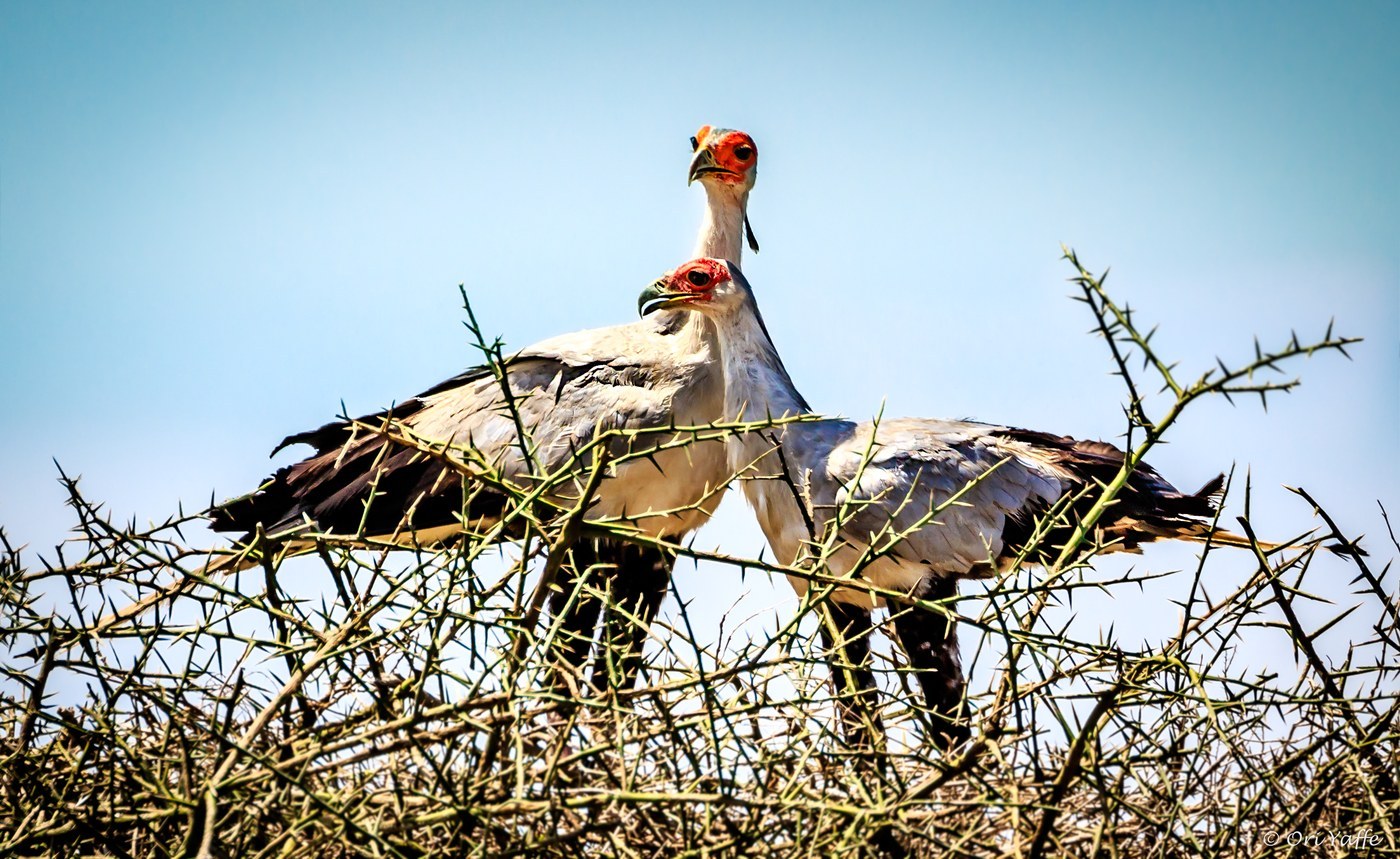
Secretarybird
Long crest feathers; broad flight feathers; elongated central tail feathers

Orange-breasted Falcon
Broad-based pointed flight feathers; bold breast and belly feathers
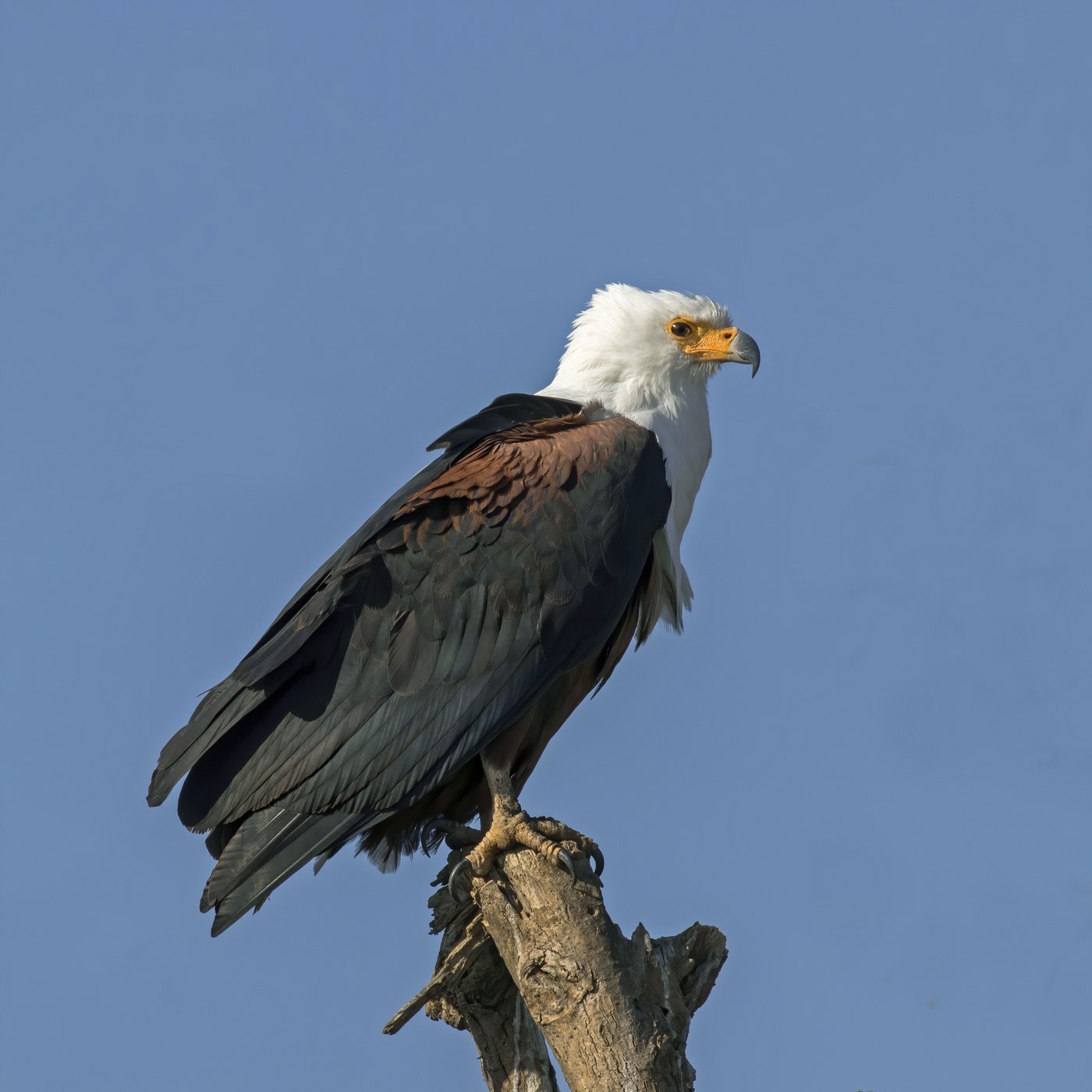
African Fish Eagle
Flight, tail, and body feathers

Amur Falcon
Slender pointed flight feathers; soft slate or orange-buff contour feathers
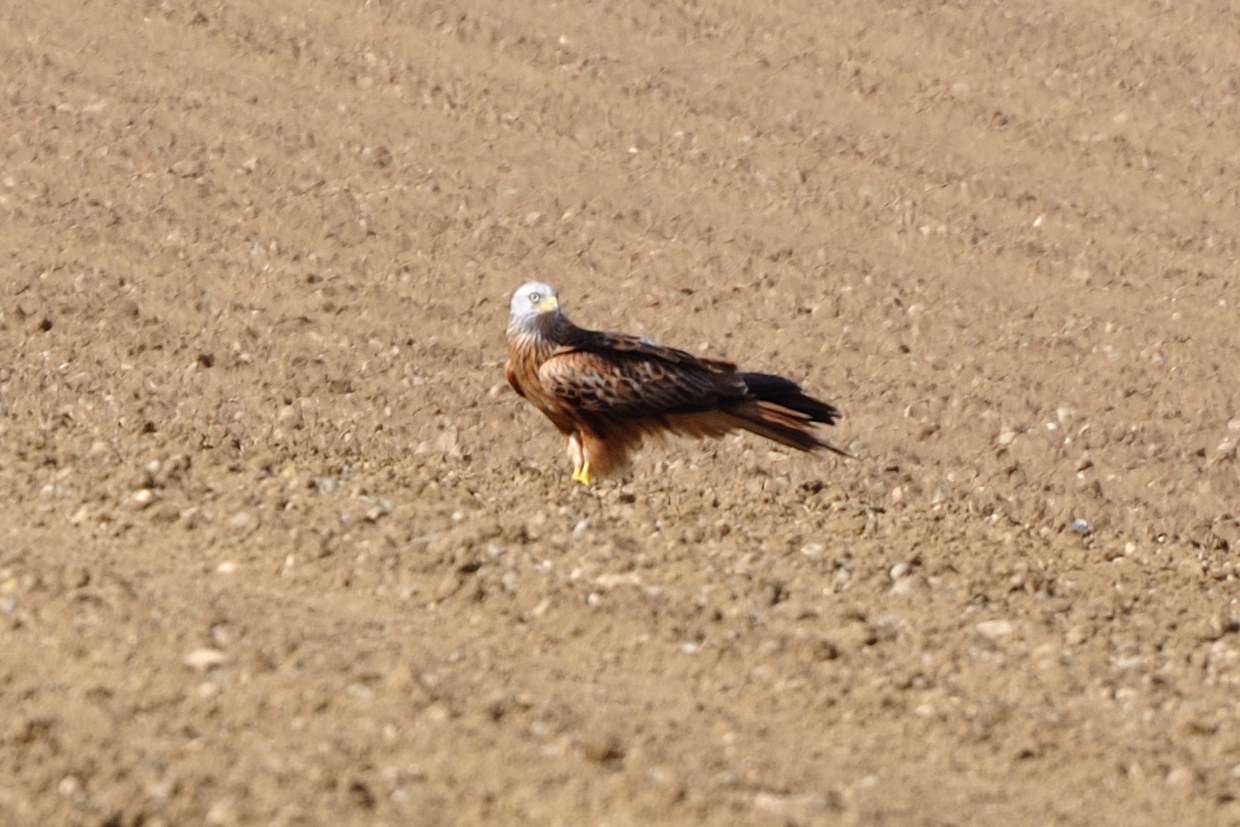
Red Kite
Flight (wing) and tail feathers
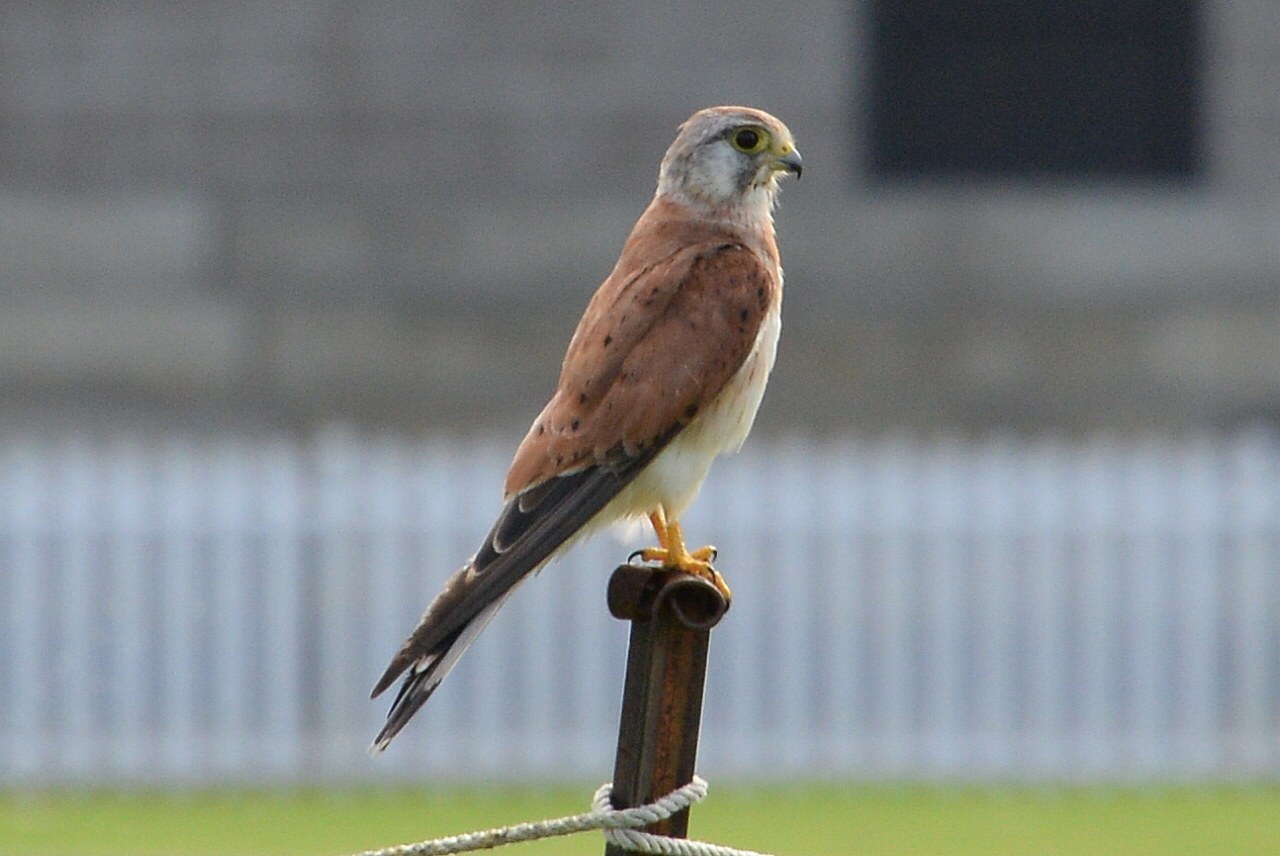
Nankeen Kestrel
Slim pointed flight feathers; lightly marked contour feathers

Andean Condor
Massive flight feathers; broad primaries and secondaries; sturdy tail feathers

Plumbeous Forest Falcon
Short rounded flight feathers; finely barred tail feathers

Sooty Falcon
Long pointed flight feathers; slim tail feathers