
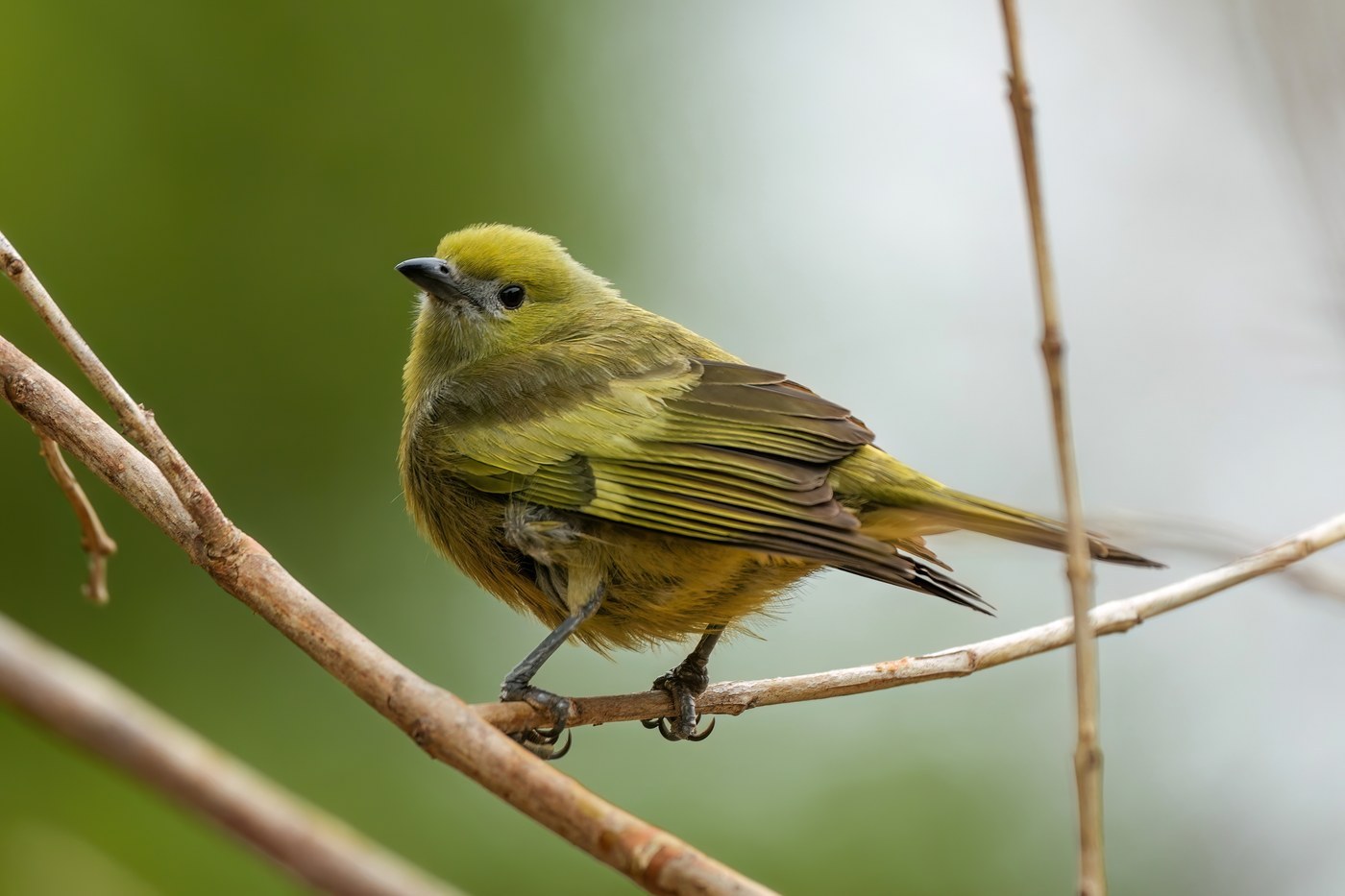
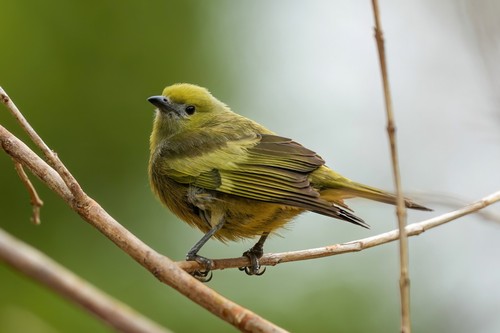
Palm Tanager
Thraupis palmarum
A close relative of the Blue-gray Tanager, the Palm Tanager shows a more subdued olive-gray to greenish tone overall with darker wings and little of the brighter blue accent of its cousin.
- Feather type
- Soft, muted contour feathers with subtly darker wings
- Colours
- Olive-gray to greenish-gray overall with darker wing feathers
- Bird size
- ~18-19 cm
Found a feather like this?
Identify any feather from a photo, free.
Overview
The Palm Tanager is closely related to and often found alongside the Blue-gray Tanager across Central and South America, sharing a similar overall shape and habits but differing in a more muted, olive-gray to greenish-gray plumage tone with less blue coloring overall. As its name suggests, it shows a particular association with palm trees, often nesting in the fronds and foraging around palm groves, though it also occurs in a variety of other open and semi-open habitats.
Identifying the Feather
Body feathers show an overall olive-gray to greenish-gray tone, generally less blue and more muted than the closely related Blue-gray Tanager, with darker, blackish-gray wing feathers that lack the brighter blue shoulder patch seen in that species. The bill is short and conical, similar in shape to the Blue-gray Tanager's. Sexes are alike in plumage, both showing the same subdued olive-gray coloring, which combined with the darker, less contrasting wings is the main feature separating this species from Blue-gray Tanager in areas where both occur.
Plumage & Molt
Adult plumage remains consistent year-round without strong seasonal variation, and males and females are essentially identical in appearance. Immatures show a somewhat duller version of the adult pattern before completing their molt into full adult coloration.
Habitat & Range
Palm Tanagers are found in palm groves, open areas, gardens, and forest edge from Central America through much of South America, often overlapping with Blue-gray Tanager in similar habitats. The species is a year-round resident throughout its range and, like its relative, tolerates human-altered landscapes well.
Behavior & Field Notes
This species forages for fruit and insects in the canopy and edge habitat, often in pairs or small groups, and frequently associates with palm trees for both foraging and nesting. The voice includes thin, simple calls and songs broadly similar to the Blue-gray Tanager's. Nests are often built among palm fronds, giving the species its common name, though nests may also be placed in other trees or shrubs. Palm Tanagers are frequently seen alongside Blue-gray Tanagers in shared habitat, and careful attention to the more muted, less blue plumage helps separate the two species.
Frequently asked questions
How can you tell a Palm Tanager from a Blue-gray Tanager?
The Palm Tanager shows a more muted olive-gray to greenish-gray body with darker wings and no bright blue shoulder patch, while the Blue-gray Tanager has a more distinctly blue-gray body with a brighter blue shoulder accent.
Why is it called the Palm Tanager?
It shows a strong association with palm trees, often foraging around palm groves and nesting among palm fronds.
Do male and female Palm Tanagers look different?
No, both sexes share the same olive-gray plumage.
Is the Palm Tanager migratory?
No, it is a year-round resident across its range in Central and South America.
Palm Tanager guides
In-depth guides for identifying and understanding Palm Tanager.
Other feathers you may enjoy

Yellow-breasted Bunting
Contour and flight feathers, chestnut-and-yellow breeding pattern
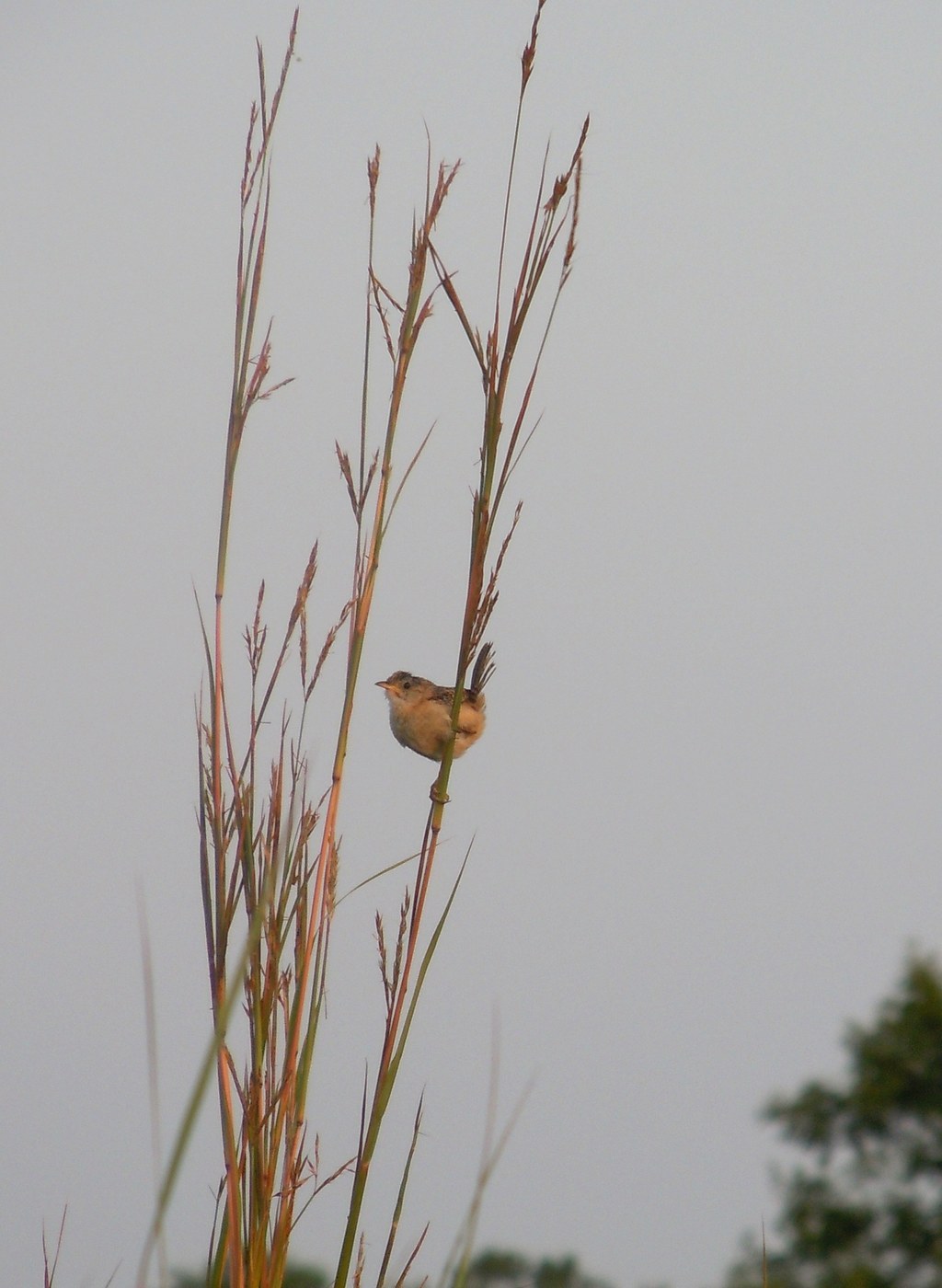
Sedge Wren
Tiny streaked crown and back feathers

Yellow-winged Cacique
Glossy black body feathers, yellow wing patch, shaggy crest

Yellow Warbler
Small contour and flight feathers
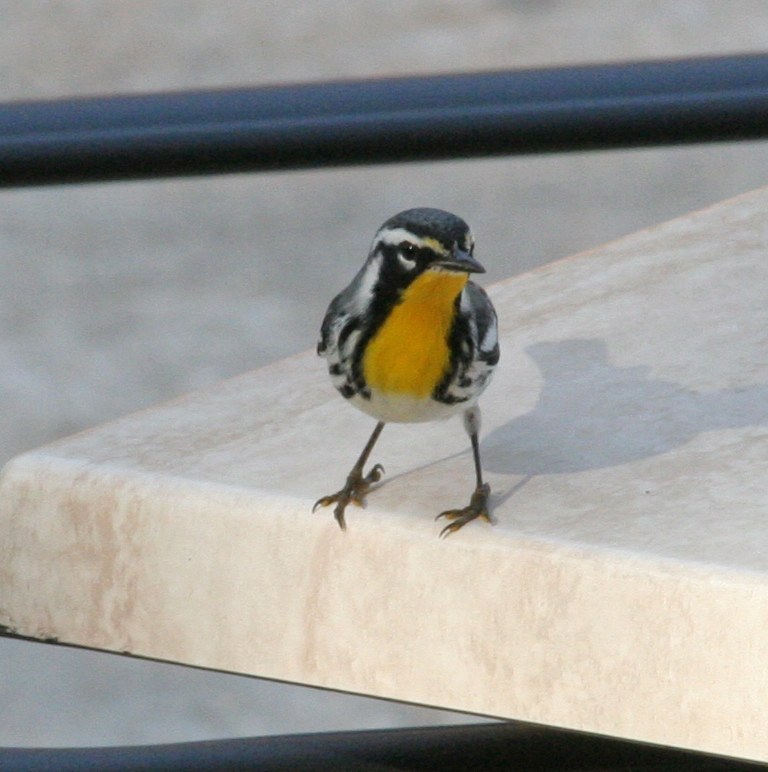
Yellow-throated Warbler
Small contour and flight feathers
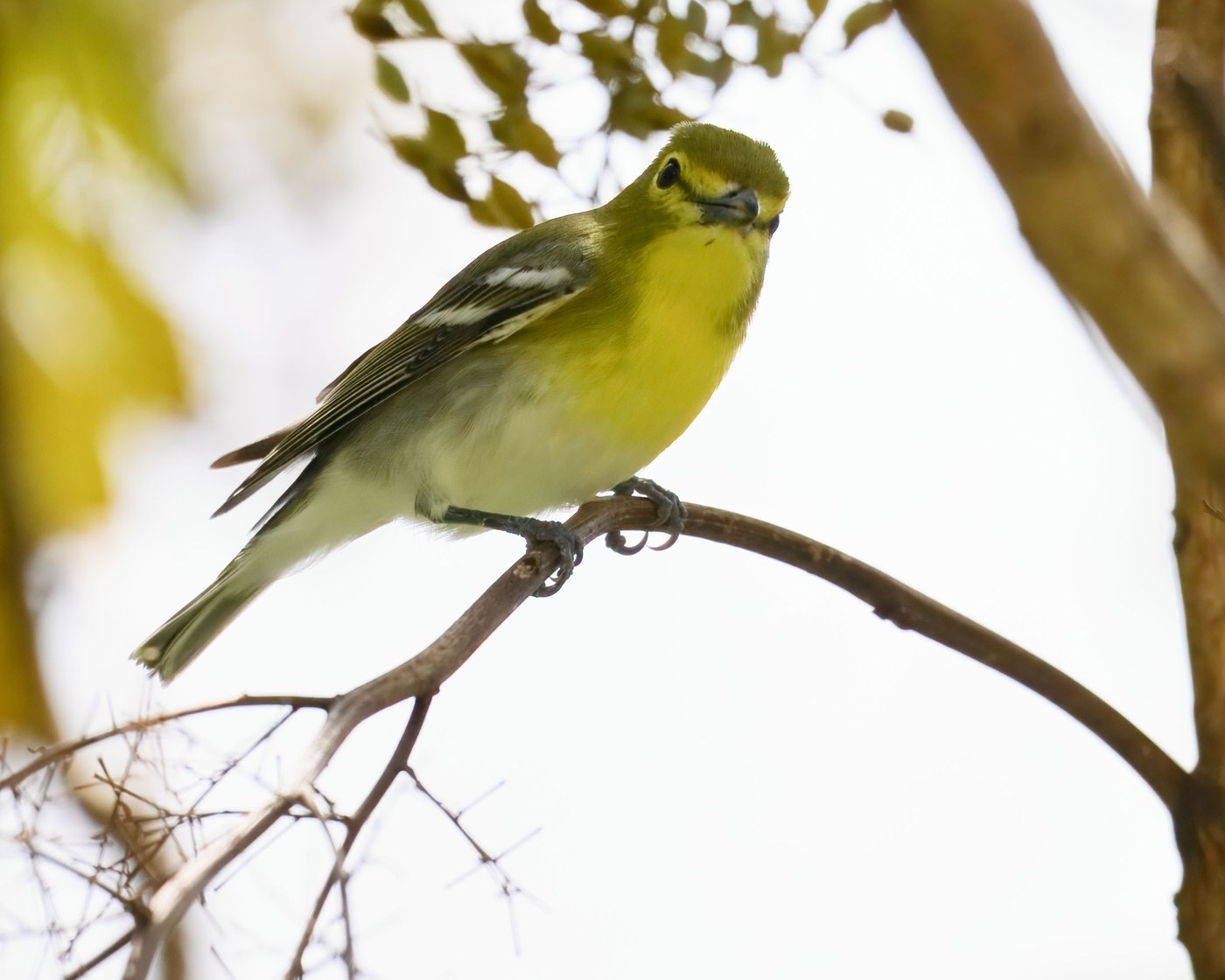
Yellow-throated Vireo
Bright yellow throat and spectacle feathers; olive-green back feathers; two white wing-bar feathers

Yellow-rumped Warbler
Small contour and flight feathers
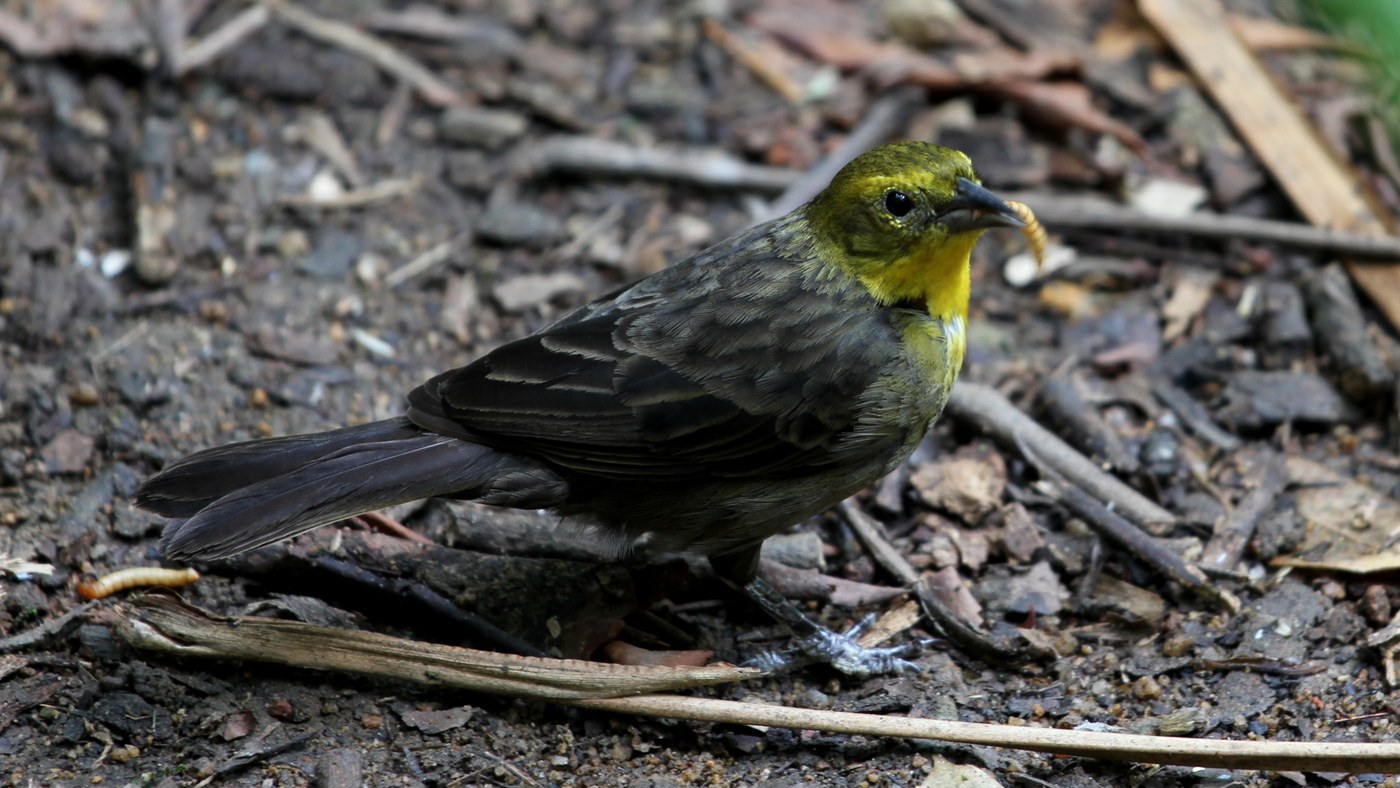
Yellow-hooded Blackbird
Contrasting hood and body feathers
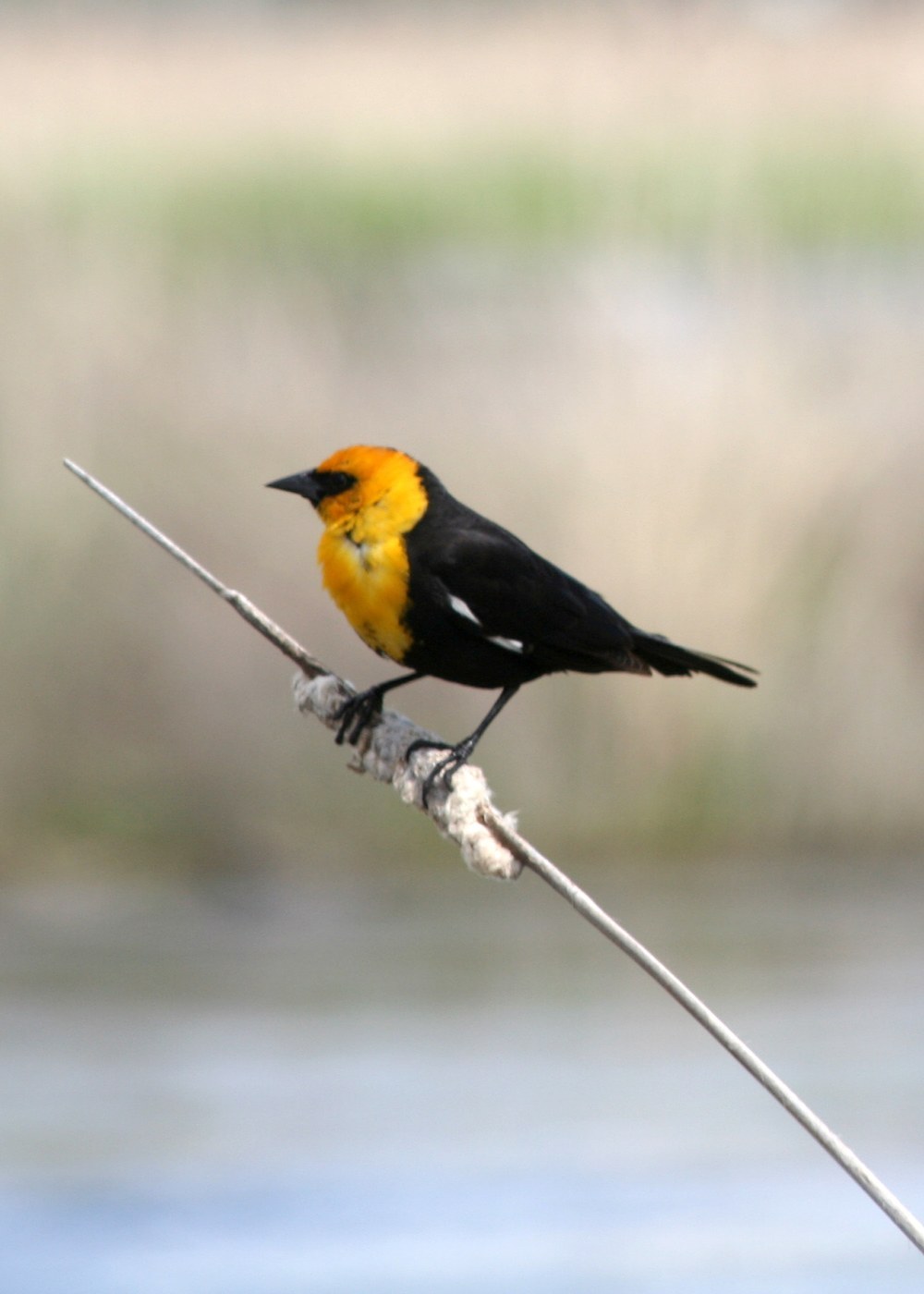
Yellow-headed Blackbird
Glossy black body plumage with a bright yellow head and breast

Yellow-eyed Junco
Contour and flight feathers

Yellow-fronted Canary
Small, smooth body plumage

Yellow-breasted Greenfinch
Compact, smooth body plumage