

Papuan Hawk-Owl
Uroglaux dimorpha
A little-known, long-tailed forest owl endemic to New Guinea, with a hawk-like reduced facial disc and boldly barred underparts.
- Feather type
- Long, narrow tail feathers; pointed flight feathers; sparse facial disc feathering
- Colours
- Rufous-brown above, whitish underparts with dark barring
- Bird size
- Small to medium owl, ~30 cm
Found a feather like this?
Identify any feather from a photo, free.
Overview
The Papuan Hawk-Owl is a poorly studied owl endemic to the island of New Guinea, found in lowland and hill rainforest. It belongs to a small group of hawk-owls that lack the prominent facial disc of typical owls, giving it a more hawk-like appearance, which is the source of its name.
Its long tail and pointed wings suggest an owl adapted for maneuvering through dense forest, possibly hunting in a more agile, hawk-like manner than many round-winged forest owls.
Because it is uncommon, elusive, and restricted to a single island, relatively little is documented about its feather-level detail compared to better-studied owls, so identification should be treated cautiously.
Identifying the Feather
Size and shape
- Long tail feathers relative to body size, longer than in most similarly sized owls
- Pointed rather than deeply rounded flight feathers, suggesting more direct, agile flight
- Facial disc feathers reduced and less defined than in typical owls
Color and pattern
- Upperparts rufous-brown, with the tail and flight feathers showing pale barring
- Underparts whitish to buff with bold dark brown barring across the breast and belly
Distinguishing from similar species
- The long tail and reduced facial disc separate it from New Guinea's boobook-type owls, which show a more rounded profile and clearer facial disc
- Barred underparts with a whitish ground color are more contrasting than in most sympatric forest owls
Plumage & Molt
Plumage is rufous-brown above and whitish with heavy dark barring below, giving a strongly patterned look overall. Sexes are similar in plumage. Very little is documented about juvenile plumage or precise molt timing for this species due to how rarely it is encountered, so general owl molt patterns of gradual, non-synchronized feather replacement likely apply.
Habitat & Range
Endemic to New Guinea, found in lowland and hill rainforest, generally below about 1,000 meters elevation. It is a non-migratory resident, remaining within forest habitat year-round. It is considered uncommon to rare throughout its range, partly due to habitat loss and partly because it is simply difficult to detect.
Behavior & Field Notes
A nocturnal forest hunter, likely taking large insects and small vertebrates, though its diet and hunting technique are not well documented. Nesting habits are poorly known, likely involving natural tree cavities as in related owls. Its voice includes soft whistled notes, though vocal descriptions remain limited due to how rarely it is recorded. Because so little is documented about this species, any feather tentatively linked to it should be considered provisional.
Frequently asked questions
Why is it called a 'hawk-owl'?
It lacks the prominent facial disc of typical owls, giving it a more hawk-like face, and this reduced-disc group of owls is generally called hawk-owls.
Where does this owl live?
It is found only on the island of New Guinea, in lowland and hill rainforest.
What makes its feathers distinctive?
A notably long tail relative to body size, pointed wings, and bold dark barring across whitish underparts.
How well known is this species?
It is one of the least studied owls in the world, so details of its feathers, diet, and nesting remain incompletely documented.
Papuan Hawk-Owl guides
In-depth guides for identifying and understanding Papuan Hawk-Owl.

Other feathers you may enjoy

Tawny Owl
Wing (flight) and body (contour) feathers
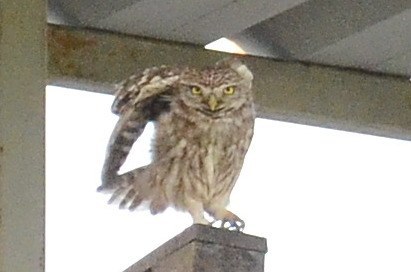
Little Owl
Wing and body feathers

Balsas Screech-Owl
Small ear-tuft feathers; soft, finely vermiculated body feathers

Blakiston's Fish Owl
Massive flight feathers with looser structure; shaggy body plumage; prominent ear-tuft feathers

Barn Owl
Wing and facial-disc feathers
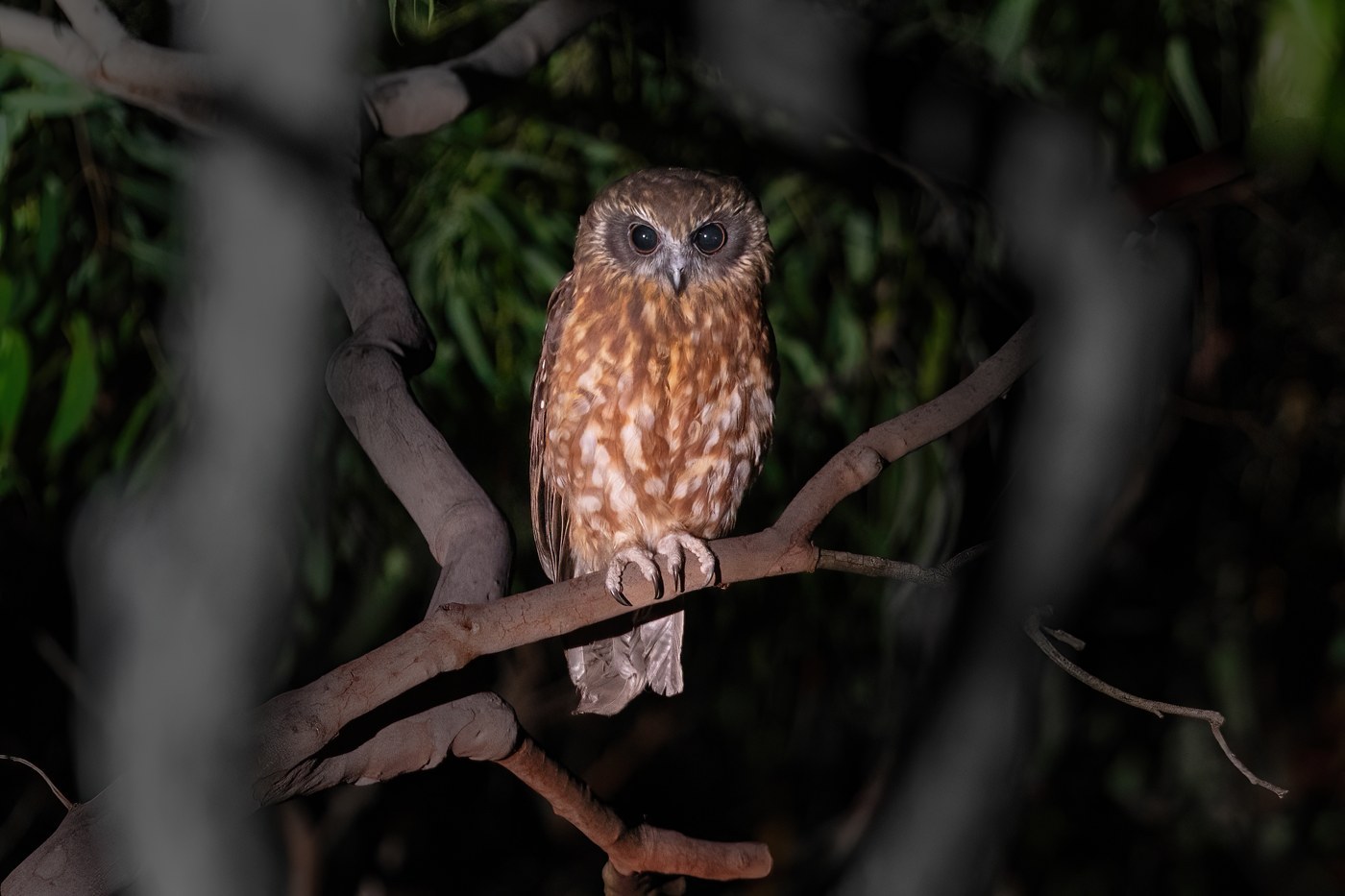
Southern Boobook
Rounded flight feathers; banded tail; spotted body plumage

Sooty Owl
Broad soft-edged flight feathers; heart-shaped facial disc feathers; finely speckled body plumage

Short-eared Owl
Broad soft-fringed flight feathers; streaked body feathers; tiny, rarely visible ear tufts

Stygian Owl
Dark, mottled flight and body feathers with long, closely-set ear tufts
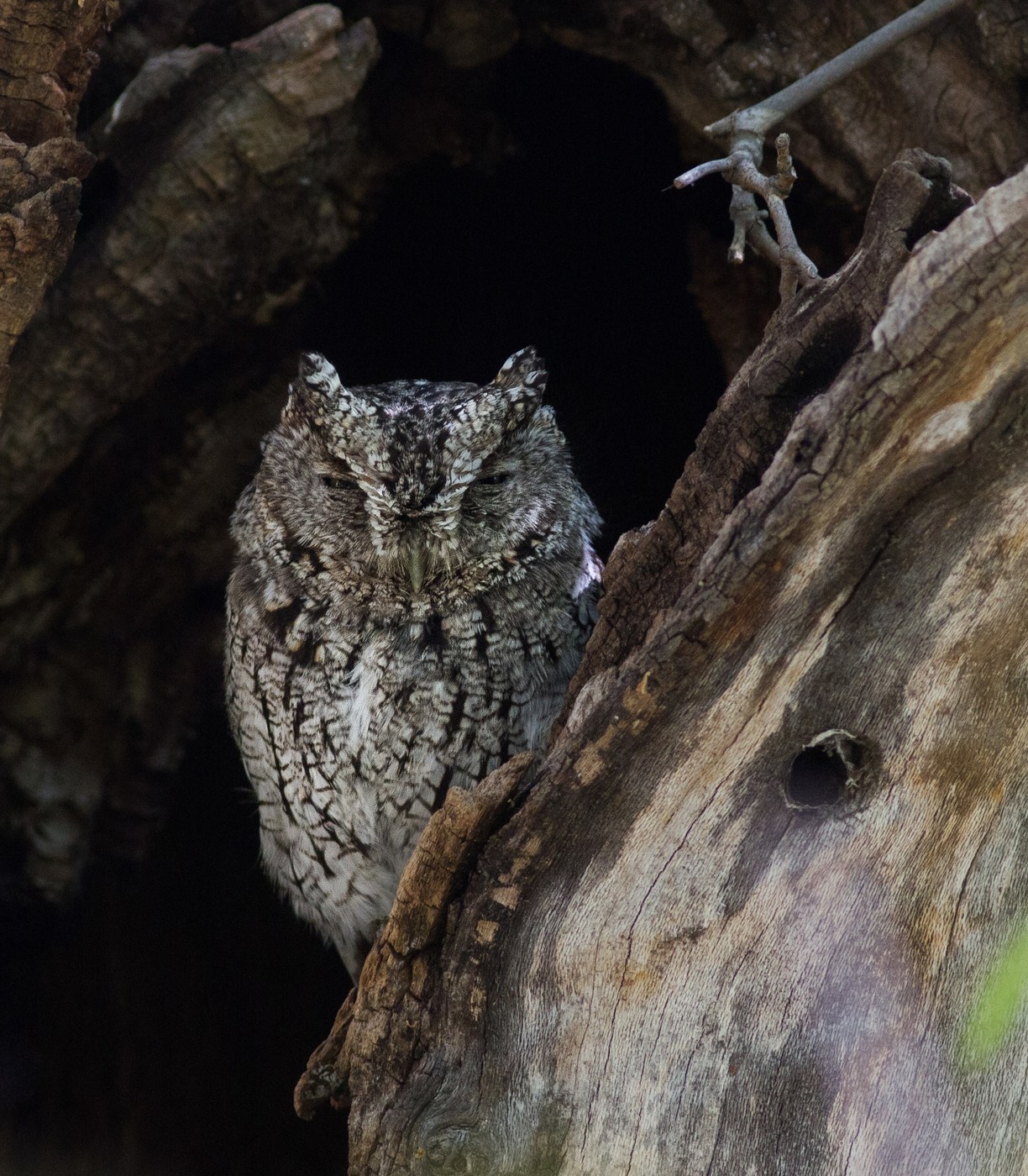
Whiskered Screech-Owl
Small soft-fringed flight feathers; finely mottled body feathers; short ear tufts
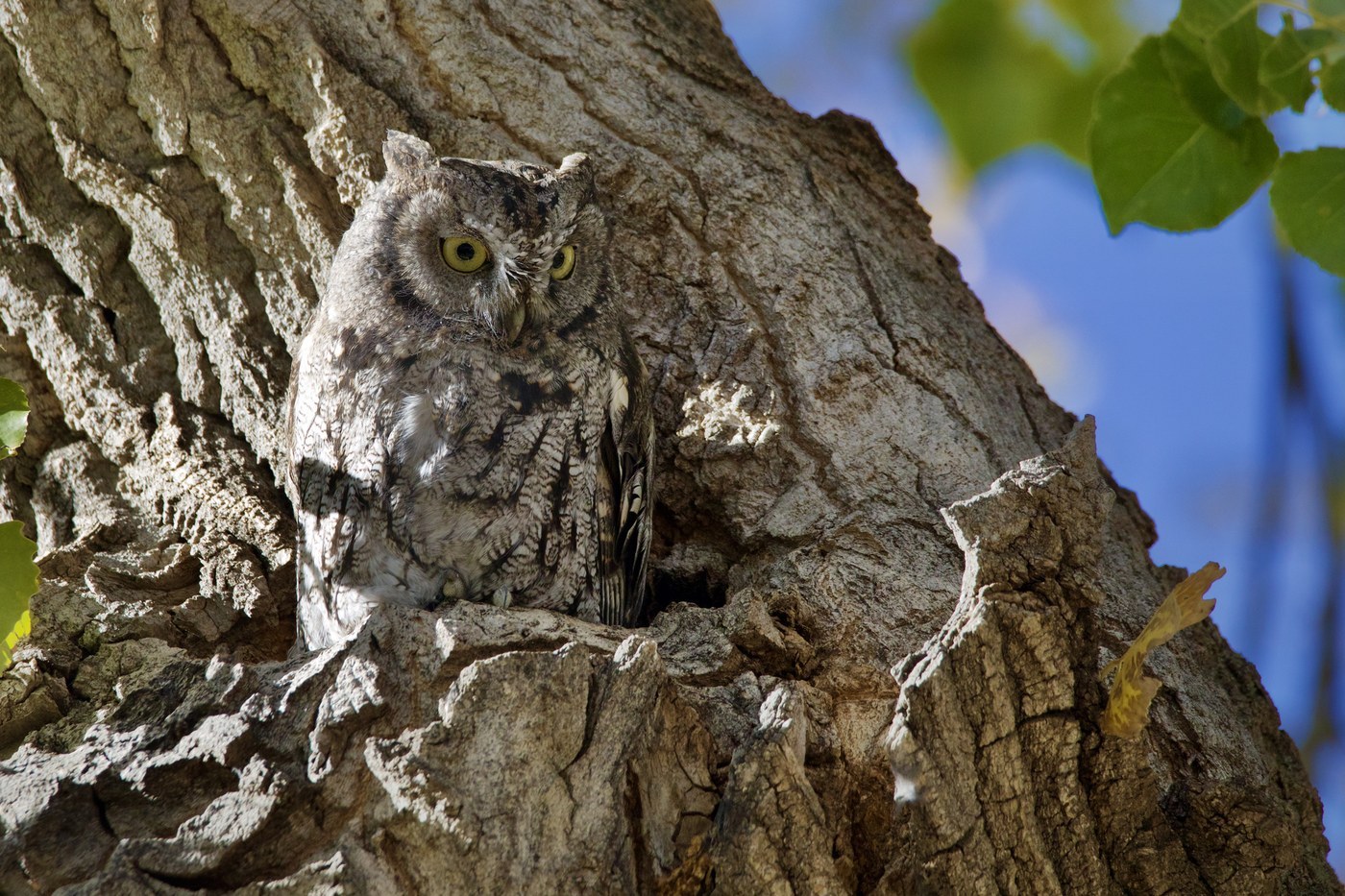
Western Screech-Owl
Small soft-fringed flight feathers; cryptic mottled/streaked body feathers; short ear tufts

White-faced Scops Owl
Small to medium flight feathers with a distinctive whitish facial disc and long ear-tuft plumes