

Pel's Fishing Owl
Scotopelia peli
Pel's Fishing Owl is a large, rufous-chestnut African owl specialized for hunting fish along rivers and lakes, with bare, unfeathered legs and feet unlike most owls.
- Feather type
- Large, loosely textured flight feathers with reduced sound-dampening fringing; unfeathered legs
- Colours
- Rich rufous-chestnut with dark streaking and barring on the crown and back
- Bird size
- Very large, roughly 55-63 cm
Found a feather like this?
Identify any feather from a photo, free.
Overview
Pel's Fishing Owl is a large, distinctive owl found along rivers, lakes, and wetland forest across sub-Saharan Africa. As a specialist fish hunter, it differs from most other owls in several respects, including notably bare, unfeathered legs and feet suited to wading and grasping slippery prey.
It roosts by day in large trees along watercourses, and its rich rufous-chestnut plumage, quite different from the greys and browns of many other owls, makes it a strikingly colored species when observed.
Its feathers are notably large, warmly colored, and less finely fringed for silent flight than typical owls, reflecting the reduced need for silent approach when hunting fish from a perch rather than surprising airborne or ground prey.
Identifying the Feather
Shape and Size
Flight feathers are very large, often 28-34 cm on primaries, and show less pronounced comb-like fringing on the leading edge than most owls, since silent flight is less critical for a fish-hunting perch predator.
Color and Pattern
- Rich rufous-chestnut ground color with dark streaking on the crown and fine barring on the back and wings
- Underparts paler rufous-buff with fine dark streaking
- No ear tufts; head rounded
Shaft and Vane
Shafts dark brown; vanes fairly dense but less soft-edged than typical owl flight feathers.
Distinguishing from Similar Species
The combination of very large size, warm rufous-chestnut coloring, and reduced fringing on flight feather edges helps distinguish this species from the more grey-brown, softly fringed feathers of African eagle-owls found in the same general region.
Plumage & Molt
Adults are rich rufous-chestnut overall, with dark streaking on the crown and fine barring across the back and wings, a paler rufous-buff underside with fine streaking, and dark brown eyes, unusual among owls which more commonly show yellow or orange eyes.
Sexes look similar, with females larger. Juveniles are paler and downier. Adults undergo a single annual molt.
Habitat & Range
This species is found along rivers, lakes, and wetland forest edges across sub-Saharan Africa, generally remaining close to permanent water bodies with fish populations and large roosting trees nearby.
It is a non-migratory resident, staying within its riverine and lakeside range year-round.
Behavior & Field Notes
Pel's Fishing Owl hunts primarily from a low perch over water, watching for fish near the surface before swooping down to grasp prey with its bare, powerful feet. It is largely nocturnal but may hunt around dusk and dawn as well.
It nests in large tree hollows or dense vegetation near water. Its call is a deep, booming hoot that carries far over water at night. A very large, rufous-chestnut feather with reduced downy fringing found along an African river or lake shoreline is consistent with this species.
Frequently asked questions
Why are this owl's legs and feet different from most owls?
They are bare and unfeathered, an adaptation suited to wading and gripping slippery fish rather than the densely feathered legs typical of most owls.
Why do its flight feathers look less soft-fringed than other owls?
Because it hunts fish from a perch rather than relying on silent flight to surprise airborne or ground prey, the fine sound-dampening fringing is less pronounced.
What color are this species' eyes?
Dark brown, unlike the yellow or orange eyes typical of many other large owls.
Where would I find this species' feathers?
Along rivers, lakes, and wetland forest edges across sub-Saharan Africa, near large roosting trees close to water.
Pel's Fishing Owl guides
In-depth guides for identifying and understanding Pel's Fishing Owl.

Other feathers you may enjoy

Tawny Owl
Wing (flight) and body (contour) feathers
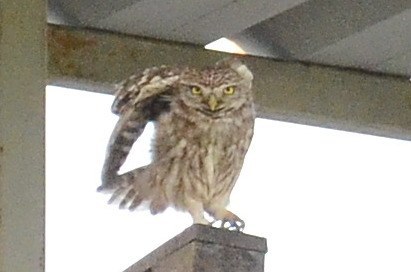
Little Owl
Wing and body feathers

Balsas Screech-Owl
Small ear-tuft feathers; soft, finely vermiculated body feathers

Blakiston's Fish Owl
Massive flight feathers with looser structure; shaggy body plumage; prominent ear-tuft feathers

Barn Owl
Wing and facial-disc feathers
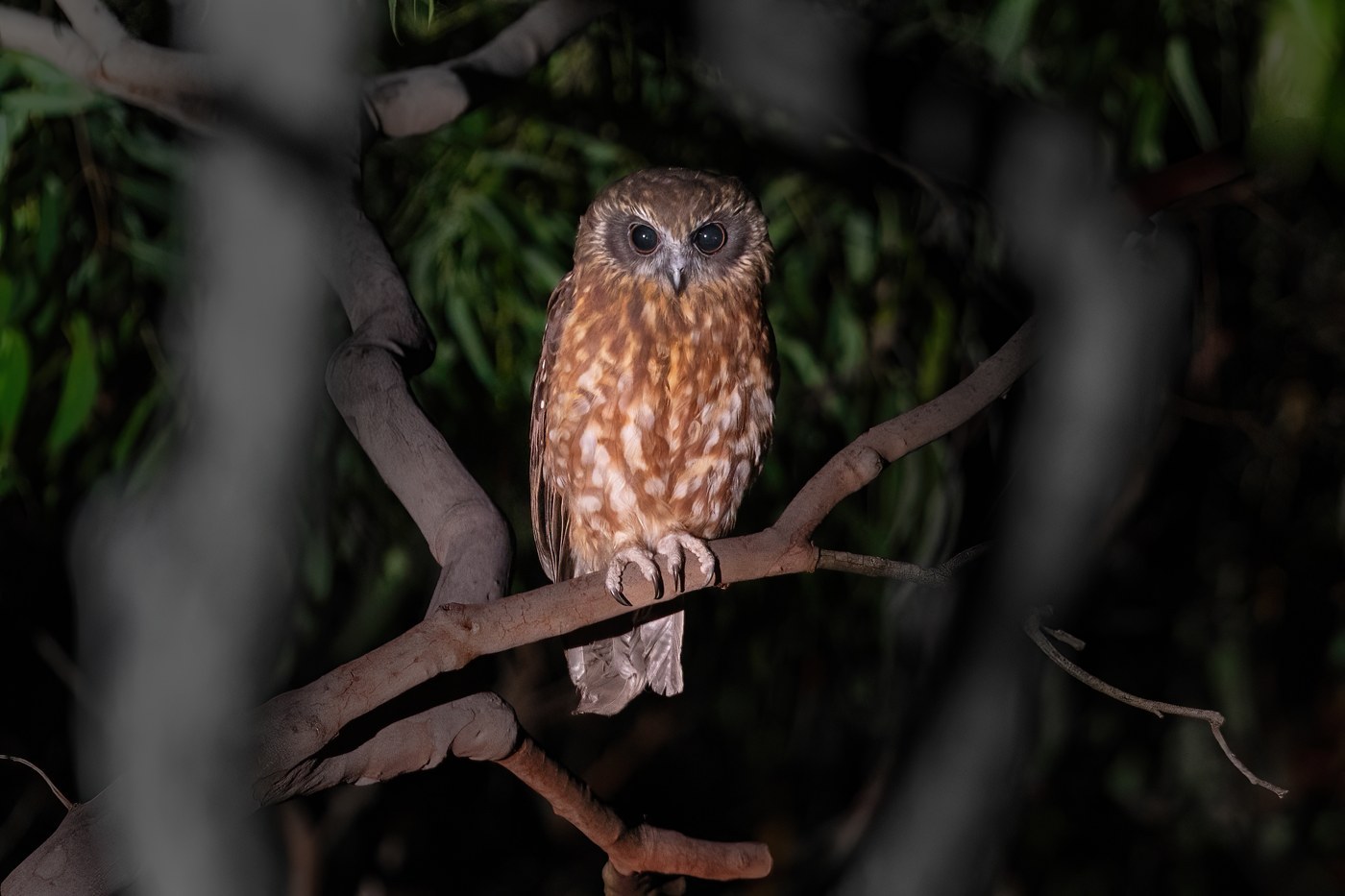
Southern Boobook
Rounded flight feathers; banded tail; spotted body plumage

Sooty Owl
Broad soft-edged flight feathers; heart-shaped facial disc feathers; finely speckled body plumage

Short-eared Owl
Broad soft-fringed flight feathers; streaked body feathers; tiny, rarely visible ear tufts

Stygian Owl
Dark, mottled flight and body feathers with long, closely-set ear tufts
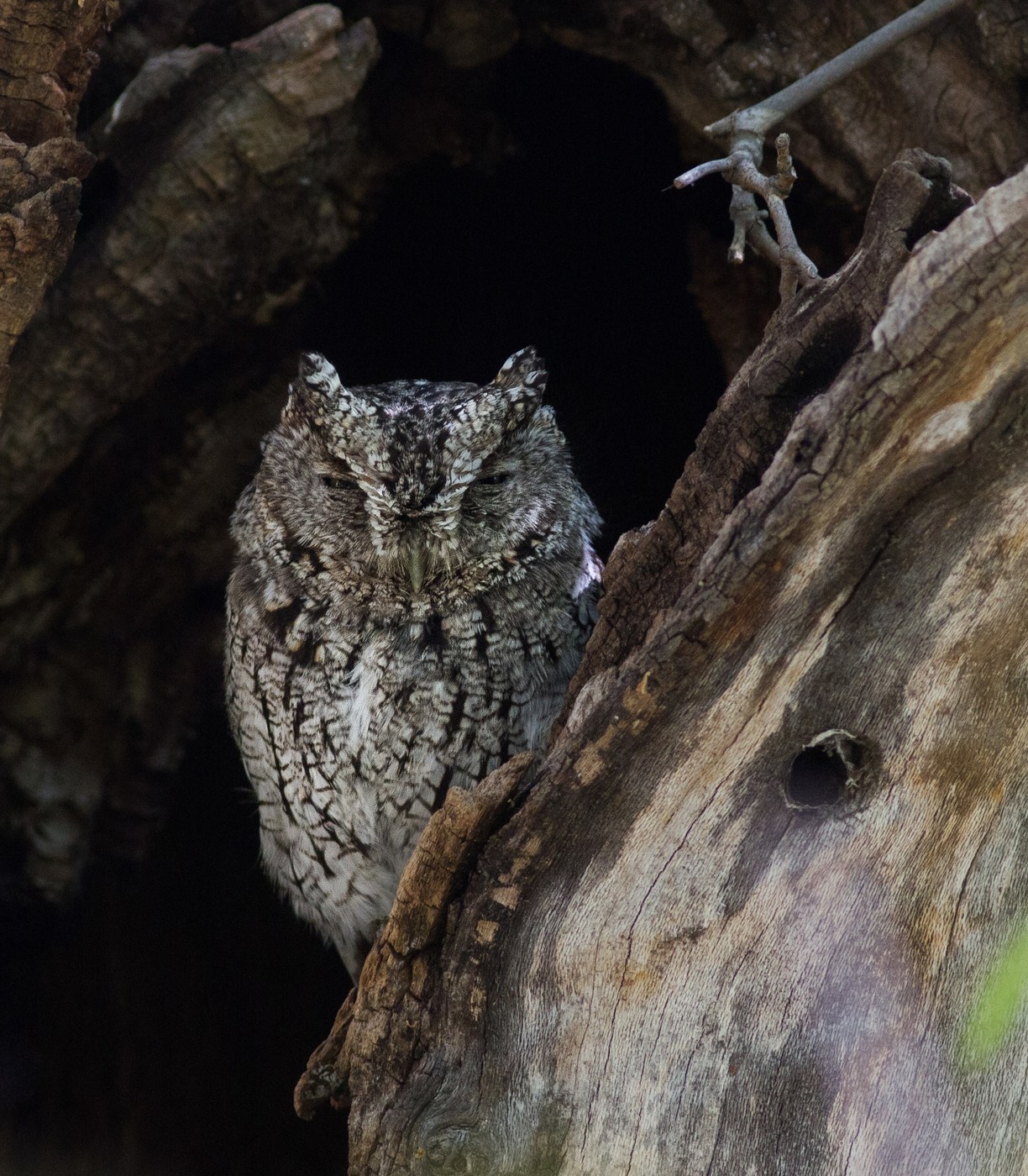
Whiskered Screech-Owl
Small soft-fringed flight feathers; finely mottled body feathers; short ear tufts
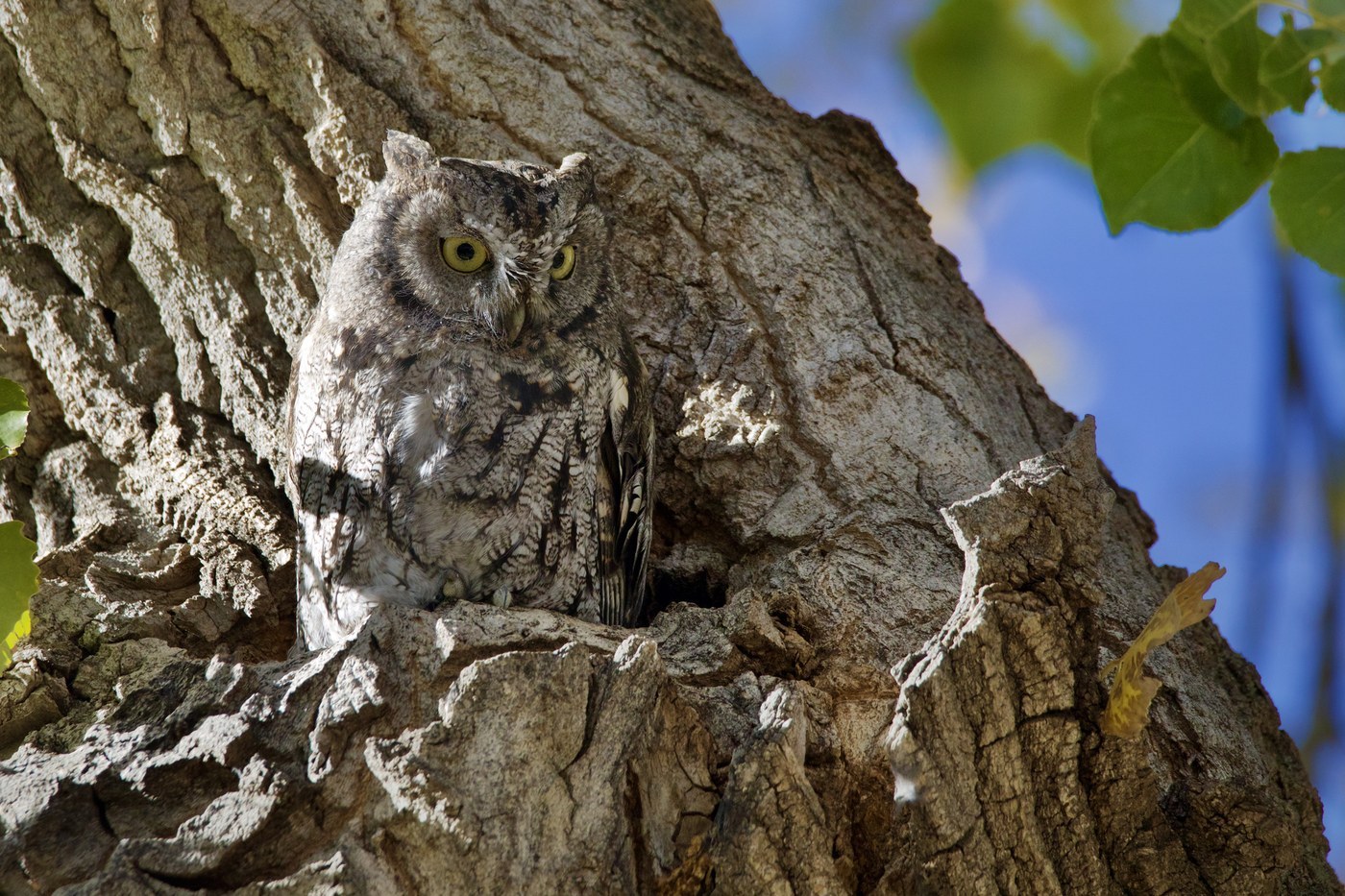
Western Screech-Owl
Small soft-fringed flight feathers; cryptic mottled/streaked body feathers; short ear tufts

White-faced Scops Owl
Small to medium flight feathers with a distinctive whitish facial disc and long ear-tuft plumes