

Pharaoh Eagle-Owl
Bubo ascalaphus
A pale, sandy-toned eagle-owl of North African and Middle Eastern deserts, its feathers finely streaked and vermiculated to blend with rock and sand.
- Feather type
- Large flight feathers; finely streaked sandy body plumage; moderate ear-tuft feathers
- Colours
- Pale sandy-buff with fine dark streaking and vermiculation
- Bird size
- Large, ~45-50 cm
Found a feather like this?
Identify any feather from a photo, free.
Overview
The Pharaoh Eagle-Owl is a desert-adapted eagle-owl found across North Africa and into the Arabian Peninsula and parts of the Middle East, closely related to the Eurasian Eagle-Owl but notably paler and more finely marked, matching the sandy and rocky terrain it inhabits.
It favors arid mountains, rocky wadis, and desert cliffs, roosting by day in crevices and ledges that offer shade and concealment. Its pale, sandy plumage provides effective camouflage against desert rock and sand, a marked contrast to the darker, more richly marked eagle-owls of wetter regions.
Its feathers are correspondingly pale and finely patterned, and their sandy tone alone often signals a desert-dwelling eagle-owl rather than one from savanna or woodland habitats.
Identifying the Feather
Size and shape
Large feathers from a bird approximately 45-50 cm long, somewhat smaller and slighter than the Indian or Eurasian Eagle-Owl, with moderate ear-tuft feathers.
Color and pattern
- Ground color is pale sandy-buff to pale ochre, notably paler than most other eagle-owls.
- Upperparts show fine dark streaking and vermiculation rather than bold blotching, giving a delicate, sand-colored camouflage pattern.
- Underparts are pale buff with fine streaking, becoming faint barring toward the flanks.
- Shafts are pale buff to light brown.
Distinguishing from similar species
Compared to the Indian Eagle-Owl, Pharaoh Eagle-Owl feathers are notably paler and more finely marked rather than richly tawny with heavy streaking. Compared to the Spotted Eagle-Owl, the tone is sandier and less gray, reflecting its arid desert habitat.
Plumage & Molt
Adults are pale sandy-buff overall, finely streaked and vermiculated above, with paler, lightly marked underparts, an adaptation matching the rock and sand of its desert habitat. Ear tufts are moderate in length. Sexes are similar, with females larger. Juveniles are paler still and downier. Molt follows breeding on an annual cycle typical of eagle-owls.
Habitat & Range
This species occupies arid mountains, rocky deserts, and wadis across North Africa, the Sinai, and parts of the Arabian Peninsula and Middle East, generally in areas with cliffs, gorges, or rocky outcrops for roosting and nesting. It is largely resident, tied closely to permanent rocky features in otherwise sparse desert terrain.
Behavior & Field Notes
Pharaoh Eagle-Owls hunt at night over open desert and rocky ground, taking small mammals, birds, reptiles, and large insects. They roost by day in shaded rock crevices or ledges that offer protection from sun and heat. The call is a deep hooting similar to other eagle-owls, often given at dusk. Nests are simple scrapes on cliff ledges or in caves. When identifying a feather, look for a notably pale sandy-buff ground color with fine streaking rather than the bolder, darker marks of eagle-owls from wetter habitats.
Frequently asked questions
Why is the Pharaoh Eagle-Owl so pale compared to other eagle-owls?
Its pale sandy-buff plumage is an adaptation to blend with the rock and sand of the North African and Middle Eastern deserts it inhabits.
How is this species related to the Eurasian Eagle-Owl?
It is closely related and was once considered a subspecies, but is now generally recognized as a distinct, smaller, and paler desert-adapted species.
Where would I find this owl's feathers?
Look in rocky deserts, arid mountains, and wadis across North Africa and parts of the Middle East, particularly near cliffs and gorges.
What size is the Pharaoh Eagle-Owl compared to other eagle-owls?
It is on the smaller side for an eagle-owl, at roughly 45-50 cm, somewhat smaller than the Indian or Eurasian Eagle-Owl.
Pharaoh Eagle-Owl guides
In-depth guides for identifying and understanding Pharaoh Eagle-Owl.

Other feathers you may enjoy

Tawny Owl
Wing (flight) and body (contour) feathers
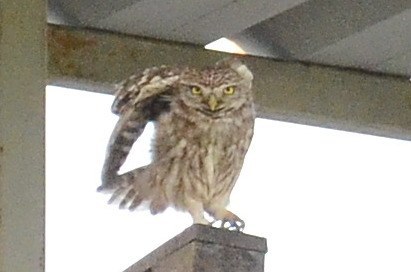
Little Owl
Wing and body feathers

Balsas Screech-Owl
Small ear-tuft feathers; soft, finely vermiculated body feathers

Blakiston's Fish Owl
Massive flight feathers with looser structure; shaggy body plumage; prominent ear-tuft feathers

Barn Owl
Wing and facial-disc feathers
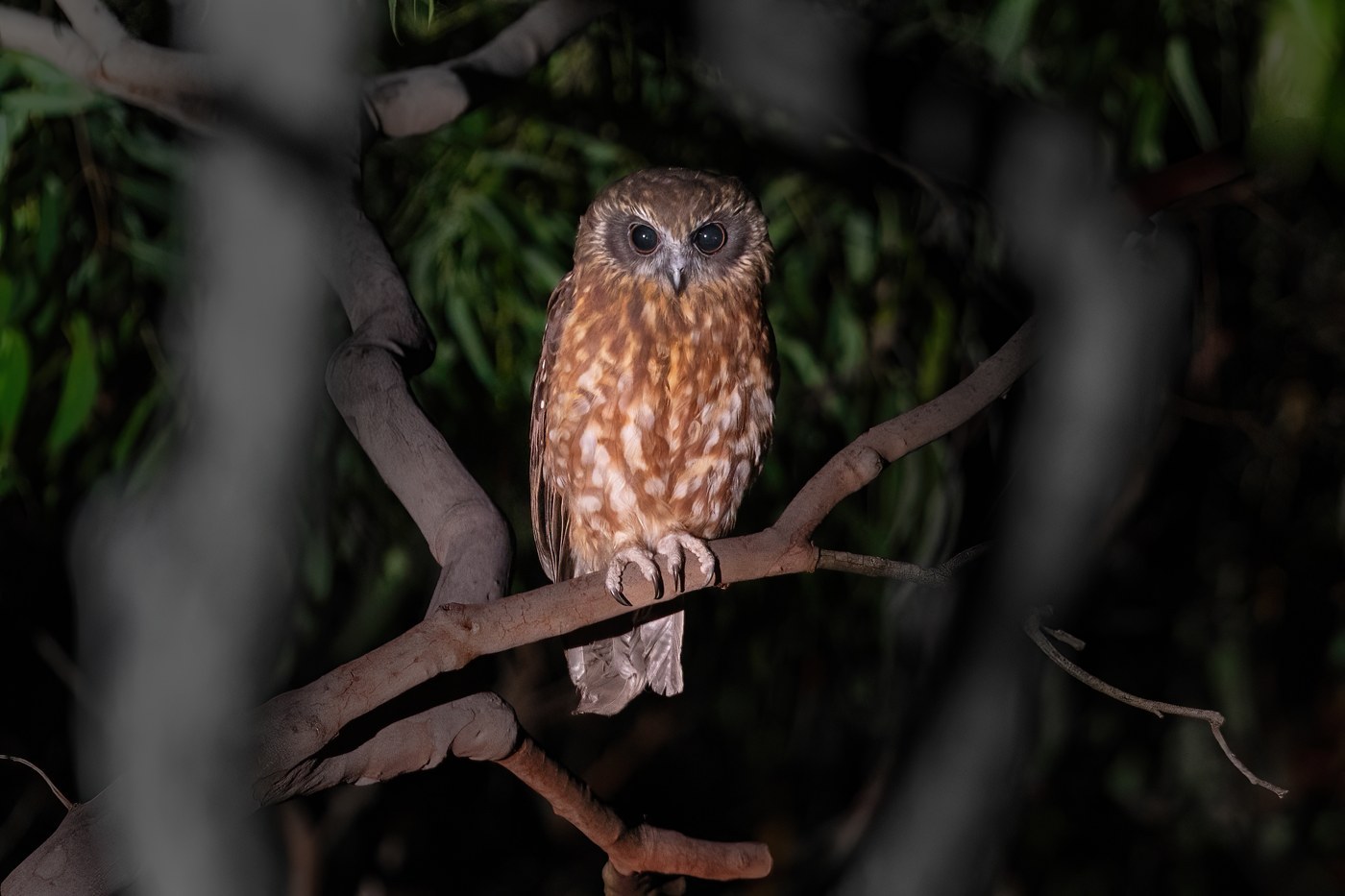
Southern Boobook
Rounded flight feathers; banded tail; spotted body plumage

Sooty Owl
Broad soft-edged flight feathers; heart-shaped facial disc feathers; finely speckled body plumage

Short-eared Owl
Broad soft-fringed flight feathers; streaked body feathers; tiny, rarely visible ear tufts

Stygian Owl
Dark, mottled flight and body feathers with long, closely-set ear tufts
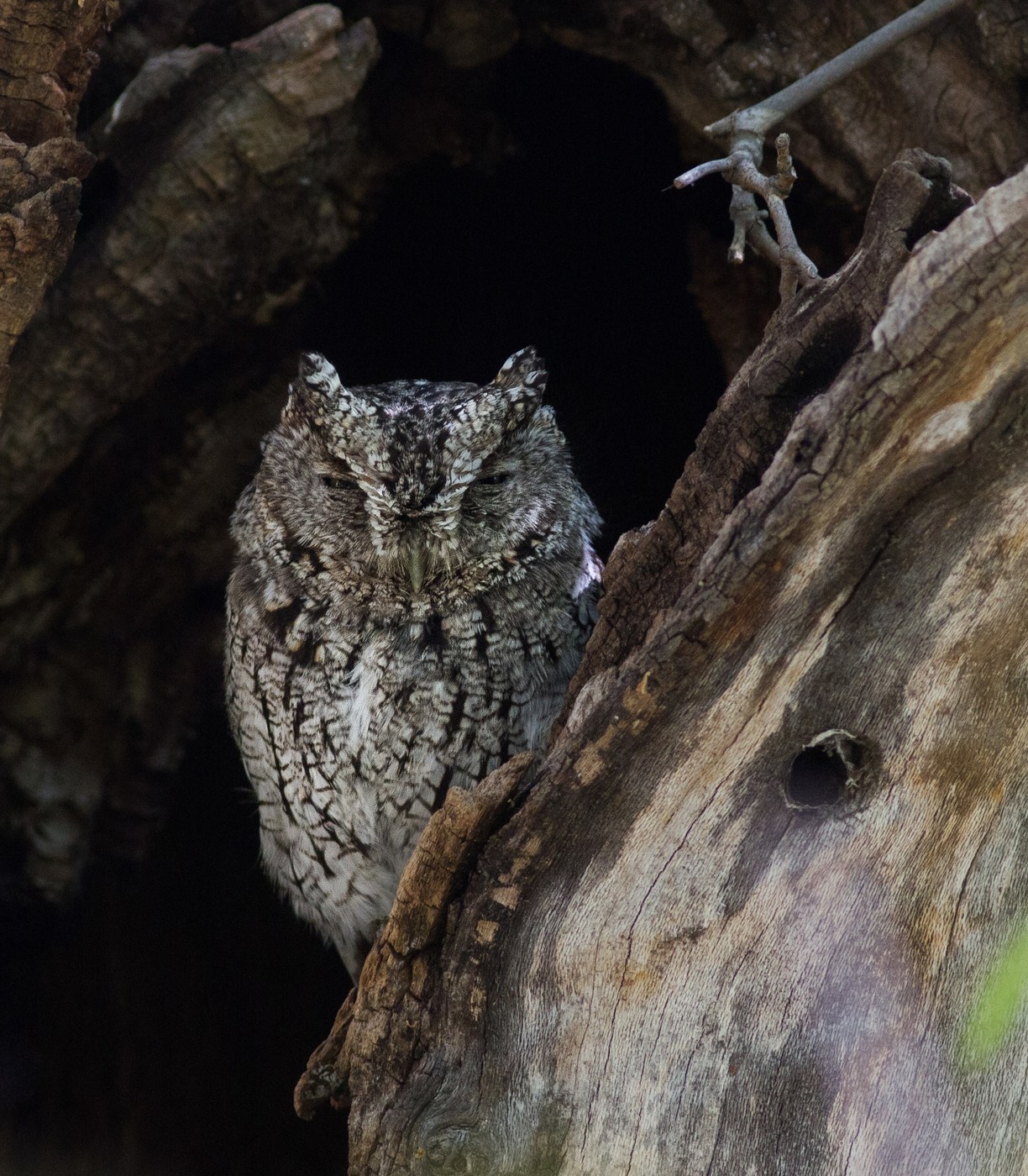
Whiskered Screech-Owl
Small soft-fringed flight feathers; finely mottled body feathers; short ear tufts
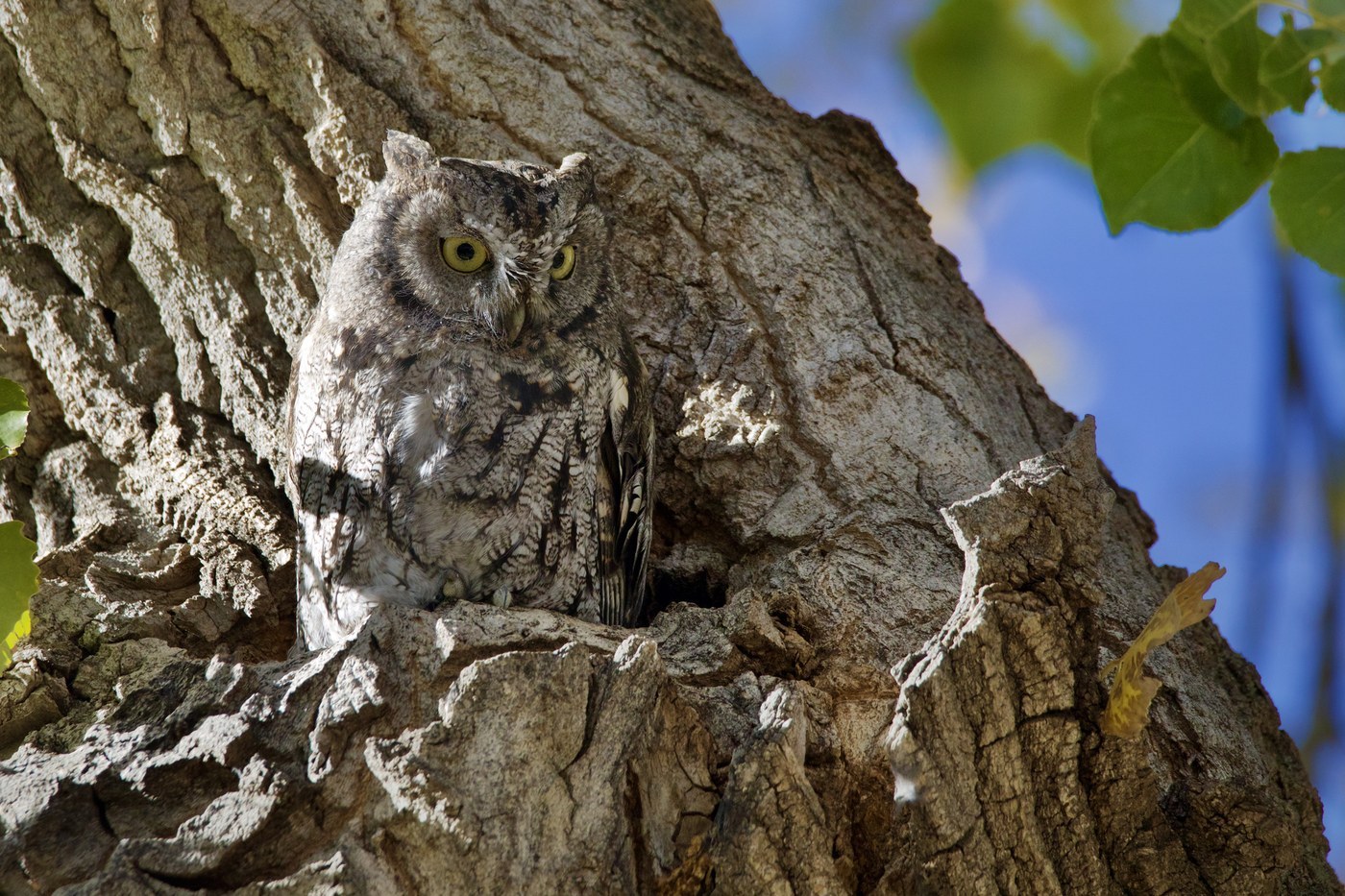
Western Screech-Owl
Small soft-fringed flight feathers; cryptic mottled/streaked body feathers; short ear tufts

White-faced Scops Owl
Small to medium flight feathers with a distinctive whitish facial disc and long ear-tuft plumes