

Piping Plover
Charadrius melodus
A pale, sand-colored North American plover with an often broken black breast band, closely tied to open sandy beaches and alkaline lakeshores.
- Feather type
- Small, pale, compact body feathers and short flight feathers typical of a beach-nesting plover
- Colours
- Pale sandy-gray upperparts, white underparts, and an incomplete black breast band
- Bird size
- Small plover, ~17-18 cm
Found a feather like this?
Identify any feather from a photo, free.
Overview
The Piping Plover is a small, pale shorebird whose overall coloration closely matches dry sand, an adaptation that provides camouflage on the open beaches, sandbars, and alkaline lakeshores where it nests. It breeds locally along the Atlantic coast, the shores of the Great Lakes, and prairie alkaline wetlands, with populations that have become a focus of conservation attention due to habitat loss on nesting beaches.
Its plumage is notably paler than most other ringed plovers, and its breast band is frequently incomplete, appearing as two separate dark patches on the sides of the breast rather than a solid band across the front. This partial band, combined with its overall pale, sandy tone, helps distinguish it from other small plovers.
A very pale, sandy-toned plover feather with a partial or broken dark breast marking, found on an open sandy beach or alkaline lakeshore in North America, is a good indicator of this species.
Identifying the Feather
Shape and Size
Body feathers are small, soft, and pale-toned, and flight feathers are short and rounded, consistent with a plover under 20 cm long adapted to open sandy habitat.
Color and Pattern
- Upperparts are very pale sandy-gray, notably paler than most other ringed plovers, closely matching dry beach sand.
- Underparts are white, with the breast band often incomplete, showing as two separate dark patches rather than a continuous band.
- A narrow dark line crosses the forehead in breeding condition, though this is more limited than in some relatives.
- Flight feathers show a moderate white wing stripe.
Shaft and Vane
Shafts are pale throughout, consistent with the overall light coloration of this species, lacking the darker shaft contrast seen in more richly colored plovers.
Distinguishing from Similar Species
Compared to Snowy Plover, which shares a similarly pale coloration, Piping Plover shows a more defined, if often incomplete, breast band rather than isolated dark patches, and its overall upperpart tone tends to be slightly grayer rather than the sandier brown of Snowy Plover. Compared to Semipalmated Plover, Piping Plover is distinctly paler with a less bold, often broken band.
Plumage & Molt
Adults show very pale sandy-gray upperparts, white underparts, and an often incomplete black breast band, with a narrow dark forehead line present in breeding season. Sexes are similar, with males typically showing slightly bolder markings. Juveniles are even paler and lack a defined breast band, showing only faint side patches. Molt occurs mainly after breeding, with body feathers refreshed before spring migration to breeding beaches.
Habitat & Range
The Piping Plover breeds in three distinct populations along the U.S. and Canadian Atlantic coast, around the Great Lakes, and on alkaline wetlands and river sandbars of the northern Great Plains, wintering along the southern Atlantic and Gulf coasts of the United States and into Mexico and the Caribbean. It depends on open, sparsely vegetated sandy or alkaline habitat for nesting, and populations have been affected by beach development and disturbance.
Behavior & Field Notes
Piping Plovers forage on open sand and along the waterline, taking small invertebrates using a run-stop-peck technique similar to other small plovers. They rely heavily on camouflage, often freezing in place when disturbed rather than flushing immediately. Their call is a clear, melodic piping note, from which the species gets its name. Nests are shallow scrapes on open sand or gravel, often lined with small shells or pebbles, making eggs and chicks highly vulnerable to disturbance. For feather finders, a very pale sandy-gray feather with an incomplete dark breast marking found on an open beach or alkaline lakeshore in its North American range is a good indicator of this species.
Frequently asked questions
Why does the Piping Plover's breast band look broken?
Its black breast band is frequently incomplete, appearing as two separate dark patches on the sides of the breast rather than a solid band across the front.
How pale is this species compared to other plovers?
It is among the palest of the ringed plovers, with sandy-gray upperparts adapted to blend with dry beach sand.
Where does the Piping Plover breed?
In three separate populations: along the Atlantic coast, around the Great Lakes, and on alkaline wetlands of the northern Great Plains.
Piping Plover guides
In-depth guides for identifying and understanding Piping Plover.

Other feathers you may enjoy
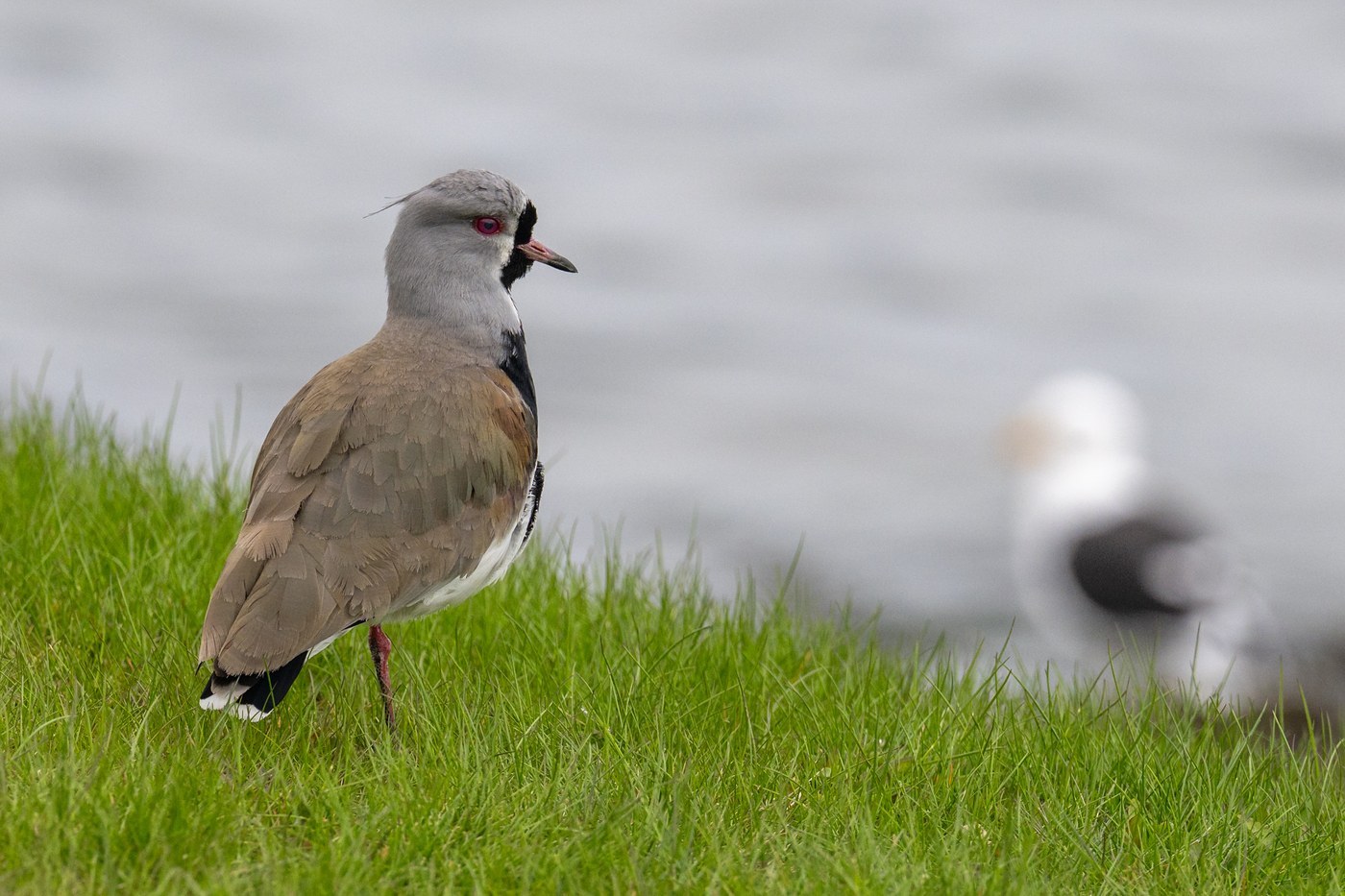
Southern Lapwing
Body, flight, and tail feathers

Jack Snipe
Body and flight feathers

Far Eastern Curlew
Body, flight, and tail feathers

Terek Sandpiper
Body and flight feathers

Wilson's Phalarope
Body and flight feathers
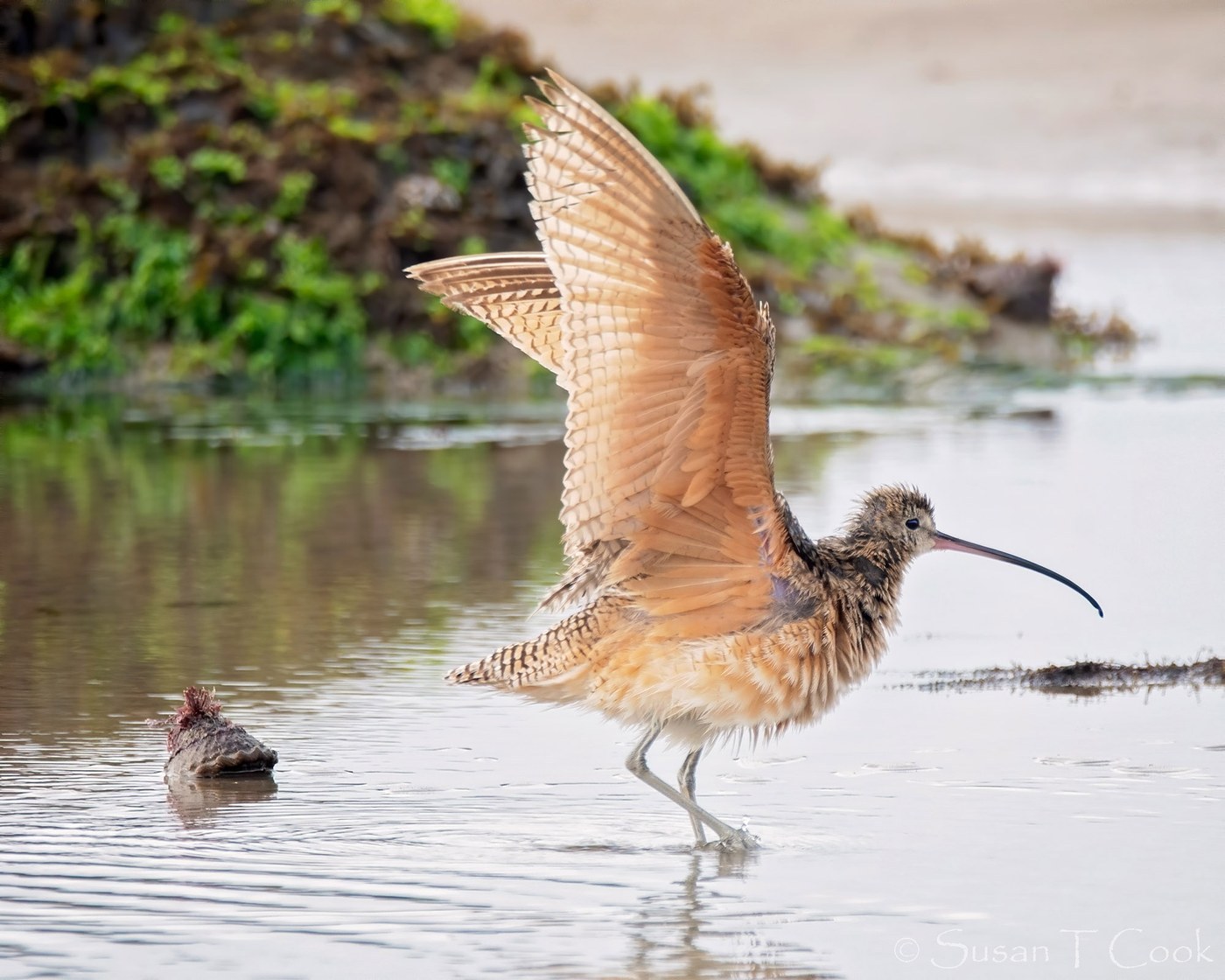
Long-billed Curlew
Body, flight, and tail feathers

Upland Sandpiper
Body, flight, and tail feathers

Red Phalarope
Body and flight feathers

Eurasian Dotterel
Body feathers
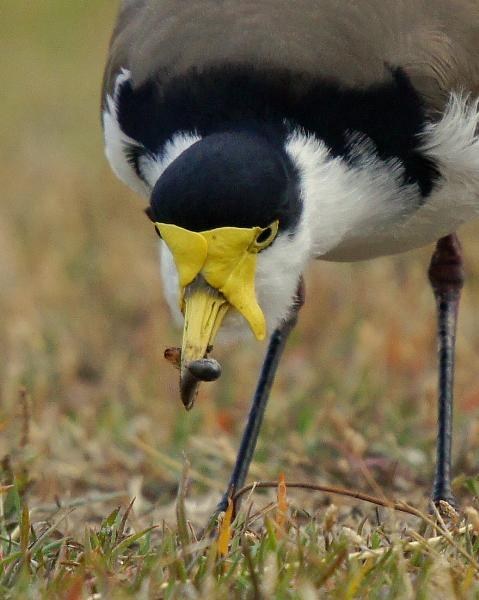
Masked Lapwing
Body, flight, and tail feathers
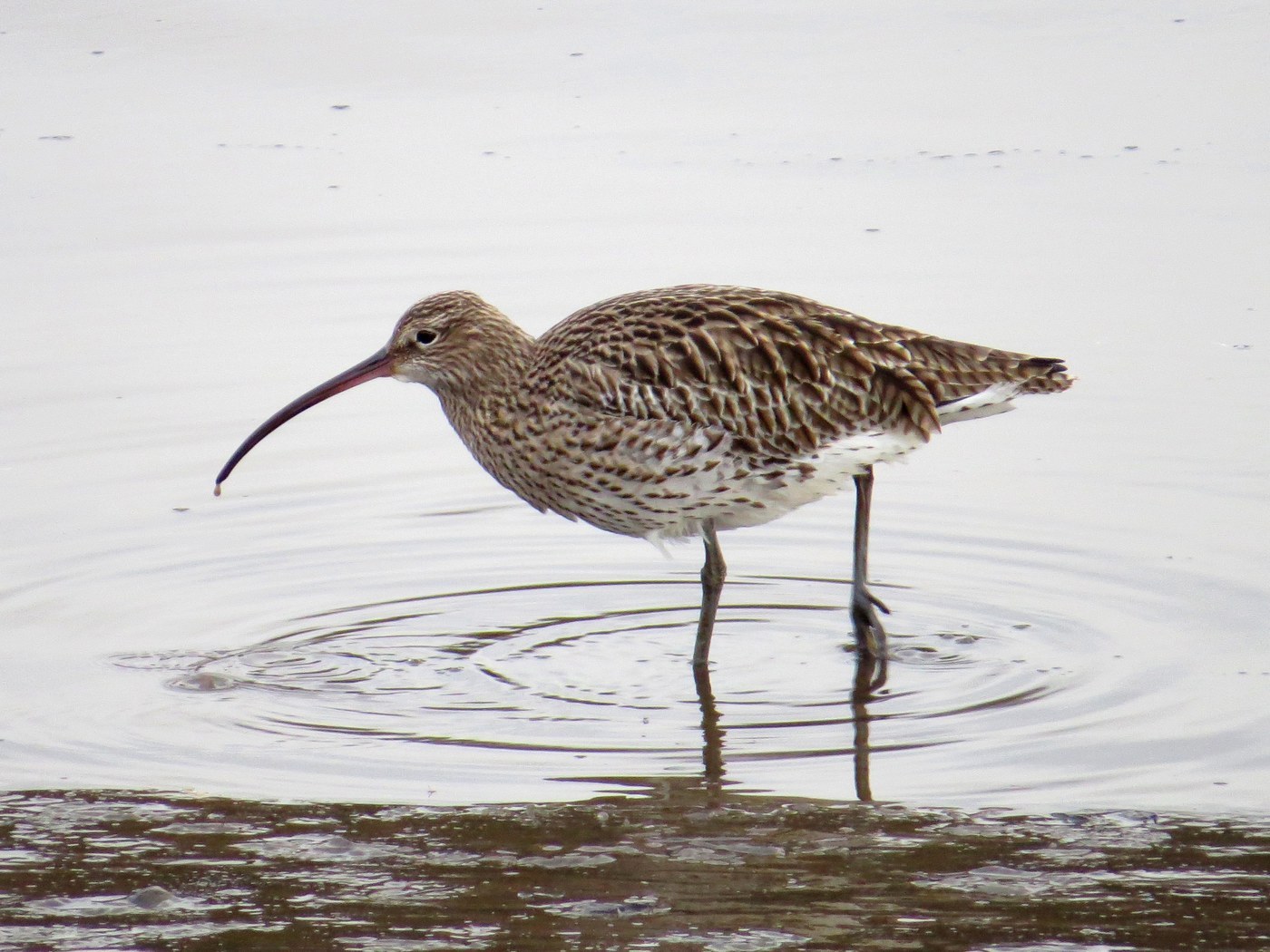
Eurasian Curlew
Body, flight, and tail feathers
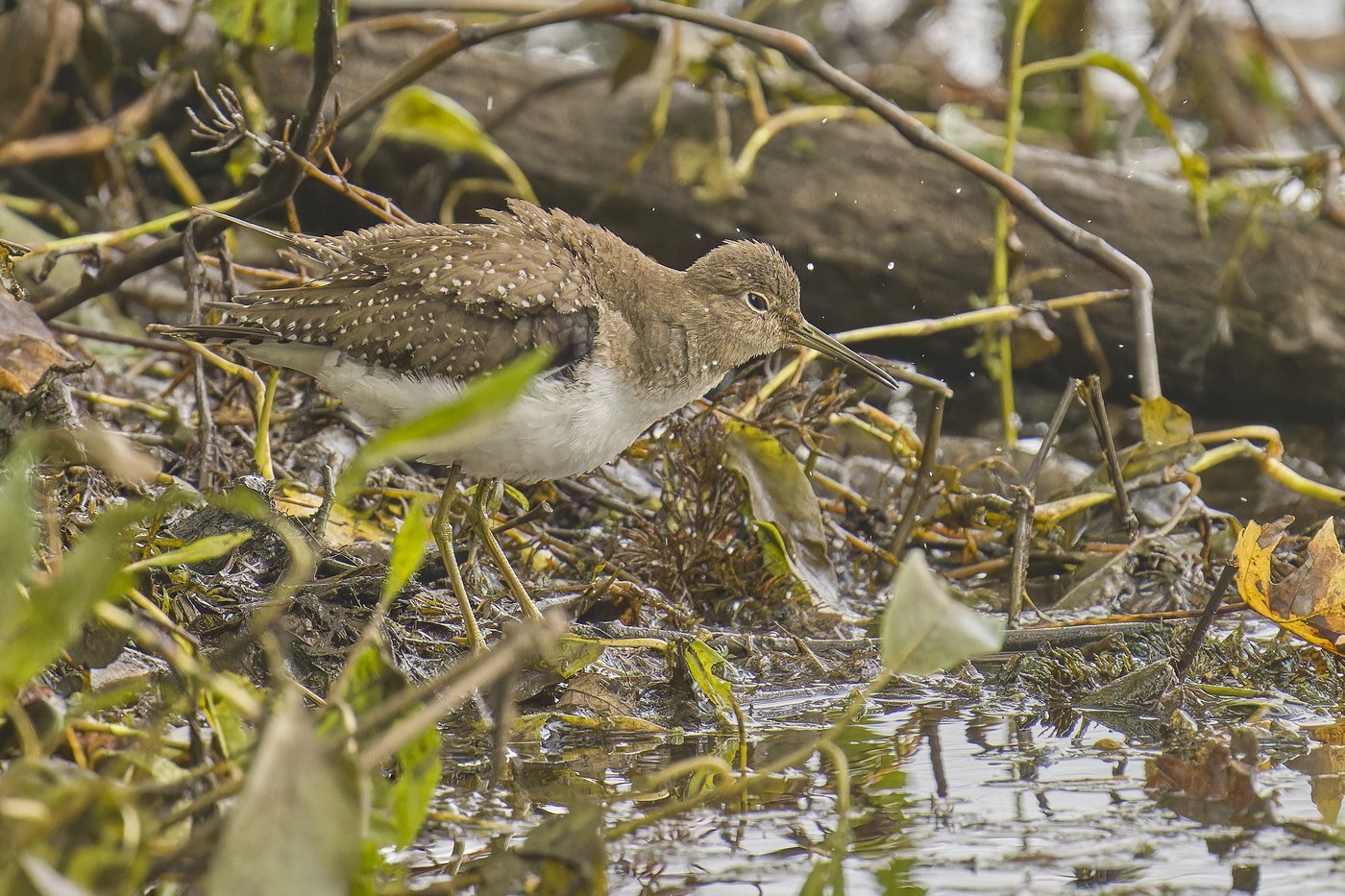
Solitary Sandpiper
Contour and flight feathers