

Purple Sandpiper
Calidris maritima
A stocky, dark-plumaged sandpiper of wave-battered rocky coastlines, its feathers showing a subtle purplish gloss on slaty-gray upperparts unlike any other North Atlantic shorebird.
- Feather type
- Small wader contour and flight feathers
- Colours
- Dark slaty gray-purple upperparts with a subtle purple sheen; yellow-based bill
- Bird size
- Sandpiper-sized, ~20-22 cm
Found a feather like this?
Identify any feather from a photo, free.
Overview
Overview
The Purple Sandpiper is a hardy, cold-tolerant shorebird that spends winter on exposed rocky shorelines and jetties along the North Atlantic, often foraging within reach of breaking waves. Its overall dark, sooty appearance sets it apart from the paler sandy or streaked sandpipers found on sandy beaches.
Feathers are most often found on rock jetties, breakwaters, and rocky headlands where wintering flocks roost and preen at high tide.
Identifying the Feather
Feather Identification
- Overall tone: dark slate-gray upperpart feathers with a faint purplish or greenish sheen visible in good light, unlike the browner tones of most calidrids.
- Underparts: breast and flank feathers show dusky streaking and mottling rather than clean white, giving a smudgy look overall.
- Wing feathers: blackish with a narrow white wingbar; feather edges lack the warm buff or rufous tones seen in many other sandpipers.
- Shape: feathers are relatively broad and dense-looking, matching the species' plump, short-necked build adapted to cold, wet rock habitats.
- Versus Rock Sandpiper: extremely similar; Purple Sandpiper feathers tend to show slightly less rufous in breeding plumage and occur on the Atlantic side rather than the Pacific.
Plumage & Molt
Plumage Notes
Breeding adults show dark upperparts with some rufous-edged feathers on the back and scapulars, plus streaked underparts; nonbreeding adults are almost uniformly dark slate-gray above and dingy white with gray streaking below, among the drabbest and darkest of winter shorebird plumages. The sexes look alike.
Juveniles resemble winter adults but show neater pale fringes on the upperpart feathers, creating a faintly scaled pattern that wears off by midwinter. The complete molt into nonbreeding plumage occurs mostly on the wintering grounds in late autumn.
Habitat & Range
Habitat & Range
Purple Sandpipers breed on Arctic and subarctic tundra and rocky coastlines around the North Atlantic, including Arctic Canada, Greenland, Iceland, and northern Europe. In winter they concentrate almost exclusively on rocky shorelines, jetties, and breakwaters along the northeastern coast of North America and around the British Isles and Scandinavian coasts, rarely straying onto open sandy beaches.
Behavior & Field Notes
Behavior & Field Notes
This species forages by picking and probing among wet rocks, seaweed, and tide pools, taking small invertebrates exposed by the surf, and is remarkably tolerant of cold, wave-splashed conditions that few other shorebirds endure. Flocks often stand tightly packed on offshore rocks at high tide.
Nests are shallow tundra scrapes, typically well inland from the coast. The flight call is a low, short "kweet" or "twit." Because it winters on rugged rocky coasts rather than soft mudflats, Purple Sandpiper feathers are often found wedged among rocks or in coastal vegetation rather than lying exposed on open sand.
Frequently asked questions
Why do Purple Sandpiper feathers look darker than other sandpipers?
Their upperpart feathers are slate-gray with a subtle purplish sheen and lack the pale sandy or rufous tones common in other small shorebirds, an adaptation that suits their dark, rocky habitat.
Where would I find a Purple Sandpiper feather?
Almost always on or near rocky coastlines, jetties, or breakwaters, since this species rarely uses open sandy beaches.
How can I tell Purple Sandpiper from Rock Sandpiper feathers?
The two are very similar, but Rock Sandpiper occurs on the Pacific coast while Purple Sandpiper is an Atlantic species, and Rock Sandpiper often shows slightly more rufous breeding tones.
Do Purple Sandpipers molt before or after arriving at wintering sites?
Most of the complete molt into dark nonbreeding plumage happens after birds reach their wintering coastlines in late autumn.
Are Purple Sandpiper feathers different between males and females?
No, the sexes are essentially identical in plumage.
Purple Sandpiper guides
In-depth guides for identifying and understanding Purple Sandpiper.

Other feathers you may enjoy
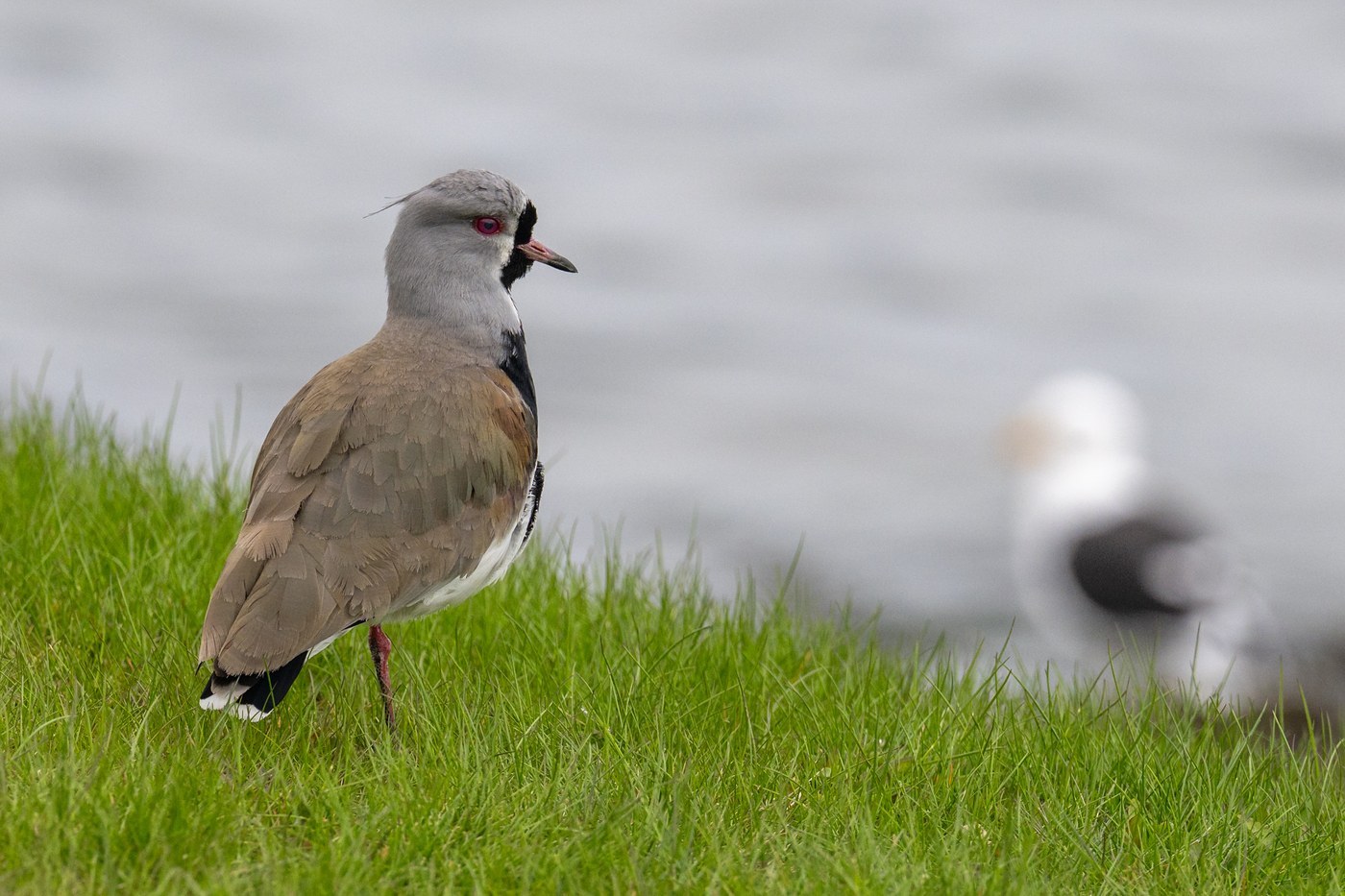
Southern Lapwing
Body, flight, and tail feathers

Jack Snipe
Body and flight feathers

Far Eastern Curlew
Body, flight, and tail feathers

Terek Sandpiper
Body and flight feathers

Wilson's Phalarope
Body and flight feathers
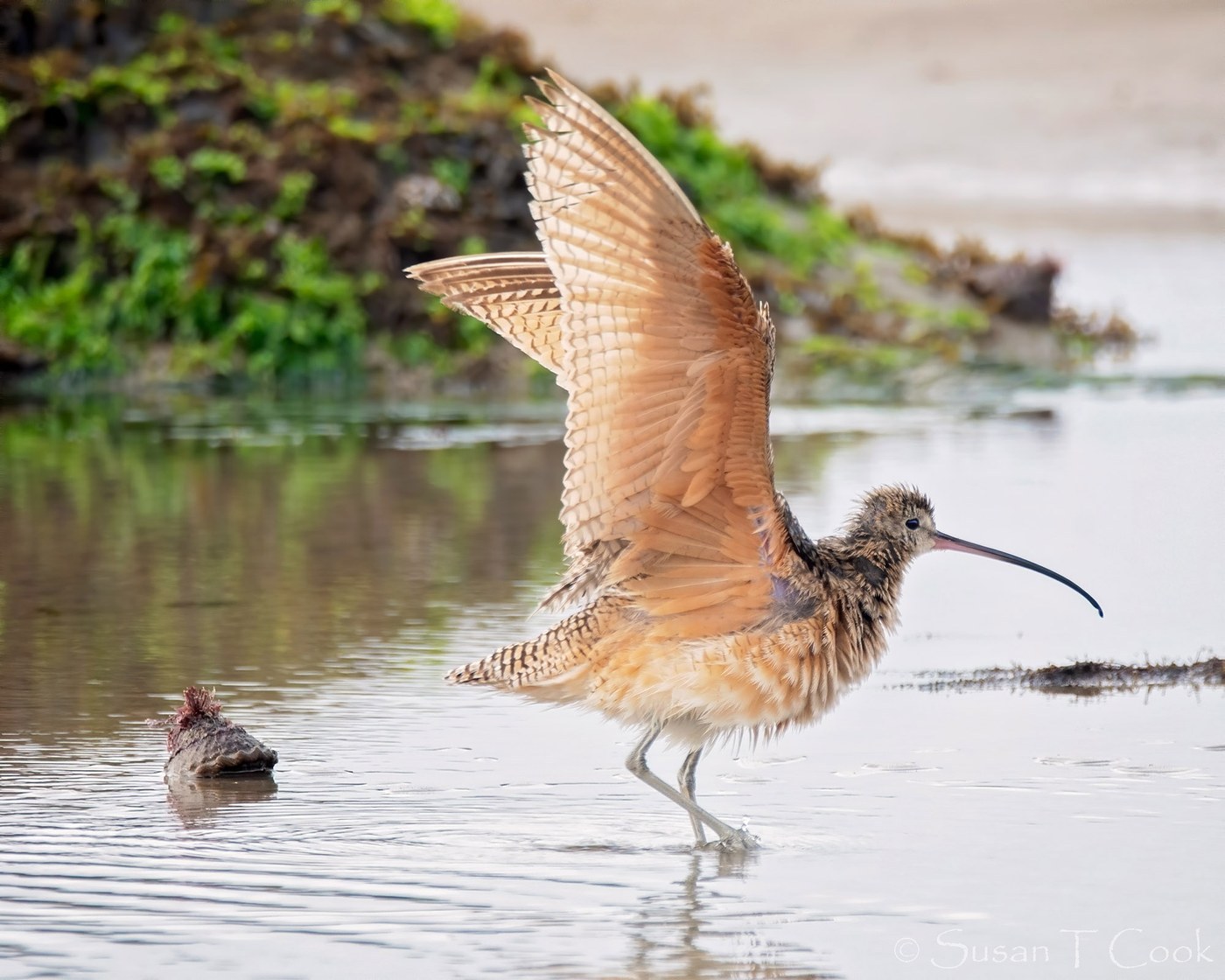
Long-billed Curlew
Body, flight, and tail feathers

Upland Sandpiper
Body, flight, and tail feathers

Red Phalarope
Body and flight feathers

Eurasian Dotterel
Body feathers
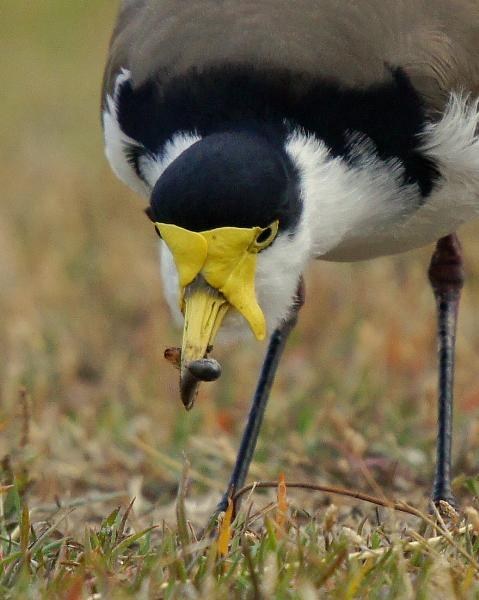
Masked Lapwing
Body, flight, and tail feathers
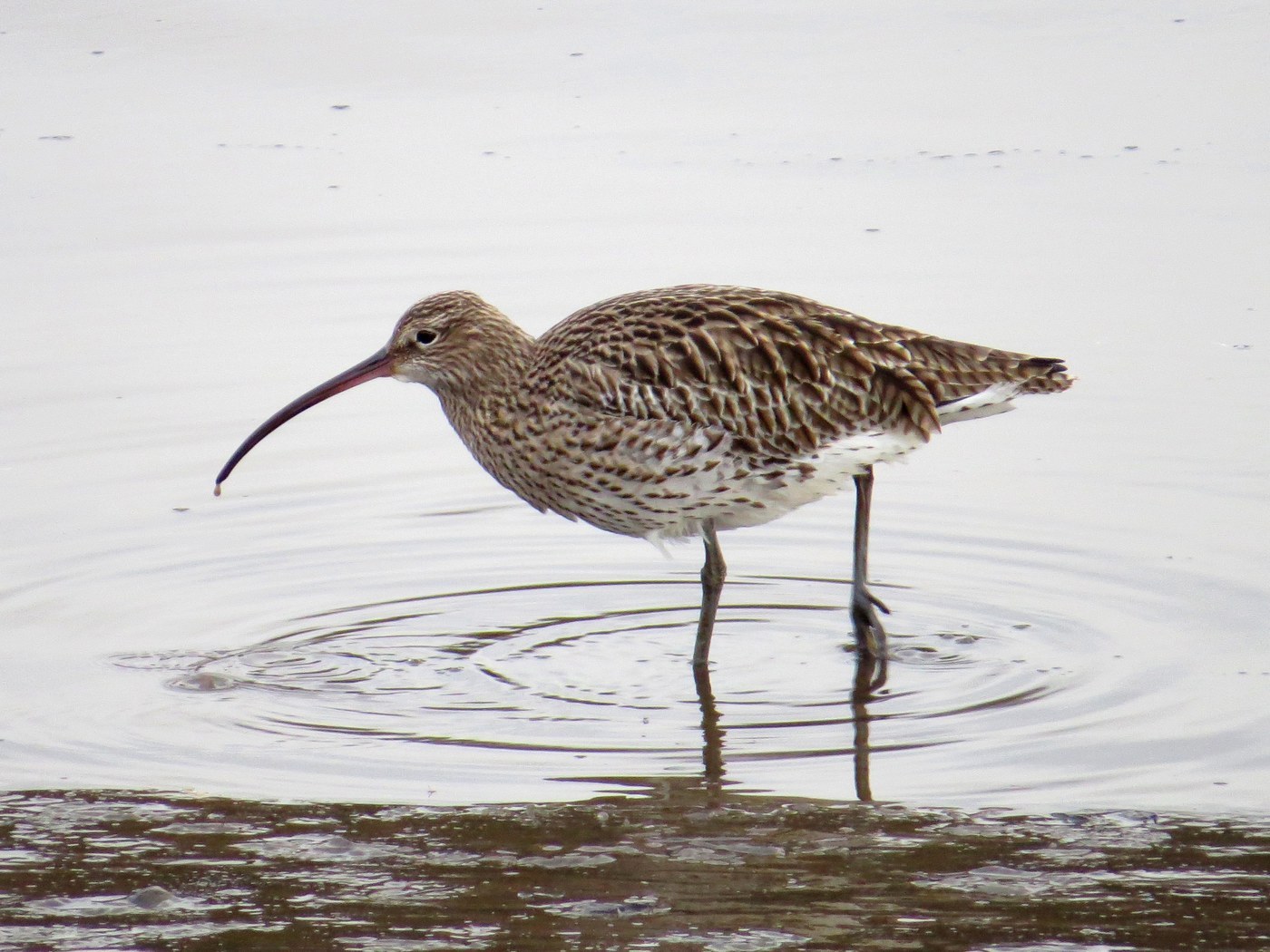
Eurasian Curlew
Body, flight, and tail feathers
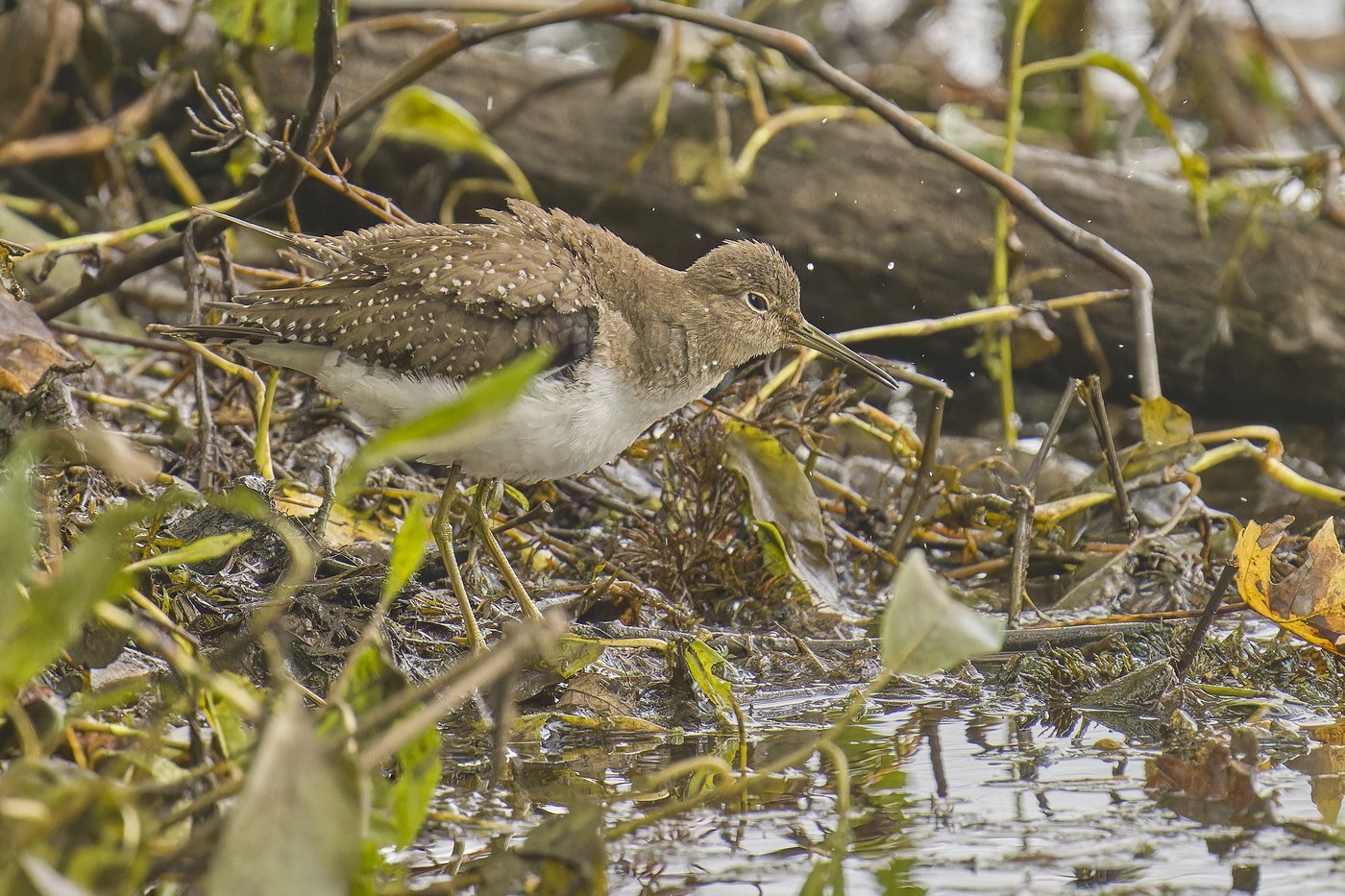
Solitary Sandpiper
Contour and flight feathers