
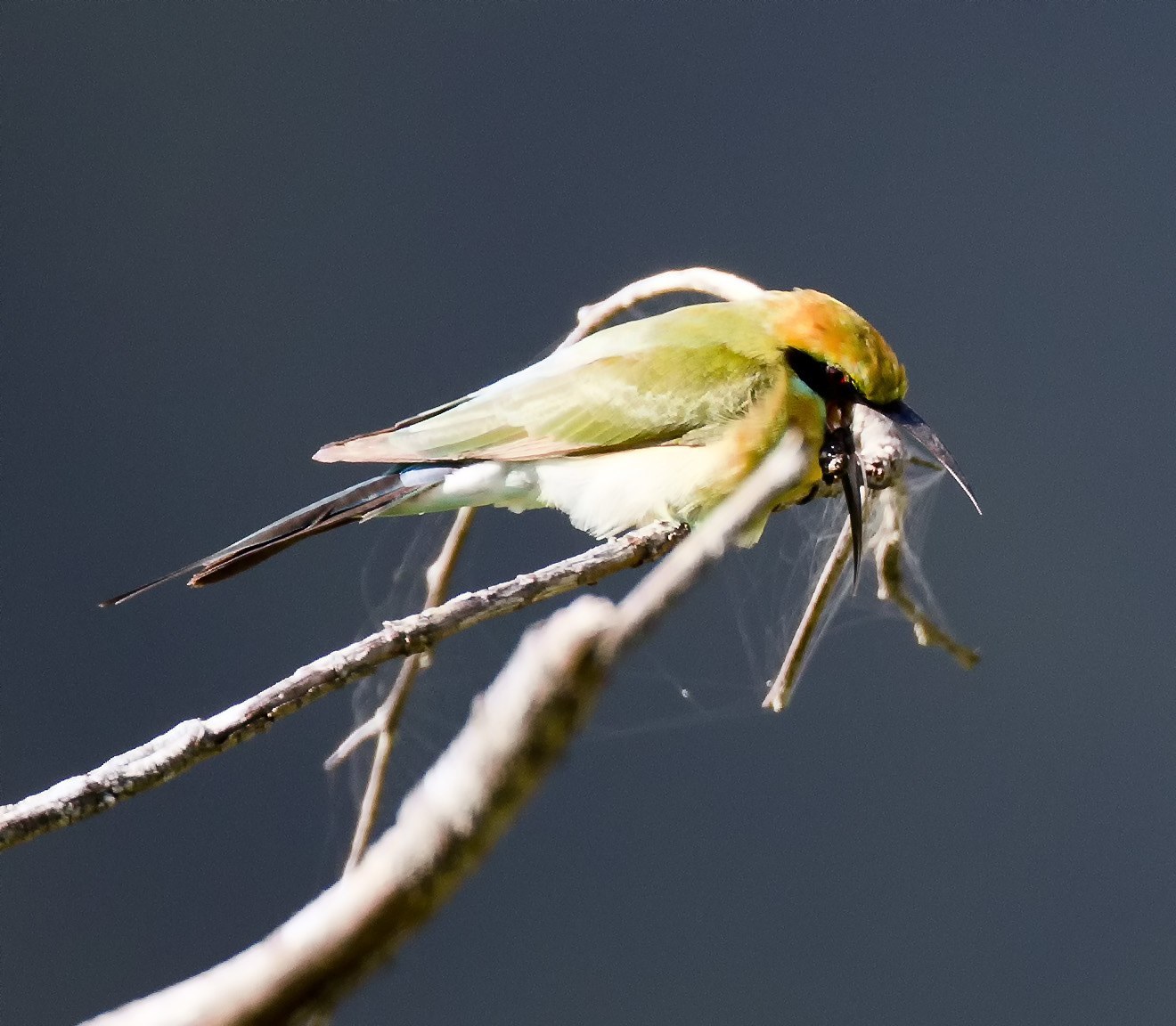
Rainbow Bee-eater
Merops ornatus
Australia's only bee-eater, a multicolored bird combining green, gold, and turquoise plumage with a fine black tail streamer.
- Feather type
- Slender, pointed contour feathers; elongated central tail streamers
- Colours
- Green upperparts, turquoise rump, golden throat, black eye-mask
- Bird size
- Robin-sized, ~19-24 cm including tail streamers
Found a feather like this?
Identify any feather from a photo, free.
Overview
Overview
The Rainbow Bee-eater is the sole bee-eater species found in Australia, also occurring in New Guinea and parts of Indonesia during migration. Its combination of vivid colors and graceful flight makes it a popular sighting across its range.
- Only bee-eater species native to Australia
- Long-distance migrant within the Australasian region
- Named for its multicolored plumage
Identifying the Feather
Feather Identification
Rainbow Bee-eater feathers show a blend of green, gold, and blue tones.
- Upperparts: bright green feathers covering the back and wings
- Throat: golden-yellow, bordered below by a black band
- Rump: pale turquoise-blue, visible in flight
- Tail: green with a fine elongated black central streamer
Its smaller size and combination of green body with turquoise rump distinguish it from the larger, pink-bodied carmine bee-eaters found elsewhere.
Plumage & Molt
Plumage Details
Sexes look similar, though males typically show a longer tail streamer than females. Juveniles are duller green overall and lack the elongated central tail feathers. A single annual molt maintains adult plumage, occurring after the breeding season.
Habitat & Range
Habitat & Range
Breeds across much of Australia in open woodland, farmland, and sandy habitats suitable for burrow nesting, migrating north to New Guinea and parts of Indonesia for the non-breeding season. Southern populations are the most strongly migratory.
Behavior & Field Notes
Behavior & Field Notes
Rainbow Bee-eaters catch flying insects in swift aerial sallies from an exposed perch, striking prey against a branch before consuming it. They nest in burrows dug into sandy or earthen banks, sometimes in loose colonies. Their call is a pleasant, rolling "trrp" given frequently in flight. The green body, golden throat, and fine tail streamer make this species distinctive wherever it occurs.
Frequently asked questions
Is the Rainbow Bee-eater the only bee-eater in Australia?
Yes, it is the sole bee-eater species found in Australia, also ranging into New Guinea and parts of Indonesia.
Does the Rainbow Bee-eater migrate?
Southern Australian populations are strongly migratory, moving north to New Guinea and Indonesia outside the breeding season.
What feather features help identify this species?
Green upperparts, a golden throat bordered by black, a pale turquoise rump, and a fine elongated tail streamer.
How does the tail streamer differ between males and females?
Males generally show a longer central tail streamer than females, though both sexes share similar body plumage.
Rainbow Bee-eater guides
In-depth guides for identifying and understanding Rainbow Bee-eater.
Other feathers you may enjoy

Common Cuckoo
Flight and body feathers
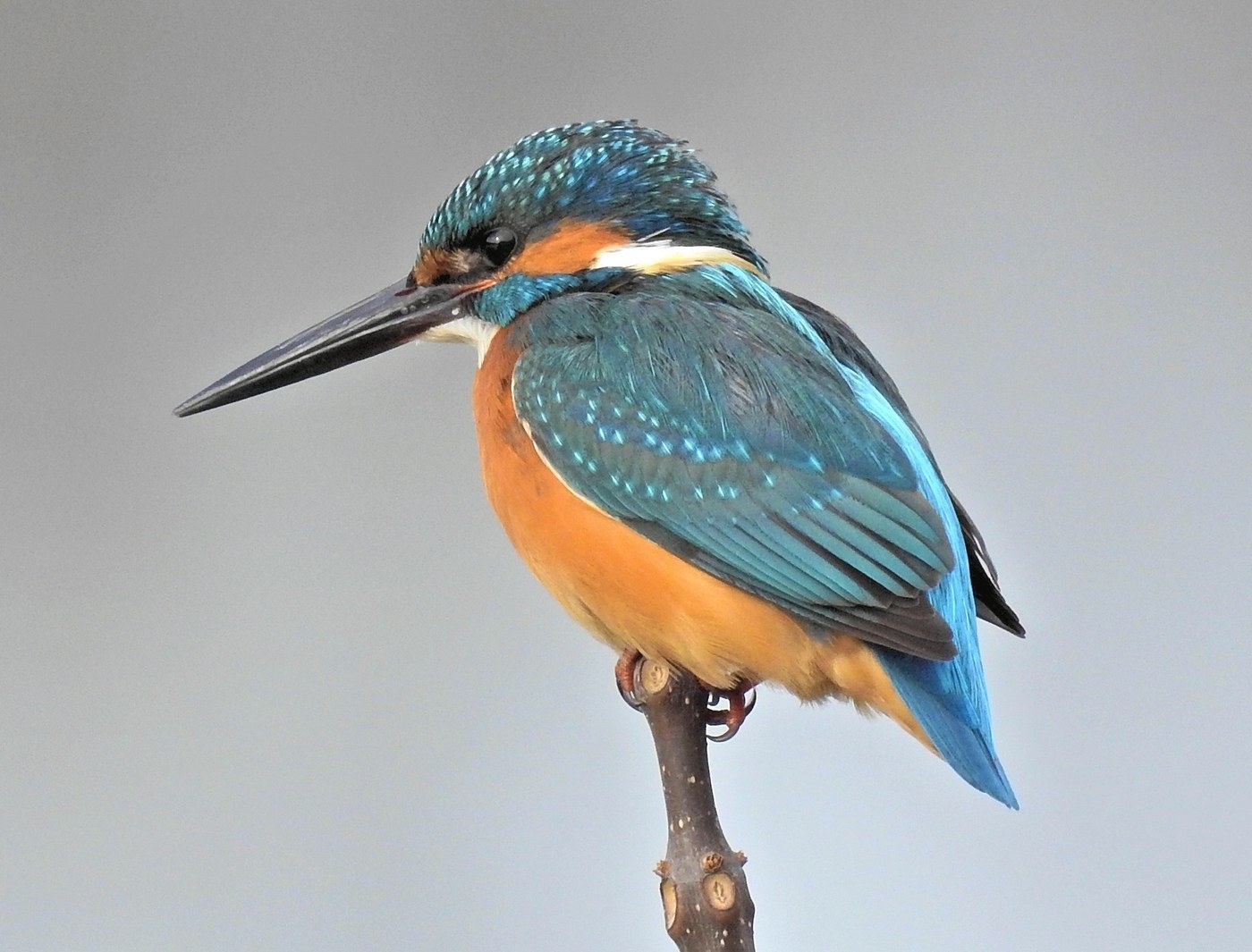
Common Kingfisher
Body (contour) and wing feathers
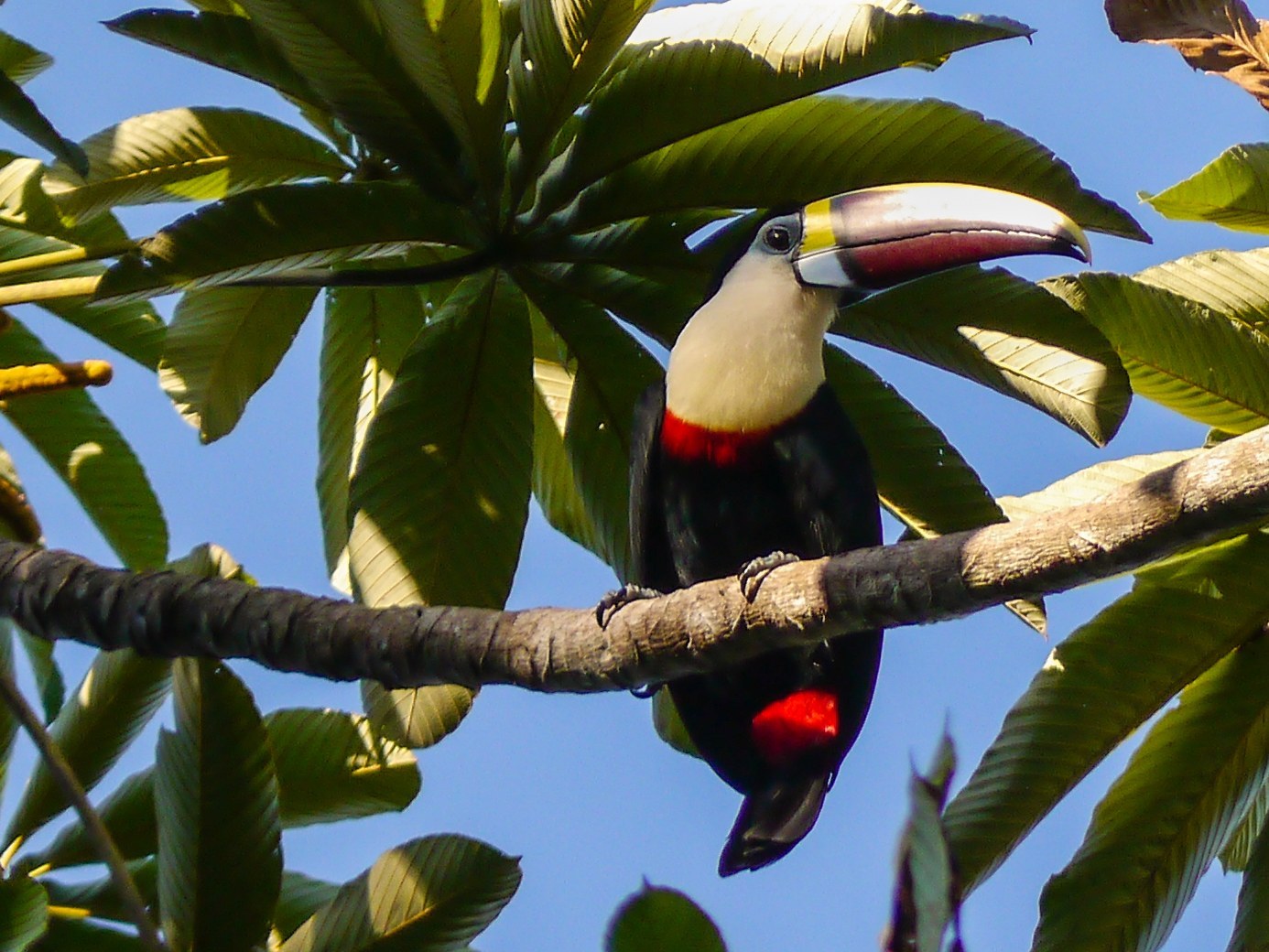
White-throated Toucan
Short rounded contour feathers, short broad wings
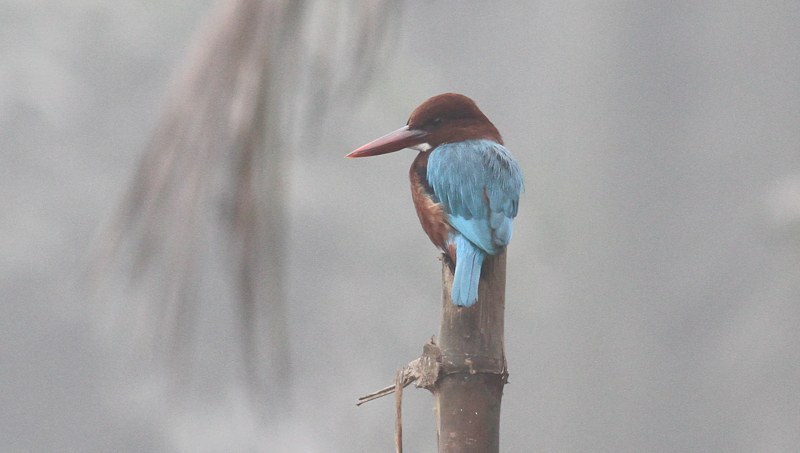
White-throated Kingfisher
Dense contour feathers; broad rounded wings

White-throated Bee-eater
Sleek, aerodynamic contour feathers; elongated central tail streamers
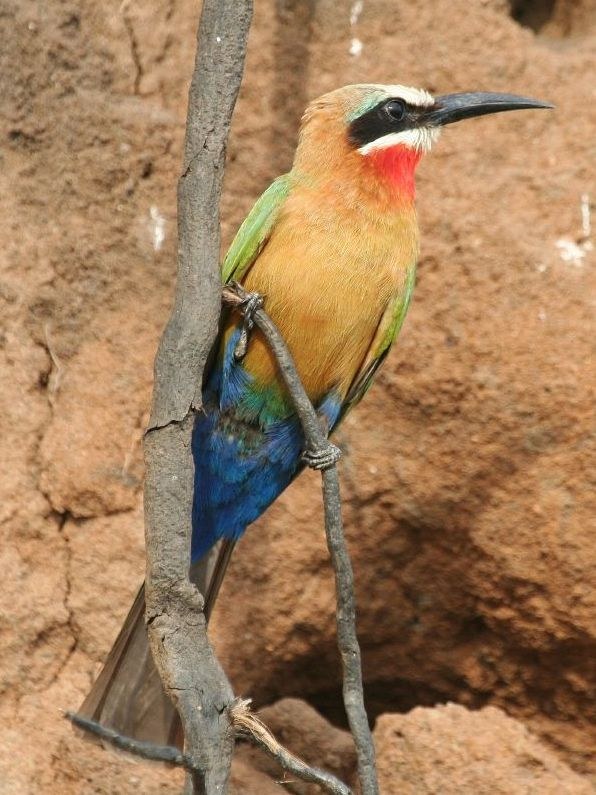
White-fronted Bee-eater
Sleek contour feathers; short tail with slight point

Southern Yellow-billed Hornbill
Slender contour feathers, moderate flight feathers
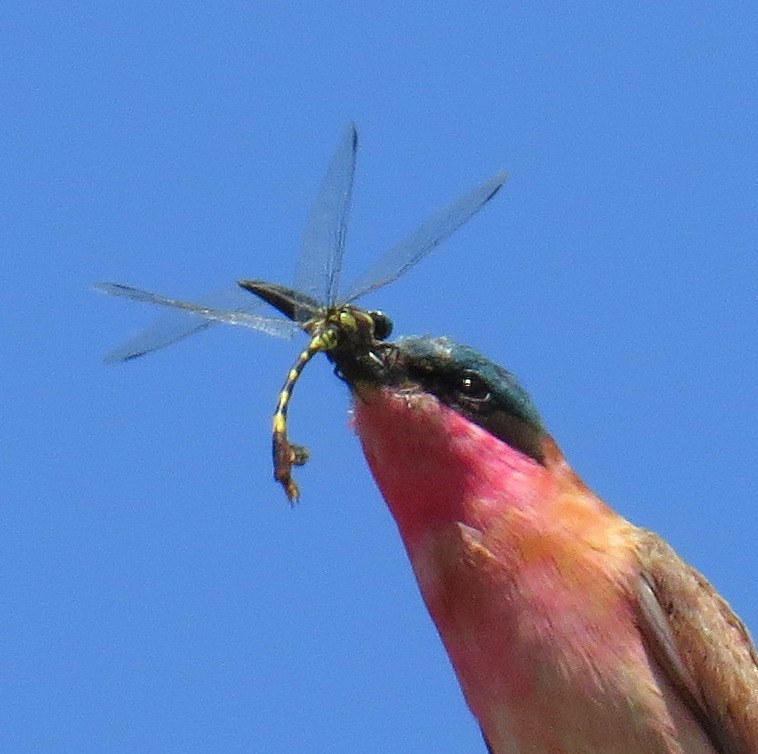
Southern Carmine Bee-eater
Sleek, pointed contour feathers; elongated central tail streamers
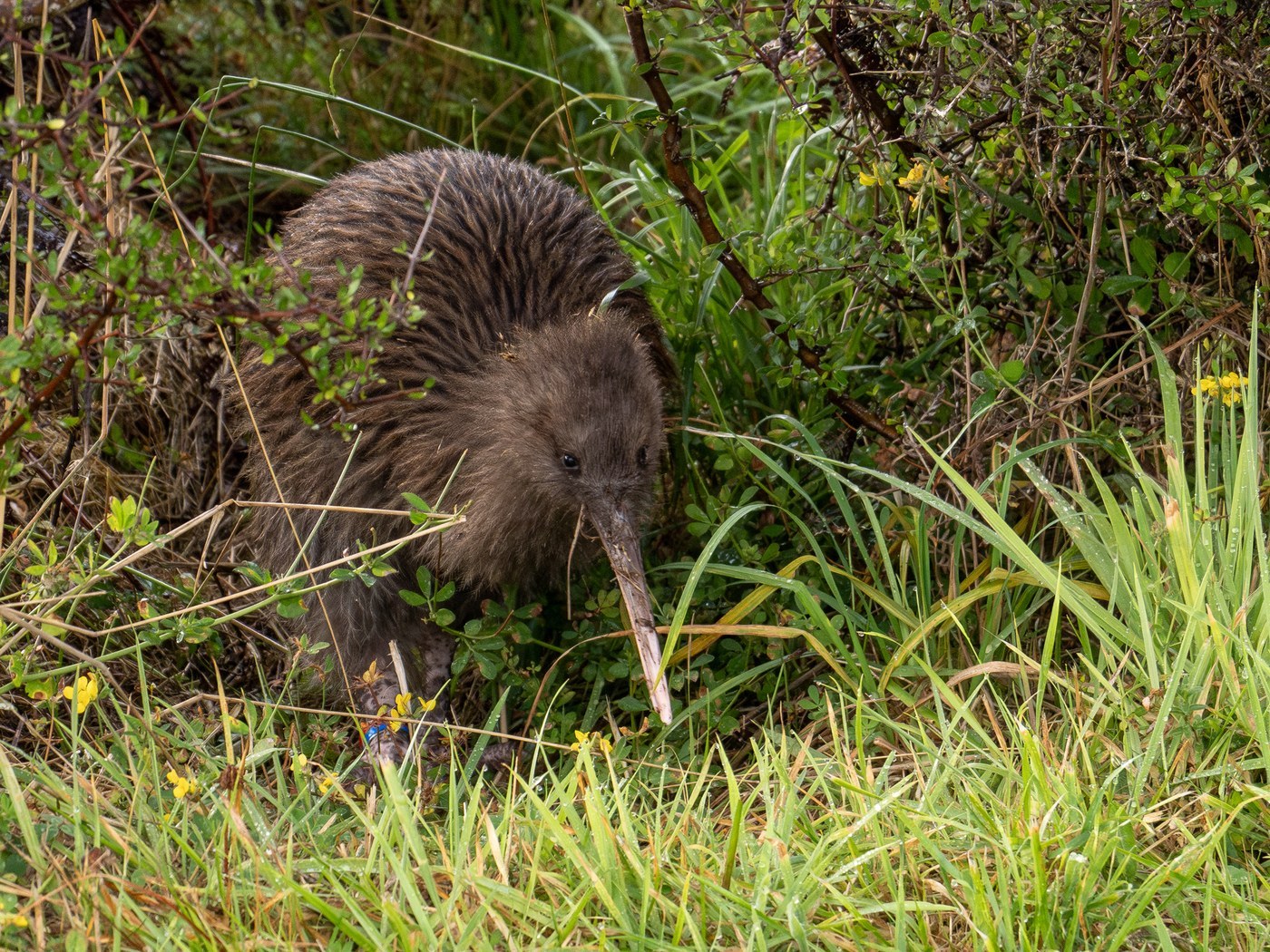
Southern Brown Kiwi
Shaggy, hair-like plumage with loose barbs lacking barbules; flightless, vestigial wings hidden beneath body feathers

Somali Ostrich
Loose, soft plumes lacking interlocking barbules

Wreathed Hornbill
Dense contour feathers, broad flight feathers

Woodland Kingfisher
Firm contour feathers; broad wing feathers