

Red Phalarope
Phalaropus fulicarius
The most oceanic of the phalaropes, the Red Phalarope shows brick-red underparts in breeding plumage and pale gray winter feathers, with a stouter bill than its phalarope relatives.
- Feather type
- Body and flight feathers
- Colours
- Deep reddish-chestnut underparts and neck in breeding plumage, pale gray upperparts in winter
- Bird size
- Small shorebird, ~20-22 cm
Found a feather like this?
Identify any feather from a photo, free.
Overview
The Red Phalarope, known as Gray Phalarope in some regions, is the most pelagic of the three phalarope species, spending nearly all of its nonbreeding life far out at sea. It breeds in the high Arctic and shows a striking transformation from deep brick-red breeding plumage to pale gray winter feathers, with reversed sexual dichromatism typical of the genus.
Identifying the Feather
Breeding-plumage feathers show deep brick-red to chestnut coloring across the underparts and sides of the neck, more vivid and extensive in females, contrasting with a dark crown and a pale patch on the face around the bill base. The back feathers are dark, streaked with buff or golden lines similar to Red-necked Phalarope. The bill is noticeably thicker and shorter than in the other two phalaropes, often with a yellowish base, a useful distinguishing feature even on isolated feathers with attached bill fragments. Nonbreeding feathers are pale, plain gray above and white below, similar to Red-necked Phalarope in winter, but the overall stockier build and thicker bill help separate the species.
Plumage & Molt
As in other phalaropes, breeding females are more richly colored than males, showing deeper, more uniform red underparts, while males are duller and mottled. Juveniles show dark blackish-brown upperparts with buff streaking, molting into paler gray-and-white nonbreeding plumage by early winter. A complete flight feather molt occurs after breeding, largely at sea, and this species is known to undergo a near-simultaneous wing molt that can leave birds flightless or with reduced flight capability for a period.
Habitat & Range
Breeds on wet tundra, coastal marshes, and pond edges across the high Arctic of North America, Greenland, and Eurasia. It winters almost entirely on the open ocean, particularly over areas of high productivity such as upwelling zones off the coasts of South America, West Africa, and other tropical and subtropical waters, rarely coming to land except to breed or when storm-driven.
Behavior & Field Notes
Red Phalaropes forage at sea by picking small invertebrates and zooplankton from the surface, often spinning to stir up prey, and can also feed alongside whales or in tide-rip lines where prey concentrates. On the tundra, they nest in a shallow ground scrape, with males undertaking the bulk of incubation and chick care while females may depart early. Vocalizations include a short, sharp call note similar to other phalaropes. Monitoring is complicated by its highly pelagic, remote lifestyle.
Frequently asked questions
How do I tell a Red Phalarope feather from a Red-necked Phalarope feather?
Red Phalarope has a thicker, shorter bill often with a yellowish base, and in breeding plumage the underparts are a more uniform deep brick-red rather than the more limited chestnut neck patch of Red-necked Phalarope.
Why is the Red Phalarope called the most oceanic phalarope?
It spends nearly its entire nonbreeding life far out at sea over productive waters, coming to land almost only to breed on Arctic tundra.
Why are Red Phalarope males duller than females?
The species shows reversed sexual dichromatism: males provide most parental care, so the brighter breeding coloration has evolved in females, which compete for mates.
Where is the Red Phalarope known as Gray Phalarope?
In parts of its range, especially in Europe, it is commonly called Gray Phalarope, a name that reflects its pale gray nonbreeding plumage.
Red Phalarope guides
In-depth guides for identifying and understanding Red Phalarope.

Other feathers you may enjoy
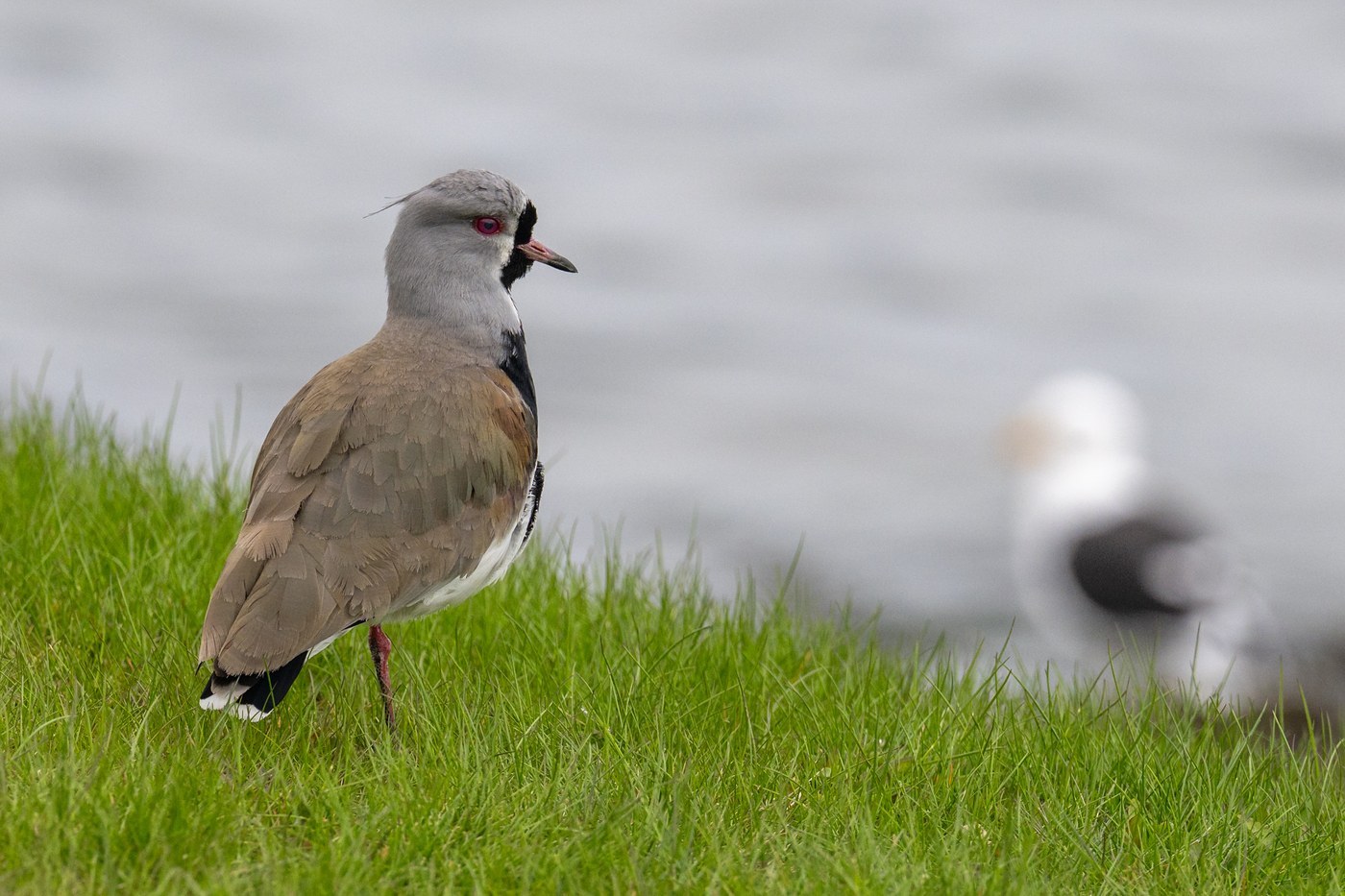
Southern Lapwing
Body, flight, and tail feathers

Jack Snipe
Body and flight feathers

Far Eastern Curlew
Body, flight, and tail feathers

Terek Sandpiper
Body and flight feathers

Wilson's Phalarope
Body and flight feathers
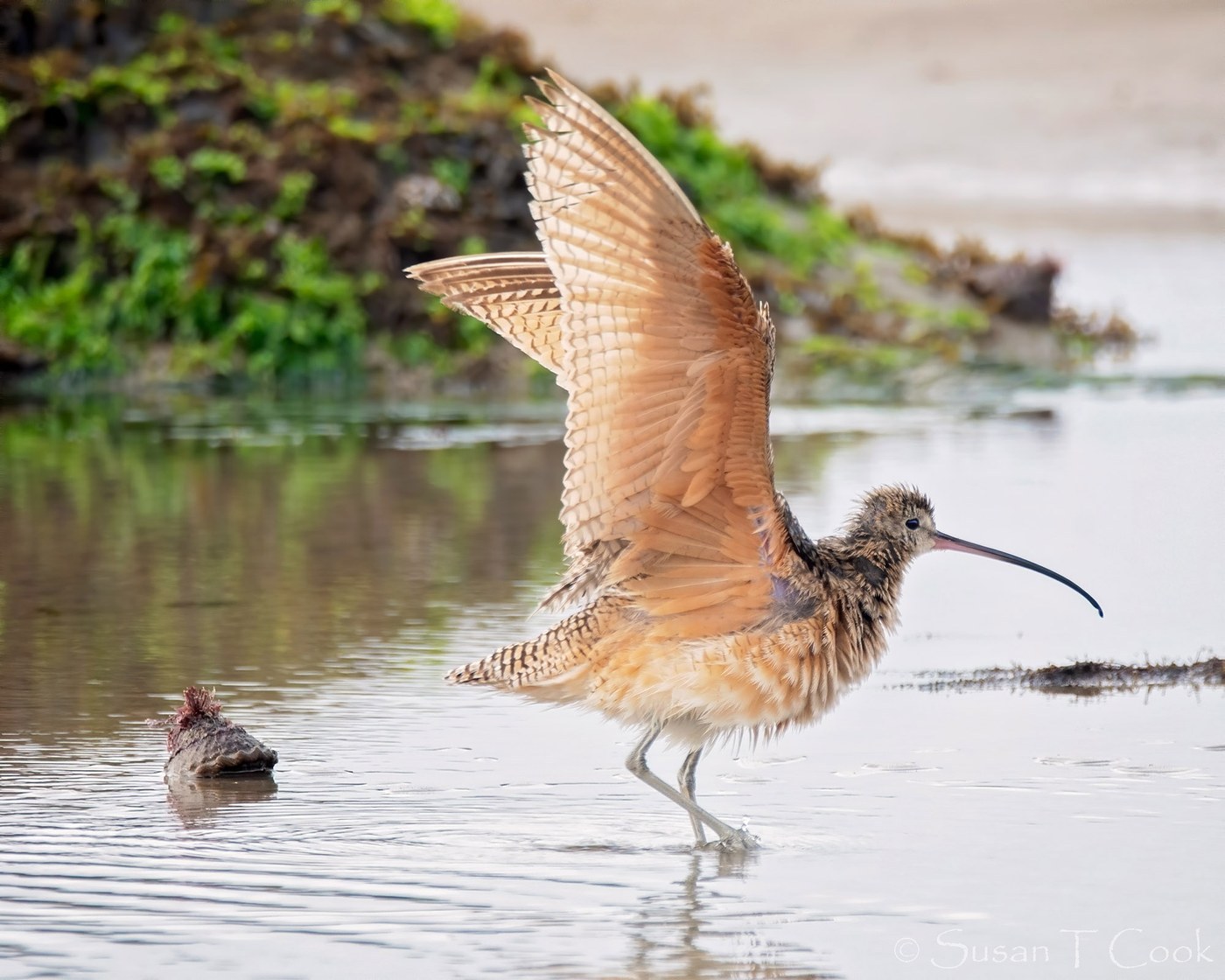
Long-billed Curlew
Body, flight, and tail feathers

Upland Sandpiper
Body, flight, and tail feathers

Eurasian Dotterel
Body feathers
Masked Lapwing
Body, flight, and tail feathers
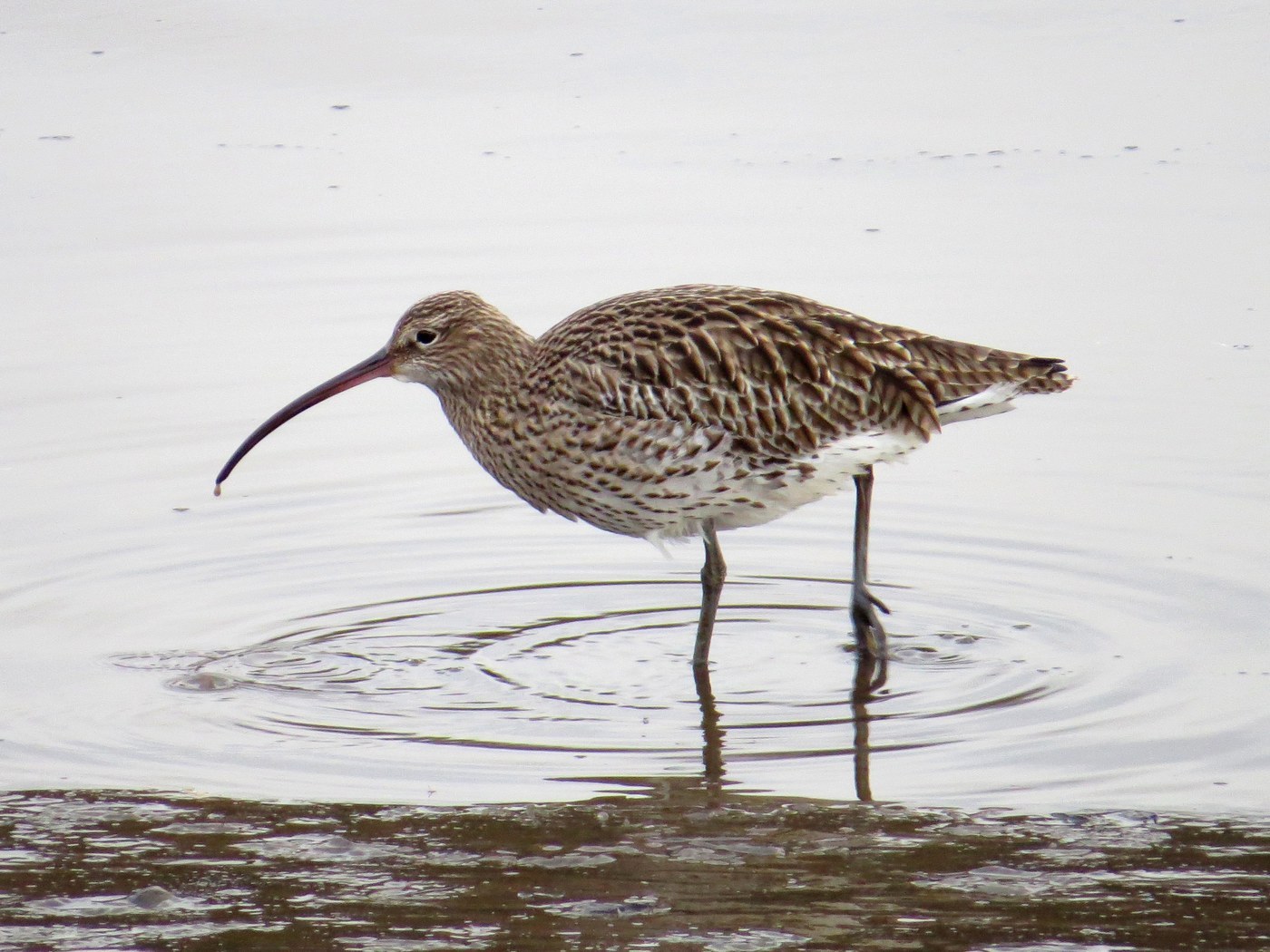
Eurasian Curlew
Body, flight, and tail feathers
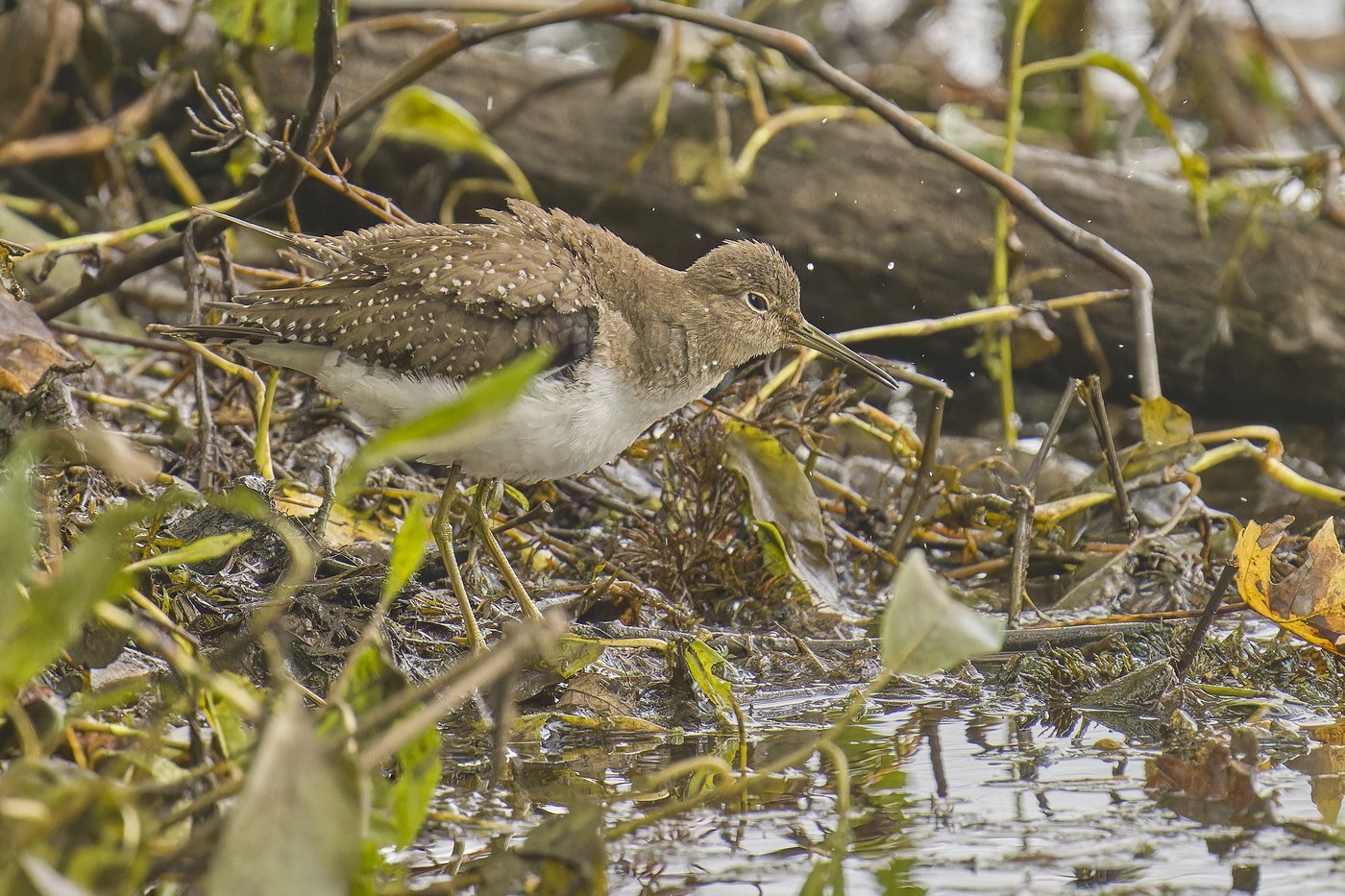
Solitary Sandpiper
Contour and flight feathers

Piping Plover
Small, pale, compact body feathers and short flight feathers typical of a beach-nesting plover