
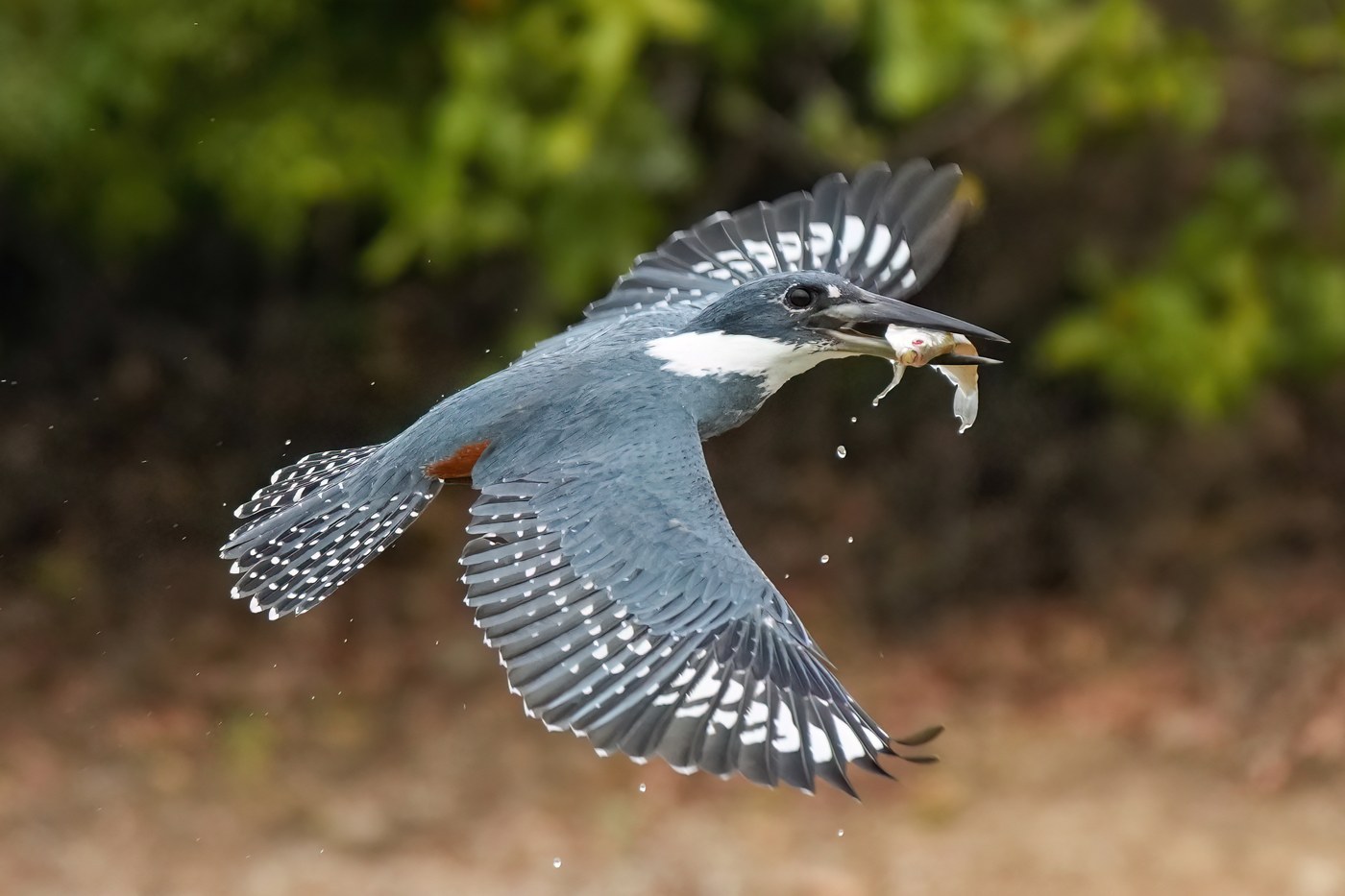
Ringed Kingfisher
Megaceryle torquata
The largest kingfisher in the Americas, a heavy-bodied bird with a shaggy crest and a loud rattling call along rivers and lakeshores.
- Feather type
- Dense, shaggy crest feathers; broad wings
- Colours
- Slate-blue-gray upperparts, rufous-chestnut underparts, white collar
- Bird size
- Crow-sized, ~40 cm
Found a feather like this?
Identify any feather from a photo, free.
Overview
Overview
The Ringed Kingfisher is the largest kingfisher in the Western Hemisphere, found from the extreme southern United States through Central America to southern South America. Its size and loud call make it conspicuous along waterways.
- Largest New World kingfisher
- Range extends from Texas to Tierra del Fuego
- Often seen perched high on wires or dead branches over water
Identifying the Feather
Feather Identification
Ringed Kingfisher feathers are large and boldly patterned.
- Head: shaggy blue-gray crest feathers, raised when alert
- Upperparts: slate blue-gray, unmarked
- Underparts: rich rufous-chestnut in males across the whole breast and belly; females show a blue-gray breast band above the rufous belly
- Collar: narrow white band around the neck
Its much larger size and heavier build separate it from the smaller Belted Kingfisher, which shares a similar blue-gray-and-white pattern but lacks the extensive rufous underparts in males.
Plumage & Molt
Plumage Details
Males have rufous-chestnut underparts from breast to belly, while females show an additional blue-gray breast band separating the white throat from the rufous belly. Juveniles resemble adults but with duller, more mottled coloring. One annual molt maintains plumage, with little seasonal change.
Habitat & Range
Habitat & Range
Ranges from the lower Rio Grande Valley in Texas through Mexico, Central America, and South America to Tierra del Fuego, inhabiting rivers, lakes, mangroves, and coastal lagoons. Most populations are resident, though some local movements occur in response to water levels.
Behavior & Field Notes
Behavior & Field Notes
This powerful kingfisher hunts fish by diving from high perches or occasionally hovering briefly before plunging into the water. It nests in long burrows excavated into steep earthen banks. Its call is a loud, harsh rattle, often given in flight and audible at a distance. Large size, heavy bill, and shaggy crest are the primary field marks separating it from smaller kingfisher species sharing its range.
Frequently asked questions
How does the Ringed Kingfisher compare in size to other American kingfishers?
It is the largest kingfisher in the Americas, notably bigger than the widespread Belted Kingfisher.
How can you tell males and females apart?
Males have solid rufous-chestnut underparts, while females show an extra blue-gray breast band above the rufous belly.
What is a key feather feature of this species?
A shaggy blue-gray crest and large, heavy body feathers combined with a bold rufous belly.
Where is the Ringed Kingfisher typically found?
Along rivers, lakes, and coastal waters from southern Texas through Central and South America.
Ringed Kingfisher guides
In-depth guides for identifying and understanding Ringed Kingfisher.
Other feathers you may enjoy

Common Cuckoo
Flight and body feathers
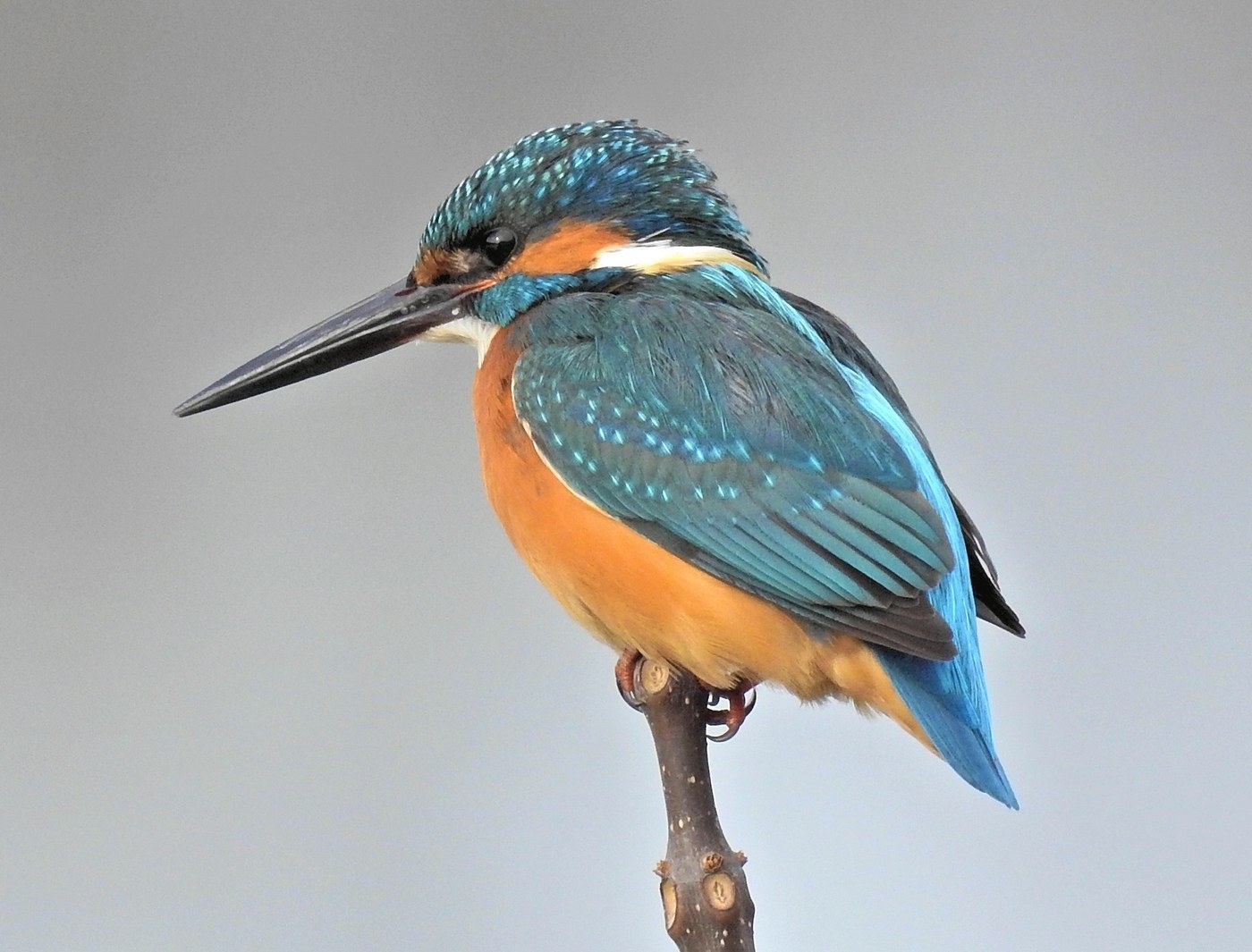
Common Kingfisher
Body (contour) and wing feathers
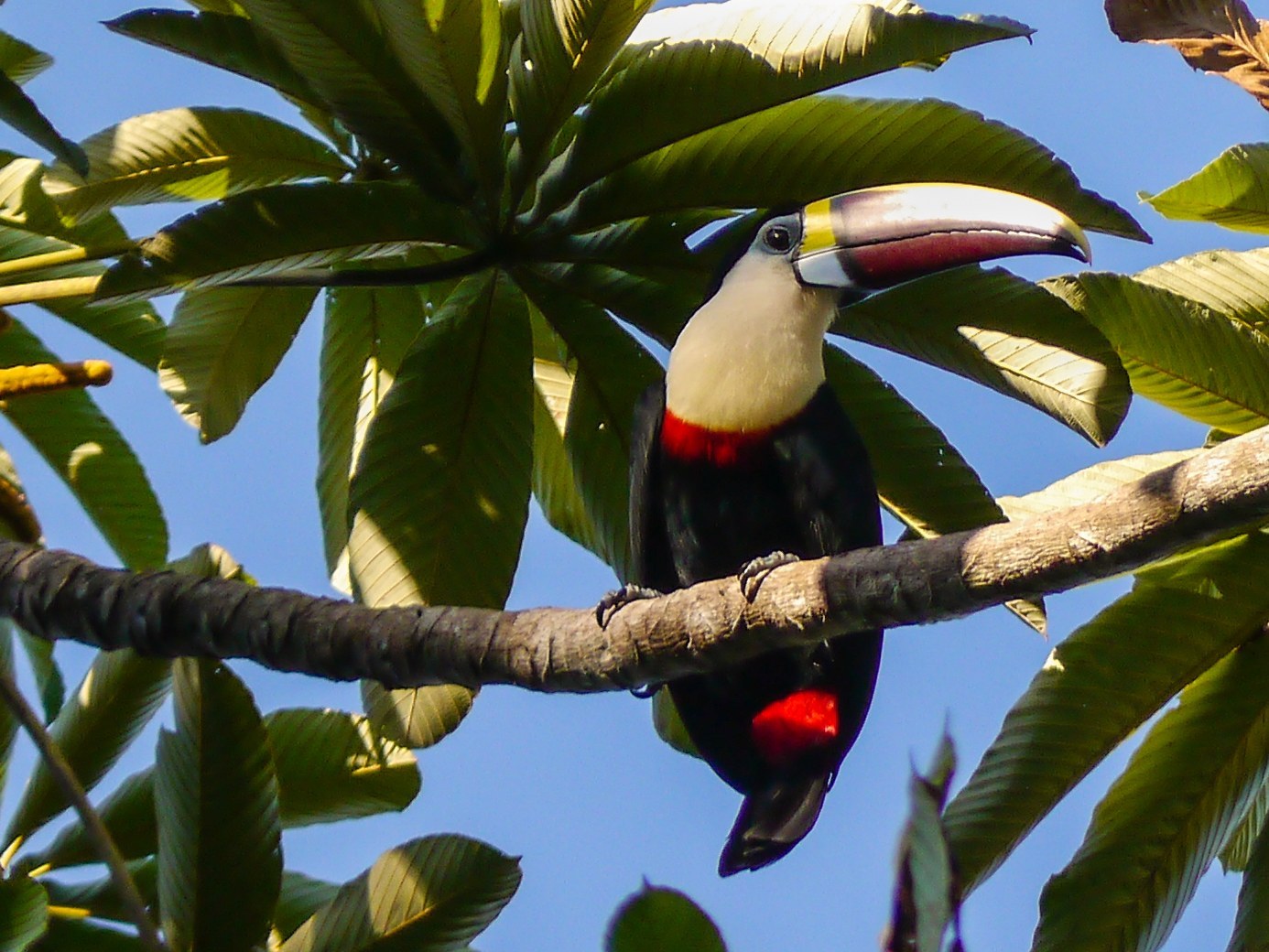
White-throated Toucan
Short rounded contour feathers, short broad wings
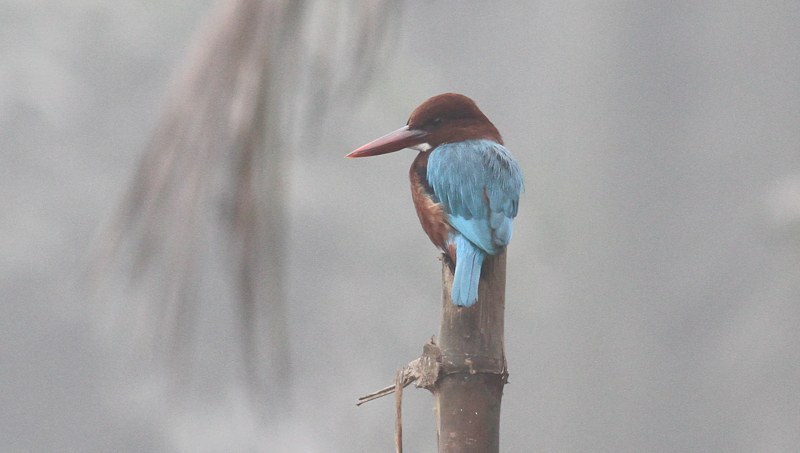
White-throated Kingfisher
Dense contour feathers; broad rounded wings

White-throated Bee-eater
Sleek, aerodynamic contour feathers; elongated central tail streamers
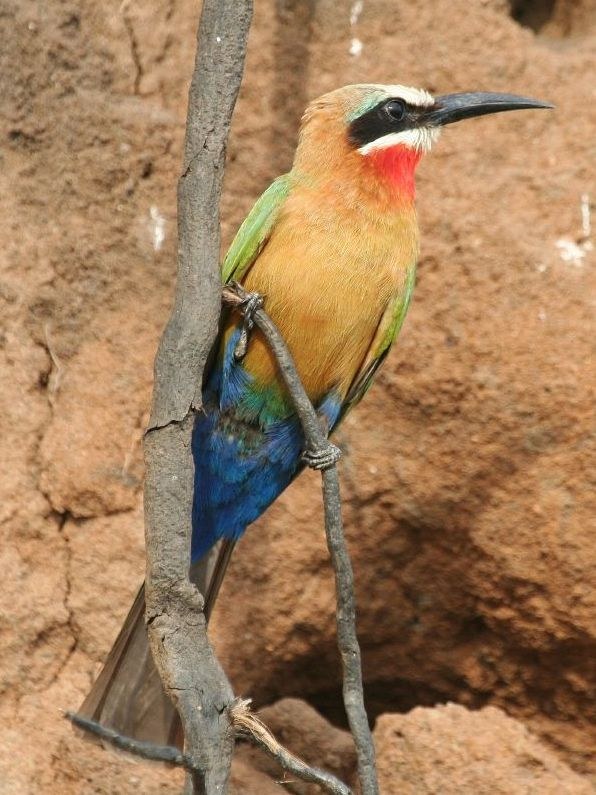
White-fronted Bee-eater
Sleek contour feathers; short tail with slight point

Southern Yellow-billed Hornbill
Slender contour feathers, moderate flight feathers
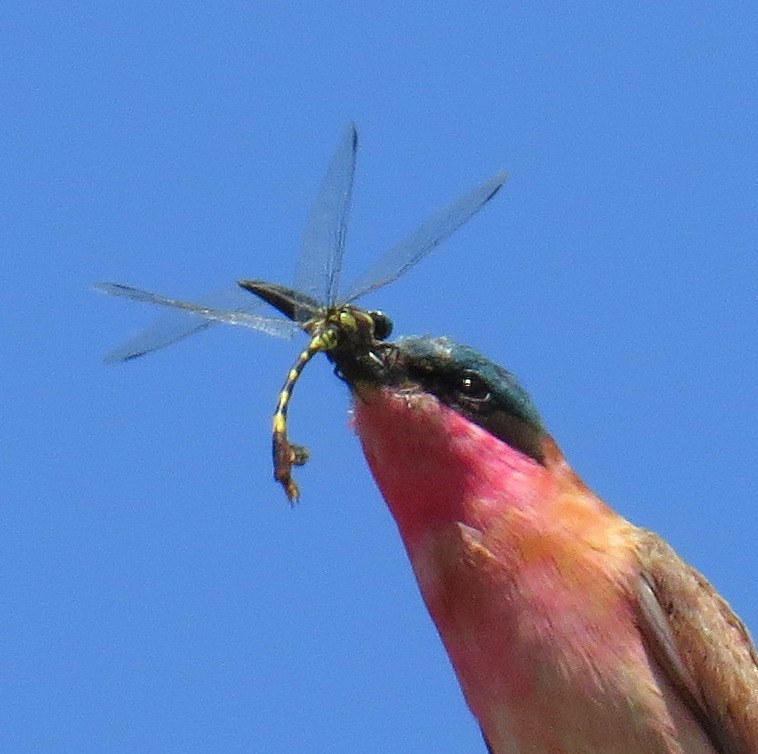
Southern Carmine Bee-eater
Sleek, pointed contour feathers; elongated central tail streamers
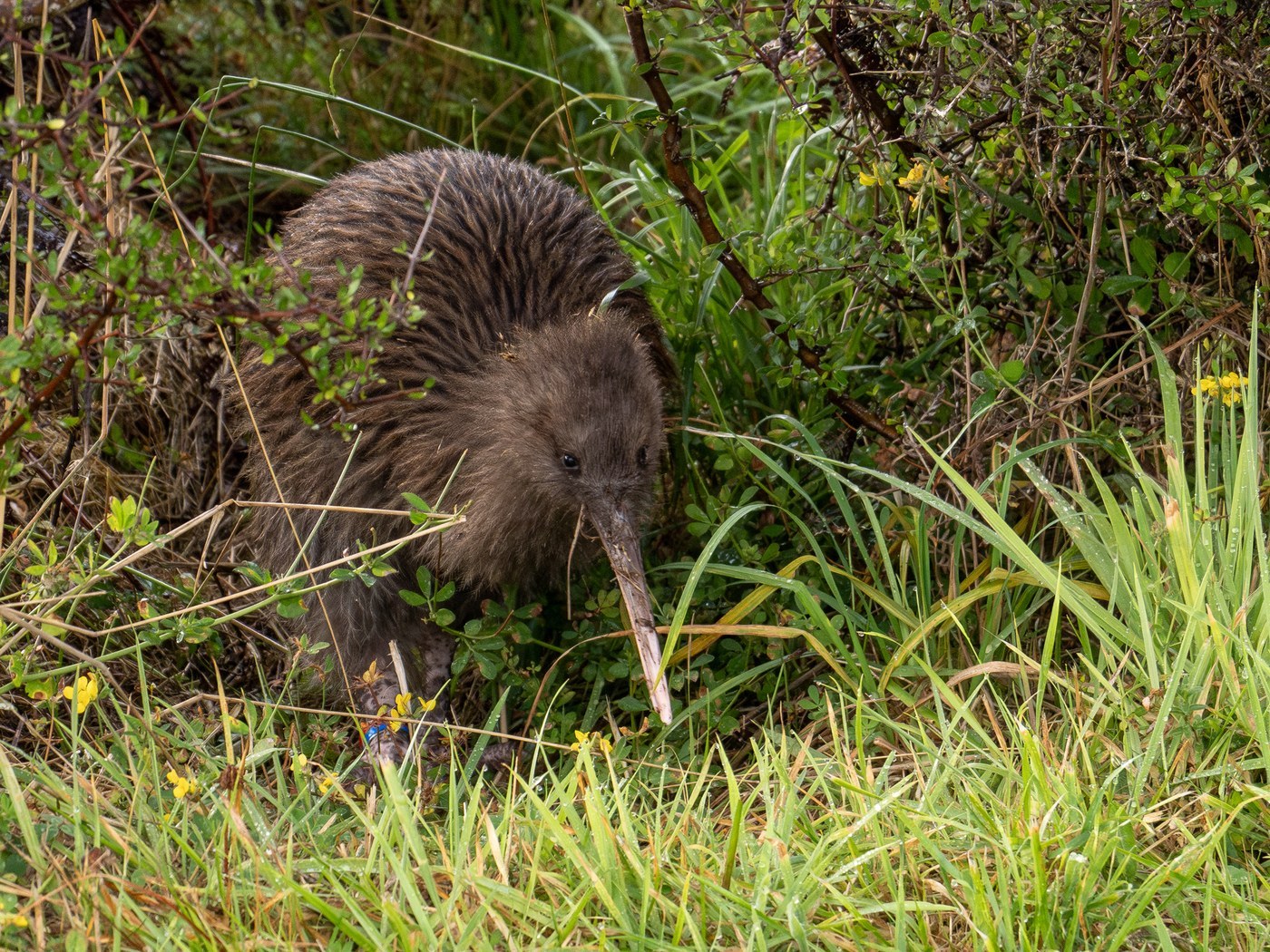
Southern Brown Kiwi
Shaggy, hair-like plumage with loose barbs lacking barbules; flightless, vestigial wings hidden beneath body feathers

Somali Ostrich
Loose, soft plumes lacking interlocking barbules

Wreathed Hornbill
Dense contour feathers, broad flight feathers

Woodland Kingfisher
Firm contour feathers; broad wing feathers