

Rock Sandpiper
Calidris ptilocnemis
The Pacific counterpart of the Purple Sandpiper, this stocky, dark shorebird forages on wave-swept rocky shores from Alaska south along the Pacific coast, its feathers showing the same somber, storm-suited coloring.
- Feather type
- Small wader contour and flight feathers
- Colours
- Dark gray upperparts with rufous-edged breeding feathers; dusky-streaked underparts
- Bird size
- Sandpiper-sized, ~20-23 cm
Found a feather like this?
Identify any feather from a photo, free.
Overview
Overview
The Rock Sandpiper is closely related to and often confused with the Purple Sandpiper, but the two species occupy separate ranges - Rock Sandpiper breeds around the Bering Sea and winters along the rocky Pacific coast of North America, while Purple Sandpiper occupies the Atlantic side.
Feathers are typically encountered on exposed, wave-battered rocky shorelines, jetties, and reefs, particularly in winter when flocks gather at traditional roost sites.
Identifying the Feather
Feather Identification
- Overall tone: dark slate-gray body feathers, similar to Purple Sandpiper, but breeding-season feathers often show slightly warmer rufous fringing on the back and scapulars.
- Underparts: dusky streaking or a dark breast patch, depending on subspecies and season, rather than clean white.
- Wing feathers: blackish with a modest white wingbar.
- Bill and leg color: while not a feather trait, the yellow-based bill and legs of live birds help confirm identification when feathers are found alongside a carcass or molt site.
- Versus Purple Sandpiper: nearly identical; range is the most reliable clue, as Rock Sandpiper is a Pacific species and Purple Sandpiper an Atlantic one, with essentially no range overlap.
Plumage & Molt
Plumage Notes
Breeding adults show a variable amount of rufous or chestnut fringing on the back feathers along with a dark patch of streaking across the upper breast; several subspecies exist across the Aleutians, Pribilofs, and Bering Sea coasts with subtle plumage variation. Nonbreeding adults are plain dark gray above and dingy pale gray below, much like Purple Sandpiper. Sexes look alike.
Juveniles show neat pale-fringed upperpart feathers that wear to a plainer gray by winter. Molt into nonbreeding plumage occurs mostly after birds settle on wintering rocky shorelines.
Habitat & Range
Habitat & Range
Rock Sandpipers breed on tundra and rocky coastal habitats around the Bering Sea, including western Alaska and far eastern Siberia. In winter, most move only short distances to rocky Pacific coastlines from the Aleutians and south-coastal Alaska down to the Pacific Northwest and parts of California, making it one of the northernmost-wintering shorebirds in North America.
Behavior & Field Notes
Behavior & Field Notes
This species forages among wet rocks, tide pools, and seaweed-covered shorelines, picking and probing for small invertebrates exposed by wave action, much like its Atlantic counterpart. It tolerates cold, exposed winter conditions better than most other shorebirds.
Nests are simple tundra scrapes near the coast. Flight calls are soft, short notes similar to those of Purple Sandpiper. Feathers found on rocky Pacific shorelines in winter, especially in Alaska and the Pacific Northwest, are a strong indicator of this species given its restricted winter range.
Frequently asked questions
How do I tell Rock Sandpiper feathers from Purple Sandpiper feathers?
The two are nearly identical in feather appearance; location is the best clue since Rock Sandpiper is confined to the Pacific coast and Purple Sandpiper to the Atlantic.
What color are Rock Sandpiper breeding feathers?
Back and scapular feathers often show rufous or chestnut fringing, paired with a dark streaked patch across the upper breast.
Where does this species spend the winter?
Mostly on rocky Pacific shorelines from the Aleutians and southern Alaska down to the Pacific Northwest and parts of California.
Do Rock Sandpipers show plumage differences across their range?
Yes, several subspecies around the Bering Sea show subtle variation in the extent of rufous fringing and breast streaking.
Is there a sex-based difference in plumage?
No, males and females look essentially alike.
Rock Sandpiper guides
In-depth guides for identifying and understanding Rock Sandpiper.

Other feathers you may enjoy
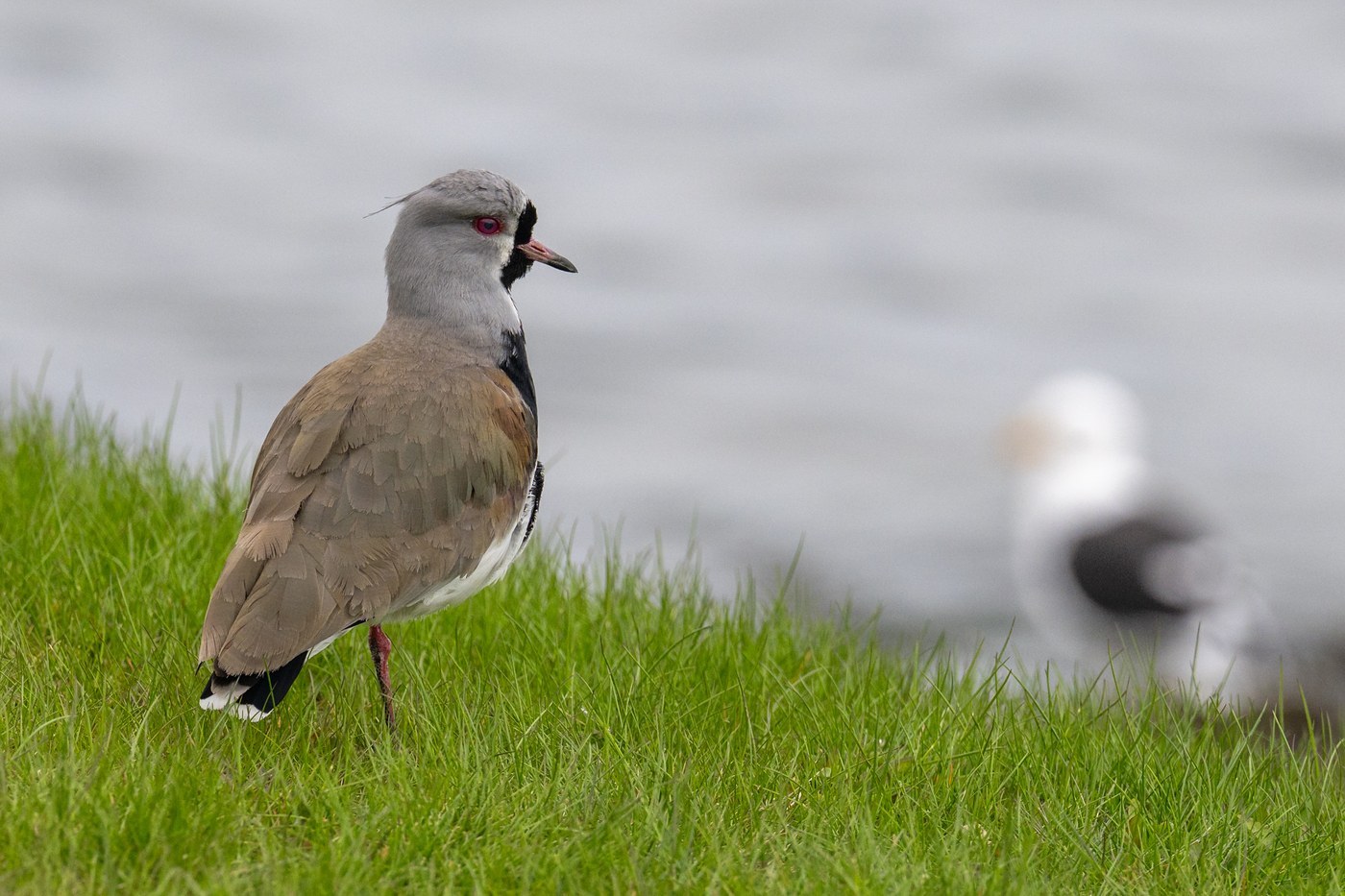
Southern Lapwing
Body, flight, and tail feathers

Jack Snipe
Body and flight feathers

Far Eastern Curlew
Body, flight, and tail feathers

Terek Sandpiper
Body and flight feathers

Wilson's Phalarope
Body and flight feathers
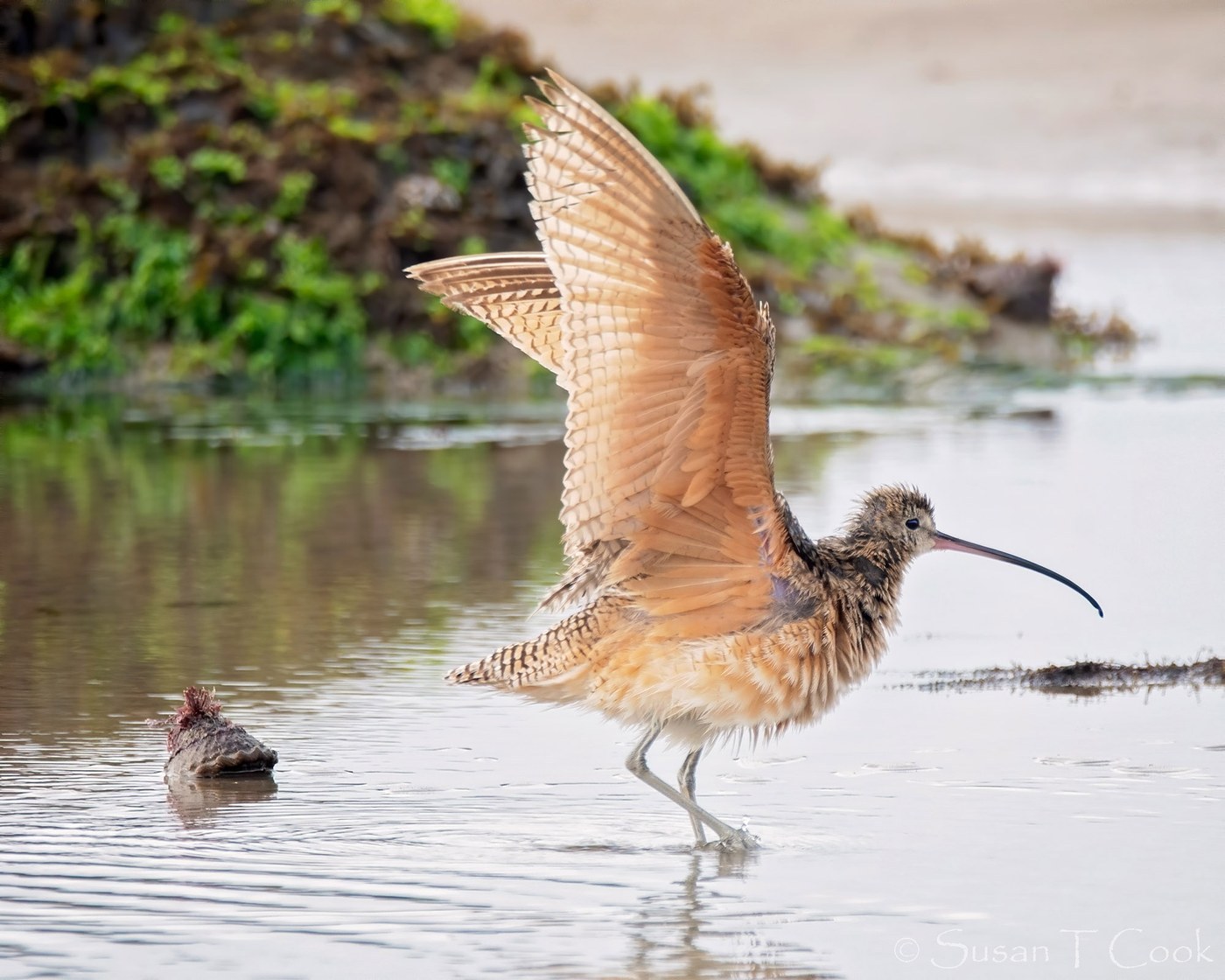
Long-billed Curlew
Body, flight, and tail feathers

Upland Sandpiper
Body, flight, and tail feathers

Red Phalarope
Body and flight feathers

Eurasian Dotterel
Body feathers
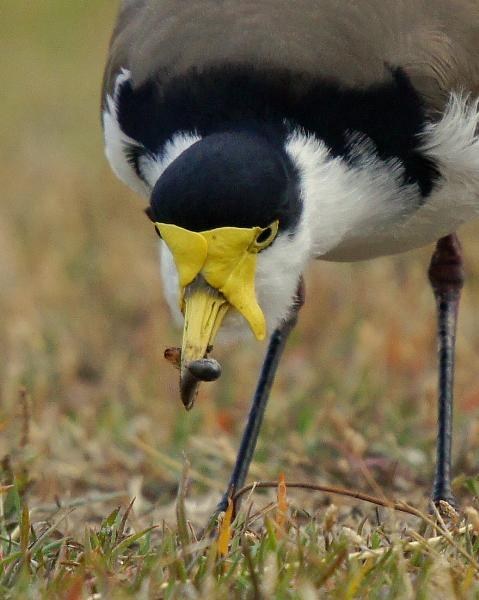
Masked Lapwing
Body, flight, and tail feathers
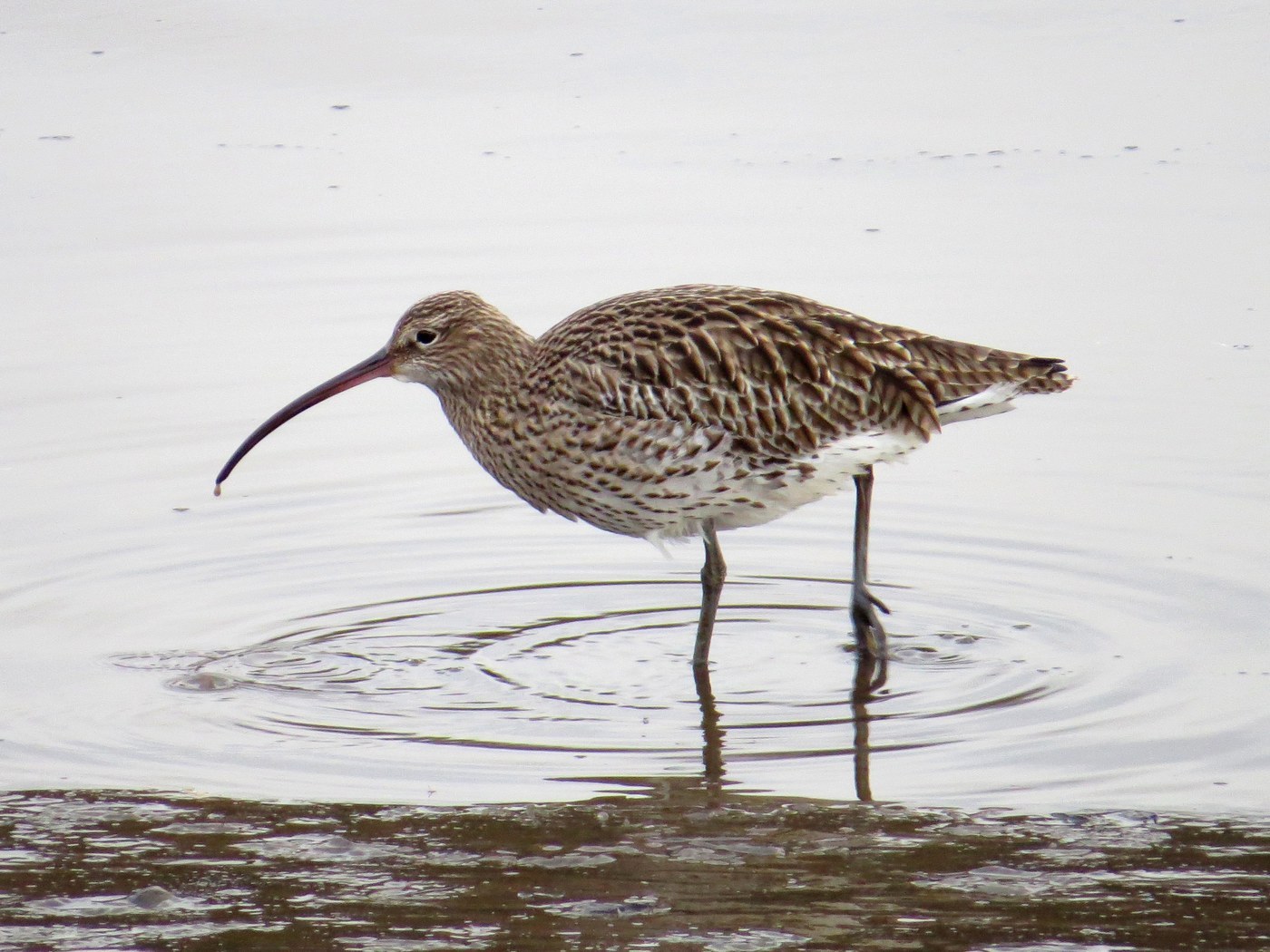
Eurasian Curlew
Body, flight, and tail feathers
Solitary Sandpiper
Contour and flight feathers