
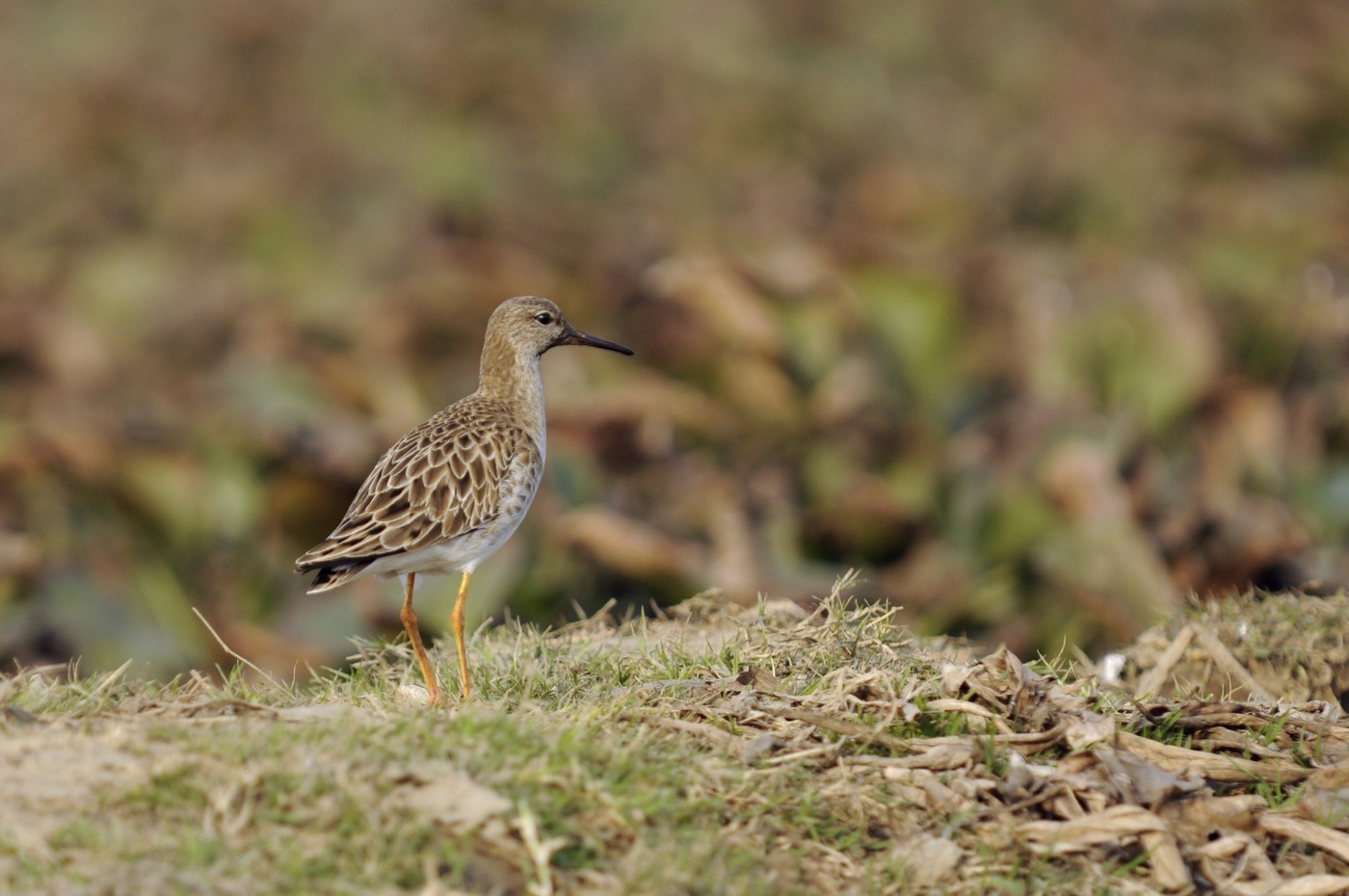
Ruff
Calidris pugnax
A shorebird famous for its extraordinary breeding-season variability, males growing elaborate, individually distinct neck ruffs and head tufts in colors ranging from black to chestnut to pure white.
- Feather type
- Medium wader contour and flight feathers
- Colours
- Highly variable breeding plumage from black to chestnut to white; plain gray-brown nonbreeding
- Bird size
- Variable, males larger (~29-32 cm), females smaller (~22-26 cm)
Found a feather like this?
Identify any feather from a photo, free.
Overview
Overview
The Ruff is one of the most unusual shorebirds in the world, named for the elaborate, colorful neck plumes males grow for an extraordinary communal courtship display known as a lek. Breeding males vary enormously in color and pattern from bird to bird, unlike almost any other wader. Females, called Reeves, are considerably smaller and lack the ornamental plumes.
Feathers - especially the ornamental neck and head plumes of breeding males - are unmistakable and unlike those of any other shorebird when found near lekking grounds in spring.
Identifying the Feather
Feather Identification
- Breeding male ruff/tuft feathers: elongated, loosely webbed plumes around the neck and ear tufts, occurring in an extraordinary range of individual colors and patterns from solid black or chestnut to barred or pure white - no two males are exactly alike.
- Body feathers: breeding males also show variably colored back and underpart feathers to match their ruff coloration.
- Nonbreeding feathers: plain grayish-brown above with pale fringes and whitish below, with both sexes looking similar and far less distinctive than in breeding males.
- Size difference: male body feathers are notably larger than female (Reeve) feathers, reflecting a pronounced size dimorphism unusual among shorebirds.
- Versus other shorebirds: the ornamental breeding plumes of males are unmistakable and unlike any feather structure found in other calidrids or related waders.
Plumage & Molt
Plumage Notes
Breeding males develop dramatically elaborate, individually variable neck ruffs and head tufts used in lek displays, in colors spanning black, chestnut, buff, white, and barred combinations; no consistent pattern links any two males. Females (Reeves) remain in a much plainer mottled brown breeding plumage without ornamental plumes and are considerably smaller.
Nonbreeding adults of both sexes molt into a plain grayish-brown plumage, losing the male's ornamental feathers entirely outside the breeding season. Juveniles resemble nonbreeding adults, with neat buff-fringed upperpart feathers, and gradually acquire adult characteristics over their first year.
Habitat & Range
Habitat & Range
Ruffs breed across wet meadows, tundra edges, and marshes of northern Europe and Siberia, gathering at traditional lekking grounds each spring. They migrate widely and winter across sub-Saharan Africa, South and Southeast Asia, and parts of Australia, favoring freshwater marshes, flooded fields, and wet grasslands over immediate coastlines.
Behavior & Field Notes
Behavior & Field Notes
Male Ruffs gather at communal lek sites each spring to perform elaborate posturing displays, competing to attract females; individual males may adopt different social strategies tied to their plumage type. Outside the breeding season, Ruffs forage in loose flocks on wet grasslands and marsh edges, taking small invertebrates.
Nests are built and tended solely by females, typically well hidden in grass away from the lek. Ruffs are largely silent, without a prominent flight call. Feathers found near known lekking grounds in spring, especially ornamental neck plumes, are a strong and unmistakable sign of this species.
Frequently asked questions
Why are Ruff feathers so variable?
Breeding males develop individually unique neck ruffs and head tufts used in competitive lek displays, resulting in an extraordinary range of colors and patterns from bird to bird.
How can you tell a male Ruff feather from a female's?
Male feathers, especially ornamental neck plumes, are larger and far more elaborate; females (Reeves) are notably smaller and lack the ornamental plumes even in breeding season.
What do Ruff feathers look like outside the breeding season?
Plain grayish-brown above with pale fringes and whitish below, in both sexes, lacking any of the male's showy breeding ornamentation.
Where would I find Ruff feathers?
Near traditional lekking grounds in spring, or on freshwater marshes and wet grasslands during migration and winter.
Do Ruffs have a distinctive call?
No, they are largely silent birds without a prominent, distinctive flight call.
Ruff guides
In-depth guides for identifying and understanding Ruff.
Other feathers you may enjoy
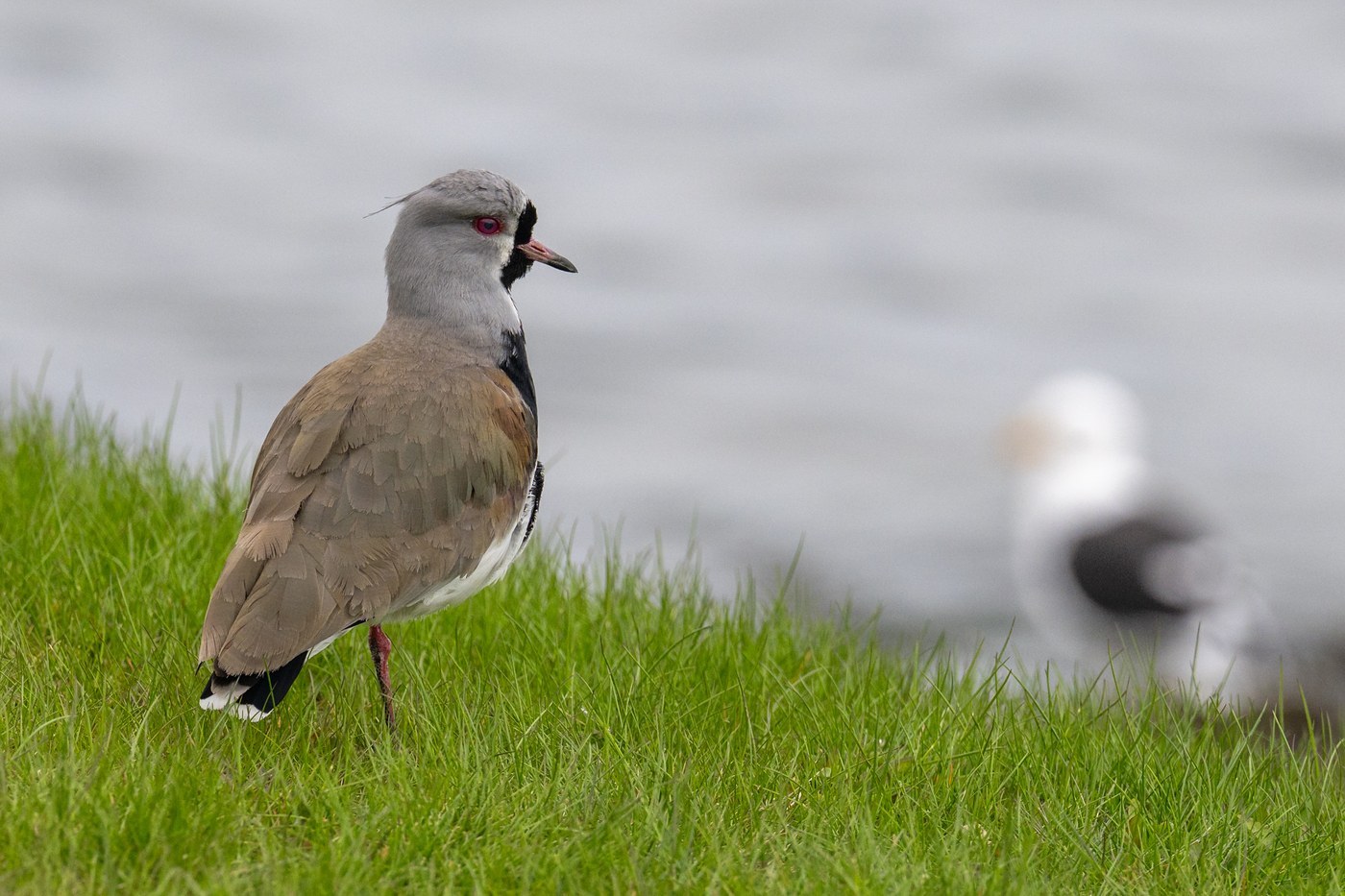
Southern Lapwing
Body, flight, and tail feathers

Jack Snipe
Body and flight feathers

Far Eastern Curlew
Body, flight, and tail feathers

Terek Sandpiper
Body and flight feathers

Wilson's Phalarope
Body and flight feathers
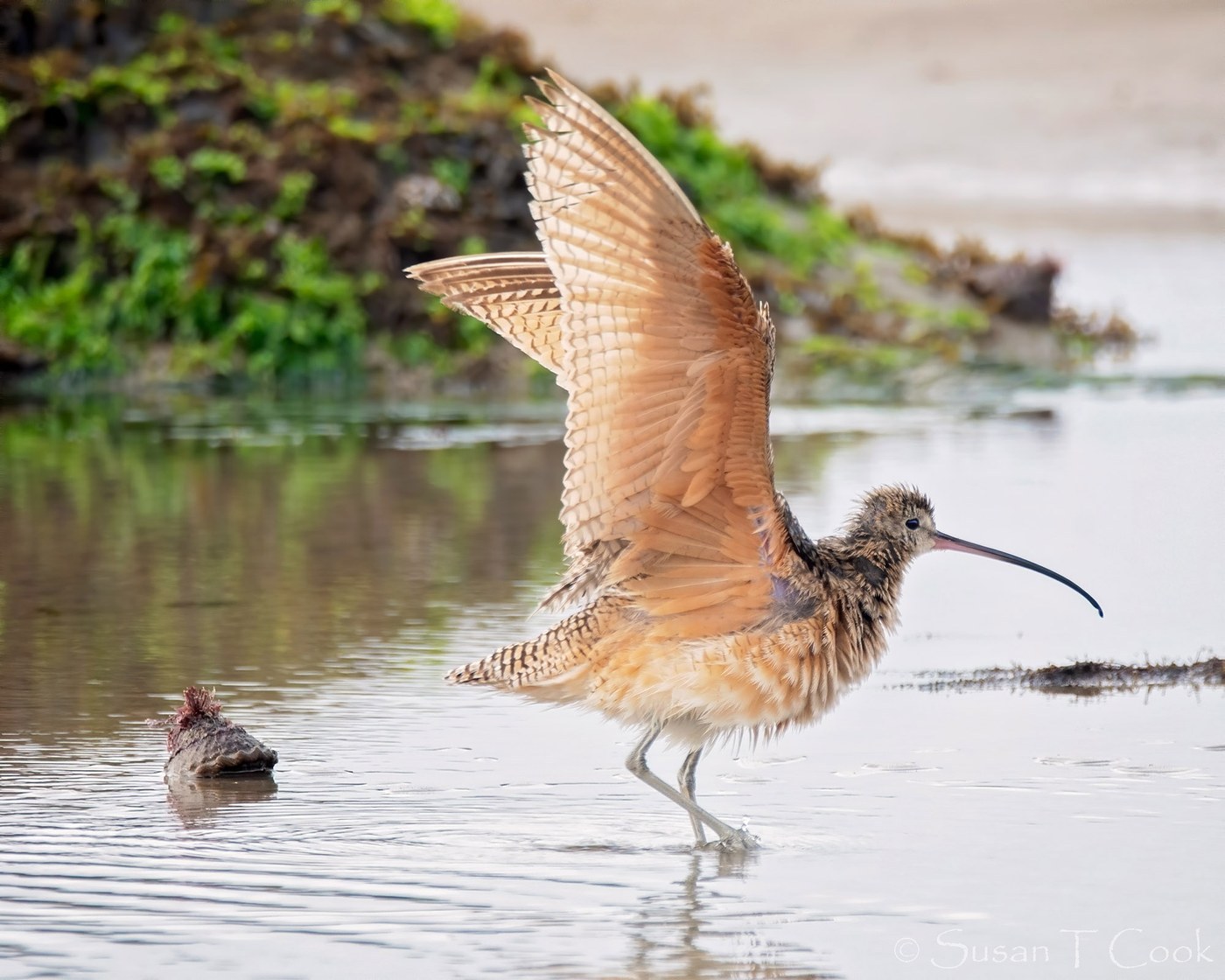
Long-billed Curlew
Body, flight, and tail feathers

Upland Sandpiper
Body, flight, and tail feathers

Red Phalarope
Body and flight feathers

Eurasian Dotterel
Body feathers
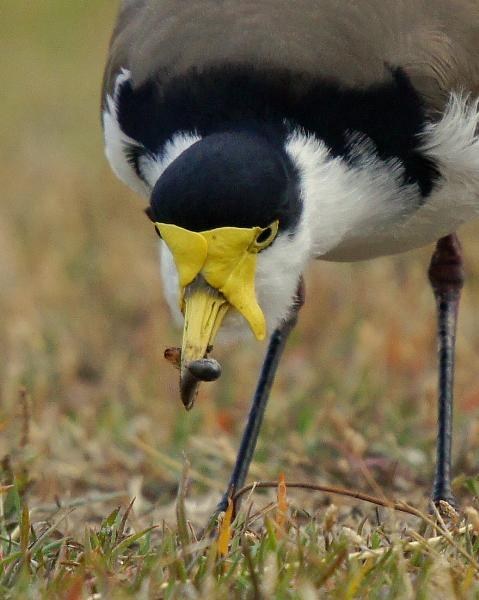
Masked Lapwing
Body, flight, and tail feathers
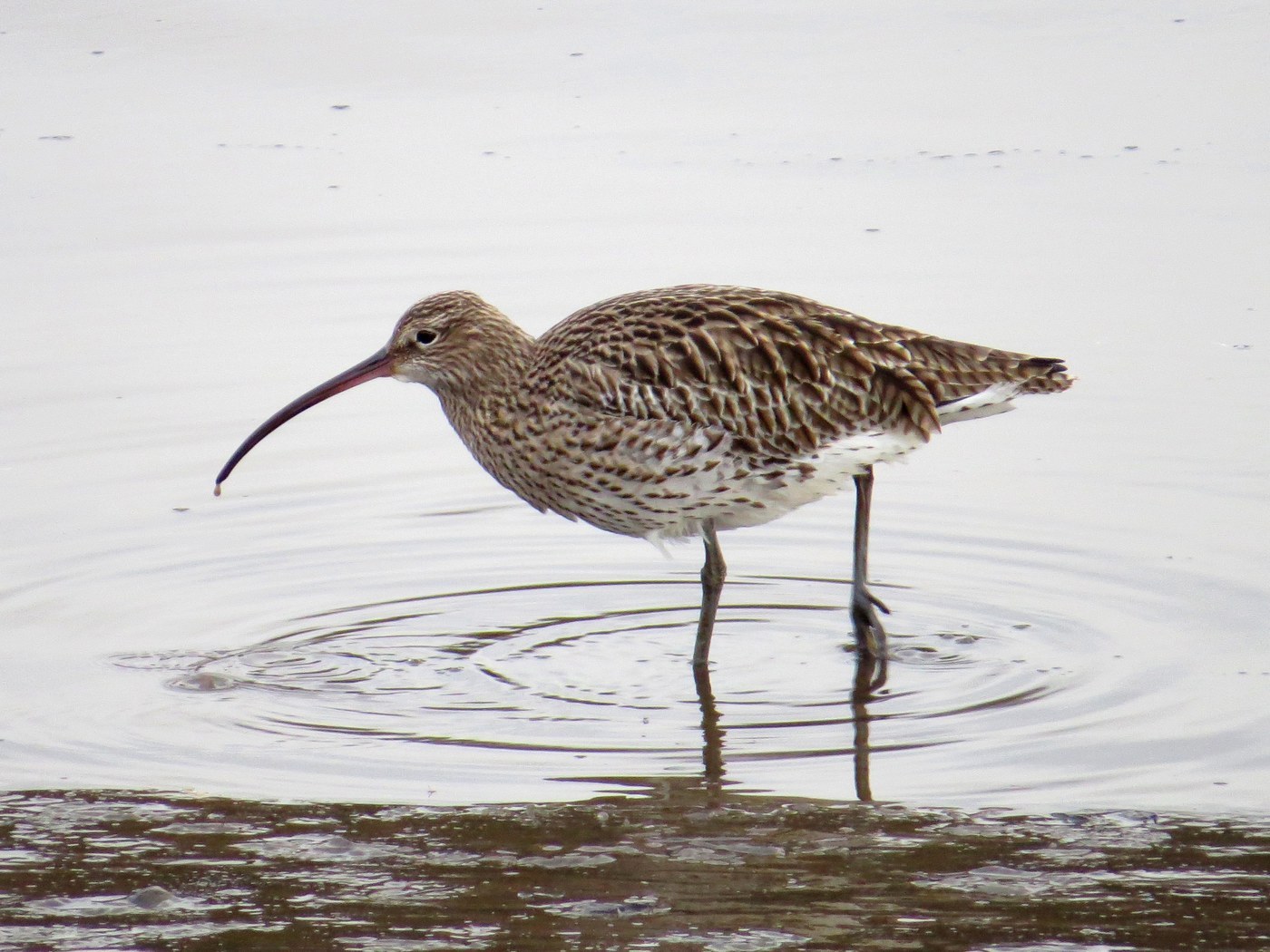
Eurasian Curlew
Body, flight, and tail feathers
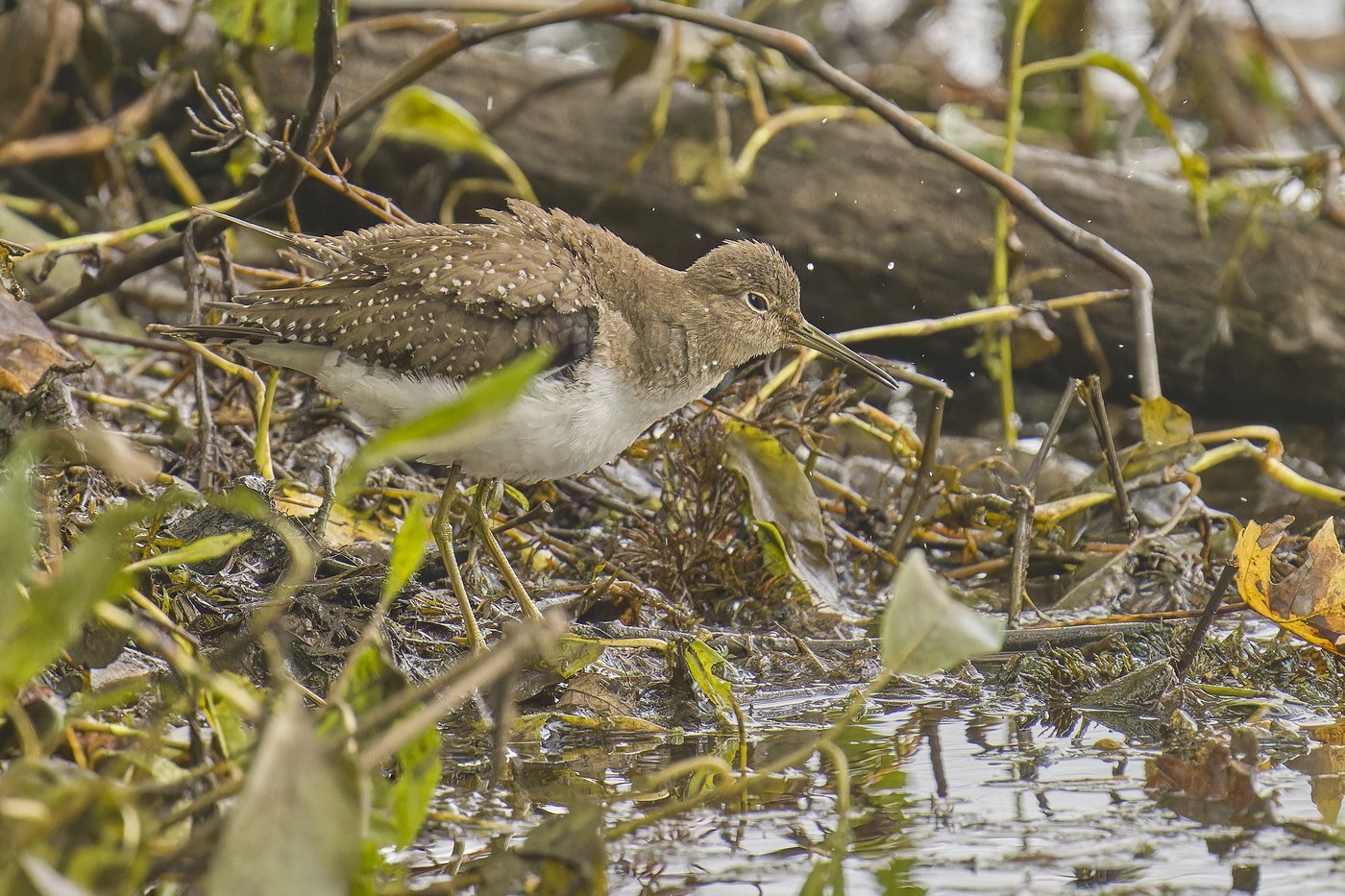
Solitary Sandpiper
Contour and flight feathers