

Ruppell's Vulture
Gyps rueppelli
A large African vulture best known for its scaly, scalloped-looking plumage created by pale-edged dark brown feathers, and famous for flying at higher altitudes than almost any other bird.
- Feather type
- Broad flight feathers; scalloped-edged body feathers; downy neck feathers
- Colours
- Dark brown body feathers with pale scaly-looking edges giving an overall mottled or scalloped pattern
- Bird size
- Large raptor, ~85-103 cm
Found a feather like this?
Identify any feather from a photo, free.
Overview
Ruppell's Vulture is a large scavenger of the African savanna and Sahel, closely related to the Griffon Vulture, and notable for holding the record for the highest confirmed flight altitude of any bird. Its body feathers each have a pale buffy edge against a dark brown center, producing a distinctive scaled or scalloped appearance across the back and underparts.
It is commonly seen soaring at great heights over savanna, often alongside White-backed and other vulture species at carcasses.
This scaly feather pattern is one of the more visually distinctive plumages among African vultures, making individual feathers relatively identifiable.
Identifying the Feather
Shape and Size
Wings are broad, tail short and rounded, in keeping with the Gyps vulture group's soaring adaptations.
Color and Pattern
- Body and covert feathers: dark brown with pale buff or whitish edges, giving a scalloped or scaly look
- Flight feathers: dark brown to blackish, less patterned than body feathers
- Neck ruff: whitish, downy
- Shafts: pale
Distinguishing from Similar Species
The scalloped, pale-edged body feather pattern is the clearest way to separate this species from the plainer brown White-backed Vulture and the more uniformly dark Lappet-faced or Cinereous Vultures.
Plumage & Molt
Adults show the characteristic scaly pale-edged brown body feathers and a whitish neck ruff; sexes look alike. Juveniles show less distinct scalloping, with more uniform dark brown feathers that develop the pale edging as they mature.
Molt is gradual, typical of large vultures with an extended feather replacement cycle.
Habitat & Range
Found across the Sahel and East African savanna, often nesting on cliffs in mountainous or escarpment areas within otherwise flat savanna landscapes.
Most populations are resident, ranging widely while foraging.
Behavior & Field Notes
Forages over vast areas of savanna at great heights, using excellent eyesight to spot carcasses, and often gathers in large numbers at kills alongside other vulture species.
Nests colonially on cliff faces. Vocalizations include hisses and grunts at feeding sites.
A dark brown, pale-scalloped body feather found on African savanna or near cliff nesting sites points strongly to this species.
Frequently asked questions
What is the clearest feather clue for this species?
A dark brown feather with pale buff or whitish scalloped edging is the most distinctive and useful clue.
How does this differ from the White-backed Vulture?
Ruppell's Vulture feathers show pale scalloped edges across the body, while White-backed Vulture body feathers are plainer brown, with white restricted mainly to the lower back.
Is this the highest-flying bird known?
Yes, this species holds the record for the highest confirmed flight altitude of any bird, though this does not directly affect feather appearance.
Where does this species nest?
On cliff faces, often in colonies, within otherwise open Sahel or East African savanna habitat.
Ruppell's Vulture guides
In-depth guides for identifying and understanding Ruppell's Vulture.

Other feathers you may enjoy

Australian Hobby
Long, narrow pointed flight feathers; slender tail feathers

California Condor
Massive flight feathers; long broad primaries; large tail feathers

Brown Falcon
Broad, rounded flight feathers; variable-toned contour feathers
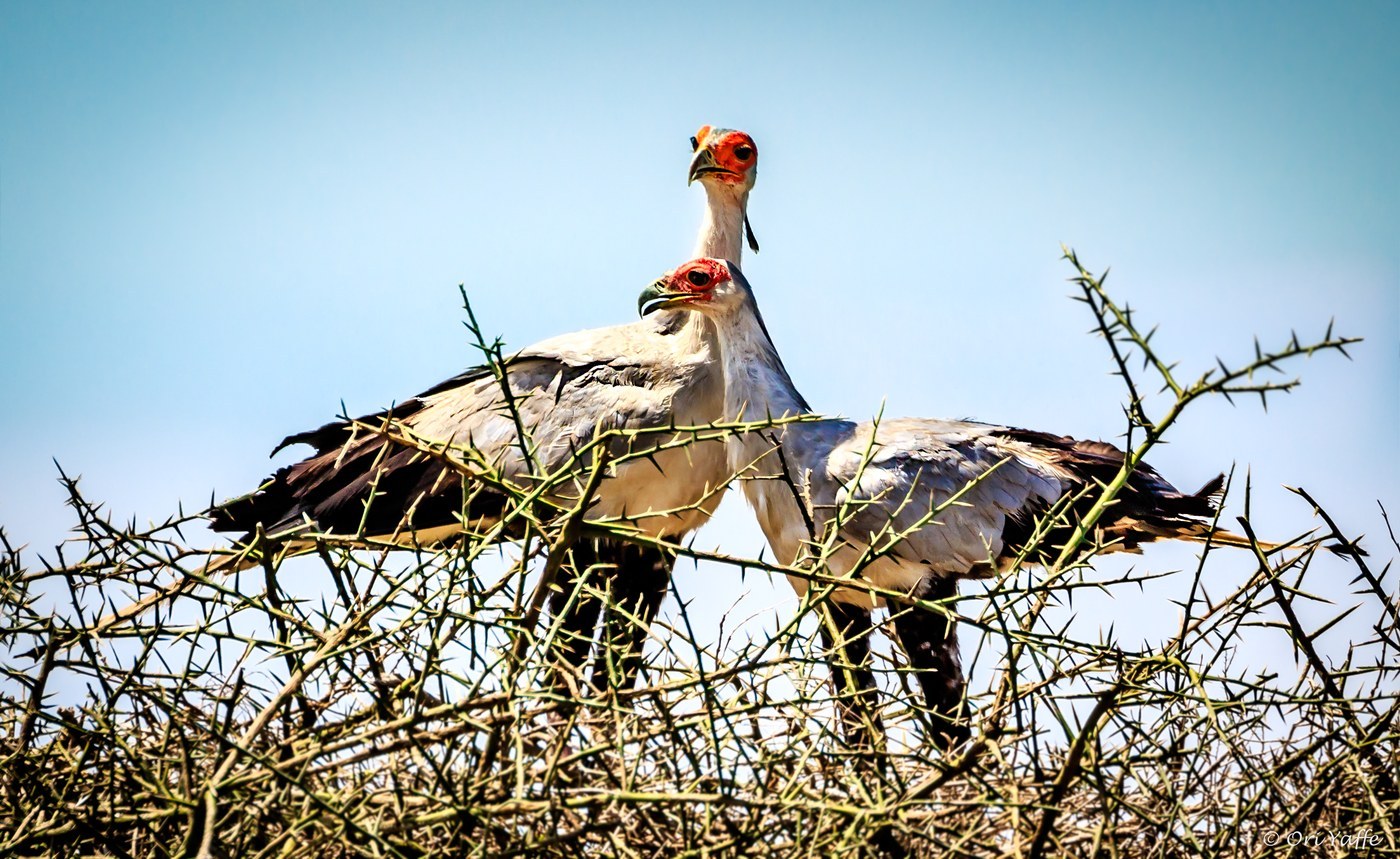
Secretarybird
Long crest feathers; broad flight feathers; elongated central tail feathers

Orange-breasted Falcon
Broad-based pointed flight feathers; bold breast and belly feathers
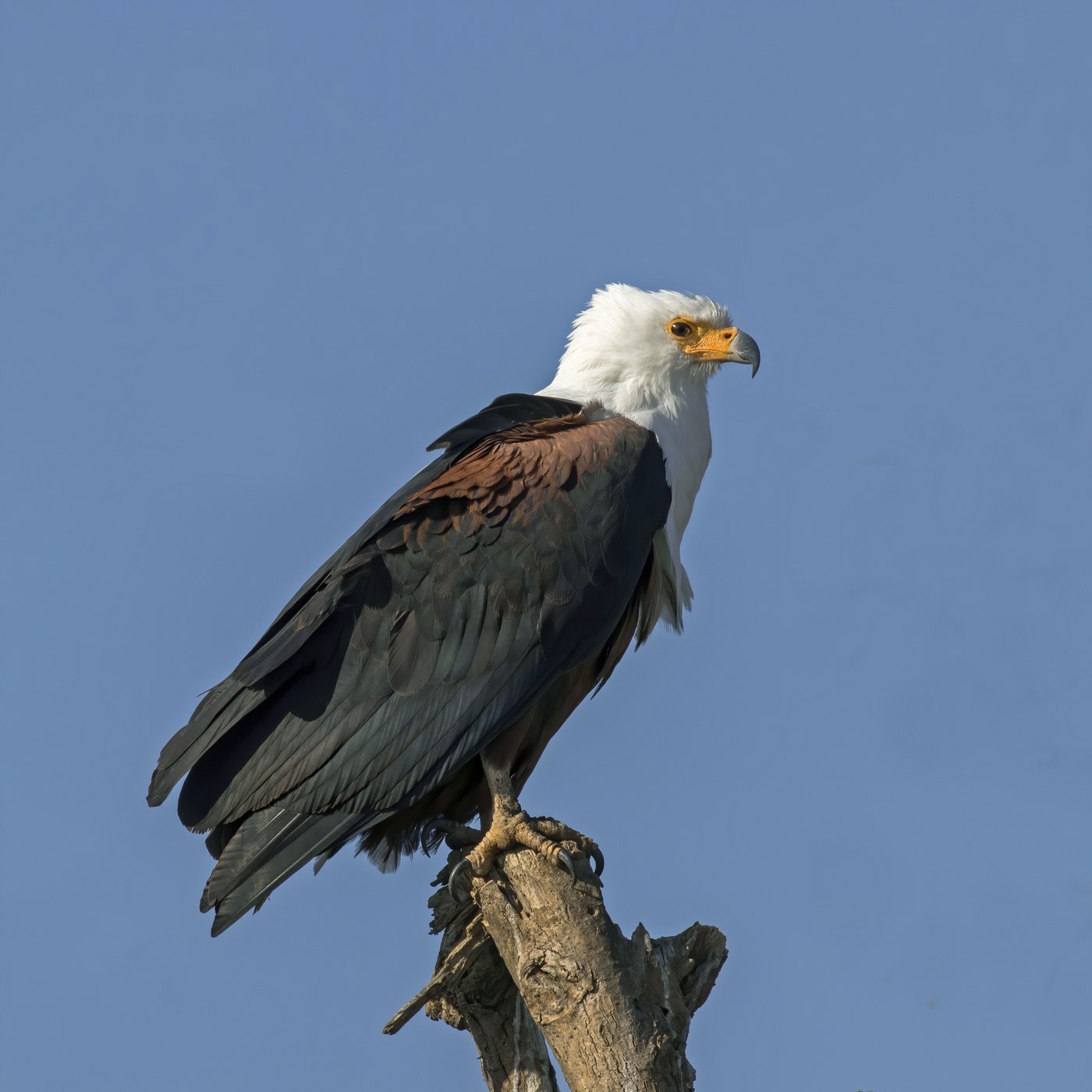
African Fish Eagle
Flight, tail, and body feathers

Amur Falcon
Slender pointed flight feathers; soft slate or orange-buff contour feathers
Red Kite
Flight (wing) and tail feathers
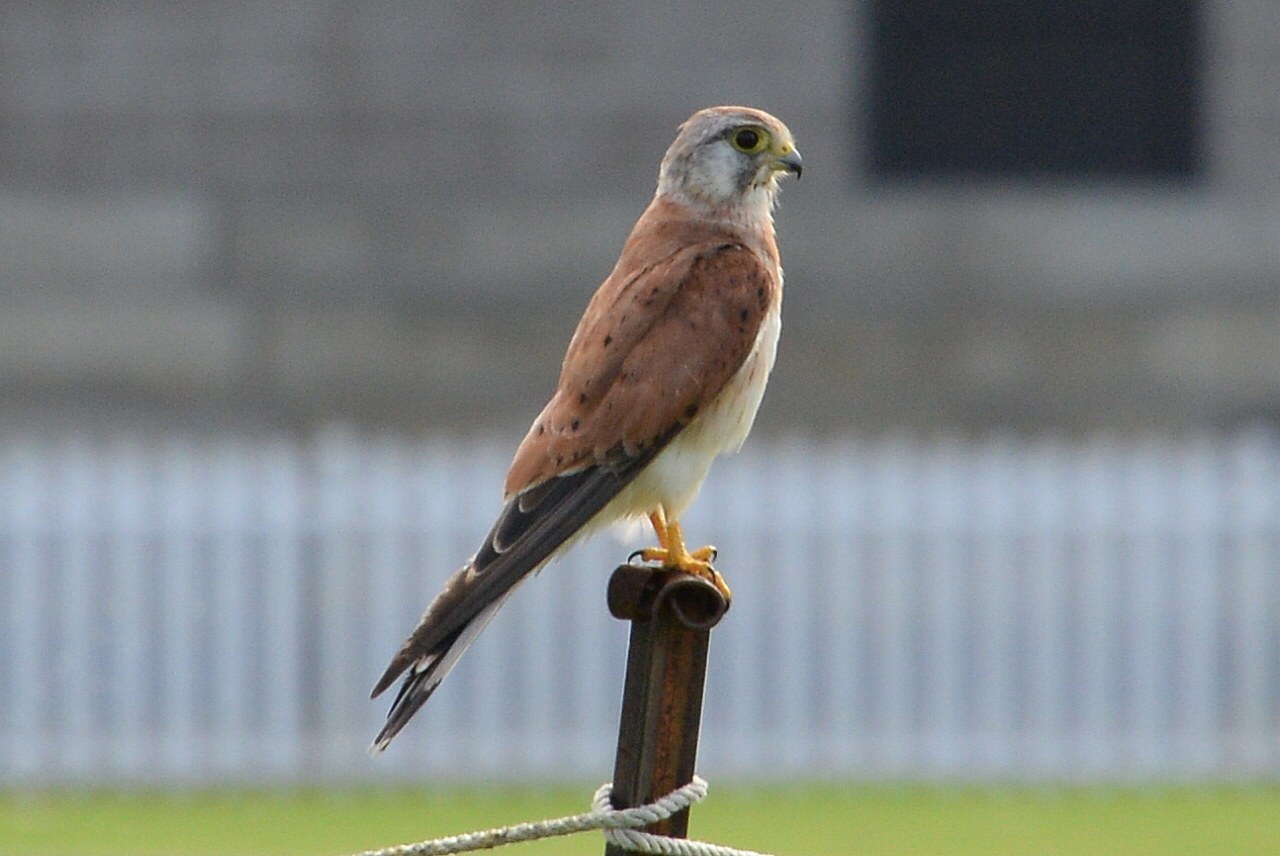
Nankeen Kestrel
Slim pointed flight feathers; lightly marked contour feathers

Andean Condor
Massive flight feathers; broad primaries and secondaries; sturdy tail feathers

Plumbeous Forest Falcon
Short rounded flight feathers; finely barred tail feathers

Sooty Falcon
Long pointed flight feathers; slim tail feathers