

Russet-crowned Motmot
Momotus mexicanus
Found in dry forest of western Mexico, the Russet-crowned Motmot shows a warm rufous-brown crown against green body plumage and a slow-swinging racket tail.
- Feather type
- Dense contour feathers with elongated, racket-tipped central tail feathers
- Colours
- Green body, rufous-brown crown, blackish eye mask, turquoise-tinged flight feathers
- Bird size
- Jay-sized, ~35-38 cm including tail
Found a feather like this?
Identify any feather from a photo, free.
Overview
The Russet-crowned Motmot inhabits dry tropical forest and scrub in western Mexico, where it perches quietly in shaded understory or forest edge. Like other motmots, it draws attention mainly through its distinctive tail motion rather than loud vocal activity, and its warm-toned crown sets it apart from closely related green motmots.
Identifying the Feather
The crown feathers are a warm rufous-brown, lacking the blue crown patch seen in some related motmots, and this color contrasts with green back and wing feathers. The tail is graduated with a long central pair ending in bare-shafted racket tips, identical in structure to other motmots. A blackish mask crosses through the eye, bordered narrowly by a thin blue line of feathers in some individuals. Flight feathers are green with a faint turquoise wash, shorter and less showy than the tail. Isolated crown feathers showing rufous-brown rather than blue or black are a useful clue for separating this species from other Momotus motmots.
Plumage & Molt
Sexes are similar in plumage. Immature birds have a shorter tail lacking fully formed racket tips and a duller, less saturated crown color. As with other motmots, the racket tip forms gradually through feather wear following molt rather than growing in that shape directly.
Habitat & Range
This species is largely restricted to dry tropical forest, thorn scrub, and forest edge in western and central Mexico. It is a non-migratory resident, occupying stable home ranges year-round.
Behavior & Field Notes
Russet-crowned Motmots take large insects and other small prey in short sallies from a perch, and excavate nest burrows into earthen banks. Their calls are low, hooting or clucking notes. The characteristic tail-swinging motion is displayed when the bird is alert, a trait shared across the motmot family.
Frequently asked questions
What feather feature identifies this species among motmots?
A warm rufous-brown crown rather than a blue crown patch, combined with the typical racket-tipped motmot tail.
What kind of habitat does it prefer?
Dry tropical forest, thorn scrub, and forest edge, generally drier habitat than many other motmots.
Does it form the racket tail immediately after fledging?
No, immatures have shorter tails without fully developed racket tips, which form gradually with feather wear.
Is it migratory?
No, it is a year-round resident within its western Mexican range.
Russet-crowned Motmot guides
In-depth guides for identifying and understanding Russet-crowned Motmot.

Other feathers you may enjoy

Common Cuckoo
Flight and body feathers
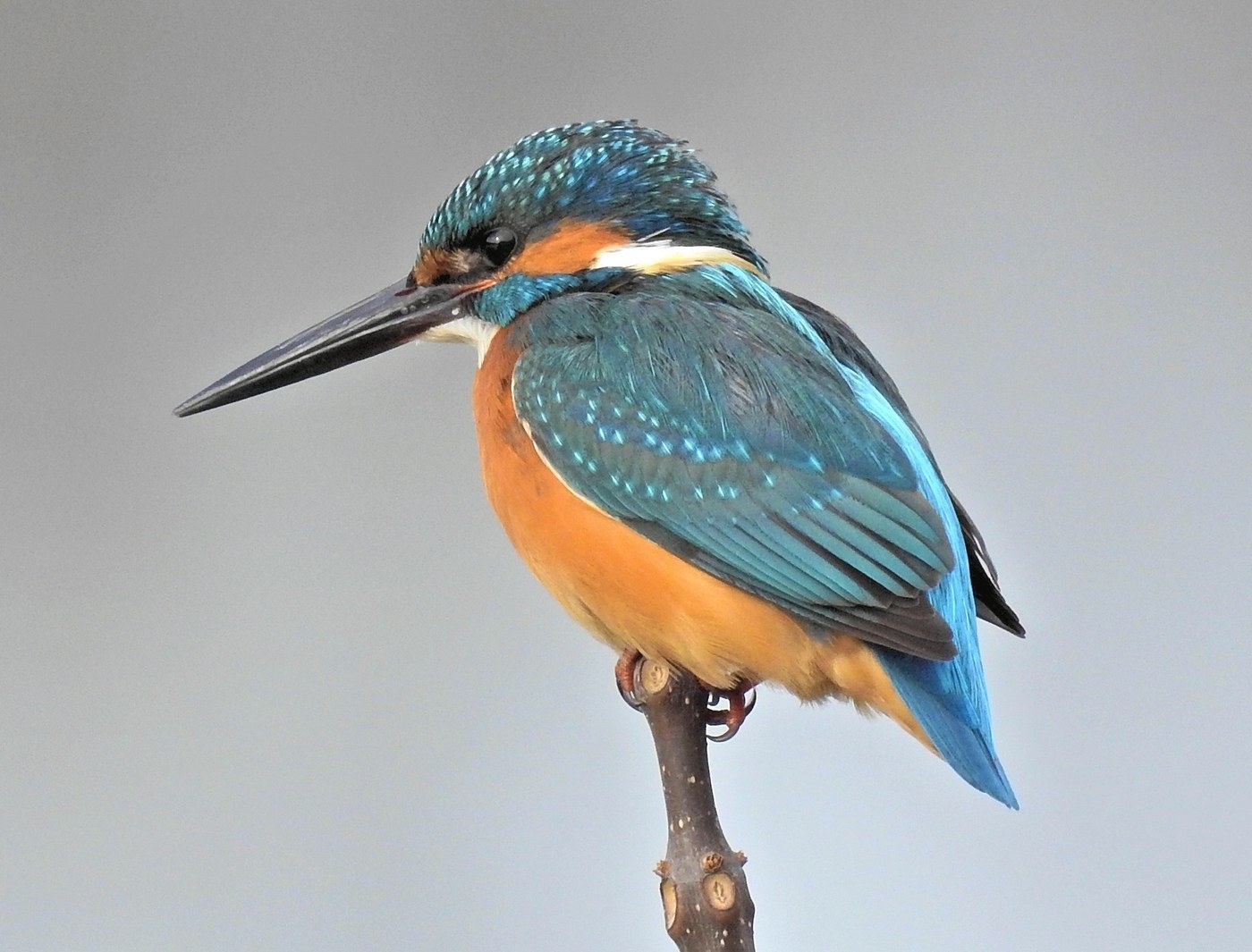
Common Kingfisher
Body (contour) and wing feathers
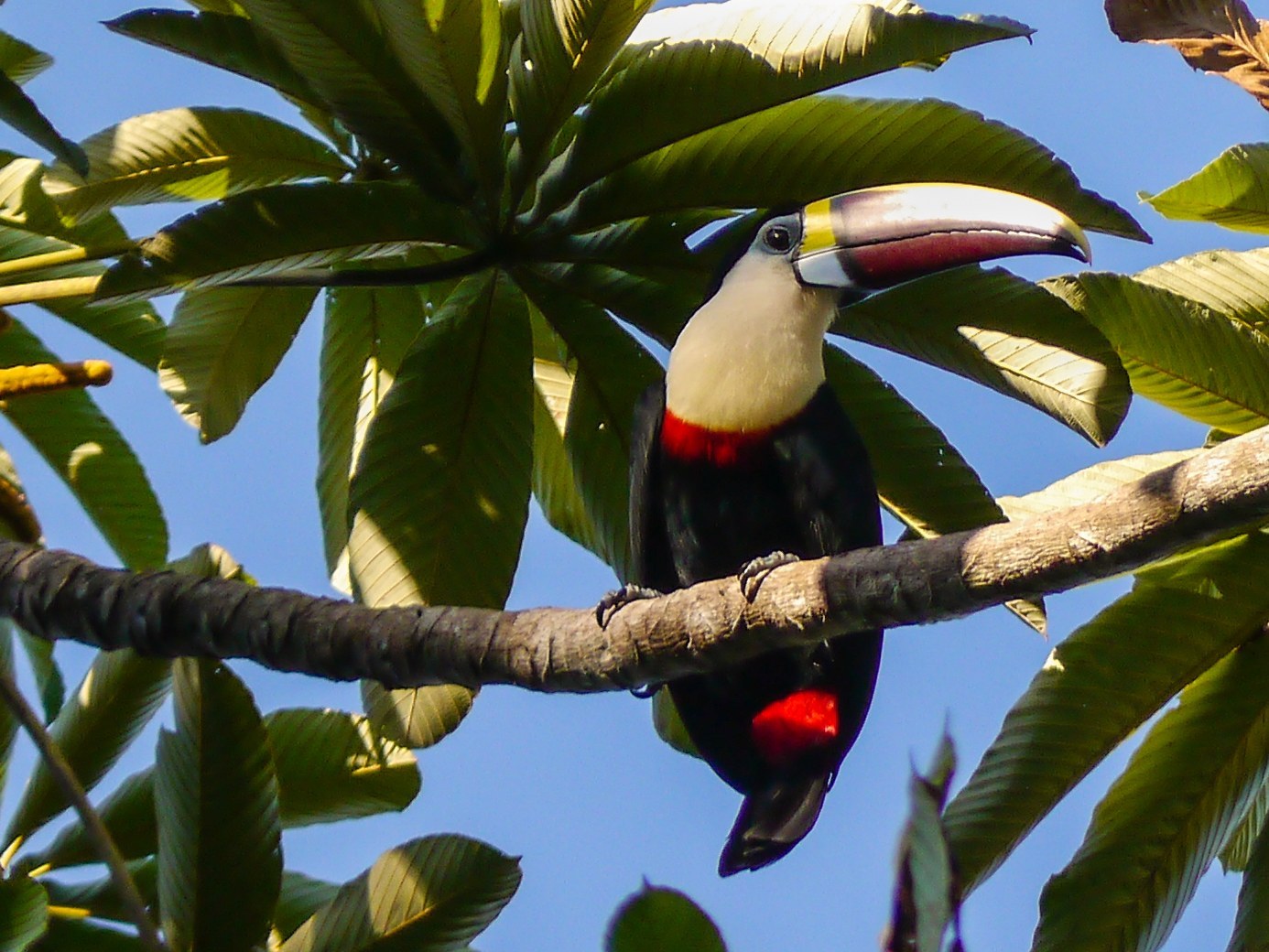
White-throated Toucan
Short rounded contour feathers, short broad wings
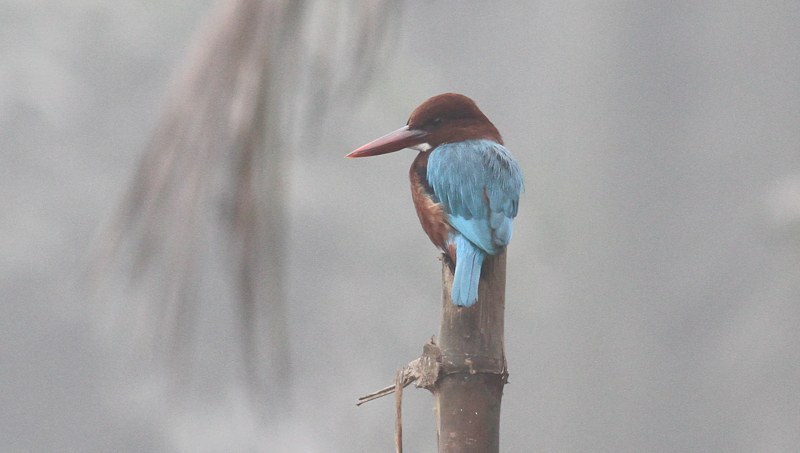
White-throated Kingfisher
Dense contour feathers; broad rounded wings

White-throated Bee-eater
Sleek, aerodynamic contour feathers; elongated central tail streamers
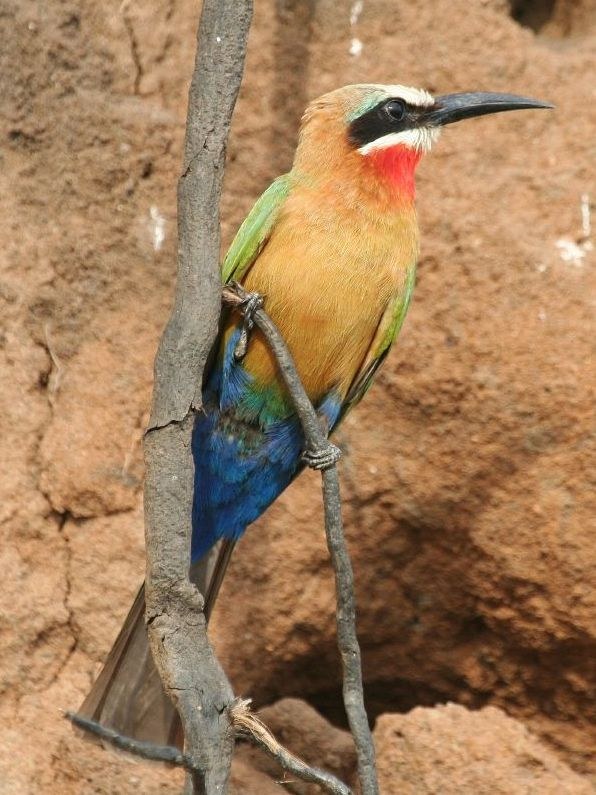
White-fronted Bee-eater
Sleek contour feathers; short tail with slight point

Southern Yellow-billed Hornbill
Slender contour feathers, moderate flight feathers
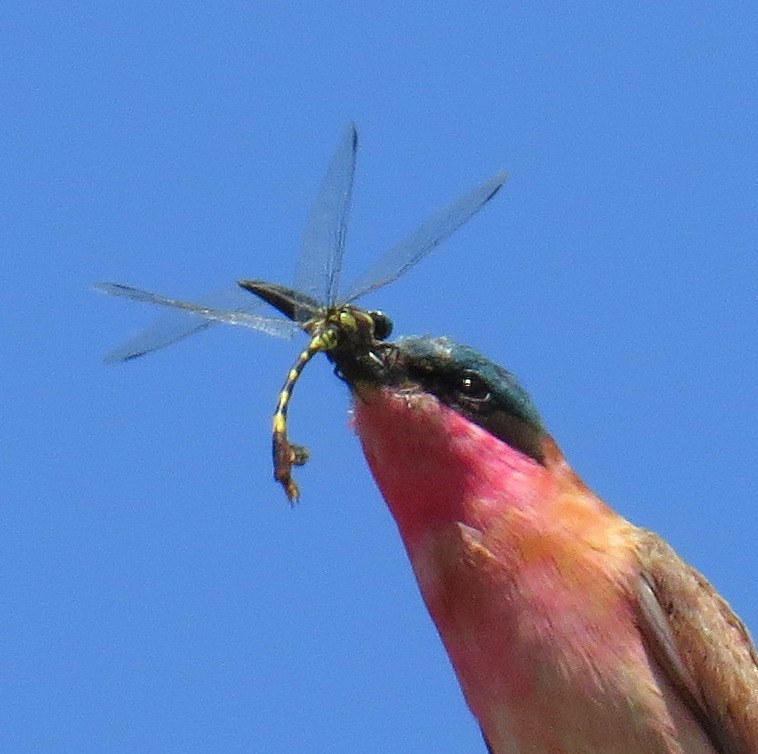
Southern Carmine Bee-eater
Sleek, pointed contour feathers; elongated central tail streamers
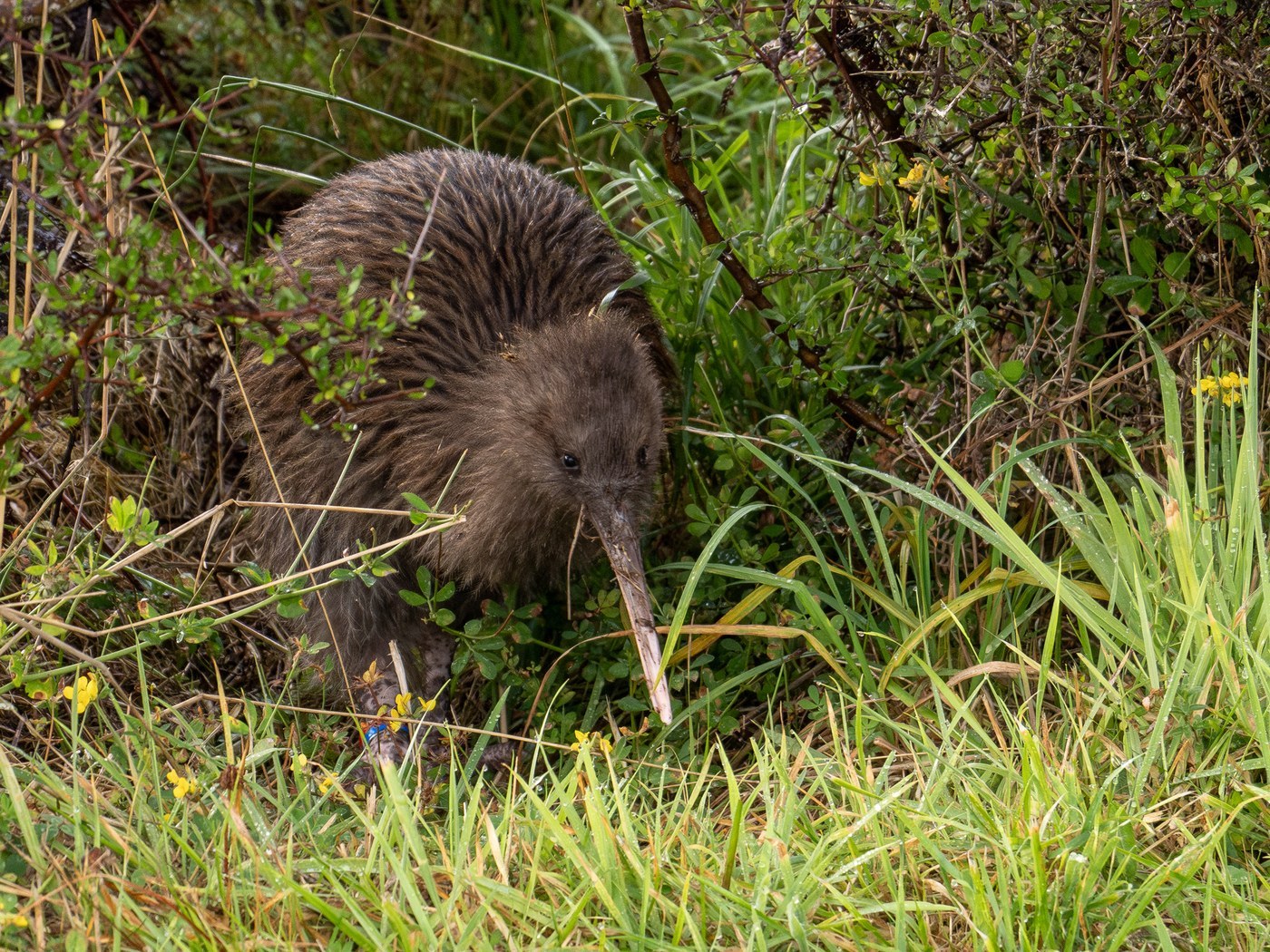
Southern Brown Kiwi
Shaggy, hair-like plumage with loose barbs lacking barbules; flightless, vestigial wings hidden beneath body feathers

Somali Ostrich
Loose, soft plumes lacking interlocking barbules

Wreathed Hornbill
Dense contour feathers, broad flight feathers

Woodland Kingfisher
Firm contour feathers; broad wing feathers