

Sacred Kingfisher
Todiramphus sanctus
A quietly colored kingfisher of Australia and New Zealand, its blue-green upperparts easily overlooked until it darts from a perch.
- Feather type
- Compact contour feathers; short rounded wings
- Colours
- Turquoise-green back, buff-white underparts, dark eye-stripe
- Bird size
- Robin-sized, ~22 cm
Found a feather like this?
Identify any feather from a photo, free.
Overview
Overview
The Sacred Kingfisher is widespread across Australia, New Zealand, and parts of the southwest Pacific, occupying a range of wooded and coastal habitats. Its Māori and Aboriginal cultural associations reflect its long-standing presence in the region's ecosystems.
- Widely distributed across Australasia
- Some populations migrate seasonally between Australia and New Guinea
- Often the only kingfisher present away from major rivers
Identifying the Feather
Feather Identification
Sacred Kingfisher feathers show muted but distinct blue-green tones.
- Crown and back: dull turquoise-green feathers, less iridescent than tropical relatives
- Underparts: buff to whitish, sometimes with a light orange wash
- Head pattern: dark eye-stripe bordered by a paler buff collar
- Tail: greenish-blue, moderately short and squared
Compared with brighter tropical kingfishers, Sacred Kingfisher feathers appear more subdued and olive-tinged, aiding separation from vividly cobalt species.
Plumage & Molt
Plumage Details
Sexes are similar, though females can show slightly duller, more buff-washed underparts. Juveniles have scaly-edged feathers on the breast and duller upperparts. There is a single annual molt, with no major seasonal plumage shift beyond feather wear reducing the green sheen before replacement.
Habitat & Range
Habitat & Range
Occurs across Australia, New Zealand, and islands of the southwest Pacific in woodland, mangroves, farmland, and coastal scrub. Southern breeding populations in Australia and New Zealand are migratory, wintering in New Guinea and nearby islands, while some populations are resident.
Behavior & Field Notes
Behavior & Field Notes
This kingfisher takes a broad diet of insects, small reptiles, and crustaceans, often hunting well away from water in dry woodland or mangroves. It nests in tree hollows, termite mounds, or earthen banks. Its call is a repetitive, harsh "kek-kek-kek" given from a perch. Migratory individuals undertake notable overwater journeys between Australasia and New Guinea each year.
Frequently asked questions
Is the Sacred Kingfisher tied to water like other kingfishers?
Not necessarily; it often hunts insects and reptiles in dry woodland and mangroves far from rivers or lakes.
Does this species migrate?
Some southern Australian and New Zealand populations migrate to New Guinea and nearby islands for winter, while others remain resident.
How can you tell it from more brightly colored kingfishers?
Its feathers show a duller, more olive-tinged turquoise-green rather than the vivid cobalt seen in some relatives.
Where does it nest?
In tree hollows, termite mounds, or burrows dug into earthen banks.
Sacred Kingfisher guides
In-depth guides for identifying and understanding Sacred Kingfisher.

Other feathers you may enjoy

Common Cuckoo
Flight and body feathers
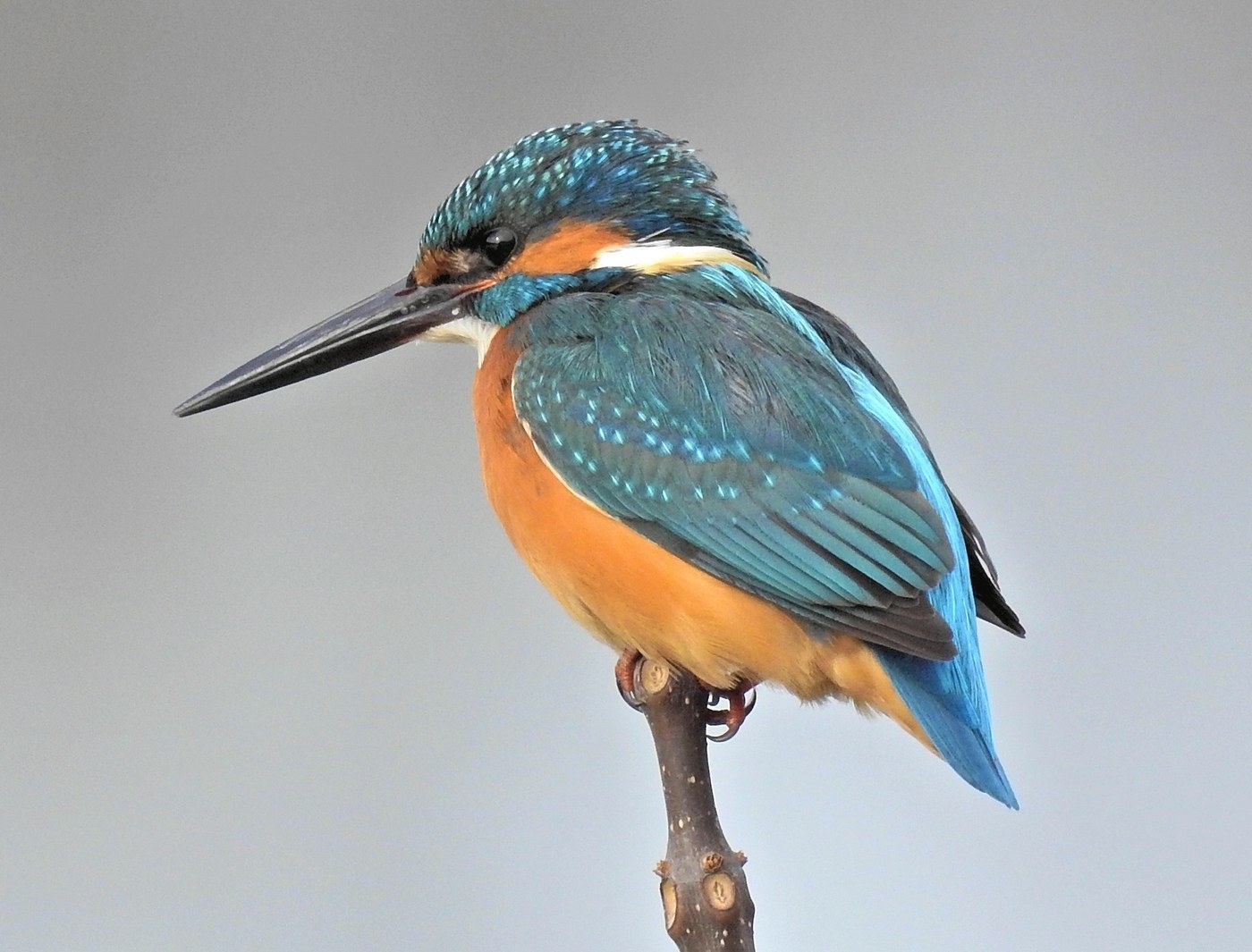
Common Kingfisher
Body (contour) and wing feathers
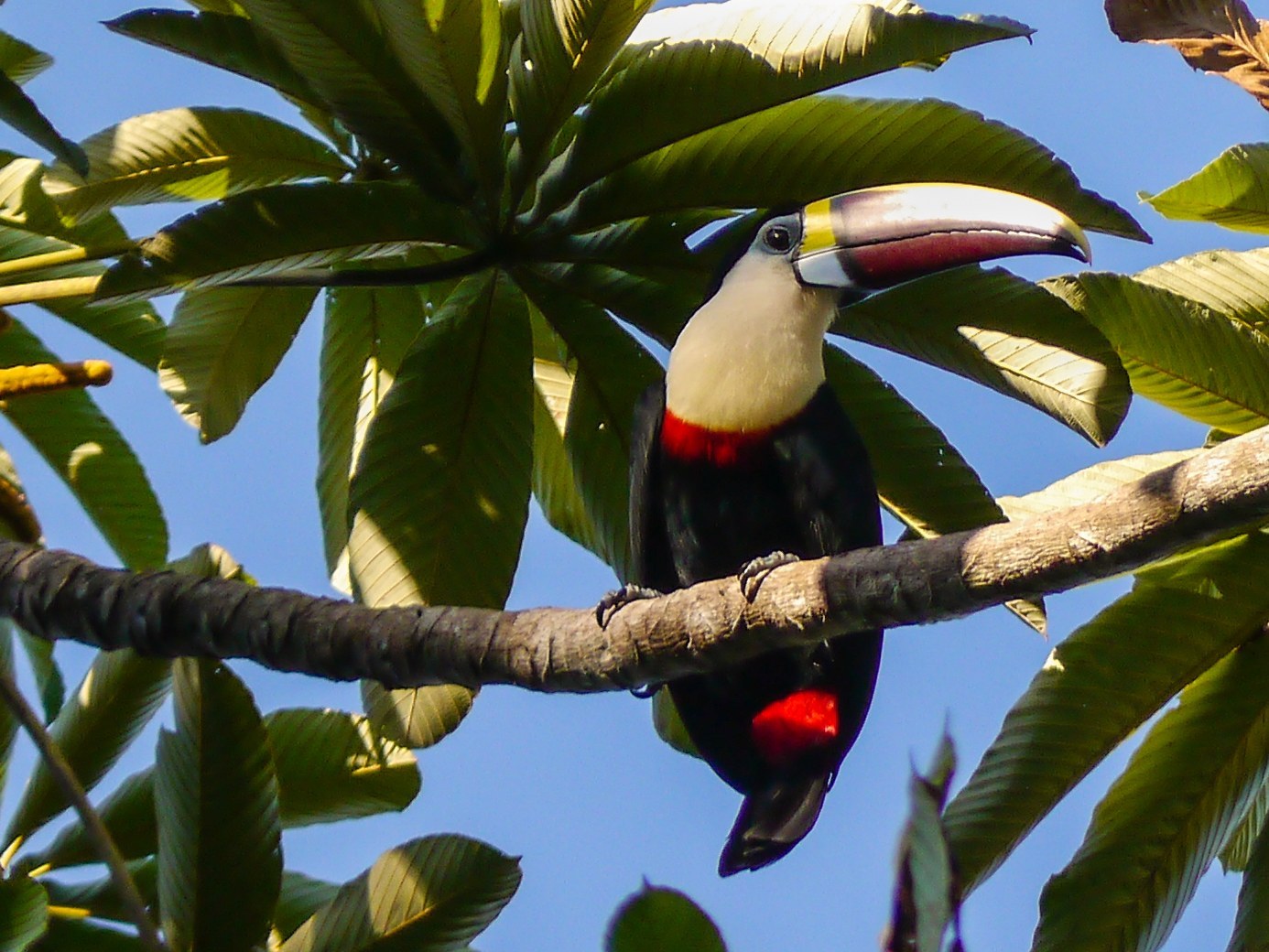
White-throated Toucan
Short rounded contour feathers, short broad wings
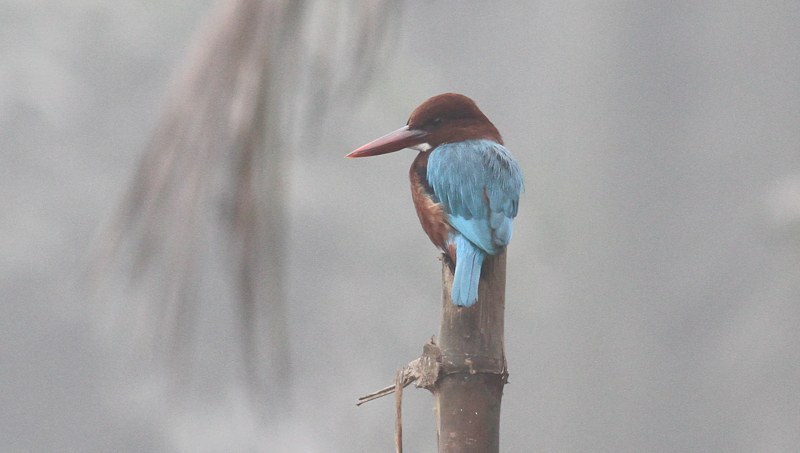
White-throated Kingfisher
Dense contour feathers; broad rounded wings

White-throated Bee-eater
Sleek, aerodynamic contour feathers; elongated central tail streamers
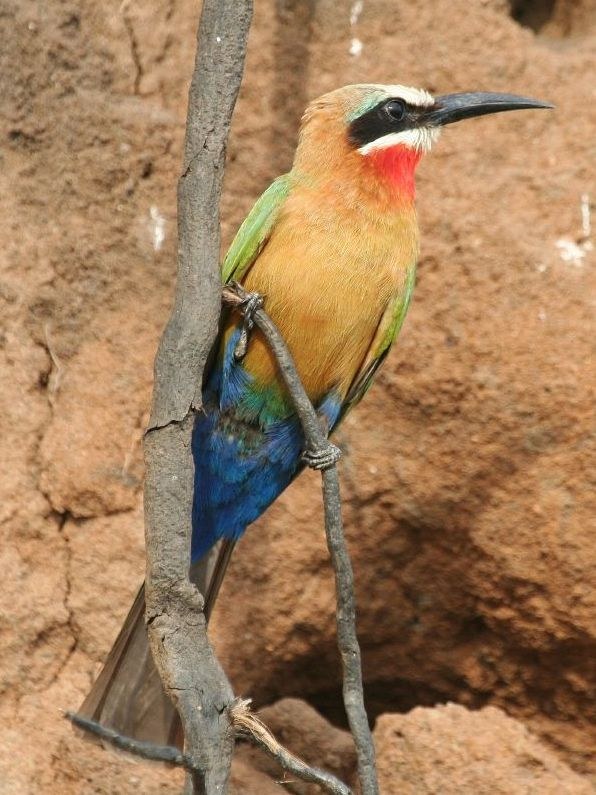
White-fronted Bee-eater
Sleek contour feathers; short tail with slight point

Southern Yellow-billed Hornbill
Slender contour feathers, moderate flight feathers
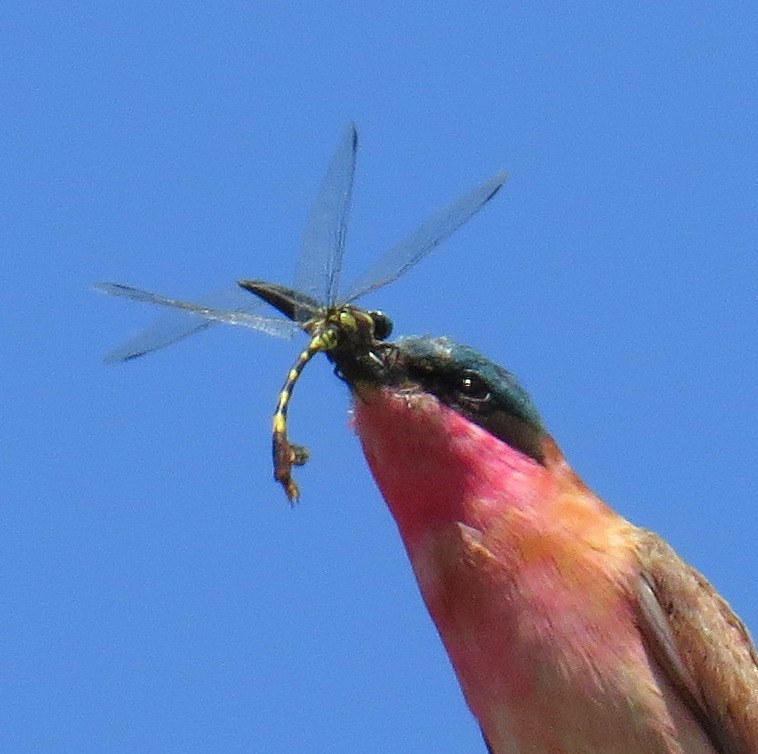
Southern Carmine Bee-eater
Sleek, pointed contour feathers; elongated central tail streamers
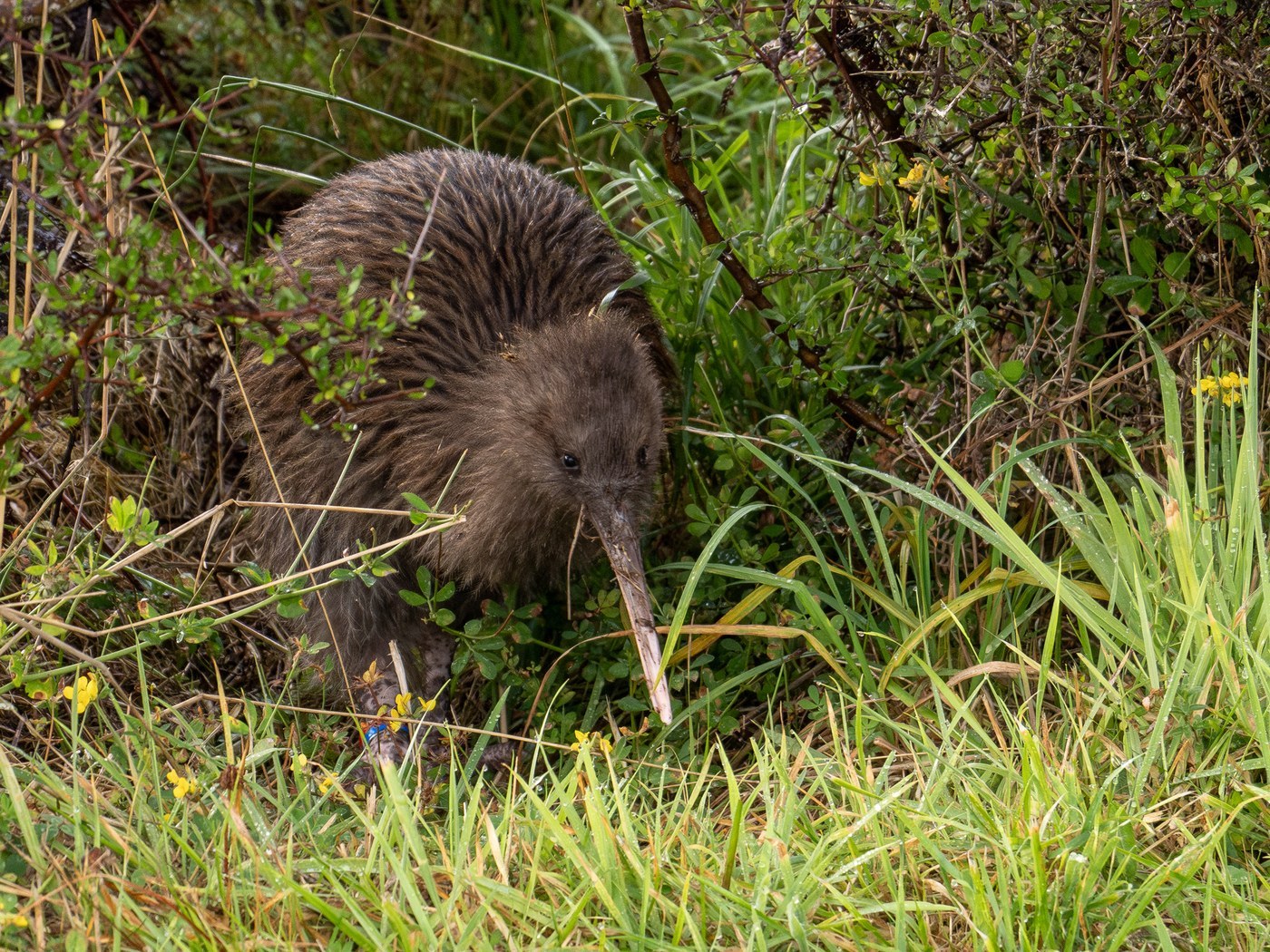
Southern Brown Kiwi
Shaggy, hair-like plumage with loose barbs lacking barbules; flightless, vestigial wings hidden beneath body feathers

Somali Ostrich
Loose, soft plumes lacking interlocking barbules

Wreathed Hornbill
Dense contour feathers, broad flight feathers

Woodland Kingfisher
Firm contour feathers; broad wing feathers