

Sharp-tailed Sandpiper
Calidris acuminata
A Siberian-breeding sandpiper with a rufous cap and chevron-streaked underparts, closely related to the Pectoral Sandpiper but favoring wetter, grassier habitats along its migration route to Australasia.
- Feather type
- Small wader contour and flight feathers
- Colours
- Rufous crown with streaked, chevron-marked underparts in breeding plumage; scaly brown nonbreeding
- Bird size
- Sandpiper-sized, ~17-22 cm
Found a feather like this?
Identify any feather from a photo, free.
Overview
Overview
The Sharp-tailed Sandpiper breeds on tundra in northeastern Siberia and migrates primarily through East Asia to winter chiefly in Australia and New Zealand, occurring as a rare but regular vagrant elsewhere, including North America. It closely resembles the Pectoral Sandpiper but shows a warmer rufous cap and different underparts markings.
Feathers are most often found at freshwater marshes, flooded grasslands, and coastal wetlands along its East Asian-Australasian migration route.
Identifying the Feather
Feather Identification
- Crown feathers: bright rufous, more vivid than the streaked brown crown of the similar Pectoral Sandpiper.
- Underparts: buffy breast marked with dark chevron-shaped spots and streaks rather than the sharply demarcated dark breast band of Pectoral Sandpiper.
- Upperparts: dark-centered feathers broadly fringed with rufous and buff, giving a warm, scaly appearance.
- Tail feathers: pointed central tail feathers, consistent with the species' name, though this is best assessed on an intact tail.
- Versus Pectoral Sandpiper: Sharp-tailed Sandpiper feathers show a warmer, more rufous crown and less sharply defined breast markings, with chevron-like spotting rather than a solid dark breast band.
Plumage & Molt
Plumage Notes
Breeding adults show a bright rufous crown, buffy face, and underparts marked with bold dark chevrons and streaks across the breast and flanks; sexes look alike. Nonbreeding adults become duller, with a plainer buffy-brown breast and less contrasting crown, though some rufous crown tone often persists.
Juveniles show a warm buffy breast wash with fine streaking mostly confined to the sides, plus neatly scaled rufous-and-black upperpart feathers. Adults molt into nonbreeding plumage mostly after migration; juveniles retain a distinctive fresh, buffy first-winter plumage into early in their first winter.
Habitat & Range
Habitat & Range
Sharp-tailed Sandpipers breed on wet Arctic tundra in northeastern Siberia. They migrate largely through East Asia, favoring freshwater marshes, flooded fields, and wet grasslands over open mudflats, and winter mainly in Australia and New Zealand, with regular but scarce occurrences elsewhere including the west coast of North America.
Behavior & Field Notes
Behavior & Field Notes
This species forages in shallow freshwater and wet grassy habitats, picking and probing for invertebrates, often in the company of other migratory sandpipers. It has a somewhat more upright posture than many calidrids, recalling the closely related Pectoral Sandpiper.
Nests are shallow tundra scrapes. The flight call is a soft, whistled "queet" or "twick," different from the harsher call of Pectoral Sandpiper. Feather finds along the Pacific coast of North America, though scarce, are typically associated with vagrant individuals during migration seasons.
Frequently asked questions
How can I distinguish Sharp-tailed Sandpiper feathers from Pectoral Sandpiper feathers?
Sharp-tailed Sandpiper shows a warmer, more rufous crown and chevron-shaped breast spotting, while Pectoral Sandpiper has a more sharply demarcated solid dark breast band.
What habitat is this species associated with?
Freshwater marshes, flooded grasslands, and wet fields, more so than open coastal mudflats.
Where does this species winter?
Primarily in Australia and New Zealand, following an East Asian-Australasian migration route.
Is this species ever found in North America?
Yes, as a scarce but regular vagrant, particularly along the Pacific coast during migration.
Do juveniles show the same rufous crown as adults?
Juveniles show a warm buffy breast and scaled rufous-and-black upperparts, with crown color less vivid than a full breeding adult.
Sharp-tailed Sandpiper guides
In-depth guides for identifying and understanding Sharp-tailed Sandpiper.

Other feathers you may enjoy
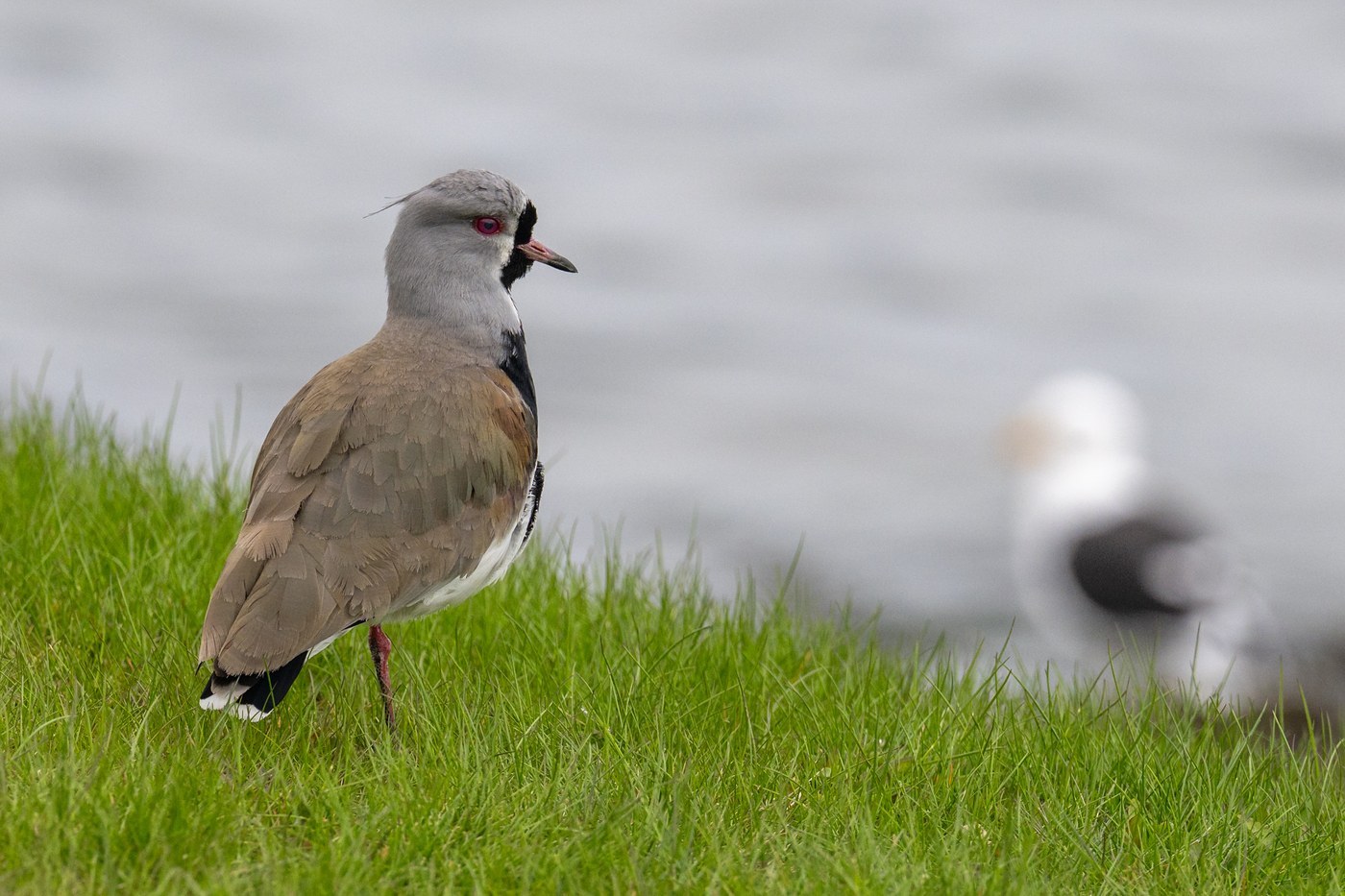
Southern Lapwing
Body, flight, and tail feathers

Jack Snipe
Body and flight feathers

Far Eastern Curlew
Body, flight, and tail feathers

Terek Sandpiper
Body and flight feathers

Wilson's Phalarope
Body and flight feathers
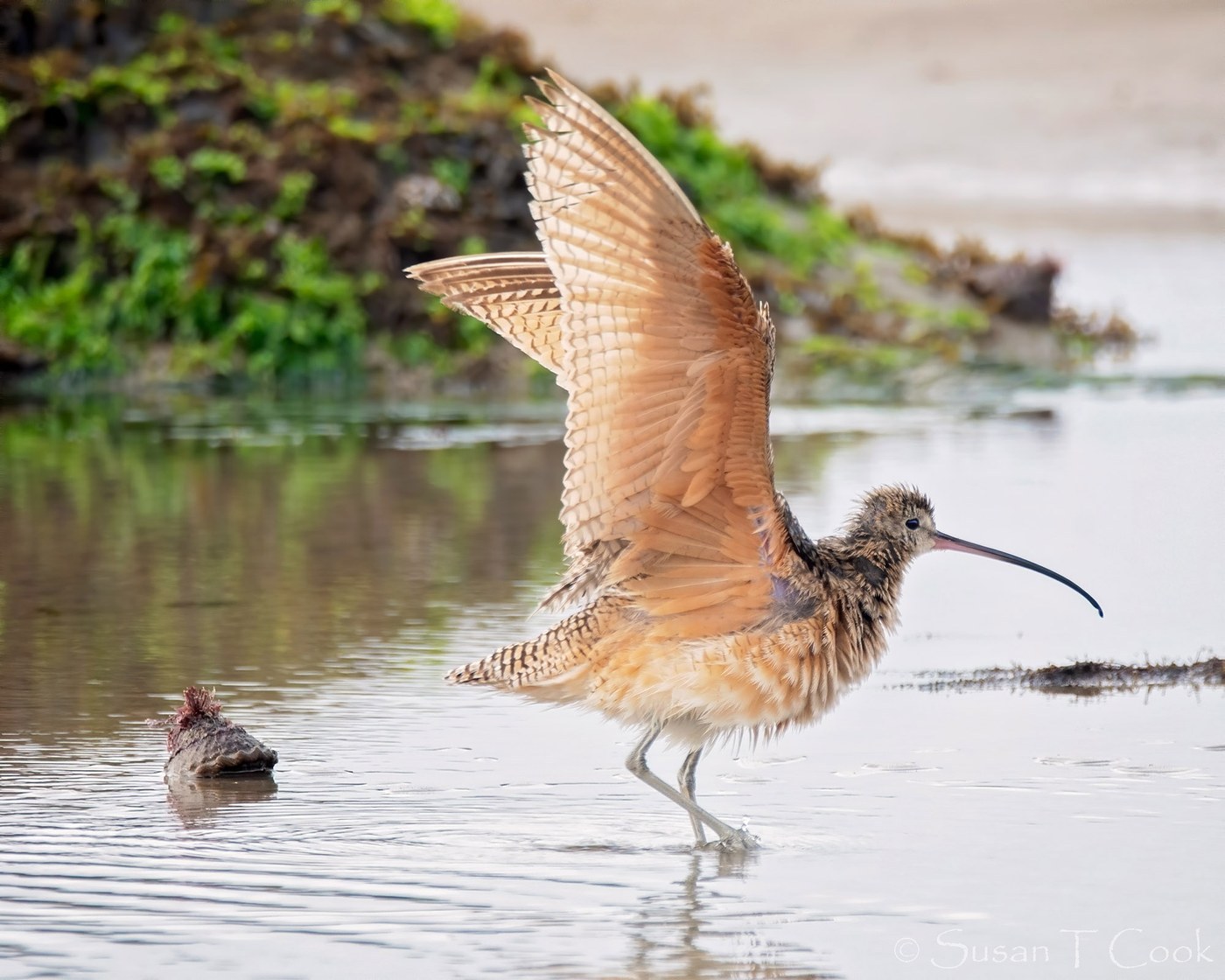
Long-billed Curlew
Body, flight, and tail feathers

Upland Sandpiper
Body, flight, and tail feathers

Red Phalarope
Body and flight feathers

Eurasian Dotterel
Body feathers
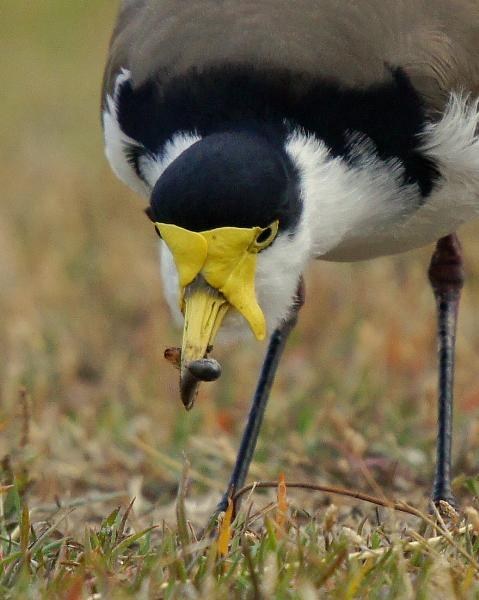
Masked Lapwing
Body, flight, and tail feathers
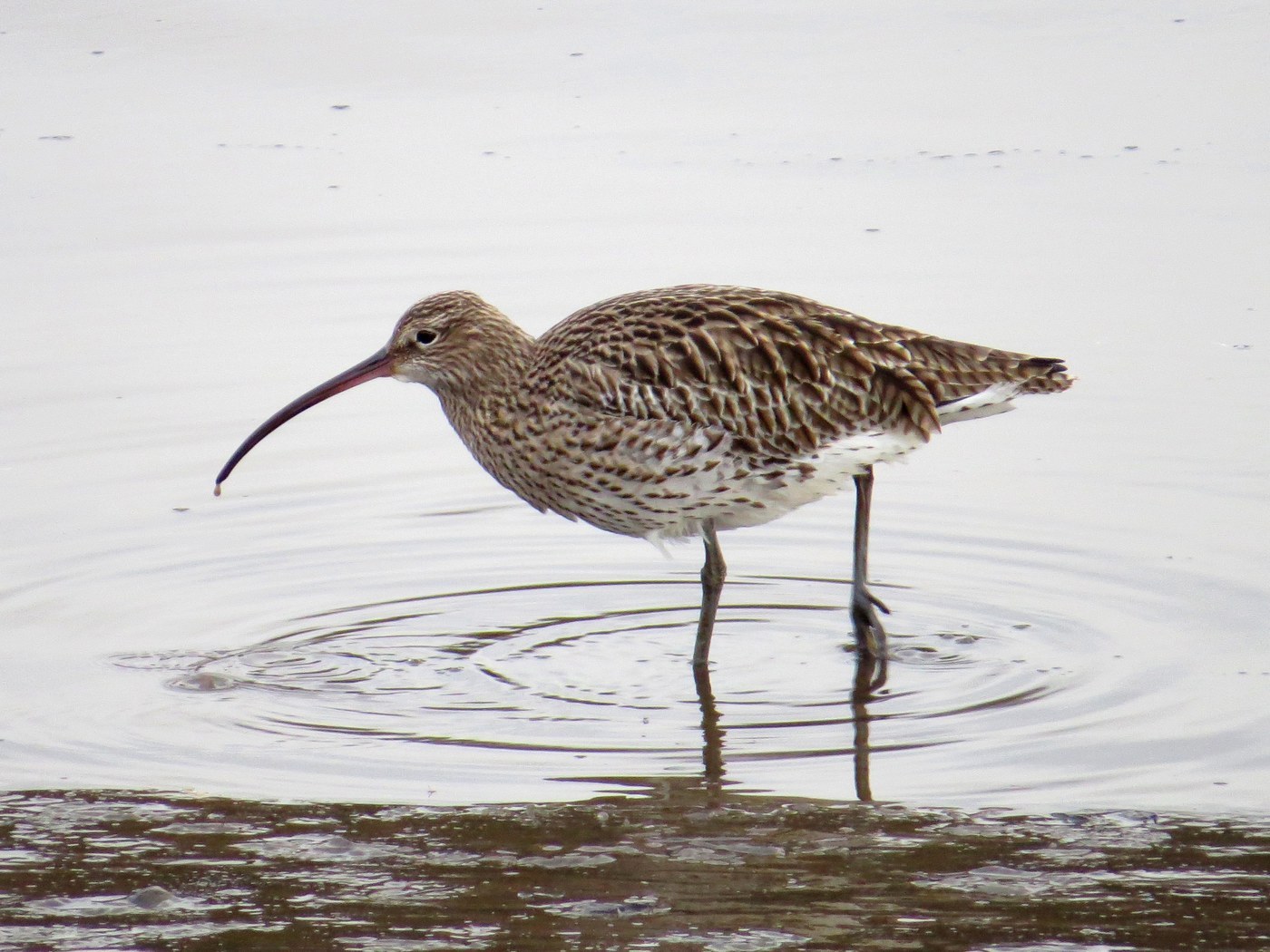
Eurasian Curlew
Body, flight, and tail feathers
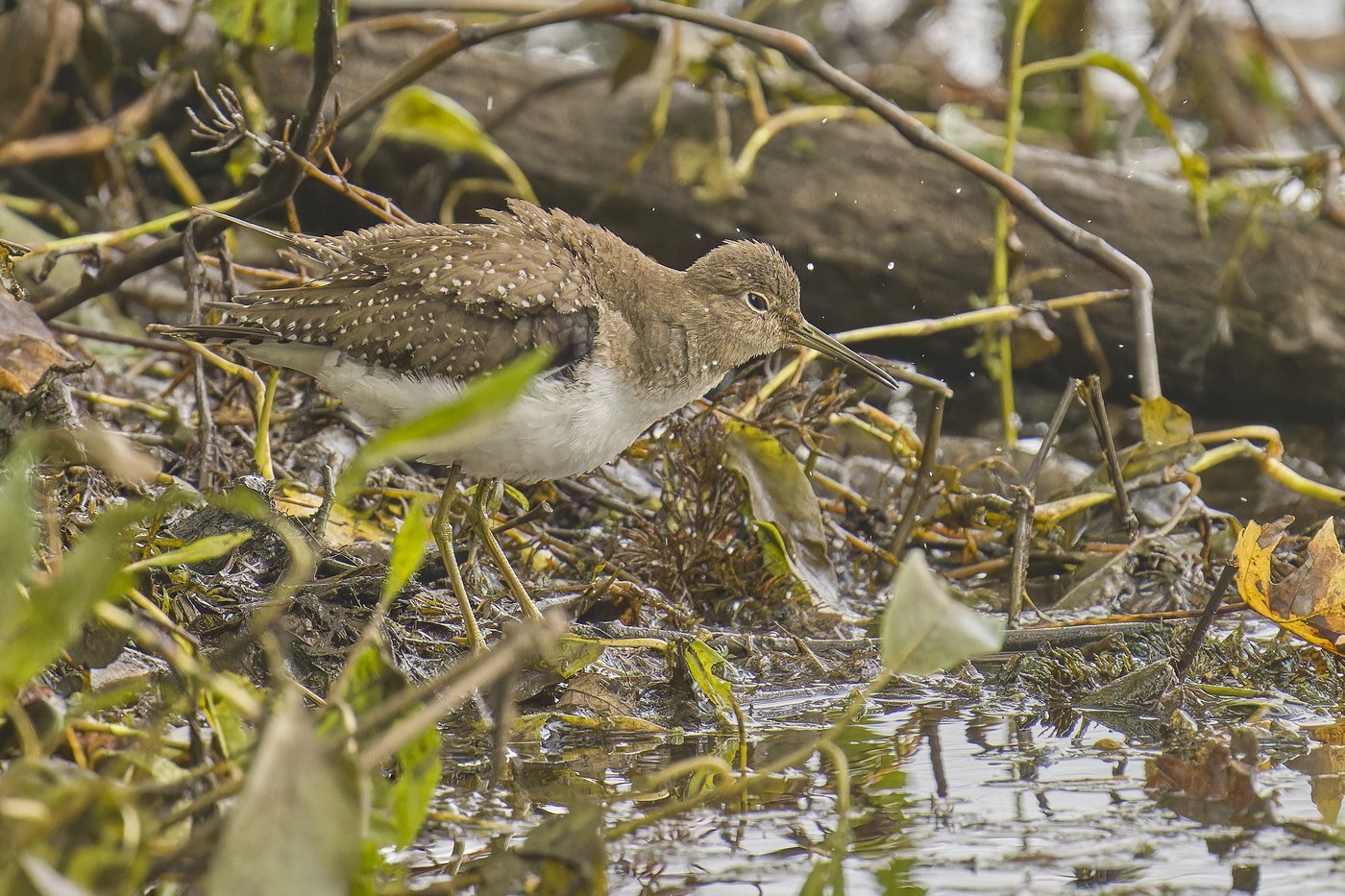
Solitary Sandpiper
Contour and flight feathers