

Snowy Owl
Bubo scandiacus
A large, striking white owl of the high Arctic, whose feathers vary from nearly pure white in adult males to heavily barred in females and young birds, all cushioned by exceptionally dense feathering for cold protection.
- Feather type
- Densely fringed flight feathers; heavily feathered legs and feet
- Colours
- Predominantly white with variable dark barring or spotting
- Bird size
- Large, ~53-66 cm
Found a feather like this?
Identify any feather from a photo, free.
Overview
The Snowy Owl breeds on the open Arctic tundra of North America and Eurasia, one of the few owls active by day during the perpetual daylight of the Arctic summer. In winter, some individuals move south into open farmland, prairies, and coastal areas, sometimes as far as the northern United States.
Its plumage is famously white, an adaptation for camouflage against snow, though the amount of dark barring varies greatly - adult males can appear almost entirely white, while females and juveniles show more extensive dark markings.
Beyond color, its feathers are remarkable for sheer density; even the toes are thickly feathered, an adaptation to the extreme cold of its breeding grounds.
Identifying the Feather
Recognizing the feathers
- Body feathers are white with variable amounts of dark grey-brown barring or spotting; the palest feathers (often from adult males) may be almost unmarked white, while others show bold dark chevron-shaped bars.
- Flight and tail feathers are white with irregular dark barring, broader and more heavily marked than most body feathers.
- Leg and foot feathers are unusually dense and downy, covering the toes almost to the claws - a feature not seen in most other owls of similar size.
- Feather texture is exceptionally soft and thick even by owl standards, reflecting adaptation to Arctic cold.
Similar species
- The mostly white ground color readily separates Snowy Owl feathers from Great Horned Owl or Great Grey Owl feathers, which are brown or grey-toned; heavily feathered feet further confirm the species.
Plumage & Molt
Plumage
Adult males are the whitest, often showing only sparse dark markings, while adult females and juveniles show more extensive dark brown-grey barring across the body, wings, and tail. All ages retain a mostly white face and underside.
Juveniles hatch in downy grey and gradually acquire heavily barred immature plumage before whitening with successive molts over several years.
Molt occurs mainly in late summer after breeding, timed to the short Arctic season, with flight feathers replaced gradually.
Habitat & Range
Habitat & range
Breeds on open Arctic tundra across northern North America, Greenland, and northern Eurasia. Outside the breeding season it favors open, treeless habitats that resemble tundra - farmland, prairies, dunes, and airports - and can appear as far south as the northern-tier United States and southern Canada in irruption years.
It is a partial migrant: some individuals stay near breeding grounds year-round if prey (lemmings) remain abundant, while others move south irregularly depending on food supply.
Behavior & Field Notes
Behavior & field notes
Unlike most owls, it is often active during daylight, reflecting its tundra origins where summer days are nearly 24 hours long. It hunts lemmings, voles, and other small mammals, as well as birds, often from a low perch or the ground.
Breeding success is closely tied to lemming population cycles; in good years pairs raise large broods on the open tundra, nesting on the ground.
A white body feather with dark chevron barring, especially with unusually thick, downy feathering, found in an open field or coastal area in winter, is a strong indicator of this species.
Frequently asked questions
Are all Snowy Owl feathers pure white?
No - only the whitest adult males approach pure white; most individuals, especially females and young birds, show dark barring or spotting.
Why are the leg feathers so thick?
They provide insulation against the extreme cold of the owl's Arctic breeding grounds, covering the legs and toes almost completely.
When would I find a Snowy Owl feather outside the Arctic?
During winter irruption years, when owls move south into open farmland and coastal habitats in search of food.
How does this owl's feather differ from a Great Grey Owl's?
Snowy Owl feathers are predominantly white, while Great Grey Owl feathers are grey and finely mottled without a white ground color.
Snowy Owl guides
In-depth guides for identifying and understanding Snowy Owl.

Snowy Owl identified by the community
Real feathers identified with Feather Identifier.

Other feathers you may enjoy

Tawny Owl
Wing (flight) and body (contour) feathers
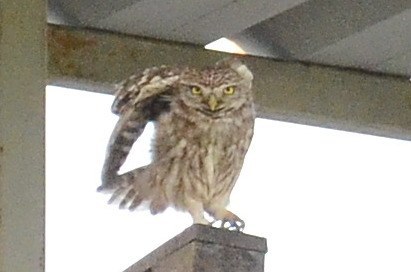
Little Owl
Wing and body feathers

Balsas Screech-Owl
Small ear-tuft feathers; soft, finely vermiculated body feathers

Blakiston's Fish Owl
Massive flight feathers with looser structure; shaggy body plumage; prominent ear-tuft feathers

Barn Owl
Wing and facial-disc feathers
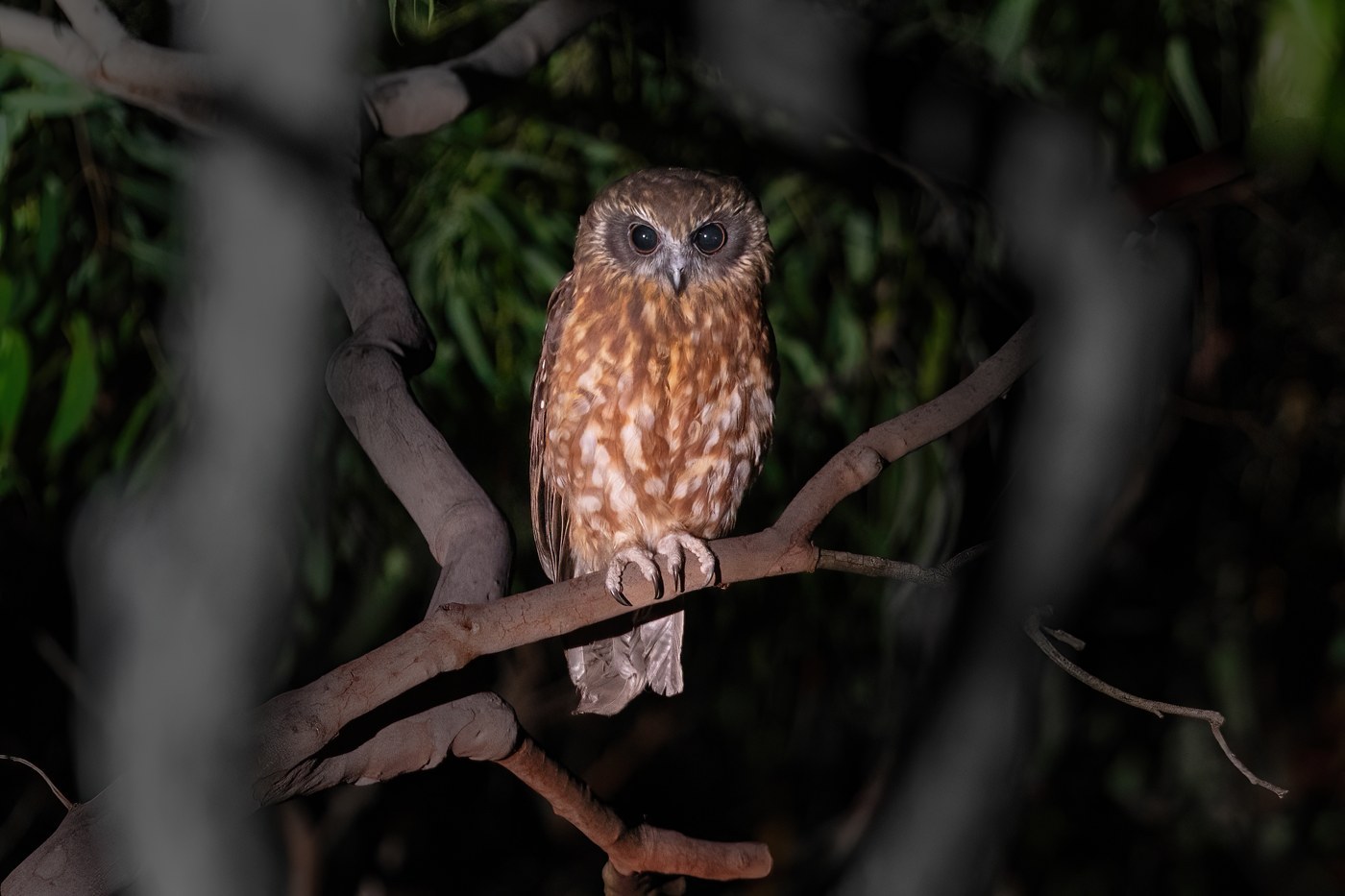
Southern Boobook
Rounded flight feathers; banded tail; spotted body plumage

Sooty Owl
Broad soft-edged flight feathers; heart-shaped facial disc feathers; finely speckled body plumage

Short-eared Owl
Broad soft-fringed flight feathers; streaked body feathers; tiny, rarely visible ear tufts

Stygian Owl
Dark, mottled flight and body feathers with long, closely-set ear tufts
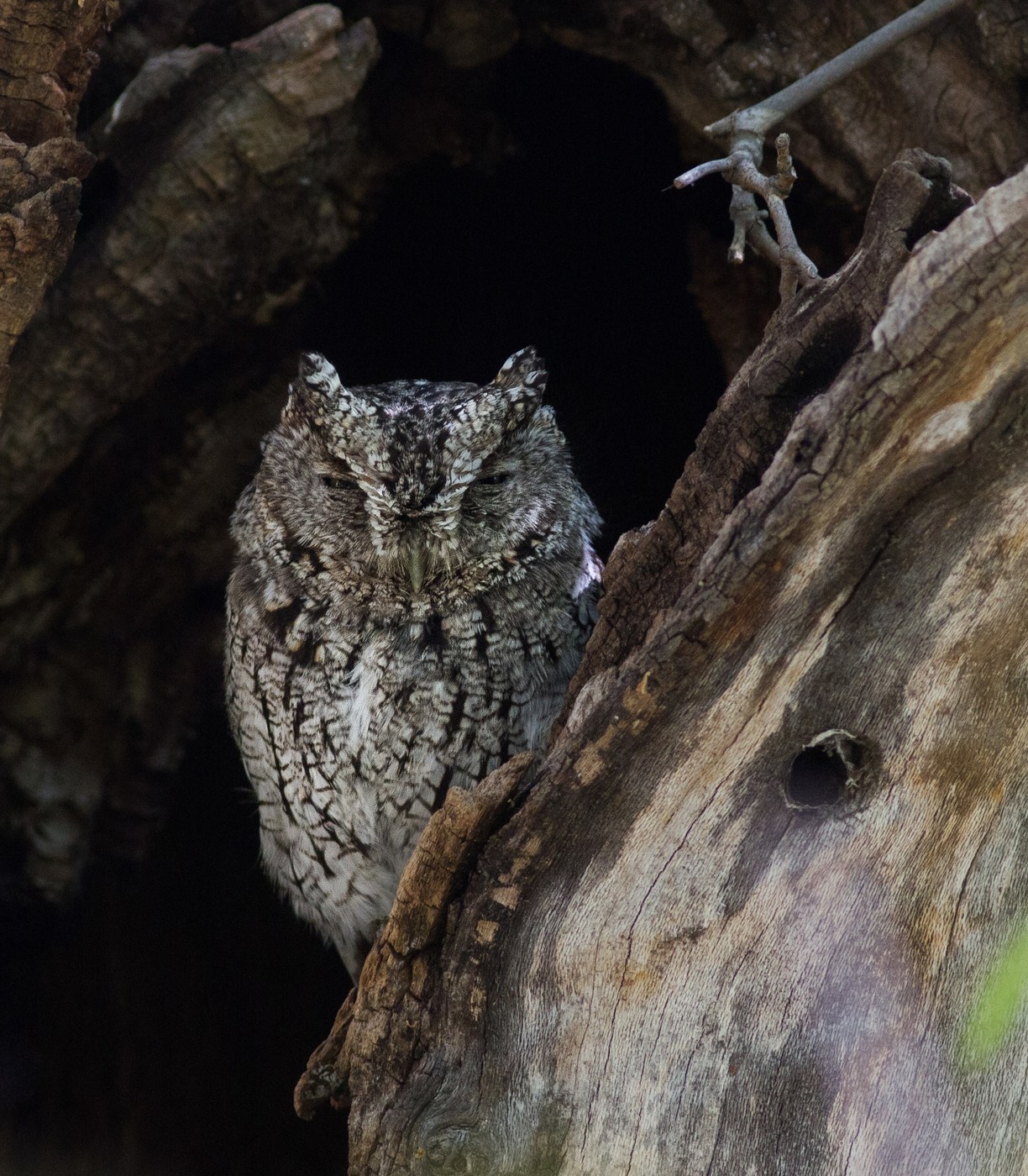
Whiskered Screech-Owl
Small soft-fringed flight feathers; finely mottled body feathers; short ear tufts
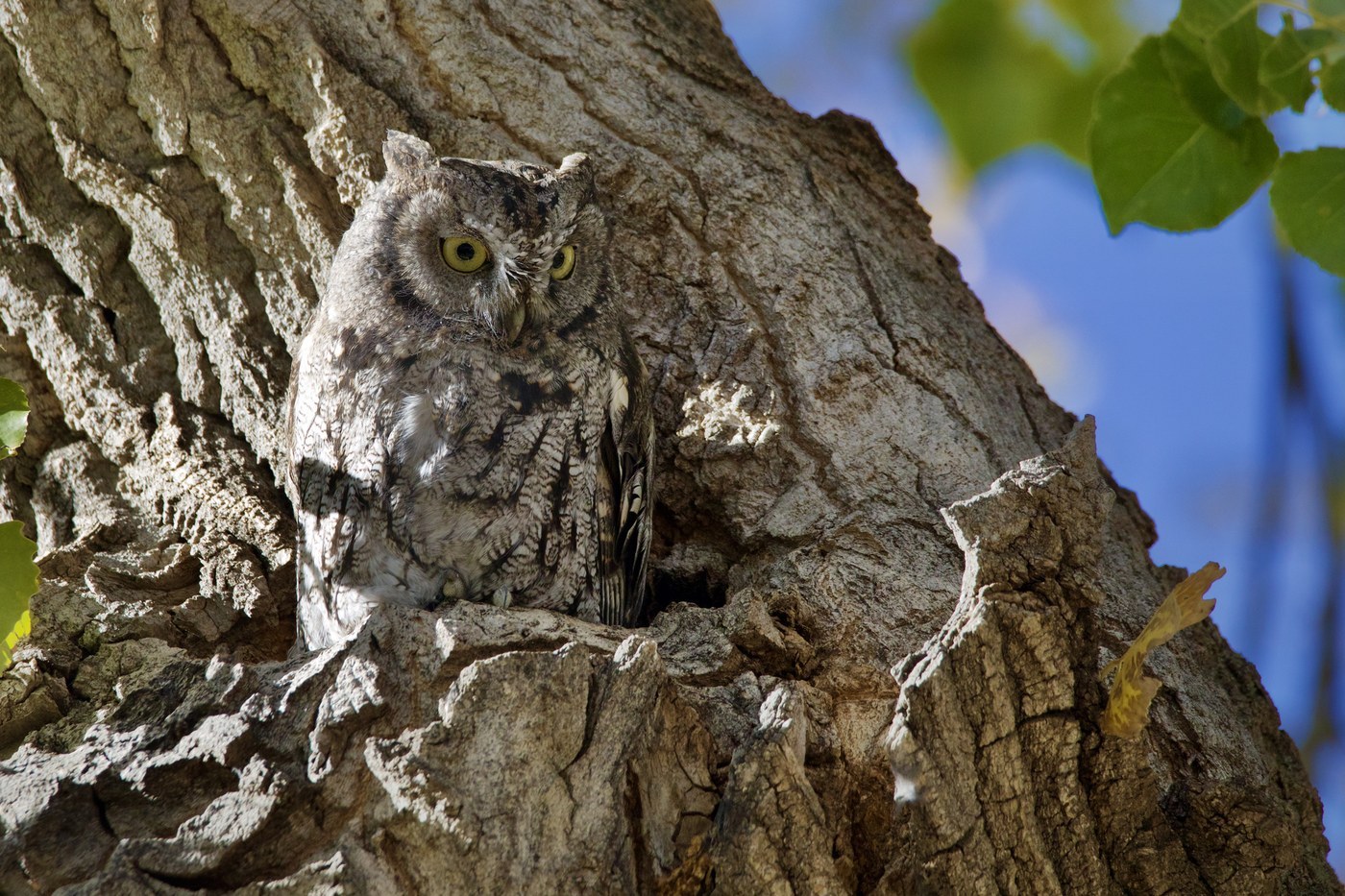
Western Screech-Owl
Small soft-fringed flight feathers; cryptic mottled/streaked body feathers; short ear tufts

White-faced Scops Owl
Small to medium flight feathers with a distinctive whitish facial disc and long ear-tuft plumes