

Somali Ostrich
Struthio molybdophanes
A large flightless bird of the Horn of Africa closely related to the Common Ostrich, distinguished by the male's distinctive blue-grey neck and legs.
- Feather type
- Loose, soft plumes lacking interlocking barbules
- Colours
- Male: black body with white plumes and blue-grey neck; Female: brownish-grey
- Bird size
- Very large flightless bird, up to 2.4 m tall
Found a feather like this?
Identify any feather from a photo, free.
Overview
Overview
The Somali Ostrich is a large flightless bird restricted to the arid scrublands of the Horn of Africa, closely related to but distinct from the Common Ostrich. Males show the same soft black body plumage and white wing and tail plumes typical of ostriches, but are set apart by a striking blue-grey coloration on the neck and legs, especially vivid during the breeding season.
Females are duller brownish-grey, matching the camouflage-driven pattern seen across ostrich species where females handle more daytime incubation.
Identifying the Feather
Feather Identification
- Male body feathers: black, soft, and loosely structured, with white plumes on the wings and tail
- Male neck and leg skin: distinctive blue-grey, a key non-feather trait that helps separate this species from the Common Ostrich
- Female feathers: brownish-grey overall, offering camouflage while incubating in open habitat
- Shaft: thick and flexible, typical of non-flight ostrich plumage
- Feather texture alone closely resembles the Common Ostrich; the blue-grey neck and leg coloration in males is the most reliable distinguishing field mark between the two species
Plumage & Molt
Plumage Notes
Adult males are black-bodied with white plume accents and blue-grey bare skin on the neck and legs, most vivid during breeding season. Females and juveniles are brownish-grey throughout, aiding camouflage.
Molt proceeds gradually throughout the year, consistent with the species' flightless lifestyle and lack of dependence on flight readiness.
Habitat & Range
Habitat & Range
Somali Ostriches are restricted to arid and semi-arid scrubland across the Horn of Africa, including Somalia, Ethiopia, and northern Kenya. They favor open terrain with sparse vegetation that allows for early predator detection.
The species is non-migratory, with individuals ranging over large territories in search of food and water within their arid range.
Behavior & Field Notes
Behavior & Field Notes
Somali Ostriches forage on plants and small invertebrates across open ground, relying on speed and vigilance rather than flight to avoid predators. Behavior closely parallels that of the Common Ostrich, including shared nesting arrangements among females.
Nests are ground scrapes used communally, with a dominant pair overseeing incubation, the male typically taking night shifts. Calls include deep booming sounds during territorial and breeding displays.
Frequently asked questions
How do Somali Ostrich feathers differ from Common Ostrich feathers?
The feathers themselves look very similar; the most reliable distinguishing feature is the male's blue-grey neck and leg skin rather than feather color.
What color are Somali Ostrich feathers?
Males are black with white wing and tail plumes, while females are brownish-grey overall.
Where do Somali Ostriches live?
They are found in arid scrubland across the Horn of Africa, including Somalia, Ethiopia, and northern Kenya.
Are Somali Ostriches flightless?
Yes, like all ostriches they are flightless, relying on running speed rather than flight to escape predators.
Somali Ostrich guides
In-depth guides for identifying and understanding Somali Ostrich.

Other feathers you may enjoy

Common Cuckoo
Flight and body feathers
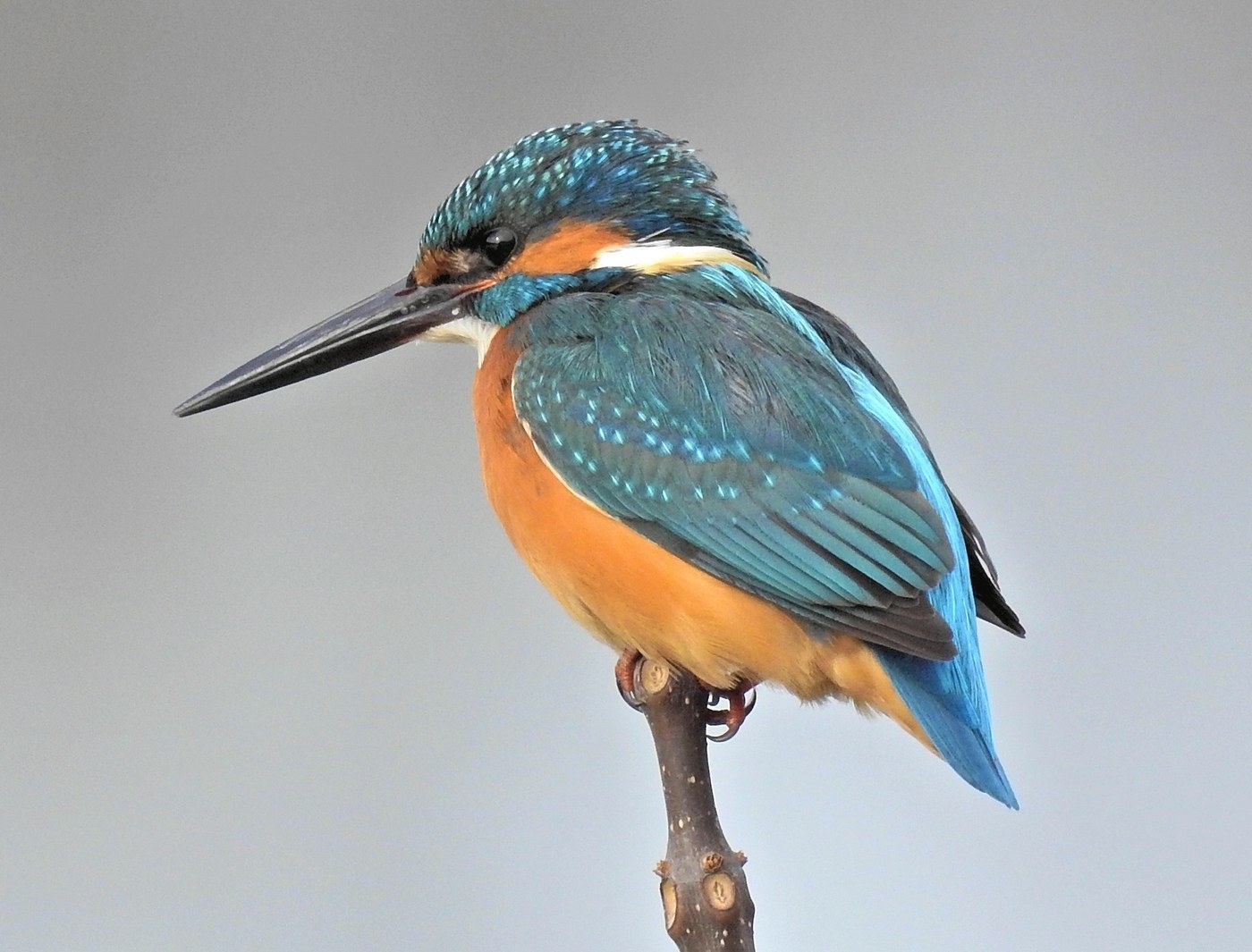
Common Kingfisher
Body (contour) and wing feathers
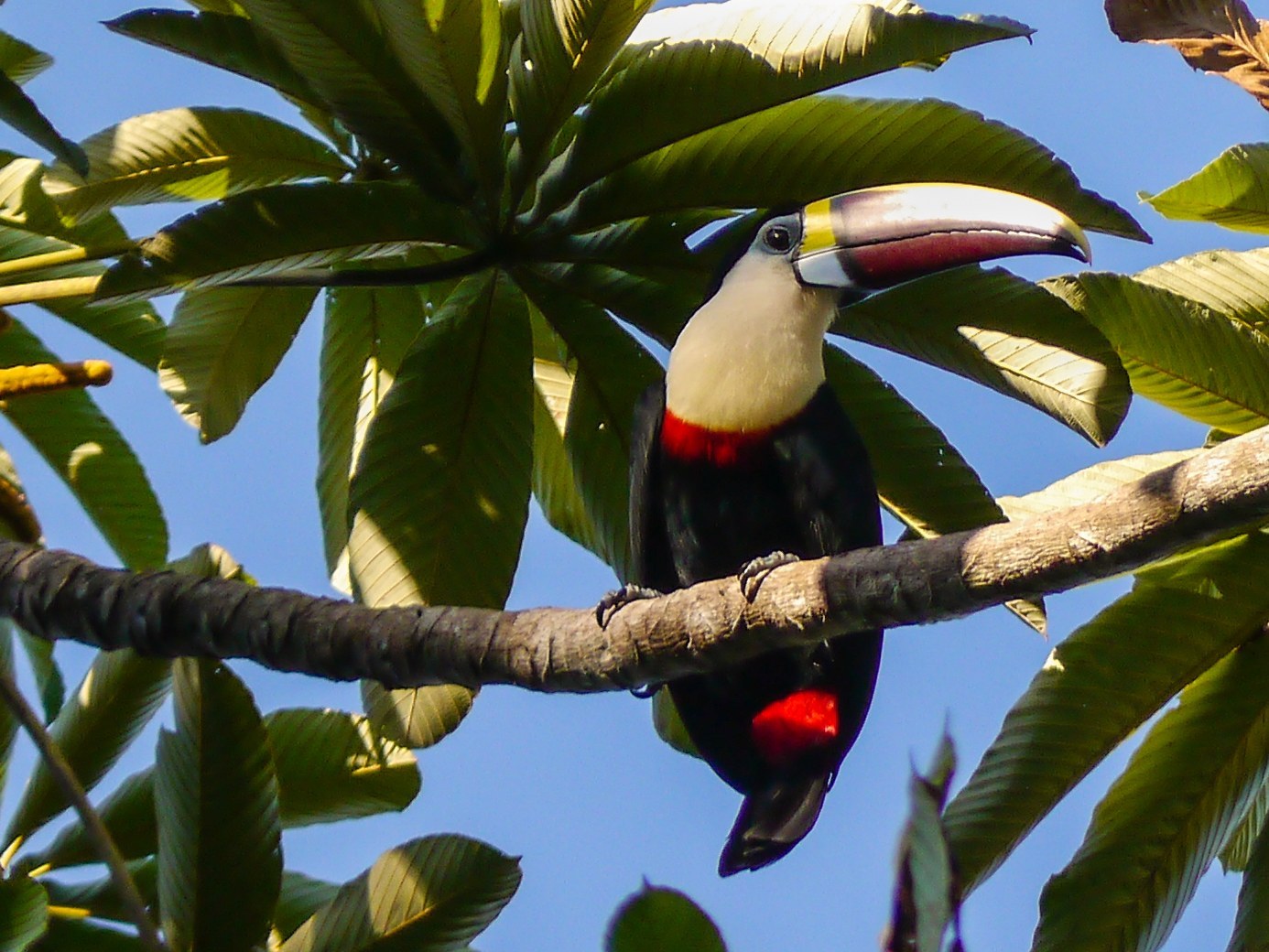
White-throated Toucan
Short rounded contour feathers, short broad wings
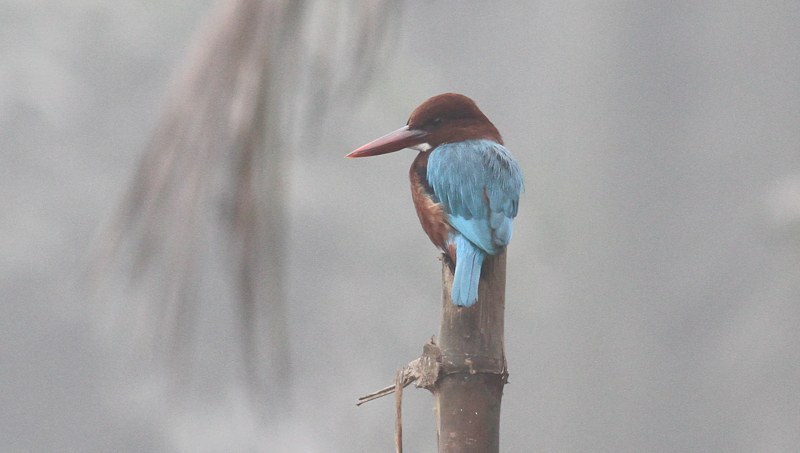
White-throated Kingfisher
Dense contour feathers; broad rounded wings

White-throated Bee-eater
Sleek, aerodynamic contour feathers; elongated central tail streamers
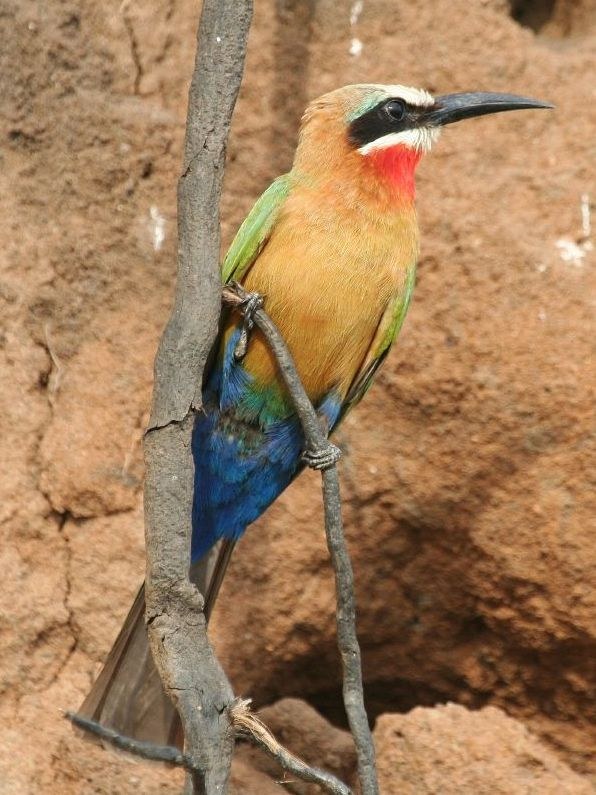
White-fronted Bee-eater
Sleek contour feathers; short tail with slight point

Southern Yellow-billed Hornbill
Slender contour feathers, moderate flight feathers
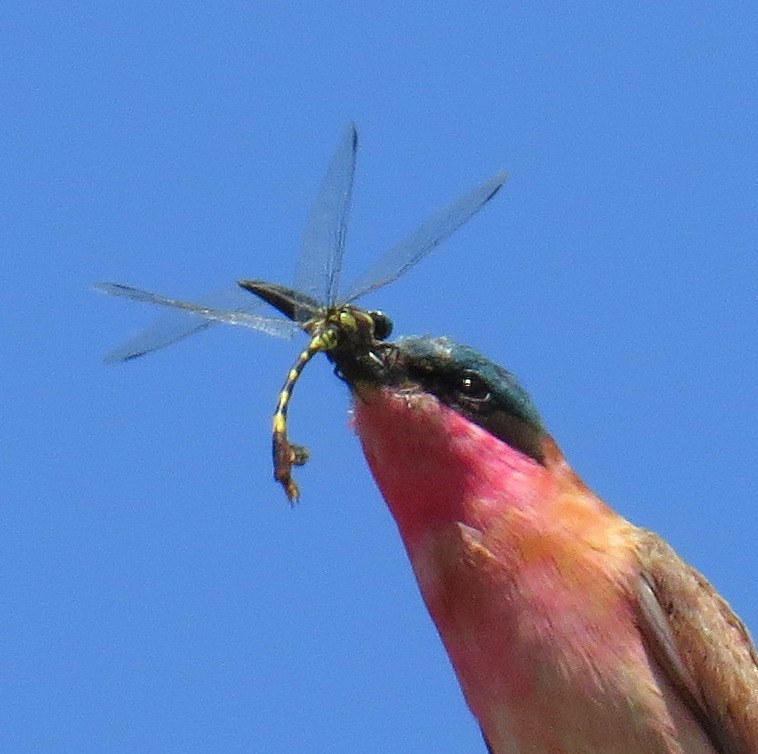
Southern Carmine Bee-eater
Sleek, pointed contour feathers; elongated central tail streamers
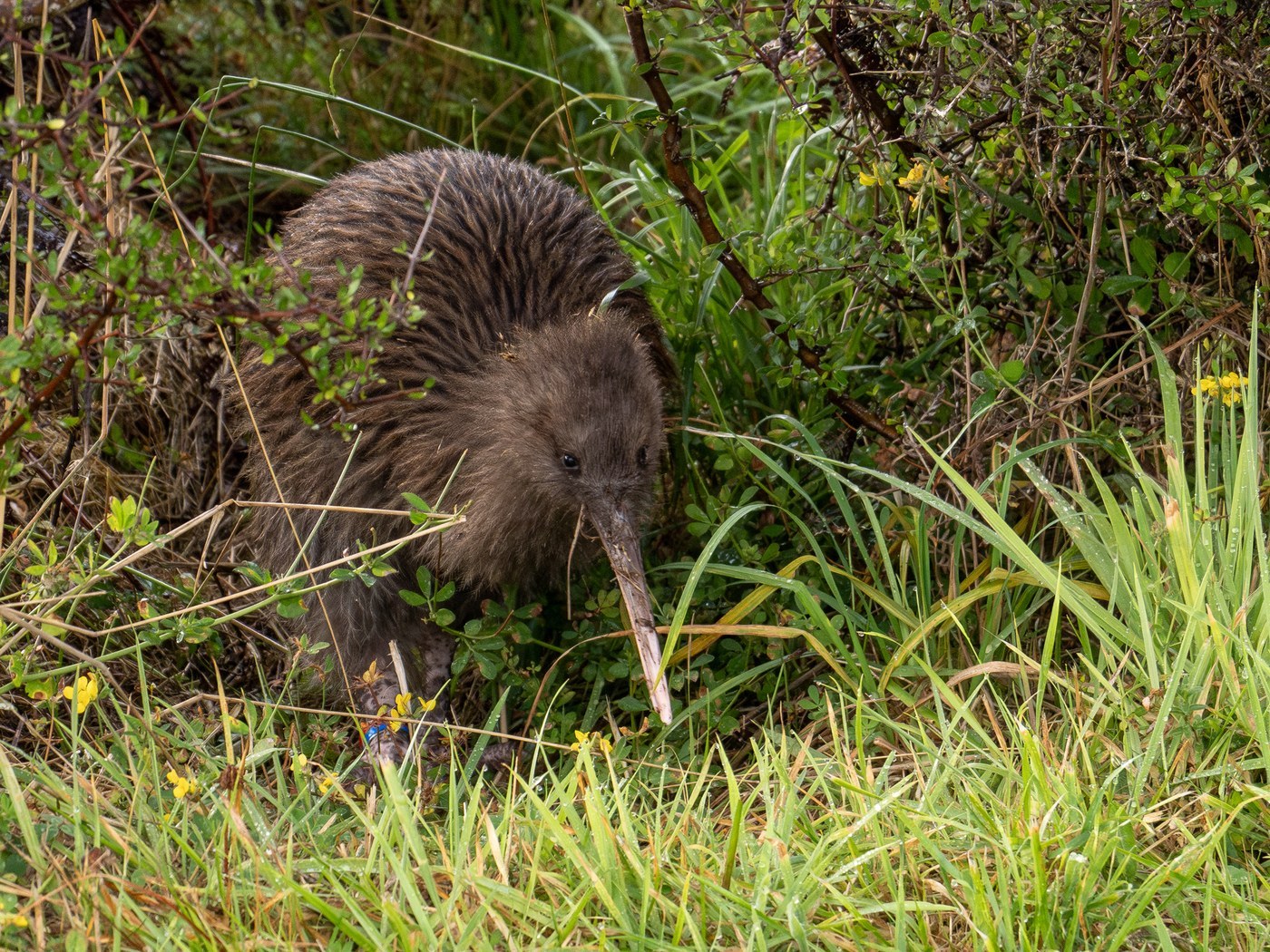
Southern Brown Kiwi
Shaggy, hair-like plumage with loose barbs lacking barbules; flightless, vestigial wings hidden beneath body feathers

Wreathed Hornbill
Dense contour feathers, broad flight feathers

Woodland Kingfisher
Firm contour feathers; broad wing feathers

Russet-crowned Motmot
Dense contour feathers with elongated, racket-tipped central tail feathers