
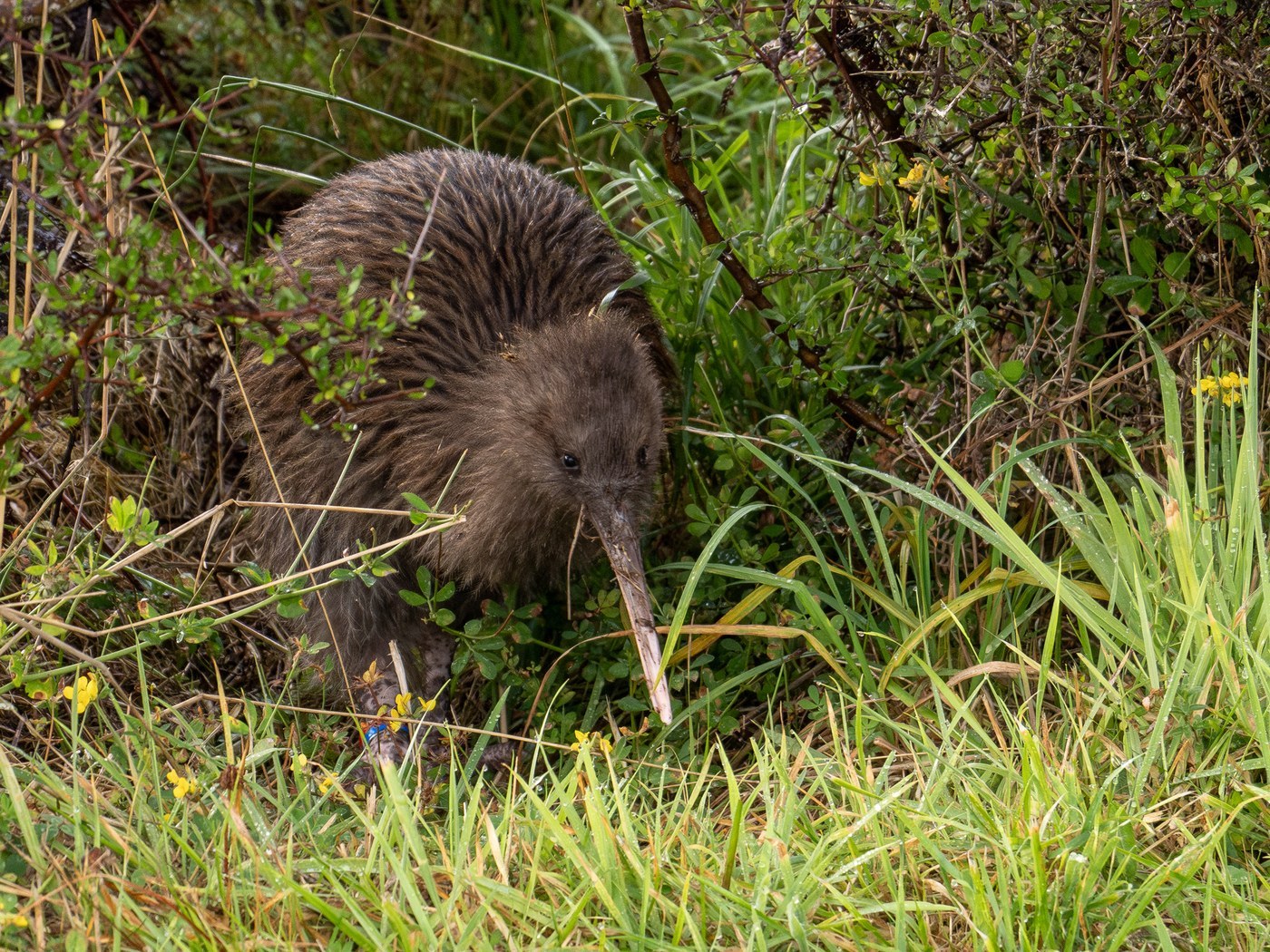
Southern Brown Kiwi
Apteryx australis
A flightless, nocturnal New Zealand bird covered in shaggy, hair-like brown plumage, with a long, flexible bill and nostrils at its tip used to sniff out prey in the soil. It is one of several closely related brown kiwi species found on the South Island and Stewart Island.
- Feather type
- Shaggy, hair-like plumage with loose barbs lacking barbules; flightless, vestigial wings hidden beneath body feathers
- Colours
- Streaky reddish-brown to grayish-brown overall
- Bird size
- Large kiwi, ~40-45 cm body length
Found a feather like this?
Identify any feather from a photo, free.
Overview
Overview
The Southern Brown Kiwi, also known as the tokoeka, is a flightless, nocturnal bird native to the South Island and Stewart Island of New Zealand. Like all kiwi, it is covered in loose, hair-like plumage rather than typical smooth feathering, and it uses a long, flexible bill with nostrils at the very tip to locate invertebrate prey by scent in soil and leaf litter, an adaptation unique among birds.
Identifying the Feather
Feather Identification
- Plumage texture: Loose and hair-like rather than typical feathering, with barbs that do not interlock, giving a shaggy, fur-like coat.
- Color: Streaky brown to grayish-brown overall, providing camouflage in leaf litter.
- Wings: Vestigial and hidden beneath the body plumage, essentially invisible.
- Bill: Long and slender with nostrils positioned at the tip, unique among birds, aiding foraging by scent and touch rather than sight.
- Versus similar kiwi: Other brown kiwi species, such as the North Island Brown Kiwi, are similar in plumage but occupy different islands and can show subtle differences in tone and size.
Plumage & Molt
Plumage Notes
Sexes are similar in color, though females are noticeably larger than males. Chicks hatch already covered in adult-like shaggy plumage rather than down. Molt is gradual and continuous rather than a single distinct seasonal event.
Habitat & Range
Habitat & Range
The Southern Brown Kiwi is found on the South Island and Stewart Island of New Zealand, in native forest, scrubland, and tussock grassland. It is nocturnal and largely sedentary within a home territory, and non-migratory.
Behavior & Field Notes
Behavior & Field Notes
Southern Brown Kiwis forage at night by probing soil and leaf litter with their long bill, using an acute sense of smell to locate invertebrates. Monogamous pairs typically share a territory and nest in a burrow or natural cavity. The species gives a distinctive shrill call at night, with males and females sounding different.
Frequently asked questions
Why does kiwi plumage look so different from most birds' feathers?
Kiwi feathers are loose and hair-like, with barbs that do not interlock, giving a shaggy, fur-like texture instead of a smooth feathered surface.
Where is the Southern Brown Kiwi found?
It lives on the South Island and Stewart Island of New Zealand, in native forest, scrubland, and tussock grassland.
How does the Southern Brown Kiwi find food?
It forages at night, probing soil and leaf litter with its long bill and relying heavily on its sense of smell, since its nostrils are located at the tip of the bill.
Are Southern Brown Kiwis active during the day?
No, they are nocturnal and forage mainly at night.
Southern Brown Kiwi guides
In-depth guides for identifying and understanding Southern Brown Kiwi.

Other feathers you may enjoy

Common Cuckoo
Flight and body feathers
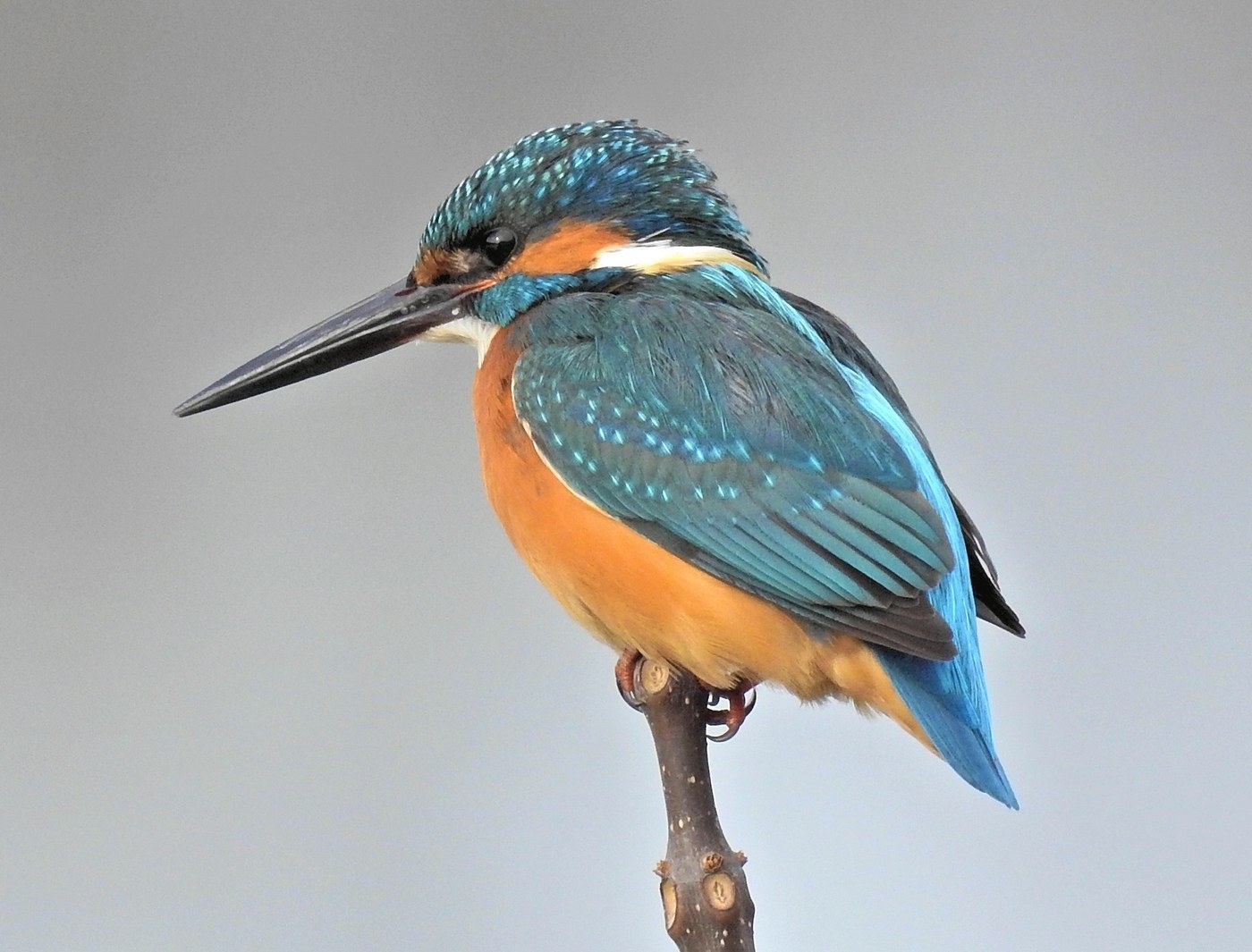
Common Kingfisher
Body (contour) and wing feathers
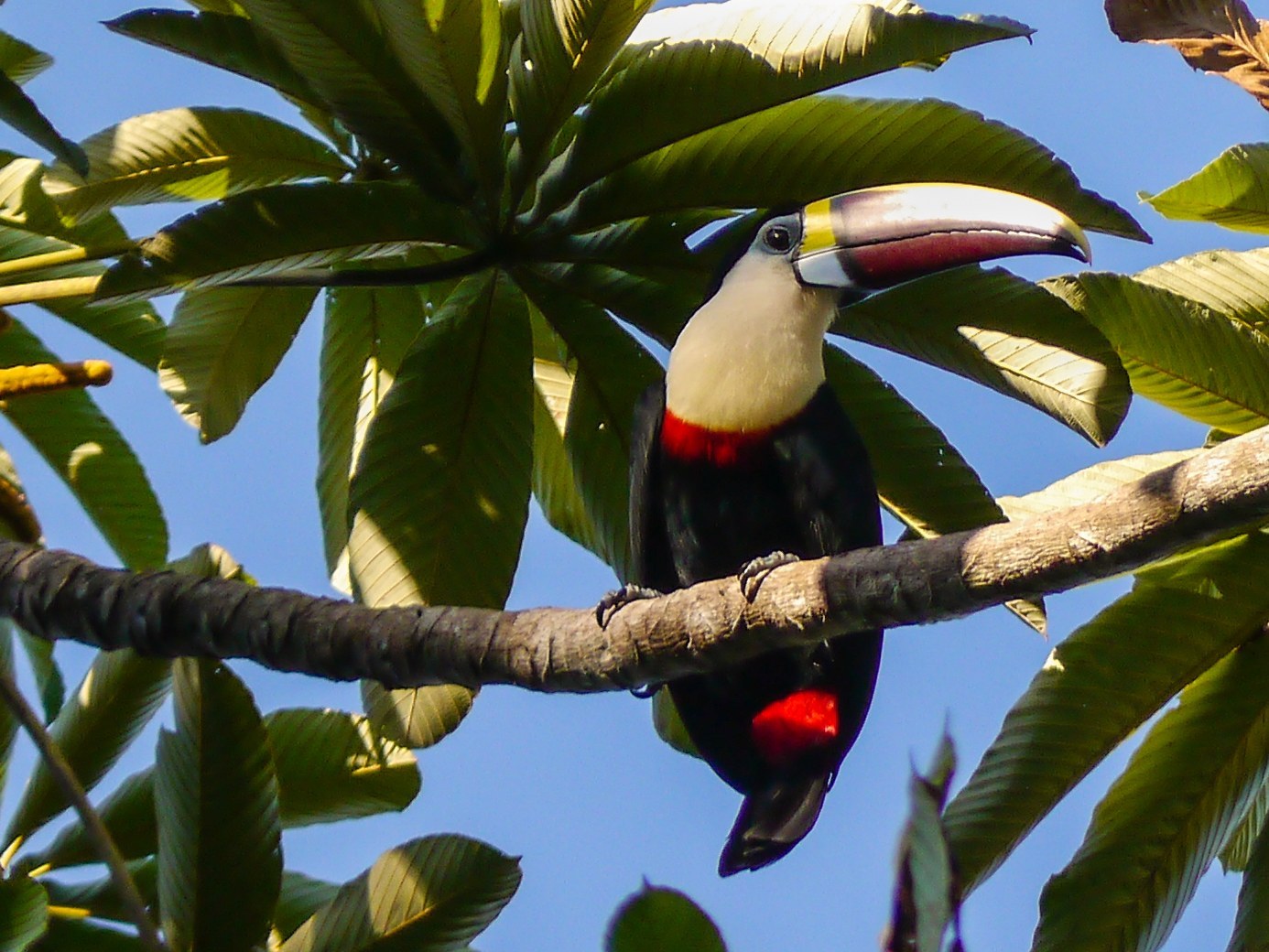
White-throated Toucan
Short rounded contour feathers, short broad wings
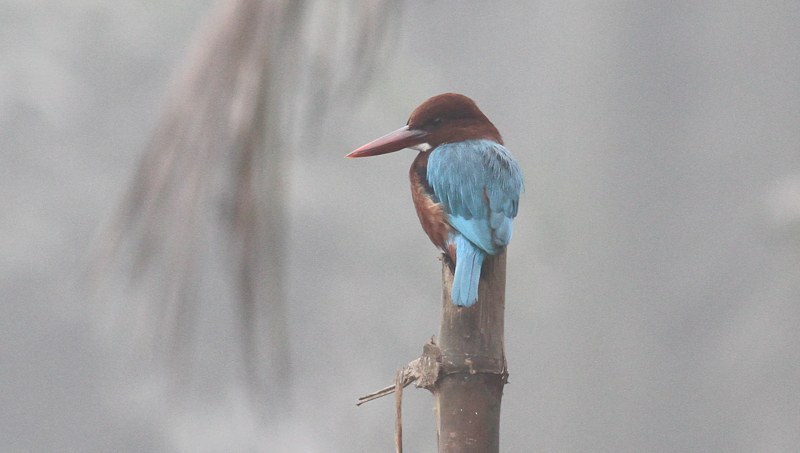
White-throated Kingfisher
Dense contour feathers; broad rounded wings

White-throated Bee-eater
Sleek, aerodynamic contour feathers; elongated central tail streamers
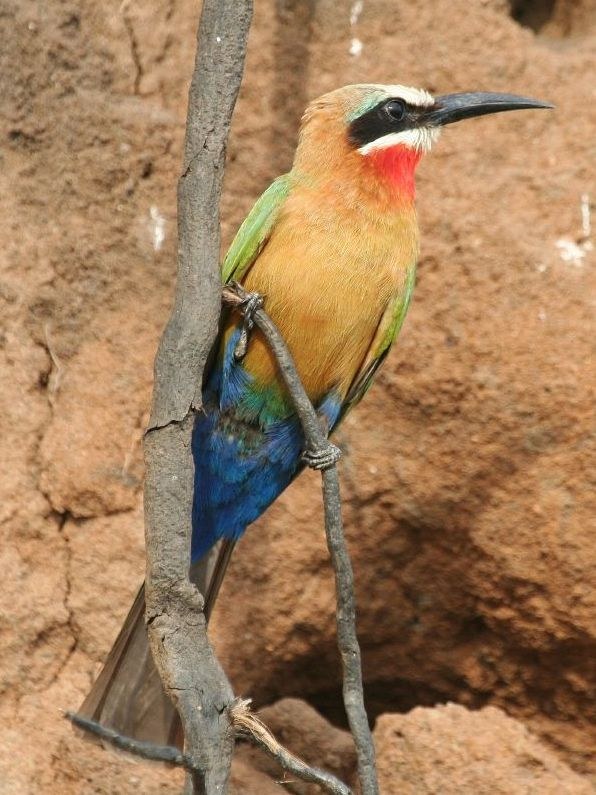
White-fronted Bee-eater
Sleek contour feathers; short tail with slight point

Southern Yellow-billed Hornbill
Slender contour feathers, moderate flight feathers
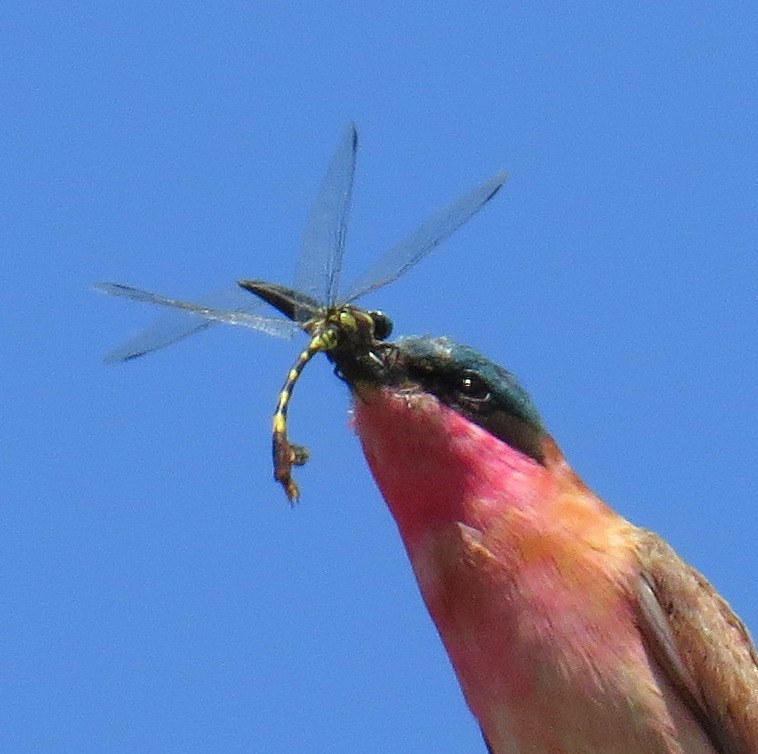
Southern Carmine Bee-eater
Sleek, pointed contour feathers; elongated central tail streamers

Somali Ostrich
Loose, soft plumes lacking interlocking barbules

Wreathed Hornbill
Dense contour feathers, broad flight feathers

Woodland Kingfisher
Firm contour feathers; broad wing feathers

Russet-crowned Motmot
Dense contour feathers with elongated, racket-tipped central tail feathers