
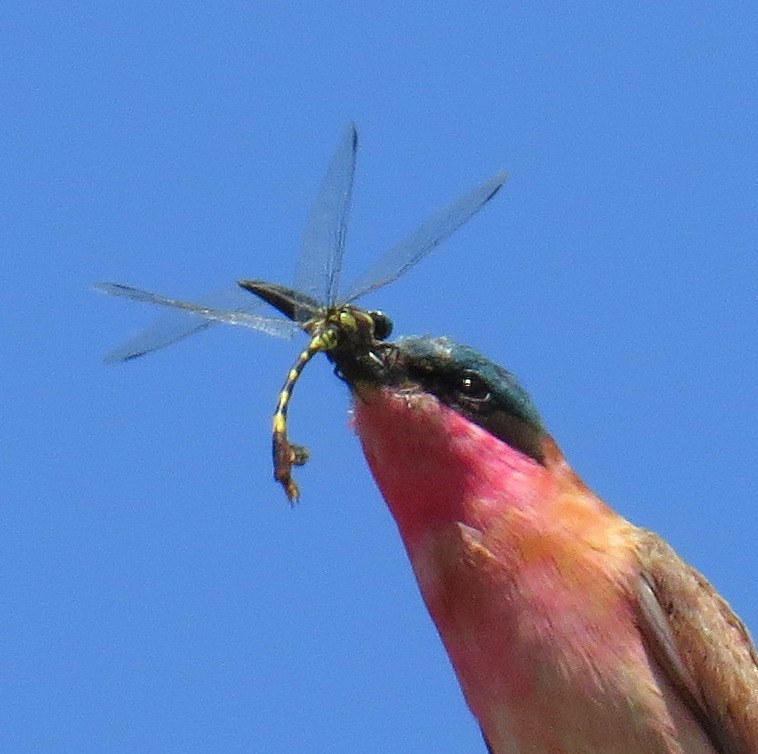
Southern Carmine Bee-eater
Merops nubicoides
A vividly pink bee-eater of southern Africa, forming spectacular breeding colonies along sandy river cliffs.
- Feather type
- Sleek, pointed contour feathers; elongated central tail streamers
- Colours
- Vivid carmine-pink body, turquoise crown and undertail
- Bird size
- Robin-to-jay-sized, ~34-38 cm including tail streamers
Found a feather like this?
Identify any feather from a photo, free.
Overview
Overview
The Southern Carmine Bee-eater is one of the most vividly colored birds in southern Africa, forming enormous nesting colonies in sandy riverbanks. Its bright pink plumage makes it unmistakable within its range.
- Forms some of the largest bee-eater colonies in Africa
- Deep carmine-pink plumage nearly unique among birds
- Closely related to the Northern Carmine Bee-eater, with overlapping range in central Africa
Identifying the Feather
Feather Identification
Southern Carmine Bee-eater feathers are vivid carmine-pink over most of the body.
- Body: rich pink-red feathers covering the back, breast, and belly
- Crown: turquoise-blue, contrasting sharply with the pink body
- Undertail coverts: turquoise-blue
- Tail: elongated central feathers forming a pointed streamer
Compared to the Northern Carmine Bee-eater, this species shows a blue crown (rather than green) and a blue throat, which is the key distinguishing feature between the two similar species.
Plumage & Molt
Plumage Details
Sexes look alike, both showing the vivid carmine-pink body and blue crown. Juveniles are duller and paler pink, lacking the elongated tail streamers of adults. A single annual molt restores full brightness, with feather wear causing slight fading before replacement.
Habitat & Range
Habitat & Range
Breeds in southern Africa, including Zambia, Zimbabwe, Mozambique, and Botswana, nesting colonially in vertical sandy riverbanks, then dispersing more widely across savanna after breeding. Many populations undertake seasonal movements linked to breeding and food availability.
Behavior & Field Notes
Behavior & Field Notes
This species hunts flying insects in graceful aerial sallies, sometimes following large mammals or fires to catch flushed insects. It nests in dense colonies, with burrows tunneled deep into sandy cliffs. Its call is a soft, rolling chatter given in flight and around the colony. The combination of vivid pink body and blue crown makes this one of the most readily identifiable bee-eaters in the region.
Frequently asked questions
How does the Southern Carmine Bee-eater differ from the Northern Carmine Bee-eater?
The Southern Carmine shows a blue crown and throat, while the Northern Carmine has a green crown and blue-green throat.
Where does this species nest?
In large colonies within burrows dug into vertical sandy riverbanks across southern Africa.
What gives this bird its striking color?
Its plumage is an intense carmine-pink covering most of the body, contrasted with a turquoise crown and undertail.
Does this bee-eater follow other animals to find food?
It is known to follow large grazing mammals or grass fires that flush insects, making prey easier to catch.
Southern Carmine Bee-eater guides
In-depth guides for identifying and understanding Southern Carmine Bee-eater.
Other feathers you may enjoy

Common Cuckoo
Flight and body feathers
Common Kingfisher
Body (contour) and wing feathers
White-throated Toucan
Short rounded contour feathers, short broad wings
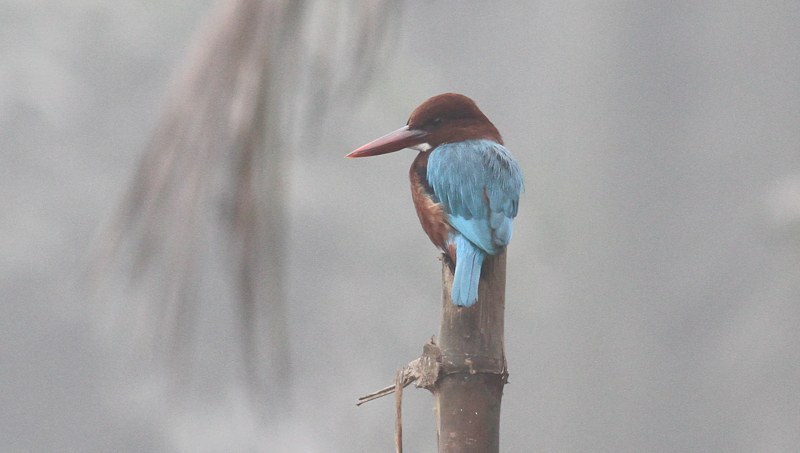
White-throated Kingfisher
Dense contour feathers; broad rounded wings

White-throated Bee-eater
Sleek, aerodynamic contour feathers; elongated central tail streamers
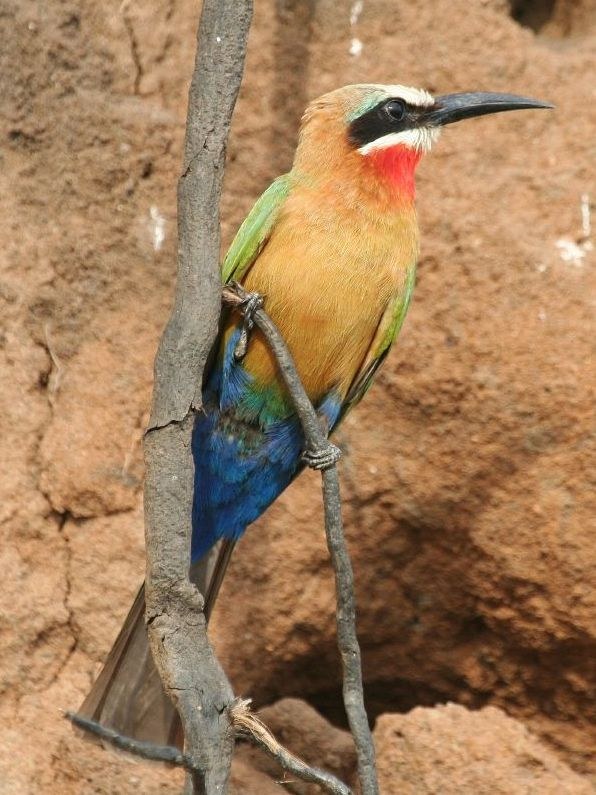
White-fronted Bee-eater
Sleek contour feathers; short tail with slight point

Southern Yellow-billed Hornbill
Slender contour feathers, moderate flight feathers
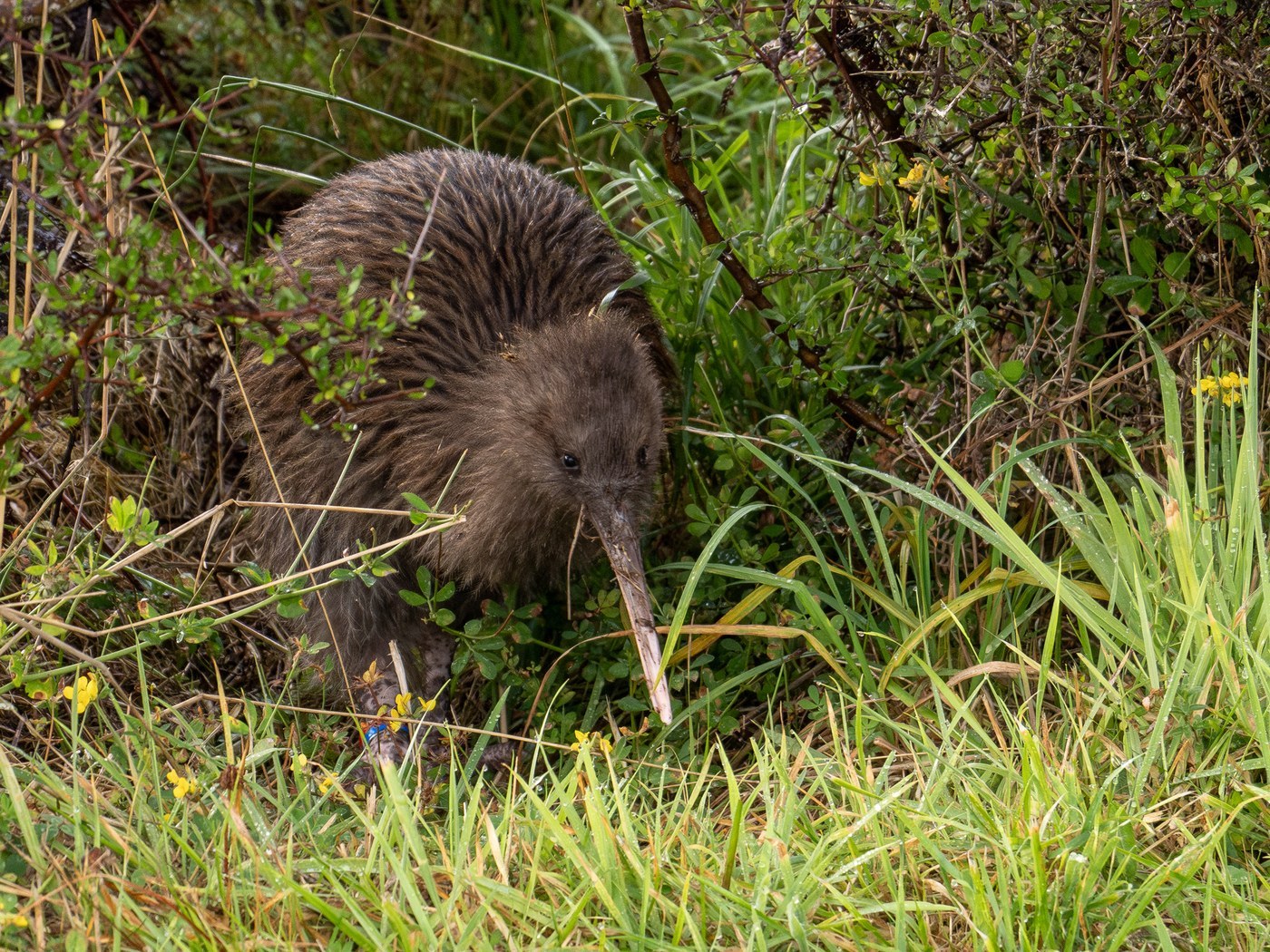
Southern Brown Kiwi
Shaggy, hair-like plumage with loose barbs lacking barbules; flightless, vestigial wings hidden beneath body feathers

Somali Ostrich
Loose, soft plumes lacking interlocking barbules

Wreathed Hornbill
Dense contour feathers, broad flight feathers

Woodland Kingfisher
Firm contour feathers; broad wing feathers

Russet-crowned Motmot
Dense contour feathers with elongated, racket-tipped central tail feathers