

Southern White-faced Owl
Ptilopsis granti
A small grey African owl with a strikingly white facial disc rimmed in black and small ear tufts, known for dramatic threat and concealment postures.
- Feather type
- Small ear-tuft feathers; soft grey contour feathers; barred flight and tail feathers
- Colours
- Pale grey overall with fine dark vermiculation, blackish shaft streaks, and a bold white facial disc rim
- Bird size
- Small owl, ~22-25 cm
Found a feather like this?
Identify any feather from a photo, free.
Overview
The Southern White-faced Owl is a small owl of savanna and dry woodland across southern Africa, ranging from Angola and Zambia south to South Africa. It is closely related to the Northern White-faced Owl, which replaces it further north, and the two were once considered a single species.
Its pale grey plumage and vivid white facial disc bordered in black make it one of the more visually distinctive small African owls. Small ear tufts sit above bright orange eyes, adding to its alert, wide-eyed appearance.
Feathers from this species are recognizable by their pale grey vermiculated pattern combined with a relatively soft, downy texture typical of small owls adapted to sit motionless during the day.
Identifying the Feather
Size and shape
- Small, rounded contour feathers and short, broad wings for a compact nocturnal hunter
- Tiny ear-tuft feathers, often loose and easily separated from other body feathers
Color and pattern
- Overall pale to medium grey ground color with fine dark vermiculation and blackish shaft streaks
- Facial disc feathers whitish, bordered by a crisp blackish rim, distinctive if the disc feathers are found intact
- Flight and tail feathers show narrow dark barring on a pale grey background
Distinguishing from similar species
- Paler and greyer overall than most African scops-owls, which tend toward warmer brown or rufous tones
- The crisp black-rimmed white facial disc feathering is a strong clue not shared by most similarly sized owls in the same range
Plumage & Molt
Plumage is pale grey with fine vermiculation and blackish streaking, appearing almost silvery in good light. Sexes are similar, though females average slightly larger and can look marginally darker. Juveniles show a softer, less crisply patterned version of the adult plumage. This species is known for extreme postural changes rather than plumage change: it can compress its feathers and stretch upright to look like a thin broken branch, or fluff up and spread its wings to appear much larger when threatened. Molt follows a gradual pattern typical of resident tropical and subtropical owls.
Habitat & Range
Found across savanna woodland, dry thornveld, and semi-arid bushveld of southern Africa, from Angola and Zambia south through Zimbabwe and Mozambique into South Africa. It is a non-migratory resident, generally staying in the same territory across seasons, though some local movements may occur in response to prey availability.
Behavior & Field Notes
Hunts mainly insects and small vertebrates from low perches at night, dropping onto prey on the ground. Nests in old stick nests of other birds or in tree cavities rather than building its own. Voice is a soft, bubbling series of hoots, quieter than many larger owls. Notably, this species has one of the most dramatic threat displays among owls, snapping into a tall thin posture to hide, then suddenly expanding to look much bigger if a threat persists, which is a useful behavioral note if observing rather than just finding feathers.
Frequently asked questions
Why is this owl called 'white-faced'?
It has a pale, whitish facial disc bordered by a crisp blackish rim, one of the most distinctive facial patterns among small African owls.
How do I tell its feathers from a scops-owl's?
Southern White-faced Owl feathers tend to be paler and greyer with fine vermiculation, while most scops-owls in its range show warmer brown or rufous tones.
Does this owl build its own nest?
No, it typically uses old nests built by other birds or natural tree cavities rather than constructing its own.
Is it the same as the Northern White-faced Owl?
They are closely related and were once treated as one species, but they are now generally split, with the southern form replacing the northern form geographically.
Southern White-faced Owl guides
In-depth guides for identifying and understanding Southern White-faced Owl.

Other feathers you may enjoy

Tawny Owl
Wing (flight) and body (contour) feathers
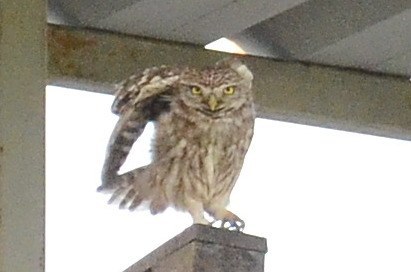
Little Owl
Wing and body feathers

Balsas Screech-Owl
Small ear-tuft feathers; soft, finely vermiculated body feathers

Blakiston's Fish Owl
Massive flight feathers with looser structure; shaggy body plumage; prominent ear-tuft feathers

Barn Owl
Wing and facial-disc feathers
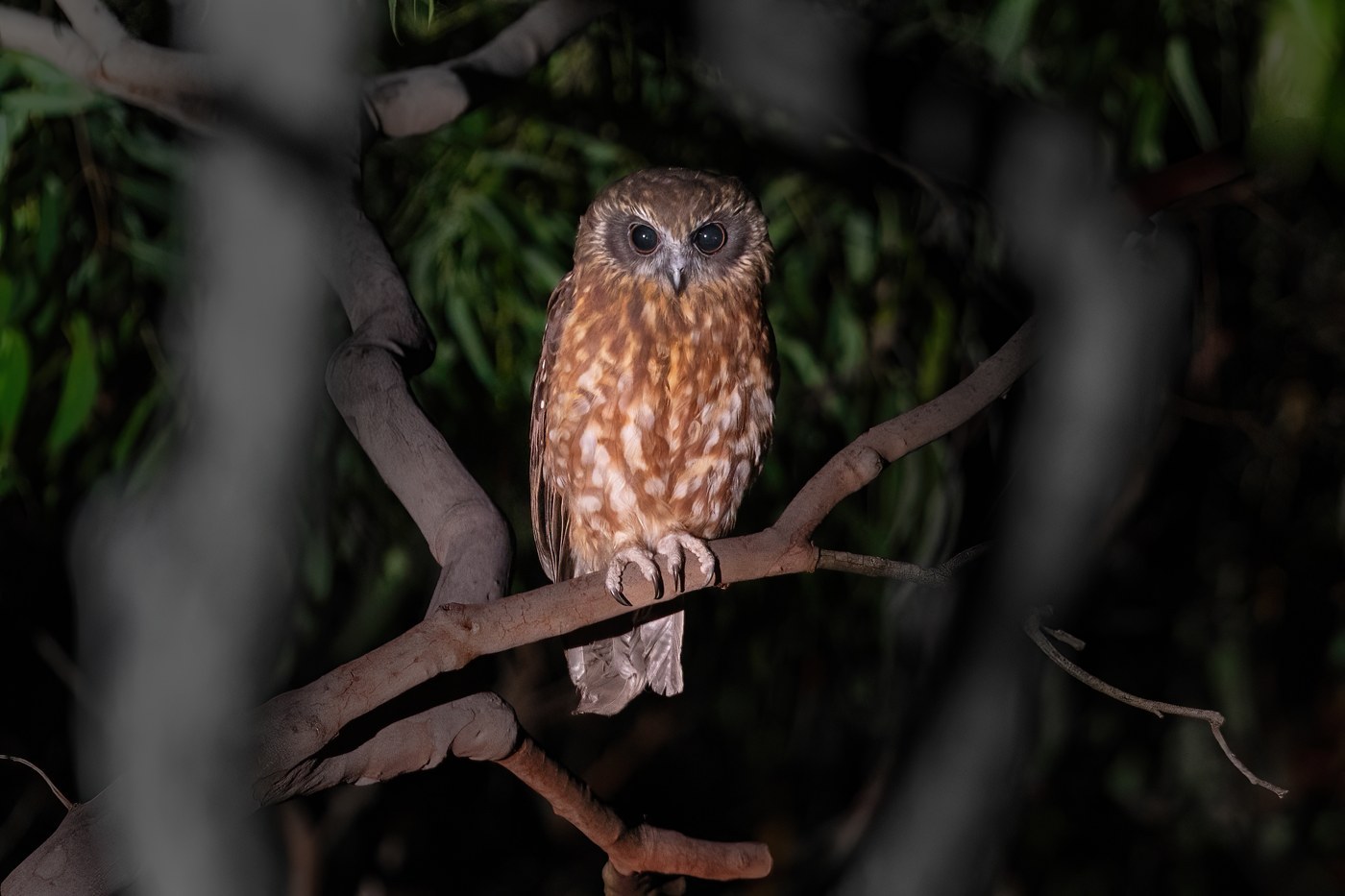
Southern Boobook
Rounded flight feathers; banded tail; spotted body plumage

Sooty Owl
Broad soft-edged flight feathers; heart-shaped facial disc feathers; finely speckled body plumage

Short-eared Owl
Broad soft-fringed flight feathers; streaked body feathers; tiny, rarely visible ear tufts

Stygian Owl
Dark, mottled flight and body feathers with long, closely-set ear tufts
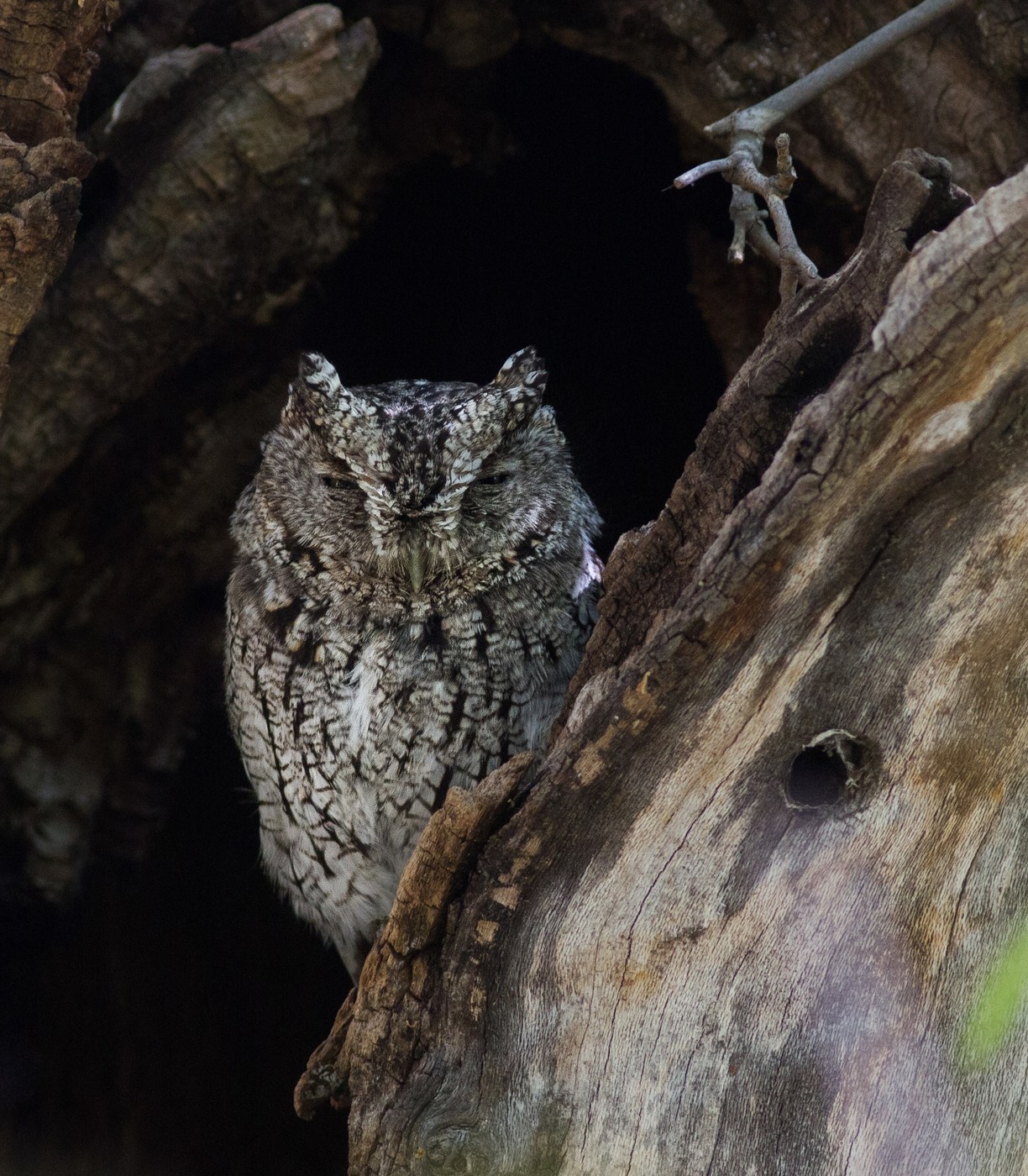
Whiskered Screech-Owl
Small soft-fringed flight feathers; finely mottled body feathers; short ear tufts
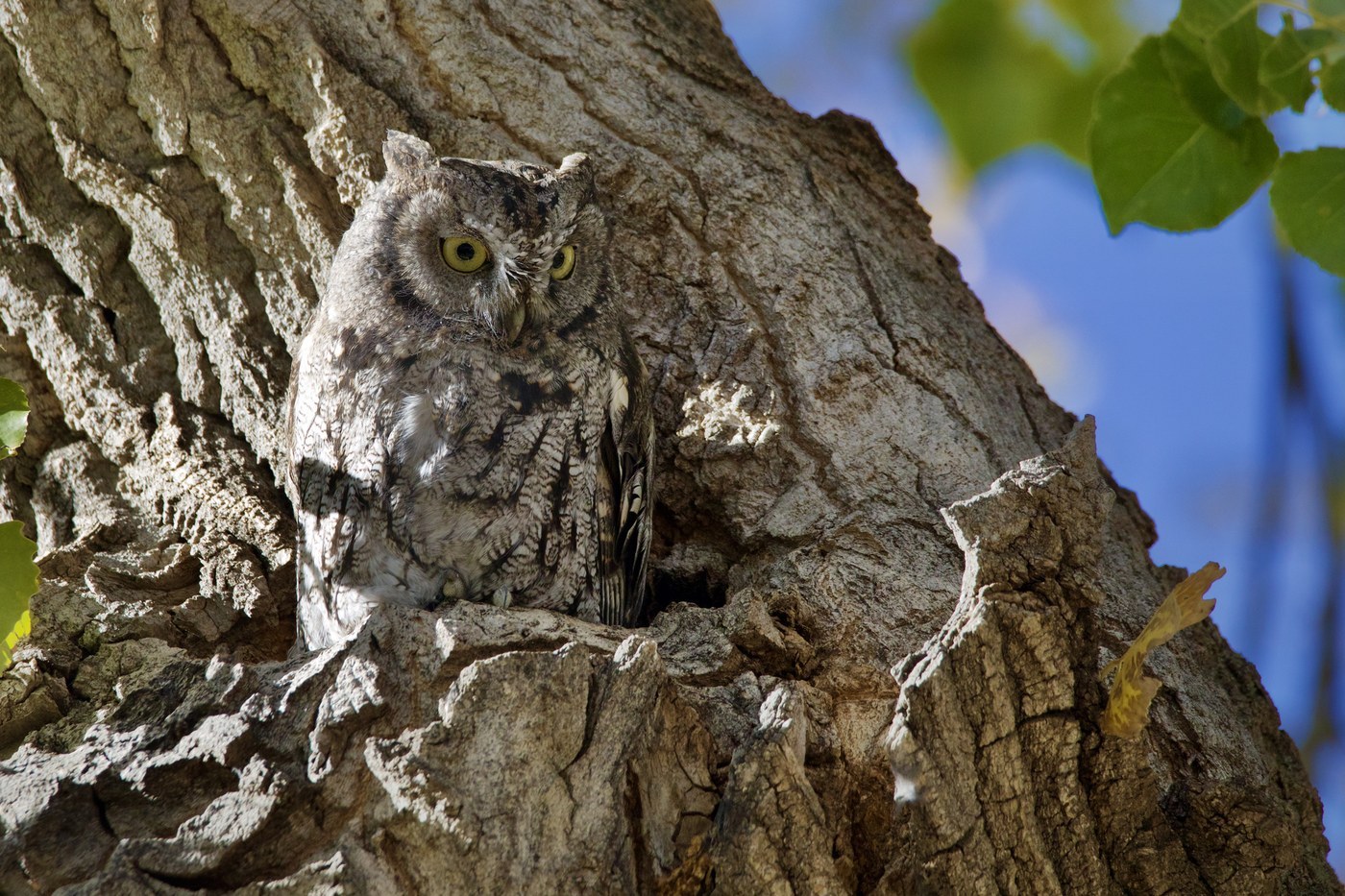
Western Screech-Owl
Small soft-fringed flight feathers; cryptic mottled/streaked body feathers; short ear tufts

White-faced Scops Owl
Small to medium flight feathers with a distinctive whitish facial disc and long ear-tuft plumes