

Southern Yellow-billed Hornbill
Tockus leucomelas
The Southern Yellow-billed Hornbill is a mid-sized African savanna hornbill with speckled black-and-white upperparts, white underparts, and a long, curved pale yellow bill. It is a familiar sight foraging on the ground in dry woodland across southern Africa.
- Feather type
- Slender contour feathers, moderate flight feathers
- Colours
- Mottled black-and-white upperparts with clean white underparts
- Bird size
- Medium, ~48-60 cm
Found a feather like this?
Identify any feather from a photo, free.
Overview
Overview
The Southern Yellow-billed Hornbill is a common, medium-sized hornbill of southern African savanna, distinguished from many similar-looking relatives largely by its long, pale yellow bill. Its plumage pattern of speckled upperparts and clean white underparts is shared with several related Tockus hornbills, so bill color and range are important confirming details.
- Medium-sized savanna hornbill of southern Africa
- Plumage pattern is speckled black-and-white above, white below
- Long, curved pale yellow bill is the standout feature
Identifying the Feather
Feather Identification
The upperparts show a fine speckled or spotted mix of black and white, while the underparts are clean white with little patterning. The tail shows white outer feathers contrasting with darker central feathers.
- Upperparts: black feathers finely spotted or edged with white
- Underparts: plain white, unmarked
- Tail: white outer tail feathers against darker central ones
- Bill (non-feather): long, curved, pale yellow, useful alongside plumage for confirming species
The fine white spotting on black upperwing feathers combined with plain white underparts distinguishes this species from more solidly patterned savanna birds, though similar related hornbills require bill color or range to fully confirm.
Plumage & Molt
Plumage Notes
Sexes look largely alike, with females typically slightly smaller and showing a marginally shorter bill. Juveniles show duller, browner tones in the upperpart spotting and a shorter, less curved bill before maturing.
- Sexes are similar in plumage, differing mainly in size
- Juveniles are duller with less developed bill proportions
- No sharp seasonal plumage shift is apparent
Habitat & Range
Habitat & Range
Widespread in savanna woodland, thornveld, and dry open habitats across southern Africa, including Namibia, Botswana, Zimbabwe, and South Africa.
- Non-migratory resident within its savanna range
- Favors open, dry woodland with scattered trees over dense forest
- Often found near human settlements and game reserves
Behavior & Field Notes
Behavior & Field Notes
This hornbill forages mostly on the ground, walking and hopping while taking a mix of small animal prey and plant material.
- Voice: a series of piping, tooting calls, often given while the bird bobs its head
- Nesting: natural tree cavities, sealed in part by the female during incubation similar to other hornbills
- Field notes: speckled black-and-white upperparts with plain white underparts and a long, curved yellow bill are the quickest confirmation in southern African savanna
Frequently asked questions
What is distinctive about this hornbill's feathers?
Finely spotted black-and-white upperparts paired with plain white underparts are the key plumage pattern to look for.
How does this species differ from similar African hornbills?
Its long, curved pale yellow bill combined with its southern African range helps separate it from related Tockus hornbills with red or darker bills.
Where does it live?
In savanna woodland and thornveld across southern Africa, including areas like Namibia, Botswana, and South Africa.
How does it usually forage?
Mostly on the ground, walking and hopping while searching for small animal prey and plant food.
Southern Yellow-billed Hornbill guides
In-depth guides for identifying and understanding Southern Yellow-billed Hornbill.

Other feathers you may enjoy

Common Cuckoo
Flight and body feathers
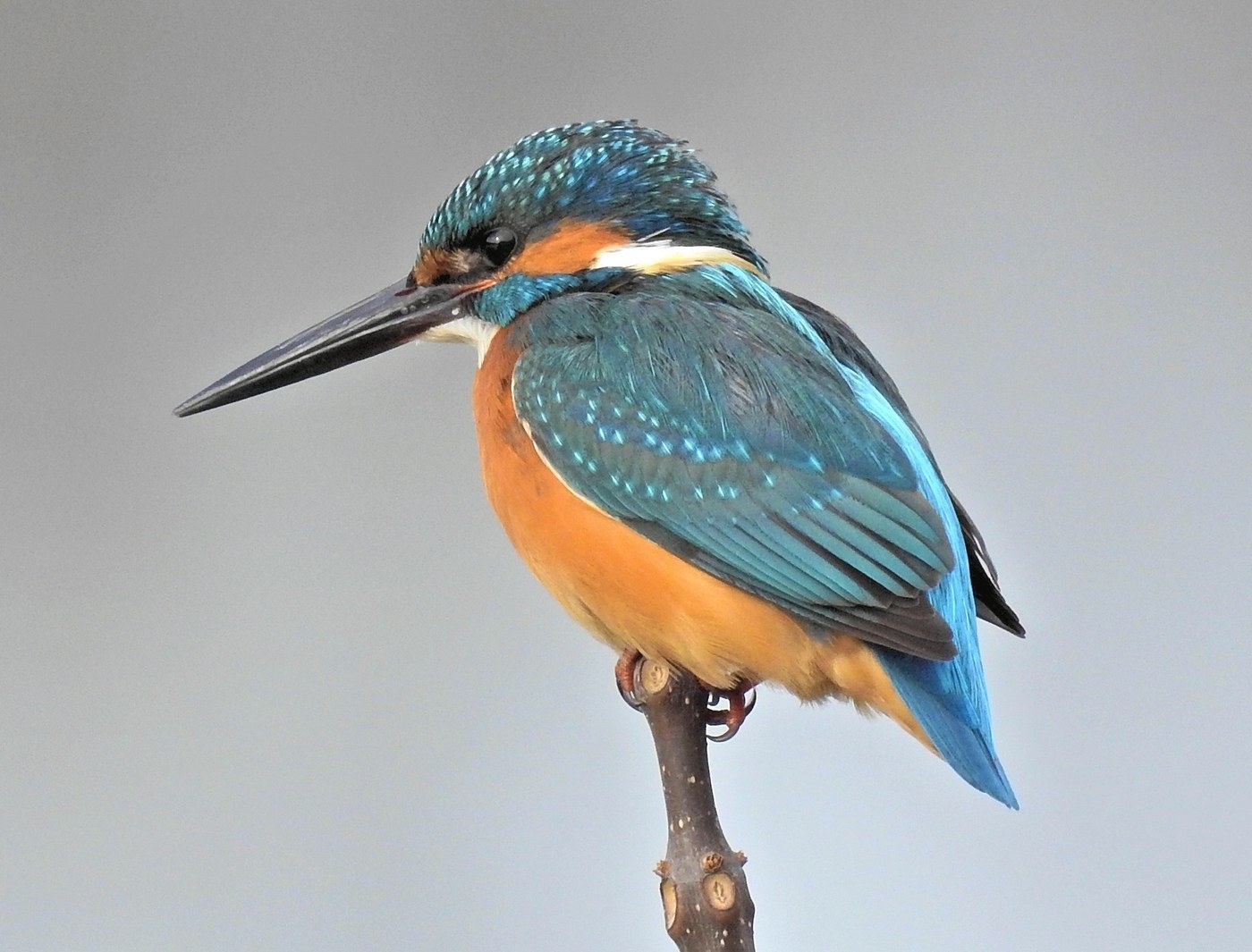
Common Kingfisher
Body (contour) and wing feathers
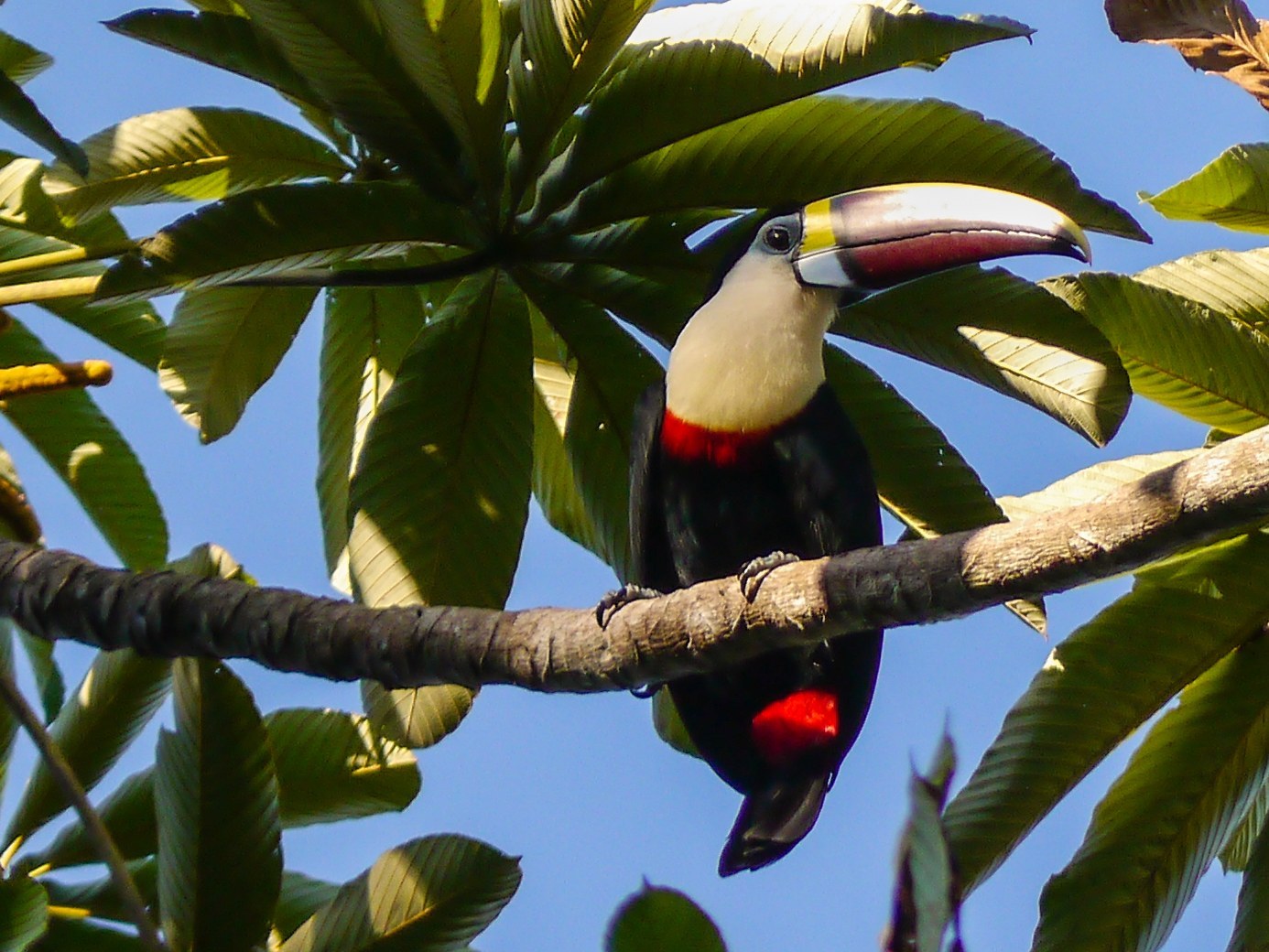
White-throated Toucan
Short rounded contour feathers, short broad wings
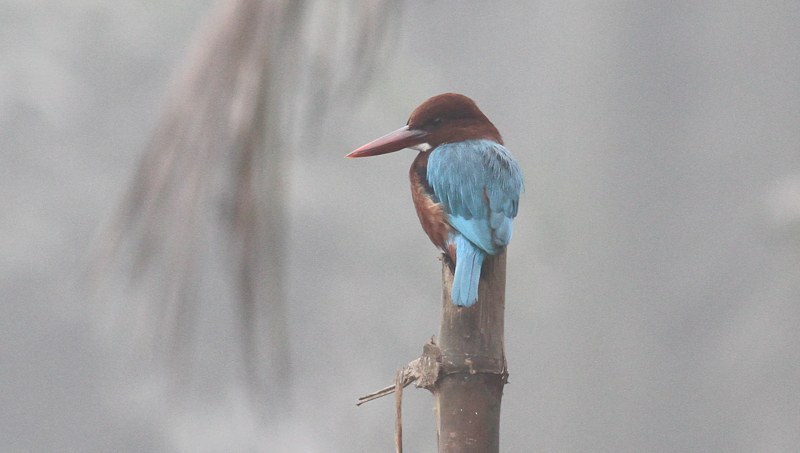
White-throated Kingfisher
Dense contour feathers; broad rounded wings

White-throated Bee-eater
Sleek, aerodynamic contour feathers; elongated central tail streamers
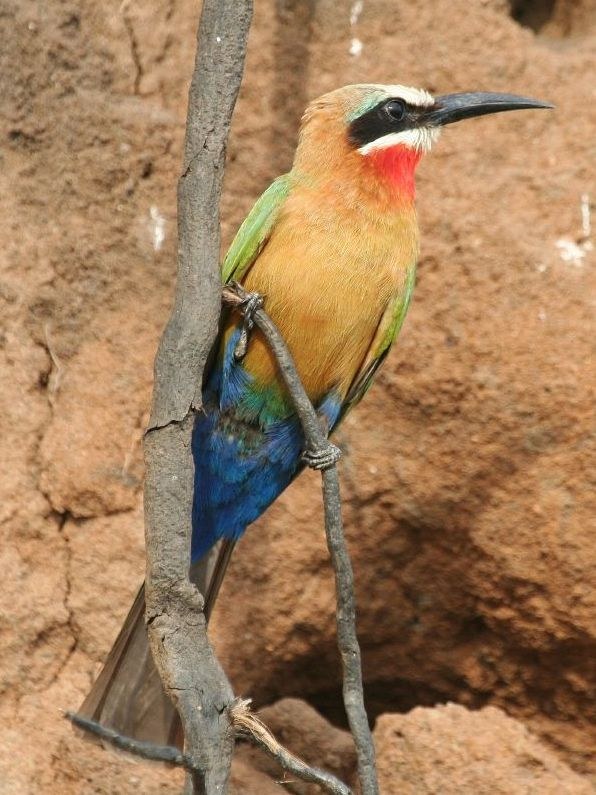
White-fronted Bee-eater
Sleek contour feathers; short tail with slight point
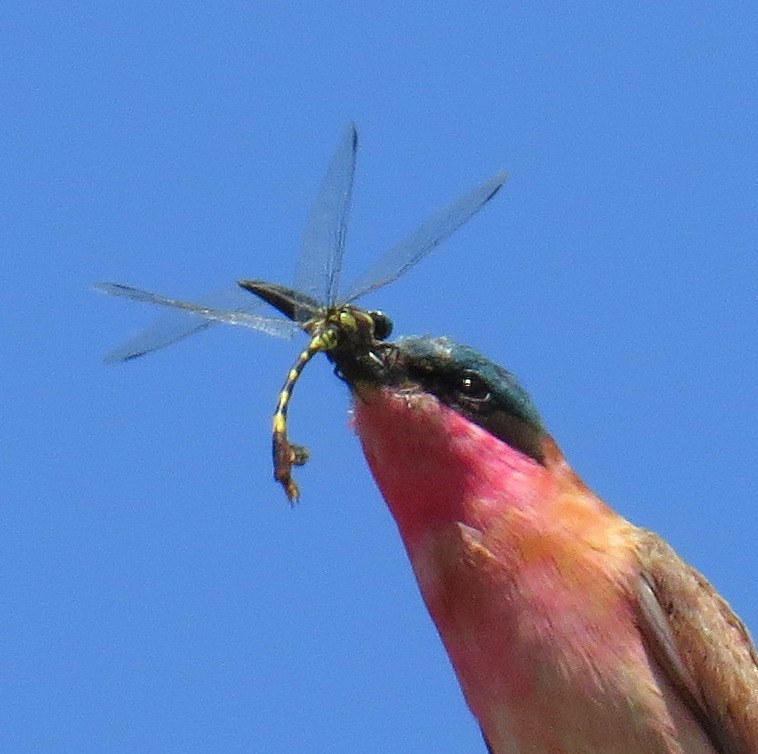
Southern Carmine Bee-eater
Sleek, pointed contour feathers; elongated central tail streamers
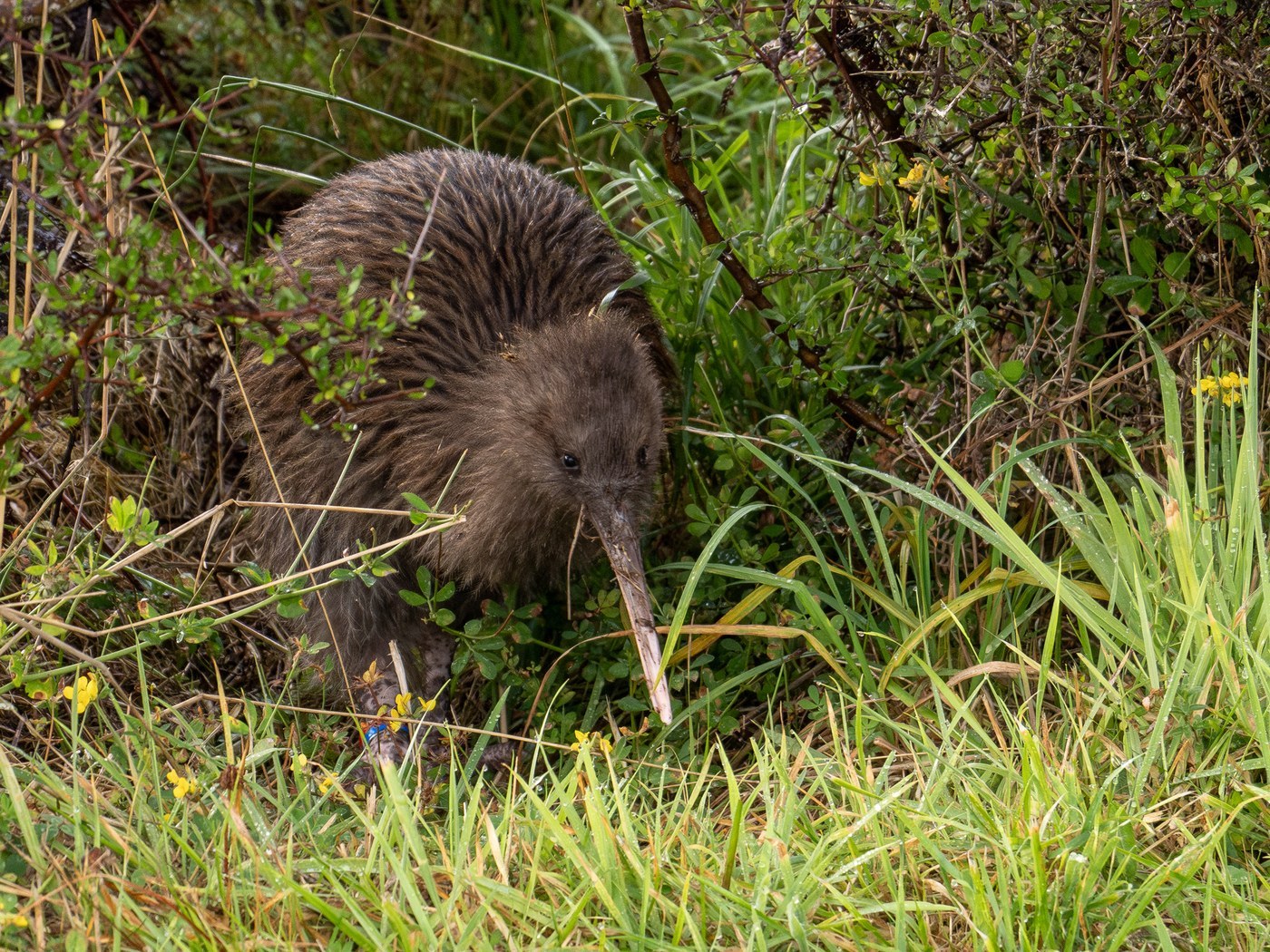
Southern Brown Kiwi
Shaggy, hair-like plumage with loose barbs lacking barbules; flightless, vestigial wings hidden beneath body feathers

Somali Ostrich
Loose, soft plumes lacking interlocking barbules

Wreathed Hornbill
Dense contour feathers, broad flight feathers

Woodland Kingfisher
Firm contour feathers; broad wing feathers

Russet-crowned Motmot
Dense contour feathers with elongated, racket-tipped central tail feathers