

Spanish Imperial Eagle
Aquila adalberti
A rare Iberian eagle marked by a bold, creamy-white leading-edge patch on the upperwing that stands out sharply against otherwise blackish-brown body plumage.
- Feather type
- Flight and body feathers
- Colours
- Blackish-brown body with a bold pale leading-edge wing patch and whitish crown streaks
- Bird size
- Large raptor, ~78-83 cm
Found a feather like this?
Identify any feather from a photo, free.
Overview
The Spanish Imperial Eagle is a rare raptor endemic to the Iberian Peninsula, closely tied to traditional dehesa woodland-pasture landscapes and historically reduced to very low numbers before conservation efforts helped its recovery.
Identifying the Feather
Adult Spanish Imperial Eagle plumage is a dark, blackish-brown overall, strongly marked by a broad, creamy-white patch along the leading edge of the upperwing coverts - notably bolder and whiter than the smaller scapular patches of the closely related Eastern Imperial Eagle. The crown and nape show fine whitish streaking rather than a solid golden wash. Flight feathers are long and dark, typical of Aquila eagles, with subtle barring visible from below. Juveniles are rufous-brown overall, quite different from the darker adult, gradually acquiring the blackish body and white wing patch over several years.
Plumage & Molt
Juveniles begin rufous-brown and progressively darken through successive molts over roughly five to six years until reaching the blackish-brown adult plumage with its bold white wing patch. Sexes look alike, with females larger.
Habitat & Range
This species is endemic to the Iberian Peninsula, mainly Spain, favoring dehesa (open oak woodland-pasture), scrubland, and adjacent farmland. It is largely resident, with established pairs holding territories year-round.
Behavior & Field Notes
Spanish Imperial Eagles hunt rabbits as a primary prey item across much of their range, along with other small mammals and birds, and pairs typically hold large territories in mature woodland-pasture landscapes. Nests are large stick structures built in tall trees. The population has recovered from critically low numbers through targeted conservation measures, though it remains one of the rarer eagles in the world.
Frequently asked questions
How can I tell a Spanish Imperial Eagle feather from an Eastern Imperial Eagle feather?
Spanish Imperial Eagle adults show a broader, bolder creamy-white patch along the leading edge of the wing, while Eastern Imperial Eagles show smaller white patches confined to the scapular (shoulder) feathers.
Why are juvenile Spanish Imperial Eagle feathers rufous rather than dark?
Like many large eagles, plumage darkens progressively with age, and juveniles start out considerably paler and more rufous-brown than the blackish adult.
Where is the Spanish Imperial Eagle found?
It is endemic to the Iberian Peninsula, primarily Spain, and is not found naturally anywhere else in the world.
Is the Spanish Imperial Eagle rare?
Yes, it is one of the rarer eagle species in the world, though numbers have recovered from historically critical lows through conservation efforts.
Spanish Imperial Eagle guides
In-depth guides for identifying and understanding Spanish Imperial Eagle.

Other feathers you may enjoy

Australian Hobby
Long, narrow pointed flight feathers; slender tail feathers

California Condor
Massive flight feathers; long broad primaries; large tail feathers

Brown Falcon
Broad, rounded flight feathers; variable-toned contour feathers
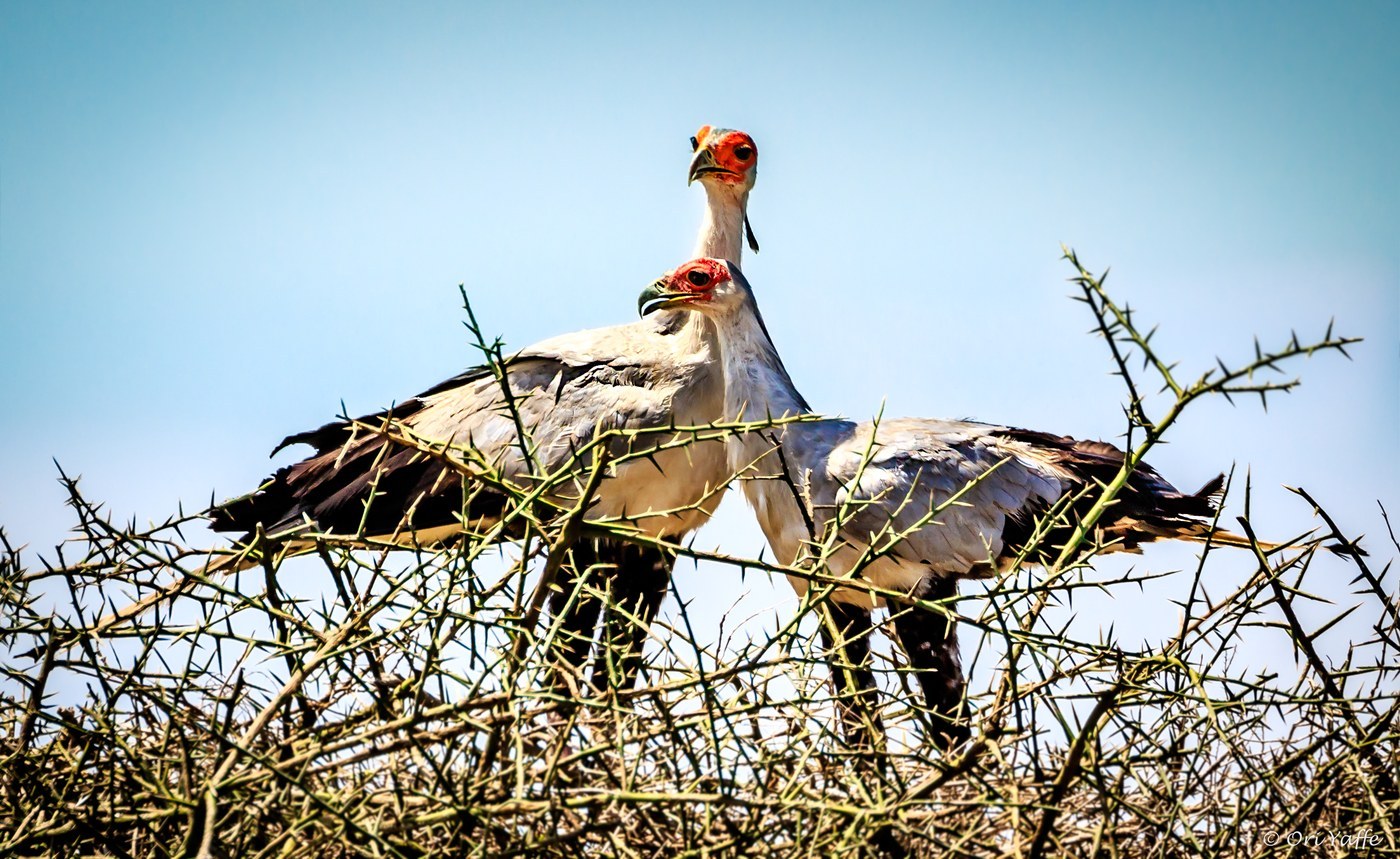
Secretarybird
Long crest feathers; broad flight feathers; elongated central tail feathers

Orange-breasted Falcon
Broad-based pointed flight feathers; bold breast and belly feathers
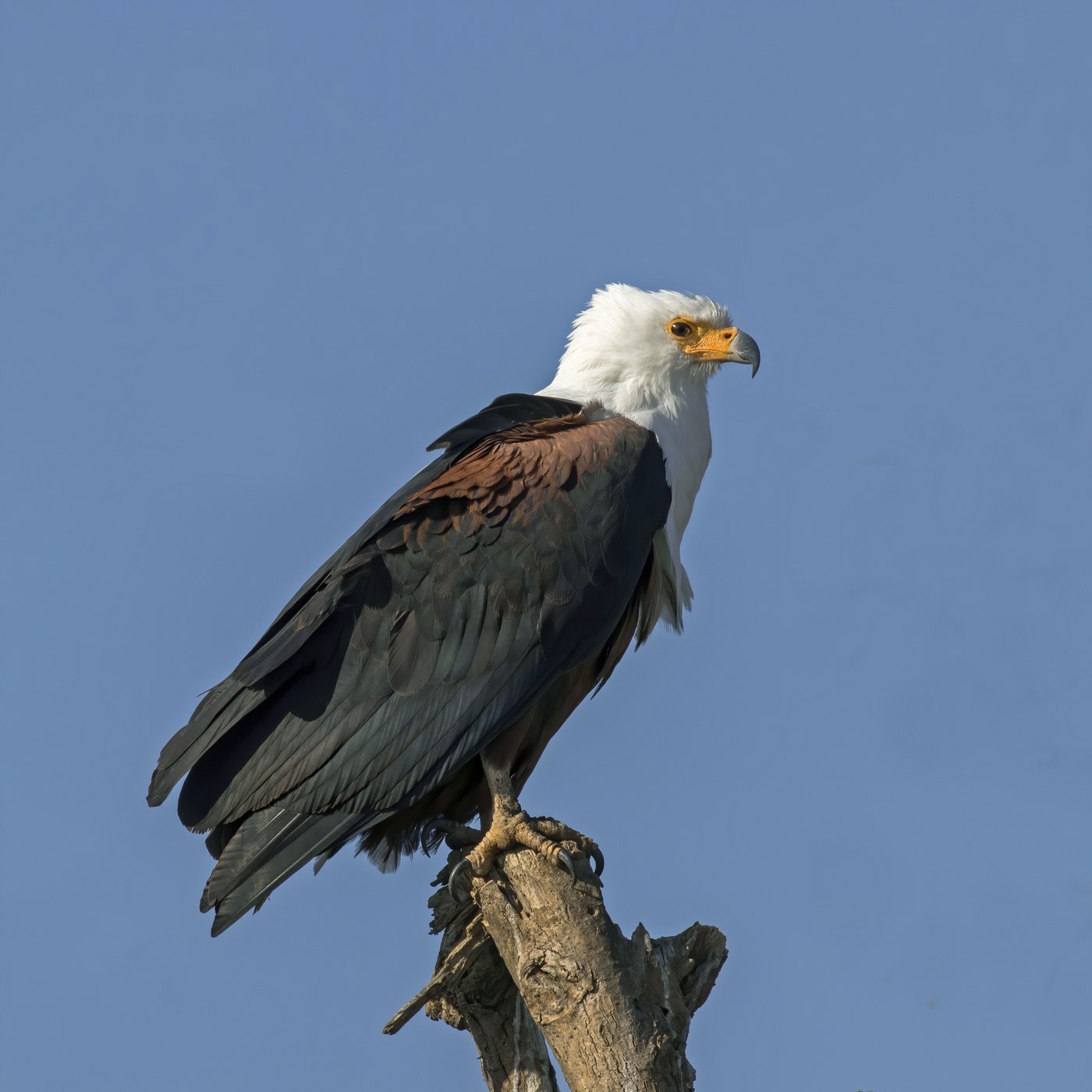
African Fish Eagle
Flight, tail, and body feathers

Amur Falcon
Slender pointed flight feathers; soft slate or orange-buff contour feathers
Red Kite
Flight (wing) and tail feathers
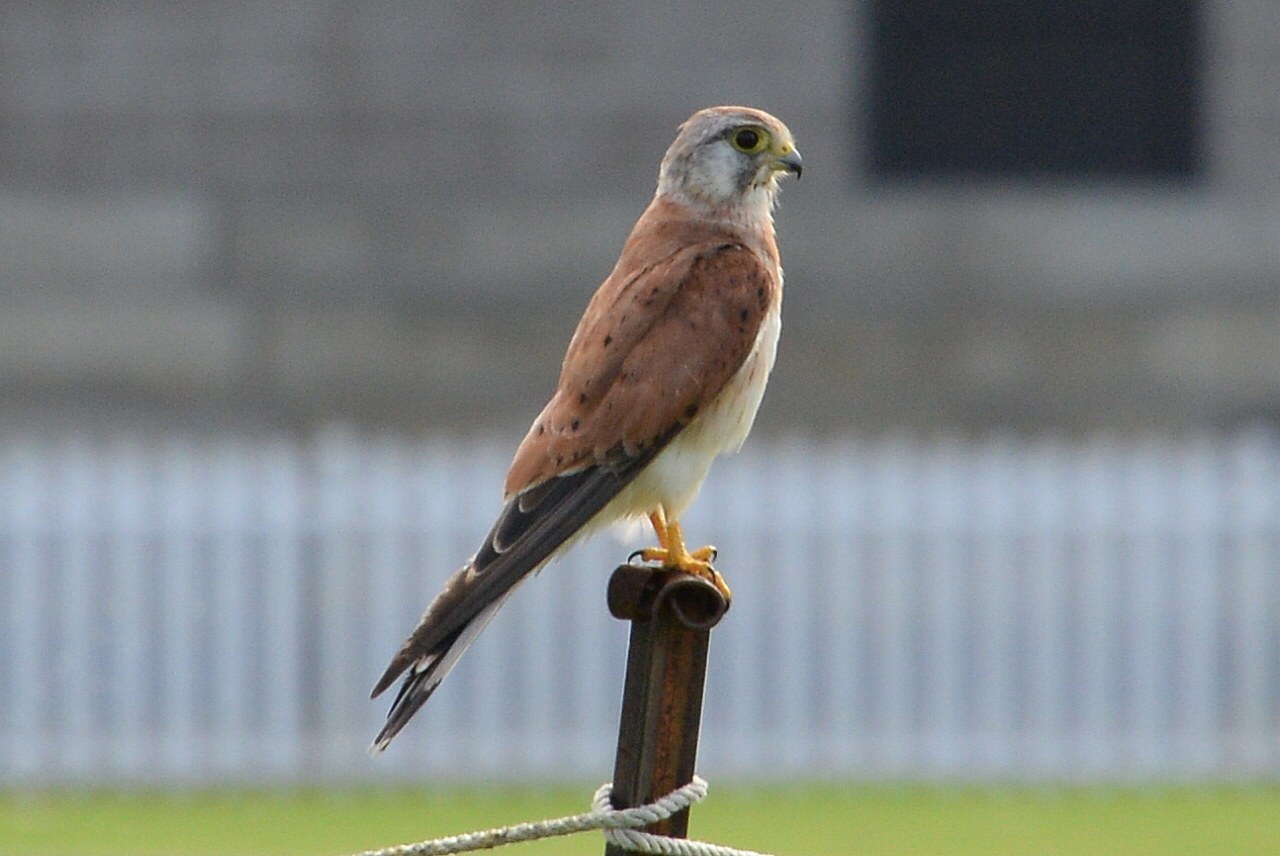
Nankeen Kestrel
Slim pointed flight feathers; lightly marked contour feathers

Andean Condor
Massive flight feathers; broad primaries and secondaries; sturdy tail feathers

Plumbeous Forest Falcon
Short rounded flight feathers; finely barred tail feathers

Sooty Falcon
Long pointed flight feathers; slim tail feathers