
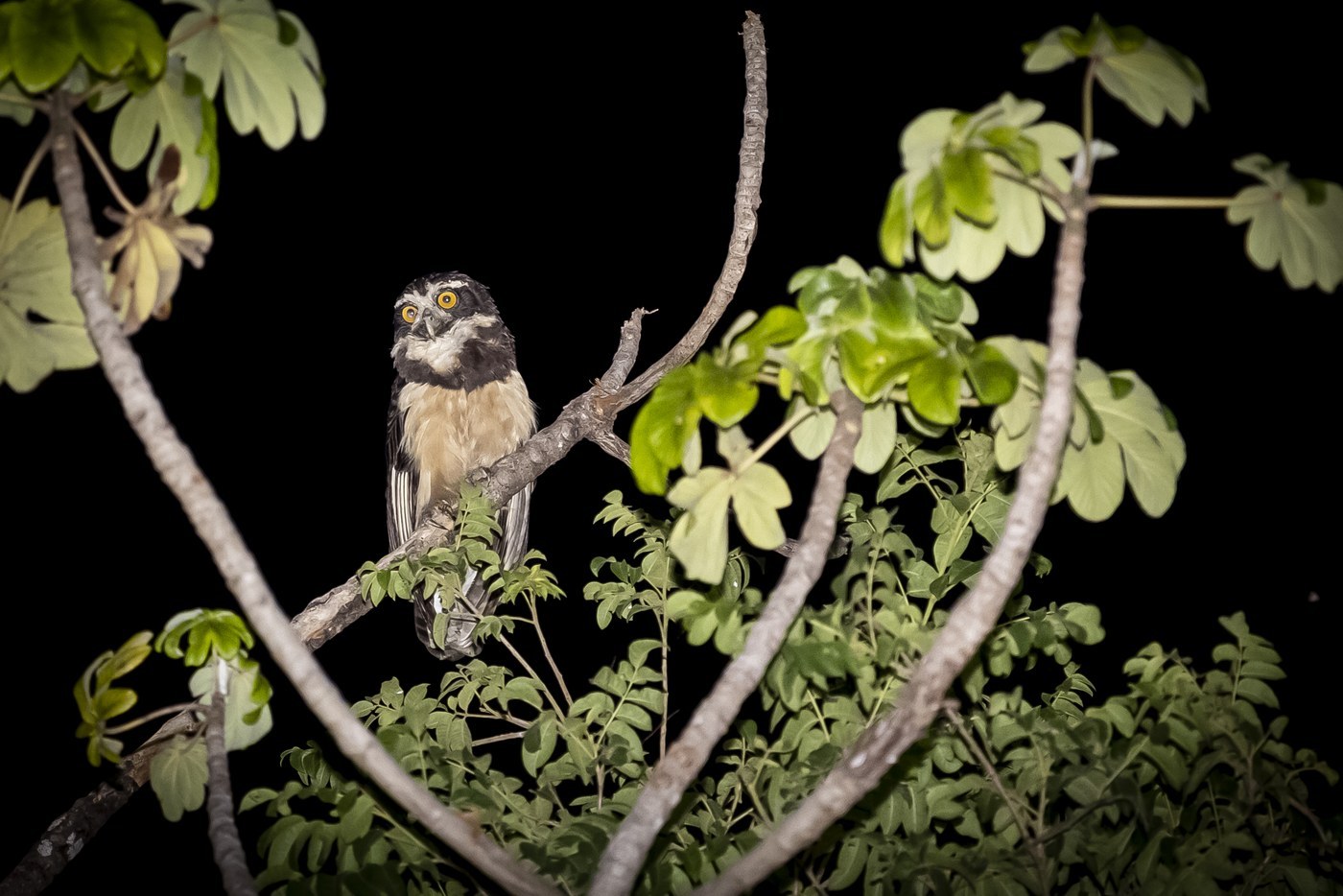
Spectacled Owl
Pulsatrix perspicillata
A large Neotropical rainforest owl named for its bold white 'spectacle' markings around the eyes, with a dark chocolate-brown hood and chest band contrasting sharply against a warm buffy-yellow belly.
- Feather type
- Broad flight feathers; dense body plumage; distinctive facial marking feathers
- Colours
- Dark chocolate-brown head and chest band with warm buffy-yellow belly; white 'spectacle' markings around the eyes
- Bird size
- Large, ~45-52 cm
Found a feather like this?
Identify any feather from a photo, free.
Overview
The Spectacled Owl is a large, striking owl of lowland tropical rainforest across Central and South America, named for the bold pale markings that encircle its eyes like a pair of spectacles. Its combination of a dark chocolate-brown hood and chest band with a warm buffy-yellow belly makes it one of the more visually distinctive Neotropical owls.
Juveniles look dramatically different from adults, with an almost entirely white head and underparts and a dark facial mask, essentially a reversed version of the adult pattern; this striking transformation takes place over roughly two to three years as the bird matures.
It favors tall, undisturbed rainforest and forest edge, generally remaining hidden in the canopy by day and becoming vocal at dusk with a distinctive series of deep, knocking notes.
Identifying the Feather
Size and shape
Large feathers from a bird 45-52 cm long, with broad, rounded flight feathers typical of forest-interior owls.
Color and pattern
- The head and chest form a dark chocolate-brown hood and band, sharply demarcated from the paler body below.
- The belly and underparts are a warm buffy-yellow, unmarked or lightly marked.
- Facial feathers around the eyes are white to pale buff, forming the 'spectacle' pattern that gives the species its name.
- Shafts are dark brown on the hood feathers and pale on the belly feathers.
Distinguishing from similar species
Compared to the Crested Owl, which shares part of its range, Spectacled Owl feathers show a sharply demarcated dark chest band and unmarked buffy-yellow belly rather than the more uniformly dark brown body of the Crested Owl, and lack the long whitish ear-tuft feathers of that species.
Plumage & Molt
Adults show a dark chocolate-brown hood and chest band contrasting sharply with a warm buffy-yellow belly, with white to pale buff markings forming spectacles around the eyes. Juveniles are strikingly different, almost entirely white on the head and underparts with a dark facial mask, gradually acquiring adult plumage over about two to three years through a series of molts. Sexes look alike in adult plumage. Molt in adults follows breeding on an annual cycle.
Habitat & Range
This species is found from southern Mexico through Central America and much of tropical South America, favoring lowland tropical rainforest, forest edge, and mature secondary growth. It is generally resident, remaining within forest territories year-round.
Behavior & Field Notes
Spectacled Owls hunt a variety of prey including small mammals, birds, and large insects, typically from a perch within or at the edge of forest. They are mostly nocturnal, remaining hidden and inactive in dense canopy foliage by day. The call is a distinctive series of deep, knocking or tapping notes, quite different from the hoots of many other owls. Nests are placed in tree cavities. When identifying a feather, look for the sharply contrasting dark chocolate-brown hood and chest band against a warm buffy-yellow belly, and note that juvenile plumage is almost entirely reversed in color from the adult pattern.
Frequently asked questions
Why is it called the Spectacled Owl?
It is named for the bold white to pale buff markings that encircle its eyes, resembling a pair of spectacles against its dark brown hood.
Do young Spectacled Owls look like the adults?
No, juveniles look strikingly different, with an almost entirely white head and underparts and a dark facial mask, essentially the reverse of the adult pattern, before gradually molting into adult plumage over about two to three years.
What does a Spectacled Owl feather look like?
Hood and chest feathers are dark chocolate-brown, sharply demarcated from warm buffy-yellow belly feathers, with pale markings around the face forming the spectacle pattern.
Where does the Spectacled Owl live?
It is found in lowland tropical rainforest and forest edge from southern Mexico through Central America and much of tropical South America.
Spectacled Owl guides
In-depth guides for identifying and understanding Spectacled Owl.
Other feathers you may enjoy

Tawny Owl
Wing (flight) and body (contour) feathers
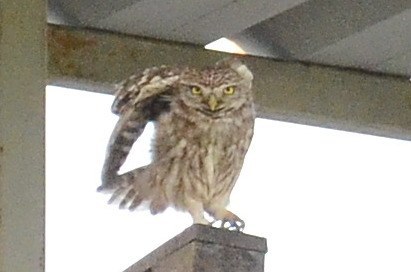
Little Owl
Wing and body feathers

Balsas Screech-Owl
Small ear-tuft feathers; soft, finely vermiculated body feathers

Blakiston's Fish Owl
Massive flight feathers with looser structure; shaggy body plumage; prominent ear-tuft feathers

Barn Owl
Wing and facial-disc feathers
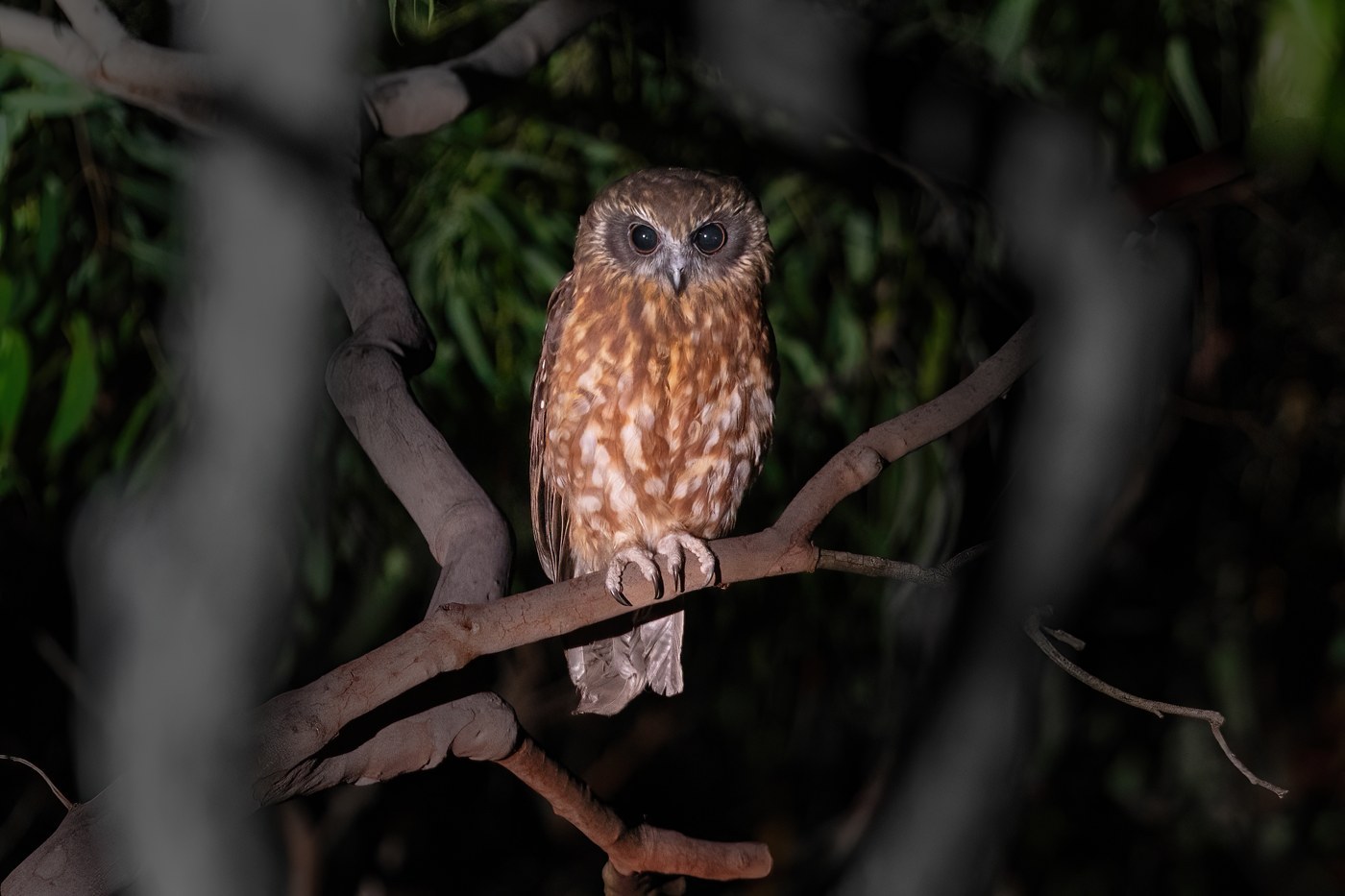
Southern Boobook
Rounded flight feathers; banded tail; spotted body plumage

Sooty Owl
Broad soft-edged flight feathers; heart-shaped facial disc feathers; finely speckled body plumage

Short-eared Owl
Broad soft-fringed flight feathers; streaked body feathers; tiny, rarely visible ear tufts

Stygian Owl
Dark, mottled flight and body feathers with long, closely-set ear tufts
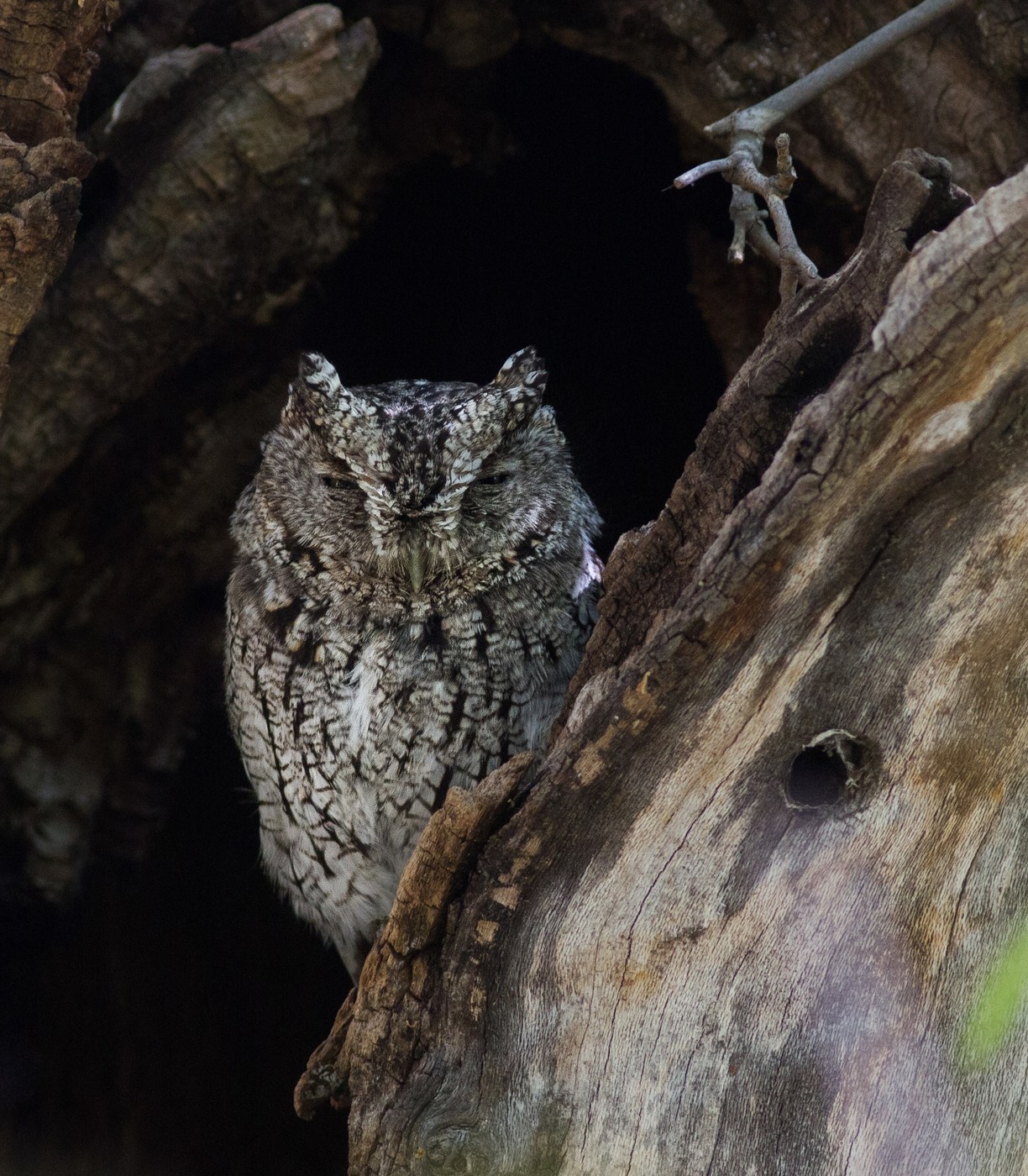
Whiskered Screech-Owl
Small soft-fringed flight feathers; finely mottled body feathers; short ear tufts
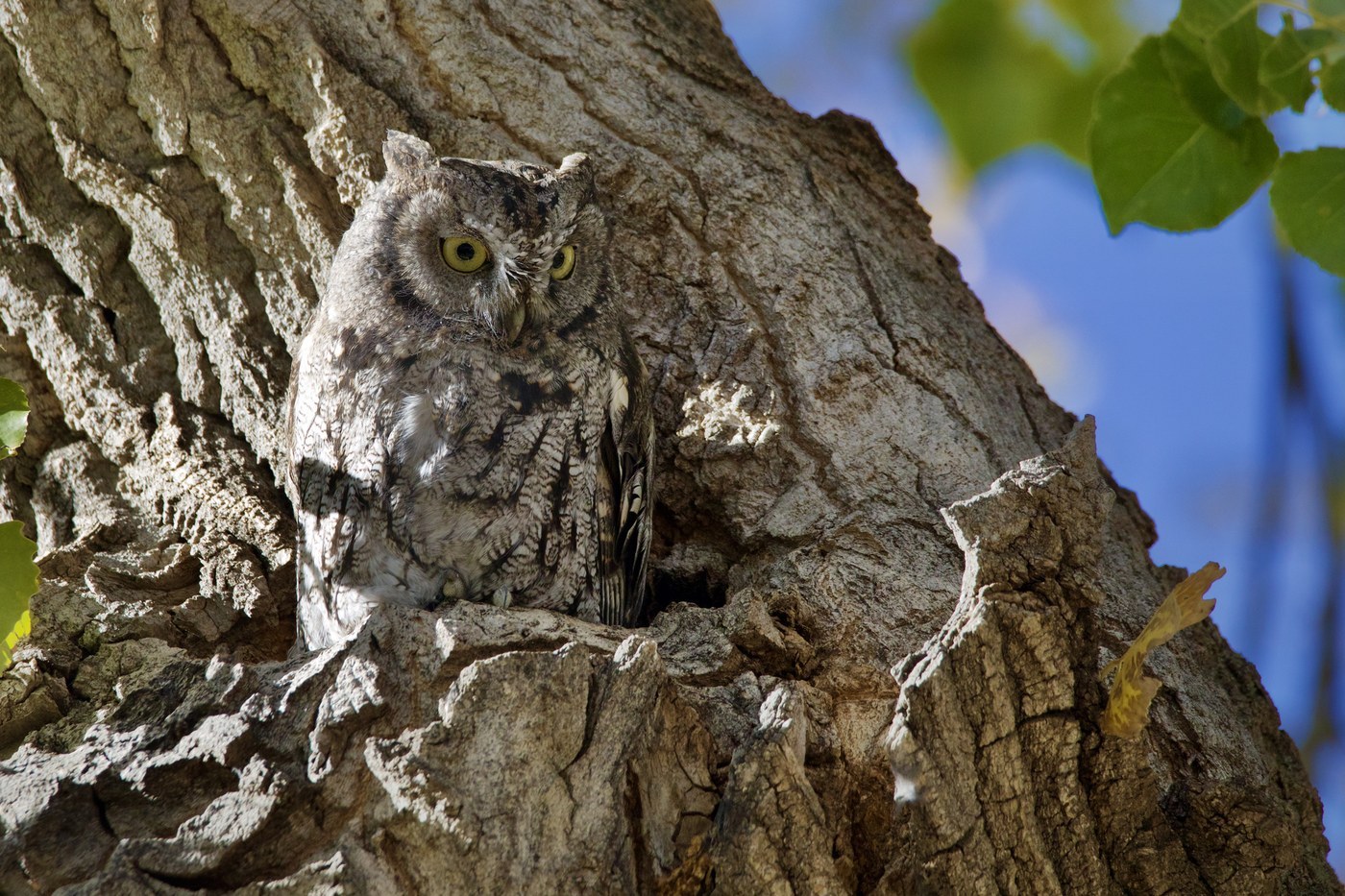
Western Screech-Owl
Small soft-fringed flight feathers; cryptic mottled/streaked body feathers; short ear tufts

White-faced Scops Owl
Small to medium flight feathers with a distinctive whitish facial disc and long ear-tuft plumes